Lucas Bennett
A diagnostic assessment in mental health is a comprehensive evaluation conducted by a qualified professional to identify and understand a patient's mental health concerns. This process typically involves a thorough review of the patient's medical and psychiatric history, as well as a series of interviews and questionnaires to gather information about their symptoms, behaviors, and experiences. The assessment may also include physical examinations, laboratory tests, and psychological evaluations to rule out other potential causes of the patient's symptoms. The goal of a diagnostic assessment is to provide an accurate diagnosis of any mental health conditions present, which can then inform the development of an appropriate treatment plan.
| Characteristics | Values |
|---|---|
| Purpose | To identify and understand mental health conditions |
| Process | Gathering information through interviews, observations, and psychological tests |
| Types of Assessments | Clinical interviews, psychological questionnaires, cognitive tests, behavioral observations |
| Professionals Involved | Psychiatrists, psychologists, social workers, mental health counselors |
| Patient Involvement | Active participation in interviews and tests |
| Time Frame | Varies from brief screenings to comprehensive evaluations over several sessions |
| Tools Used | Structured interviews, rating scales, projective tests, neuropsychological assessments |
| Confidentiality | Information is kept private and used only for diagnostic and treatment purposes |
| Cultural Sensitivity | Assessments are tailored to consider cultural differences and nuances |
| Ethical Considerations | Informed consent is obtained, and assessments are conducted without bias or discrimination |
| Outcome | Results in a diagnosis, treatment plan, and recommendations for further care |
| Follow-up | Periodic reassessments to monitor progress and adjust treatment as needed |
| Integration with Treatment | Assessment findings are used to inform and guide therapeutic interventions |
| Documentation | Detailed reports are maintained in the patient's medical record |
| Training and Expertise | Professionals conducting assessments are trained and experienced in mental health evaluation |
Explore related products


What You'll Learn
- Purpose: To identify mental health conditions and develop a treatment plan
- Process: Involves interviews, questionnaires, and sometimes psychological testing
- Tools: Mental health professionals use various assessment tools like DSM-5 and MMPI
- Importance: Crucial for accurate diagnosis and effective treatment planning
- Settings: Conducted in clinics, hospitals, schools, and private practices

Purpose: To identify mental health conditions and develop a treatment plan
A diagnostic assessment in mental health serves the critical purpose of identifying specific conditions and developing an effective treatment plan. This process involves a comprehensive evaluation of an individual's symptoms, medical history, and psychological factors. Mental health professionals use various tools and techniques, such as interviews, questionnaires, and psychological tests, to gather information and make accurate diagnoses.
The first step in a diagnostic assessment is typically a clinical interview, where the mental health professional asks the individual about their symptoms, personal history, and any concerns they may have. This interview helps establish a rapport between the clinician and the patient, which is essential for a successful assessment. Following the interview, the clinician may administer standardized questionnaires or rating scales to gather more specific information about the individual's symptoms and their severity.
Psychological tests, such as cognitive assessments or personality inventories, may also be used to provide additional insights into the individual's mental health. These tests can help identify underlying issues that may not be immediately apparent through interviews or questionnaires alone. Additionally, the clinician may review the individual's medical records and consult with other healthcare providers to gain a more comprehensive understanding of the patient's overall health.
Once the assessment is complete, the mental health professional will analyze the gathered information to make a diagnosis. This diagnosis will inform the development of a personalized treatment plan, which may include psychotherapy, medication, or a combination of both. The treatment plan will be tailored to address the individual's specific needs and goals, with the aim of improving their overall mental health and well-being.
In conclusion, a diagnostic assessment in mental health is a crucial process that enables mental health professionals to identify conditions accurately and develop effective treatment plans. By using a variety of tools and techniques, clinicians can gather comprehensive information about an individual's mental health and create a personalized approach to care. This process is essential for ensuring that individuals receive the appropriate support and treatment to manage their mental health conditions effectively.
Exploring the Role of Clinical Mental Health Counselors: A Comprehensive Guide
You may want to see also
Explore related products





Process: Involves interviews, questionnaires, and sometimes psychological testing
The process of a diagnostic assessment in mental health is multifaceted, involving several key components to ensure a comprehensive understanding of the individual's condition. Interviews are a primary tool, allowing clinicians to gather detailed information about the person's symptoms, history, and current circumstances. These interviews can be structured or semi-structured, depending on the specific needs of the assessment and the preferences of the clinician.
Questionnaires are another essential element, providing a more formalized way to collect data about the individual's experiences and behaviors. These can range from general symptom checklists to more specialized assessments targeting specific conditions or aspects of mental health. For example, the Beck Depression Inventory (BDI) is a widely used questionnaire for assessing the severity of depressive symptoms.
Psychological testing may also be incorporated into the diagnostic process, offering a more objective measure of cognitive and emotional functioning. These tests can evaluate various aspects of mental health, such as intelligence, memory, attention, and personality traits. The results of these tests can help clinicians identify underlying issues that may not be immediately apparent through interviews and questionnaires alone.
The combination of these methods allows for a thorough and nuanced understanding of the individual's mental health status. By triangulating information from multiple sources, clinicians can make more accurate diagnoses and develop more effective treatment plans. It is important to note that the specific components and sequence of the diagnostic process may vary depending on the individual's needs and the clinical setting.
In summary, the process of a diagnostic assessment in mental health involves a careful and systematic approach, utilizing interviews, questionnaires, and psychological testing to gather a comprehensive picture of the individual's condition. This multifaceted approach ensures that clinicians can make informed decisions about diagnosis and treatment, ultimately leading to better outcomes for the individual.
Illuminating Concerns: Fluorescent Lights and Mental Health
You may want to see also
Explore related products


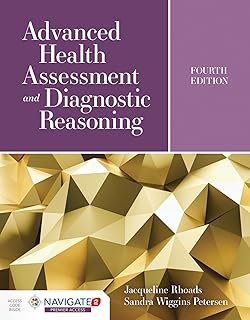
Tools: Mental health professionals use various assessment tools like DSM-5 and MMPI
Mental health professionals rely on a variety of assessment tools to diagnose and understand mental health conditions. Two of the most widely used tools are the Diagnostic and Statistical Manual of Mental Disorders, Fifth Edition (DSM-5) and the Minnesota Multiphasic Personality Inventory (MMPI). The DSM-5 is a comprehensive manual that provides criteria for diagnosing mental health disorders, while the MMPI is a psychological test that assesses personality traits and psychopathology.
The DSM-5 is used by clinicians to identify and diagnose mental health conditions based on a set of standardized criteria. It includes detailed descriptions of each disorder, as well as guidelines for diagnosis and treatment. The DSM-5 is regularly updated to reflect the latest research and clinical practices, ensuring that mental health professionals have access to the most current information.
The MMPI, on the other hand, is a psychometric test that is used to assess personality traits and psychopathology. It consists of a series of questions that the individual answers, and the results are then interpreted by a mental health professional. The MMPI is often used in conjunction with other assessment tools, such as the DSM-5, to provide a more comprehensive understanding of an individual's mental health.
In addition to these tools, mental health professionals may also use other assessment methods, such as interviews, observations, and physical examinations. These methods can provide valuable information about an individual's mental health and help to inform diagnosis and treatment decisions.
Overall, the use of assessment tools like the DSM-5 and MMPI is essential in the field of mental health. These tools allow mental health professionals to accurately diagnose and understand mental health conditions, which is critical for providing effective treatment and support. By using a combination of assessment methods, mental health professionals can gain a comprehensive understanding of an individual's mental health and develop a personalized treatment plan that meets their unique needs.
Finding Strength: Exercise as a Tool for Mental Wellness
You may want to see also
Explore related products




Importance: Crucial for accurate diagnosis and effective treatment planning
Accurate diagnosis is the cornerstone of effective mental health treatment. Without a precise understanding of a patient's condition, treatment plans may be misguided, leading to ineffective interventions and prolonged suffering. Diagnostic assessments in mental health are crucial as they provide a detailed understanding of a patient's symptoms, their severity, and their impact on daily functioning. This information is essential for clinicians to develop tailored treatment plans that address the specific needs of each individual.
The process of diagnostic assessment involves several key components. First, a thorough clinical interview is conducted to gather information about the patient's symptoms, personal history, and current circumstances. This is often followed by the administration of standardized assessment tools, such as questionnaires or rating scales, which help to quantify the severity of symptoms and identify specific diagnostic criteria. In some cases, additional assessments, such as cognitive testing or personality assessments, may be used to provide a more comprehensive understanding of the patient's condition.
One of the challenges in mental health diagnosis is the subjective nature of many symptoms. Unlike physical illnesses, which can often be diagnosed through objective measures such as blood tests or imaging studies, mental health conditions are typically diagnosed based on self-reported symptoms and clinical observation. This can lead to variability in diagnosis, as different clinicians may interpret symptoms differently. To mitigate this, it is important for clinicians to use evidence-based diagnostic criteria and to engage in ongoing training to ensure that their diagnostic skills are up-to-date.
Another important aspect of diagnostic assessment is the consideration of cultural and contextual factors. Mental health symptoms can manifest differently across cultures, and it is essential for clinicians to be aware of these differences to avoid misdiagnosis. Additionally, contextual factors such as socioeconomic status, trauma history, and social support can significantly impact the presentation and course of mental health conditions. By taking these factors into account, clinicians can develop more accurate diagnoses and more effective treatment plans.
In conclusion, diagnostic assessments in mental health are a critical component of accurate diagnosis and effective treatment planning. Through a combination of clinical interviews, standardized assessment tools, and consideration of cultural and contextual factors, clinicians can develop a comprehensive understanding of a patient's condition and tailor treatment plans to meet their specific needs. This not only improves treatment outcomes but also enhances the overall quality of care for individuals with mental health conditions.
Exploring the Nuances: Behavioral Health vs. Mental Health
You may want to see also
Explore related products



Settings: Conducted in clinics, hospitals, schools, and private practices
Diagnostic assessments in mental health are conducted across various settings, each with its unique characteristics and purposes. Clinics and hospitals often serve as the primary locations for such assessments, providing a controlled environment where mental health professionals can conduct thorough evaluations. These settings are equipped with the necessary resources and privacy to ensure accurate and confidential assessments.
In schools, diagnostic assessments are typically conducted to identify and address mental health issues among students. School psychologists or counselors may administer assessments to evaluate cognitive, emotional, and behavioral functioning. These assessments help in developing individualized education plans (IEPs) and providing appropriate support services to students.
Private practices offer another avenue for diagnostic assessments, often providing a more personalized and flexible approach. Mental health professionals in private practice may conduct assessments in a one-on-one setting, allowing for a more in-depth exploration of the individual's concerns and history. This setting can be particularly beneficial for those who prefer a more intimate and less institutional environment.
Regardless of the setting, diagnostic assessments in mental health follow a systematic process that includes gathering information about the individual's symptoms, medical history, and psychosocial factors. This information is then used to formulate a diagnosis and develop a treatment plan. The specific tools and methods used in the assessment process may vary depending on the setting and the individual's needs.
Unveiling the Connection: Green and Mental Health Awareness
You may want to see also
Frequently asked questions
A diagnostic assessment in mental health is a comprehensive evaluation conducted by a mental health professional to determine the presence, severity, and nature of a mental health condition or disorder. It involves gathering information about a person's symptoms, medical history, and other relevant factors to make an accurate diagnosis.
The key components of a diagnostic assessment include a thorough clinical interview, a review of the individual's medical and psychiatric history, a mental status examination, and often the use of standardized assessment tools or questionnaires. Additional information may be gathered from family members, friends, or other healthcare providers.
A diagnostic assessment is crucial in mental health treatment because it provides a clear understanding of the individual's condition, which informs the development of an appropriate treatment plan. An accurate diagnosis helps ensure that the person receives the most effective and targeted interventions for their specific needs, improving the likelihood of a positive outcome.
After a diagnostic assessment is completed, the mental health professional will discuss the findings with the individual and, if appropriate, their family or support system. The results of the assessment will be used to develop a personalized treatment plan, which may include psychotherapy, medication, lifestyle changes, or a combination of these approaches. The treatment plan will be tailored to address the specific symptoms and needs identified during the diagnostic assessment.