Harper Lewis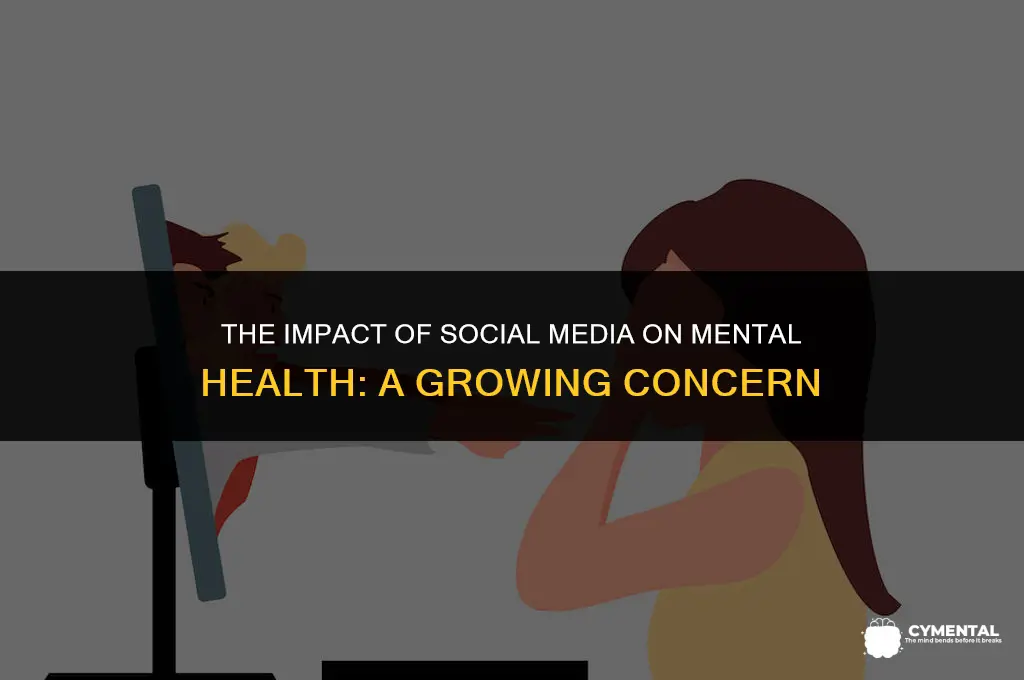
A significant social issue that detracts from mental health is the pervasive stigma surrounding mental illness. This stigma can manifest in various forms, including discrimination, prejudice, and negative stereotypes. It often leads individuals to hide their struggles, fearing judgment or rejection by others. As a result, many people delay seeking help or forego treatment altogether, exacerbating their mental health challenges. The stigma also perpetuates harmful misconceptions about mental illness, hindering efforts to promote understanding and support. Addressing this issue requires a multifaceted approach, involving education, advocacy, and policy changes to create a more inclusive and supportive environment for those affected by mental health conditions.
Explore related products





What You'll Learn
- Stigma and Discrimination: Negative attitudes and stereotypes towards mental illness can lead to isolation and lack of support
- Social Media Impact: Excessive use of social media can contribute to feelings of inadequacy, anxiety, and depression
- Economic Inequality: Financial stress and lack of access to resources can exacerbate mental health issues and limit treatment options
- Lack of Access to Care: Inadequate healthcare systems and limited availability of mental health services can prevent individuals from receiving necessary treatment
- Trauma and Abuse: Experiencing or witnessing traumatic events can have long-lasting negative effects on mental health and well-being

Stigma and Discrimination: Negative attitudes and stereotypes towards mental illness can lead to isolation and lack of support
Stigma and discrimination are pervasive issues that significantly impact individuals with mental health conditions. Negative attitudes and stereotypes towards mental illness can lead to isolation and lack of support, exacerbating the challenges faced by those affected. This social issue is deeply rooted in societal norms and beliefs, often perpetuated by media portrayals and lack of education.
One of the primary consequences of stigma and discrimination is the reluctance of individuals to seek help. Fear of being judged, labeled, or ostracized can prevent people from accessing necessary mental health services, leading to untreated conditions and worsening symptoms. This can result in a cycle of suffering, where individuals feel increasingly isolated and unsupported.
Moreover, stigma and discrimination can affect various aspects of a person's life, including their relationships, employment, and overall well-being. Negative perceptions can lead to social exclusion, difficulty finding or maintaining jobs, and strained relationships with family and friends. This can further contribute to feelings of loneliness and despair, creating a hostile environment for mental health recovery.
Addressing stigma and discrimination requires a multifaceted approach. Education and awareness campaigns can help dispel myths and misconceptions about mental illness, promoting a more compassionate and understanding society. Encouraging open conversations about mental health can also help reduce the stigma associated with seeking help. Additionally, policies and laws that protect the rights of individuals with mental health conditions can help combat discrimination in various settings.
In conclusion, stigma and discrimination are significant social issues that detract from mental health. By fostering a more supportive and inclusive environment, we can help individuals with mental health conditions feel less isolated and more empowered to seek the help they need. It is crucial to address these issues head-on and work towards creating a society that values and supports mental well-being.
Navigating Ethical Dilemmas in Mental Health Care: A Comprehensive Guide
You may want to see also
Explore related products




Social Media Impact: Excessive use of social media can contribute to feelings of inadequacy, anxiety, and depression
Social media platforms have become integral parts of our daily lives, offering unprecedented ways to connect, share, and access information. However, beneath the surface of these digital interactions lies a growing concern about their impact on mental health. Excessive use of social media has been linked to a range of psychological issues, including feelings of inadequacy, anxiety, and depression.
One of the primary ways in which social media contributes to these negative outcomes is through the cultivation of unrealistic expectations and comparisons. Users are constantly bombarded with curated images and updates that present an idealized version of reality, leading to feelings of inadequacy and low self-esteem. This phenomenon, often referred to as "social comparison," can be particularly damaging for young people, who are more susceptible to peer influence and societal pressures.
Moreover, the addictive nature of social media platforms can exacerbate these issues. The constant stream of notifications, likes, and comments creates a dopamine loop that can be difficult to break, leading to compulsive checking and scrolling. This behavior not only reinforces feelings of anxiety and depression but also interferes with other aspects of life, such as work, relationships, and physical health.
To mitigate these effects, it is essential to adopt a more mindful approach to social media use. This may involve setting boundaries around the amount of time spent on these platforms, unfollowing accounts that promote unrealistic standards, and engaging in activities that foster self-esteem and well-being. Additionally, social media companies can play a role by implementing features that encourage healthier usage patterns, such as usage tracking tools and reminders to take breaks.
Ultimately, while social media has the potential to connect us and enrich our lives, it is crucial to be aware of its potential pitfalls and to take steps to protect our mental health. By fostering a deeper understanding of the impact of social media on our well-being, we can work towards creating a more balanced and positive digital environment.
Navigating Mental Health: Strategies for Awareness, Support, and Healing
You may want to see also
Explore related products


Economic Inequality: Financial stress and lack of access to resources can exacerbate mental health issues and limit treatment options
Financial stress and lack of access to resources can significantly exacerbate mental health issues and limit treatment options. Economic inequality plays a crucial role in this cycle, as individuals from lower socioeconomic backgrounds often face greater challenges in maintaining their mental well-being. The constant worry about making ends meet, paying bills, and providing for oneself and one's family can lead to chronic stress, anxiety, and depression. These mental health issues can further be compounded by the lack of access to quality healthcare, including mental health services.
Individuals from economically disadvantaged backgrounds may struggle to afford health insurance or pay for out-of-pocket expenses related to mental health treatment. This can result in delayed or forgone care, leading to the worsening of mental health conditions. Moreover, the lack of financial resources can limit access to other essential factors that contribute to mental well-being, such as stable housing, nutritious food, and safe environments. Without these basic necessities, it becomes increasingly difficult for individuals to cope with mental health challenges.
The impact of economic inequality on mental health is further exacerbated by the stigma associated with seeking help. In many communities, mental illness is viewed as a sign of weakness or a personal failing, rather than a legitimate health concern. This stigma can prevent individuals from seeking the support they need, particularly in low-income areas where mental health services may already be scarce. As a result, mental health issues can go untreated, leading to more severe consequences, including substance abuse, homelessness, and even suicide.
Addressing the intersection of economic inequality and mental health requires a multifaceted approach. Policy makers must work to reduce economic disparities by implementing programs that provide financial assistance, job training, and access to affordable healthcare. Mental health professionals can also play a role by offering services on a sliding scale or through community-based programs that reach underserved populations. Additionally, efforts to reduce stigma and increase awareness about mental health issues can help encourage individuals from all socioeconomic backgrounds to seek the support they need.
In conclusion, economic inequality is a significant social issue that detracts from mental health. Financial stress and lack of access to resources can exacerbate mental health issues and limit treatment options, particularly for individuals from lower socioeconomic backgrounds. Addressing this problem requires a comprehensive approach that includes policy changes, increased access to mental health services, and efforts to reduce stigma and promote awareness. By working together, we can help ensure that all individuals, regardless of their economic status, have access to the resources and support they need to maintain their mental well-being.
Empowering Minds: Effective Strategies to Spread Mental Health Awareness
You may want to see also
Explore related products


Lack of Access to Care: Inadequate healthcare systems and limited availability of mental health services can prevent individuals from receiving necessary treatment
In many parts of the world, inadequate healthcare systems and limited availability of mental health services create significant barriers to accessing necessary treatment. This lack of access can exacerbate mental health issues, leading to more severe and prolonged suffering for those affected. The consequences of this inadequate care can ripple through communities, affecting not only individuals but also their families, workplaces, and broader society.
One of the primary challenges is the shortage of mental health professionals. According to the World Health Organization, there are fewer than 10 mental health workers per 100,000 people in many low- and middle-income countries. This scarcity means that even those who recognize their need for help may face long wait times or be unable to find a provider at all. Furthermore, the stigma surrounding mental illness can deter individuals from seeking care, fearing discrimination or ostracization.
Another critical issue is the lack of integration between mental and physical healthcare services. Mental health is often treated as a separate entity, rather than as an integral part of overall well-being. This separation can lead to fragmented care, where individuals may receive treatment for physical symptoms without addressing underlying mental health concerns. Integrating mental health services into primary care settings could help bridge this gap, ensuring that individuals receive holistic care that addresses both their physical and mental needs.
Financial constraints also play a significant role in limiting access to mental health care. Many individuals, particularly in low-income communities, may not have the financial resources to pay for mental health services. Even in countries with universal healthcare, mental health services may be underfunded or subject to stringent eligibility criteria, further restricting access. Investing in mental health infrastructure and ensuring equitable funding could help alleviate these financial barriers.
Finally, technological advancements offer potential solutions to improve access to mental health care. Telemedicine and online therapy platforms can provide individuals with remote access to mental health professionals, bypassing geographical and logistical barriers. However, these technologies also raise concerns about privacy, data security, and the quality of care provided. Addressing these concerns will be crucial to ensuring that digital mental health services are both accessible and effective.
In conclusion, the lack of access to mental health care is a complex issue with far-reaching consequences. Addressing this problem will require a multifaceted approach, including increasing the availability of mental health professionals, integrating mental and physical healthcare services, addressing financial barriers, and leveraging technological innovations. By working together to improve access to care, we can help ensure that individuals receive the support they need to maintain their mental health and well-being.
Navigating the Complex Release of Prisoners with Mental Health Concerns
You may want to see also
Explore related products


$13.99 $16.99

$37.99 $39.99


Trauma and Abuse: Experiencing or witnessing traumatic events can have long-lasting negative effects on mental health and well-being
Trauma and abuse are insidious social issues that can have profound and long-lasting impacts on an individual's mental health and overall well-being. Experiencing or witnessing traumatic events can lead to a range of psychological effects, including anxiety, depression, post-traumatic stress disorder (PTSD), and substance abuse. These conditions can significantly impair a person's ability to function in daily life, maintain relationships, and achieve personal goals.
One of the most challenging aspects of trauma and abuse is their tendency to create a cycle of victimization. Survivors may struggle with feelings of shame, guilt, and self-blame, which can make it difficult for them to seek help and support. Additionally, the effects of trauma can be intergenerational, with children of survivors often experiencing similar psychological difficulties.
Trauma and abuse can also have broader societal implications. For example, they can contribute to increased healthcare costs, lost productivity, and social unrest. Furthermore, the prevalence of trauma and abuse can perpetuate harmful social norms and attitudes, such as the normalization of violence and the stigmatization of mental illness.
Addressing trauma and abuse requires a multifaceted approach that includes prevention, intervention, and support. Prevention efforts can focus on educating the public about the signs and consequences of trauma and abuse, as well as promoting healthy relationships and parenting practices. Intervention strategies can include providing access to mental health services, such as counseling and therapy, as well as legal and social support for survivors. Finally, support systems can help survivors to rebuild their lives and regain a sense of control and agency.
In conclusion, trauma and abuse are complex social issues that can have far-reaching consequences for individuals and society as a whole. By understanding the causes and effects of these issues, and by implementing comprehensive prevention, intervention, and support strategies, we can work towards creating a safer and more supportive environment for all.
Navigating the Path to Mental Health Diagnosis: A Comprehensive Guide
You may want to see also
Frequently asked questions
Social isolation is a critical social issue that can significantly detract from mental health. It can lead to feelings of loneliness, depression, and anxiety, and can exacerbate existing mental health conditions.
Social media can have both positive and negative effects on mental health. While it can provide a platform for social connection and support, excessive use can lead to feelings of inadequacy, anxiety, and depression, particularly in young people.
Socioeconomic status can have a profound impact on mental health. Individuals from lower socioeconomic backgrounds may experience higher levels of stress, have less access to mental health resources, and may be more likely to experience mental health issues such as depression and anxiety.
Societal stigma surrounding mental health can lead to discrimination, social exclusion, and internalized shame, all of which can negatively impact an individual's mental health. This stigma can also prevent individuals from seeking help and support for their mental health issues.