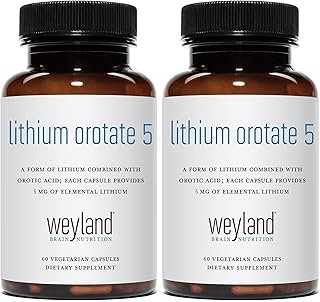
Harper Lewis
Lithium is a crucial element in the field of mental health, primarily known for its role in treating bipolar disorder. It helps stabilize mood swings, reducing the frequency and severity of manic and depressive episodes. Lithium works by affecting the balance of neurotransmitters in the brain, such as serotonin and norepinephrine, which are key players in regulating mood. Additionally, it has been found to have neuroprotective properties, potentially reducing the risk of cognitive decline and enhancing overall brain health. While it can be highly effective, lithium requires careful monitoring due to its narrow therapeutic window and potential side effects, making it essential for patients to work closely with their healthcare providers.
Explore related products


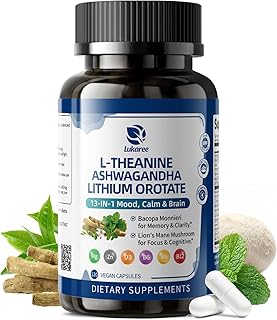


What You'll Learn
- Mood Stabilizer: Lithium is primarily used to stabilize mood in bipolar disorder, reducing mania and depression episodes
- Depression Treatment: It can be used as an antidepressant, often when other medications have not been effective
- Mania Prevention: Lithium helps prevent manic episodes in people with bipolar disorder, promoting emotional balance
- Augmenting Antidepressants: It's sometimes used in combination with antidepressants to enhance their effectiveness
- Long-term Maintenance: Lithium is often prescribed for long-term maintenance therapy to prevent relapse in bipolar disorder

Mood Stabilizer: Lithium is primarily used to stabilize mood in bipolar disorder, reducing mania and depression episodes
Lithium is a crucial medication in the management of bipolar disorder, a condition characterized by extreme mood swings that include emotional highs (mania or hypomania) and lows (depression). As a mood stabilizer, lithium works to moderate these fluctuations, helping individuals maintain a more balanced emotional state. Its primary role is to reduce the frequency and severity of manic and depressive episodes, which can significantly improve the quality of life for those with bipolar disorder.
The mechanism by which lithium exerts its mood-stabilizing effects is not fully understood, but it is believed to involve several biochemical pathways in the brain. Lithium may influence the activity of neurotransmitters such as serotonin and norepinephrine, which play key roles in regulating mood. Additionally, it may affect the levels of certain hormones, like thyroid hormone, which can also impact mood stability.
Lithium is typically prescribed as a long-term treatment for bipolar disorder, often in combination with other medications such as antipsychotics or antidepressants. The dosage of lithium is carefully monitored, as it can have a narrow therapeutic window—meaning that the effective dose is close to the toxic dose. Regular blood tests are necessary to ensure that lithium levels remain within a safe and therapeutic range.
While lithium can be highly effective in stabilizing mood, it does come with potential side effects. Common side effects include nausea, vomiting, diarrhea, drowsiness, and tremors. More serious side effects can include kidney damage, thyroid problems, and neurological issues such as seizures or cognitive impairment. Therefore, it is essential for individuals taking lithium to be closely monitored by their healthcare provider.
In summary, lithium serves as a vital tool in the treatment of bipolar disorder, helping to stabilize mood and reduce the disruptive impact of manic and depressive episodes. Its use requires careful monitoring and management to maximize its benefits while minimizing potential risks.
Exploring Promethazine's Role in Mental Health Treatment
You may want to see also
Explore related products


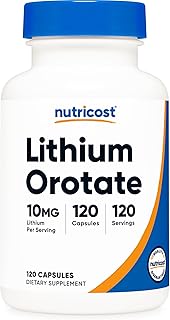

Depression Treatment: It can be used as an antidepressant, often when other medications have not been effective
Lithium has been a cornerstone in the treatment of bipolar disorder for decades, but its role in treating depression, particularly when other medications fail, is less widely recognized. As an augmentation strategy, lithium can be added to an existing antidepressant regimen to enhance its efficacy. This approach is often considered when patients experience inadequate relief from their current medication or when they have a history of treatment-resistant depression.
The mechanism by which lithium exerts its antidepressant effects is not fully understood, but it is believed to modulate neurotransmitter activity, particularly serotonin and norepinephrine, which are key players in mood regulation. Lithium may also influence the expression of certain genes involved in mood disorders, leading to a more stable and positive emotional state.
When using lithium as an antidepressant, it is crucial to monitor the patient's response closely. The therapeutic window for lithium is narrow, and the risk of toxicity increases at higher doses. Regular blood level monitoring is essential to ensure that the lithium concentration remains within the therapeutic range, typically between 0.6 and 1.2 mEq/L. Side effects such as tremors, weight gain, and thyroid dysfunction can occur, and patients should be educated about these potential adverse effects.
Lithium's use in depression treatment is often reserved for more severe or treatment-resistant cases due to its potential side effects and the need for careful monitoring. However, for those who have not found relief with other medications, lithium can offer a valuable alternative. It is important for healthcare providers to weigh the benefits and risks carefully and to work closely with patients to determine the most appropriate treatment strategy.
In summary, while lithium is better known for its role in managing bipolar disorder, it can also be a useful tool in the treatment of depression, particularly when other medications have not been effective. Its unique mechanism of action and potential benefits make it a valuable option for certain patients, but careful monitoring and a thorough understanding of its risks are essential for safe and effective use.
Understanding SI in Mental Health: A Comprehensive Guide
You may want to see also
Explore related products



Mania Prevention: Lithium helps prevent manic episodes in people with bipolar disorder, promoting emotional balance
Lithium is a crucial medication in the management of bipolar disorder, particularly in preventing manic episodes. Mania is a state of elevated mood, energy, and activity levels that can significantly impair daily functioning and lead to risky behaviors. For individuals with bipolar disorder, these manic episodes can be unpredictable and disruptive, affecting personal relationships, work, and overall quality of life.
One of the primary benefits of lithium is its ability to stabilize mood and reduce the frequency and severity of manic episodes. It works by modulating neurotransmitter activity in the brain, particularly affecting serotonin and norepinephrine, which play key roles in mood regulation. By maintaining a steady state of these neurotransmitters, lithium helps to prevent the sudden spikes in mood that characterize manic episodes.
Lithium is often prescribed as a long-term maintenance treatment for bipolar disorder. Patients typically take it daily, and the dosage is carefully monitored and adjusted by a healthcare provider to ensure optimal therapeutic effects while minimizing side effects. Regular blood tests are necessary to check lithium levels in the blood, as the therapeutic range is narrow, and levels that are too high or too low can be ineffective or even harmful.
In addition to its role in preventing mania, lithium has been shown to have other benefits for individuals with bipolar disorder. It can help to improve sleep quality, reduce anxiety, and enhance overall emotional well-being. Some studies also suggest that lithium may have neuroprotective effects, potentially reducing the risk of cognitive decline and other long-term complications associated with bipolar disorder.
Despite its effectiveness, lithium does have some side effects that patients should be aware of. Common side effects include nausea, vomiting, diarrhea, tremors, and weight gain. More serious side effects, such as kidney damage and thyroid problems, can occur with long-term use, which is why regular monitoring is essential. Patients should also be cautious about potential drug interactions, as lithium can interact with other medications, including antidepressants and anti-anxiety drugs.
In conclusion, lithium is a valuable tool in the prevention of manic episodes in bipolar disorder, offering significant benefits in mood stabilization and overall emotional balance. While it requires careful monitoring and can have side effects, the therapeutic advantages of lithium make it an important option for individuals struggling with bipolar disorder.
Exploring Horizons: How Travel Boosts Your Mental Well-being
You may want to see also
Explore related products


Augmenting Antidepressants: It's sometimes used in combination with antidepressants to enhance their effectiveness
Lithium augmentation is a strategy employed in psychiatric treatment to enhance the efficacy of antidepressant medications. This approach is particularly beneficial for individuals who have not achieved adequate symptom relief with antidepressants alone. By adding lithium to the treatment regimen, clinicians can often observe a significant improvement in the patient's response to the primary antidepressant therapy.
The mechanism behind lithium augmentation is multifaceted. Lithium is known to modulate neurotransmitter activity, particularly serotonin and norepinephrine, which are key targets of many antidepressants. This modulation can lead to a synergistic effect, where the combined action of lithium and the antidepressant produces a greater therapeutic benefit than either medication alone. Additionally, lithium has been shown to stabilize mood and reduce the risk of suicidal thoughts and behaviors, which can be critical in the treatment of severe depressive episodes.
When considering lithium augmentation, it is essential to carefully monitor the patient's response and adjust dosages as needed. The optimal lithium level for augmentation is typically lower than that used for primary mood stabilization, often ranging from 0.5 to 0.8 mEq/L. Regular blood level checks are necessary to ensure that the lithium concentration remains within the therapeutic range and to minimize the risk of side effects, such as tremors, weight gain, and thyroid dysfunction.
Clinicians should also be aware of potential drug interactions when combining lithium with antidepressants. For example, selective serotonin reuptake inhibitors (SSRIs) and lithium can interact to increase the risk of serotonin syndrome, a potentially life-threatening condition characterized by symptoms such as agitation, confusion, and rapid heart rate. To mitigate this risk, it is crucial to start with low doses of both medications and gradually increase them under close supervision.
In conclusion, lithium augmentation can be a valuable tool in the treatment of depression, particularly for patients who have not responded adequately to antidepressant monotherapy. By understanding the pharmacological mechanisms, monitoring for side effects, and carefully managing drug interactions, clinicians can effectively use lithium to enhance the therapeutic outcomes of antidepressant treatment.
Understanding Mental Health: Decoding the Acronym SUD
You may want to see also
Explore related products


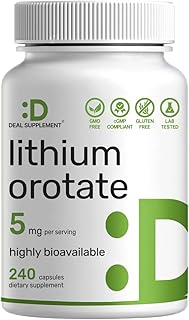

Long-term Maintenance: Lithium is often prescribed for long-term maintenance therapy to prevent relapse in bipolar disorder
Lithium's role in long-term maintenance therapy for bipolar disorder is well-established, with decades of research supporting its efficacy in preventing relapse. For individuals with bipolar disorder, the prospect of relapse can be daunting, as episodes can significantly disrupt daily life and relationships. Lithium helps to stabilize mood, reducing the frequency and severity of manic and depressive episodes.
One of the key benefits of lithium in long-term maintenance is its ability to provide a consistent level of mood stabilization. Unlike some other medications, which may need to be adjusted frequently, lithium levels can be monitored and maintained at a therapeutic dose over extended periods. This consistency is crucial for individuals with bipolar disorder, as it allows them to better manage their symptoms and maintain a stable routine.
Lithium's mechanism of action is complex and not fully understood, but it is believed to work by modulating neurotransmitter activity in the brain. Specifically, lithium may increase the release of serotonin and norepinephrine, which are involved in regulating mood. Additionally, lithium may have neuroprotective effects, helping to prevent damage to brain cells that can occur during manic and depressive episodes.
While lithium is generally well-tolerated, it does have some potential side effects that should be monitored. Common side effects include weight gain, tremors, and gastrointestinal issues. More serious side effects, such as kidney damage and thyroid problems, can occur with long-term use. Regular blood tests are necessary to monitor lithium levels and ensure that they remain within a safe and therapeutic range.
Despite its benefits, lithium is not suitable for everyone. Individuals with certain medical conditions, such as kidney disease or heart problems, may not be able to take lithium. Additionally, lithium should not be used during pregnancy, as it can increase the risk of birth defects. For these reasons, it is important for healthcare providers to carefully consider the risks and benefits of lithium before prescribing it for long-term maintenance therapy.
In conclusion, lithium is a valuable tool in the management of bipolar disorder, particularly in preventing relapse. Its ability to provide consistent mood stabilization, coupled with its neuroprotective effects, makes it a preferred choice for many individuals with bipolar disorder. However, careful monitoring and consideration of potential side effects are essential to ensure safe and effective use.
The Impact of Social Media on Mental Health: A Comprehensive Analysis
You may want to see also
Frequently asked questions
Lithium is primarily used as a mood stabilizer in the treatment of bipolar disorder. It helps to manage symptoms of mania and depression, and can also prevent future episodes.
Lithium works by affecting the levels of certain neurotransmitters in the brain, such as serotonin and norepinephrine. It also influences the activity of certain enzymes and receptors, which can help to regulate mood and emotional responses.
In addition to bipolar disorder, lithium can sometimes be used off-label to treat other mental health conditions such as major depressive disorder, schizoaffective disorder, and certain types of anxiety disorders. However, its effectiveness for these conditions is not as well-established as it is for bipolar disorder.
Common side effects of lithium treatment include nausea, vomiting, diarrhea, tremors, and weight gain. More serious side effects can include kidney damage, thyroid problems, and neurological symptoms such as seizures and confusion. Regular monitoring of lithium levels in the blood is necessary to minimize the risk of side effects.
Yes, lithium is often considered a first-line treatment for bipolar disorder due to its effectiveness in stabilizing mood and preventing future episodes. However, treatment decisions should be made on an individual basis, taking into account factors such as the severity of symptoms, medical history, and personal preferences.