Ava Ramirez
The intricate relationship between gut health and mental health has garnered significant attention in recent years. Research suggests that the gut microbiome plays a crucial role in influencing our mental well-being, with imbalances potentially contributing to various psychiatric disorders. Improving gut health can therefore be a vital strategy in supporting mental health. This involves adopting a balanced diet rich in fiber, fermented foods, and probiotics, which can help restore a healthy gut flora. Additionally, reducing stress, staying hydrated, and engaging in regular physical activity are key lifestyle modifications that can positively impact both gut and mental health. By understanding and nurturing this gut-brain connection, individuals can take proactive steps towards enhancing their overall well-being.
Explore related products




What You'll Learn
- Dietary Changes: Incorporate fiber-rich foods, fermented items, and omega-3 fatty acids to support gut-brain health
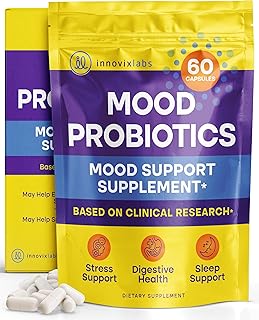
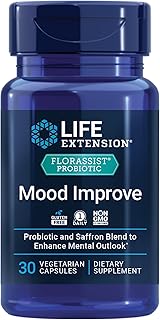
- Probiotics: Supplement with beneficial bacteria strains like Lactobacillus and Bifidobacterium to enhance gut microbiome
- Hydration: Drink plenty of water to aid digestion and promote the growth of beneficial gut bacteria
- Exercise: Regular physical activity can improve gut health by increasing blood flow and reducing stress
- Stress Management: Practice relaxation techniques like meditation and yoga to lower stress levels, which can negatively impact gut health

Dietary Changes: Incorporate fiber-rich foods, fermented items, and omega-3 fatty acids to support gut-brain health
The gut-brain axis is a bidirectional communication system between the central nervous system and the gastrointestinal tract. Dietary changes can significantly influence this axis, impacting mental health. Incorporating fiber-rich foods, fermented items, and omega-3 fatty acids into one's diet can support gut-brain health.
Fiber-rich foods, such as fruits, vegetables, whole grains, and legumes, are essential for maintaining a healthy gut microbiome. They provide prebiotic fibers that serve as food for beneficial bacteria, promoting their growth and activity. This, in turn, can lead to improved mental health outcomes. For instance, a study published in the journal Psychopharmacology found that a high-fiber diet reduced stress and anxiety levels in mice.
Fermented foods, like yogurt, kefir, sauerkraut, and kimchi, contain live probiotics that can help restore the balance of the gut microbiome. These beneficial bacteria play a crucial role in regulating the gut-brain axis and have been shown to have a positive impact on mental health. A review published in the journal Nutrients found that probiotic supplementation improved symptoms of depression, anxiety, and stress in human studies.
Omega-3 fatty acids, found in fatty fish, flaxseeds, chia seeds, and walnuts, are essential for brain function and have been shown to support gut health. These fatty acids can help reduce inflammation in the gut, which is often associated with mental health disorders. A study published in the journal PLOS ONE found that omega-3 supplementation improved gut microbiota composition and reduced symptoms of depression in patients with major depressive disorder.
Incorporating these dietary changes can be a practical and effective way to support gut-brain health. However, it's essential to note that individual dietary needs may vary, and it's always best to consult with a healthcare professional before making significant changes to one's diet. Additionally, while dietary changes can be beneficial, they should not replace other evidence-based treatments for mental health disorders.
Do Mental Health Days Count as Sick Days?
You may want to see also
Explore related products


Probiotics: Supplement with beneficial bacteria strains like Lactobacillus and Bifidobacterium to enhance gut microbiome
Probiotics are live microorganisms that, when administered in adequate amounts, confer a health benefit on the host. In the context of gut health and mental health, probiotics such as Lactobacillus and Bifidobacterium have been shown to play a crucial role. These beneficial bacteria strains help maintain a balanced gut microbiome, which is essential for optimal brain function and mental well-being.
Supplementing with probiotics can help improve gut health by increasing the diversity and abundance of beneficial bacteria in the gut. This, in turn, can lead to a reduction in inflammation, improved digestion, and enhanced nutrient absorption. Furthermore, a healthy gut microbiome has been linked to improved mental health outcomes, including reduced symptoms of anxiety and depression.
When choosing a probiotic supplement, it is important to select a product that contains a variety of beneficial bacteria strains, including Lactobacillus and Bifidobacterium. Look for products that have been third-party tested for quality and potency, and follow the recommended dosage instructions on the label. It is also important to note that probiotics are not a one-size-fits-all solution, and individual results may vary.
In addition to supplementing with probiotics, it is also important to maintain a healthy diet and lifestyle to support gut health. This includes consuming a variety of whole foods, such as fruits, vegetables, whole grains, and lean proteins, as well as staying hydrated and engaging in regular physical activity. By taking a comprehensive approach to gut health, individuals can support their mental well-being and overall health.
Unseen Crisis: Mental Health's Toll on Men's Lives Annually
You may want to see also
Explore related products


Hydration: Drink plenty of water to aid digestion and promote the growth of beneficial gut bacteria
Proper hydration is a cornerstone of maintaining a healthy gut, which in turn has a significant impact on mental health. Drinking plenty of water is essential for aiding digestion and promoting the growth of beneficial gut bacteria. When the body is well-hydrated, the digestive system functions more efficiently, allowing for better absorption of nutrients and the elimination of waste products. This process helps to maintain a balanced gut microbiome, which is crucial for overall health.
Dehydration can lead to a range of digestive issues, including constipation, bloating, and discomfort. These symptoms can exacerbate mental health conditions such as anxiety and depression. Furthermore, inadequate hydration can disrupt the balance of gut bacteria, leading to an overgrowth of harmful pathogens and a decrease in beneficial microorganisms. This imbalance can contribute to inflammation and other health problems that negatively affect mental well-being.
To ensure optimal gut health, it is recommended to drink at least eight glasses of water per day. However, individual needs may vary depending on factors such as age, weight, and activity level. In addition to water, consuming other hydrating beverages such as herbal teas and coconut water can also contribute to overall hydration. It is important to note that sugary drinks and excessive caffeine consumption can have a dehydrating effect and should be limited.
Incorporating hydration into a daily routine can be challenging for some individuals. To make it easier, consider setting reminders to drink water throughout the day, carrying a reusable water bottle, and adding flavor to water with fruits or herbs. Additionally, eating foods with high water content, such as fruits and vegetables, can contribute to overall hydration levels.
In conclusion, maintaining proper hydration is a simple yet effective way to support gut health and, by extension, mental health. By drinking plenty of water and limiting dehydrating beverages, individuals can promote a balanced gut microbiome and alleviate digestive issues that may contribute to mental health concerns.
Empowering Minds: Women's Mental Health Awareness Month Insights
You may want to see also
Explore related products



Exercise: Regular physical activity can improve gut health by increasing blood flow and reducing stress
Regular physical activity is a powerful tool for improving gut health, which in turn can have a significant impact on mental well-being. Exercise increases blood flow to the digestive system, promoting the growth of beneficial gut bacteria and enhancing the absorption of nutrients. This can lead to a reduction in inflammation and an improvement in overall gut function. Additionally, exercise is known to reduce stress levels, which can further contribute to a healthier gut-brain axis.
To maximize the benefits of exercise for gut health, it's important to engage in a variety of physical activities. Aerobic exercises, such as running, cycling, or swimming, can help increase blood flow to the digestive system. Strength training exercises, such as weightlifting or bodyweight exercises, can also be beneficial by reducing stress and promoting overall health. It's recommended to aim for at least 30 minutes of moderate-intensity exercise most days of the week.
In addition to the type and duration of exercise, it's also important to consider the timing. Exercising after a meal can help improve digestion and nutrient absorption. However, it's best to avoid high-intensity exercise immediately after eating, as this can lead to discomfort or indigestion. Instead, opt for a gentle walk or some light stretching to aid in digestion.
While exercise can be a valuable tool for improving gut health, it's important to remember that it's just one piece of the puzzle. A balanced diet, adequate sleep, and stress management are also crucial components of maintaining a healthy gut-brain axis. By incorporating regular physical activity into a holistic approach to health, individuals can experience significant improvements in both their gut and mental well-being.
Empowering Mental Wellness: The Transformative Power of Setting Boundaries
You may want to see also
Explore related products





Stress Management: Practice relaxation techniques like meditation and yoga to lower stress levels, which can negatively impact gut health
Chronic stress can wreak havoc on the gut, disrupting the delicate balance of the gut microbiome and leading to a range of digestive issues. One effective way to combat this is through the practice of relaxation techniques such as meditation and yoga. These ancient practices have been shown to reduce stress levels, which in turn can have a positive impact on gut health.
Meditation, for instance, involves focusing the mind on a particular object, thought, or activity to achieve a mentally clear and emotionally calm state. This can help to reduce the production of stress hormones like cortisol, which can damage the gut lining and lead to inflammation. Yoga, on the other hand, combines physical postures, breathing exercises, and meditation to promote relaxation and reduce stress. Certain yoga poses, such as the child's pose and the downward-facing dog, can help to stimulate the digestive system and improve gut function.
In addition to reducing stress levels, meditation and yoga can also help to improve the diversity of the gut microbiome. A diverse gut microbiome is essential for good health, as it helps to boost the immune system, improve digestion, and even influence mental health. By promoting relaxation and reducing stress, meditation and yoga can create an environment in which beneficial gut bacteria can thrive.
To get started with stress management through meditation and yoga, it's important to find a practice that works for you. There are many different types of meditation and yoga, each with its own unique benefits and challenges. Experiment with different techniques and find what helps you to feel most relaxed and centered. Consistency is key, so try to practice regularly, even if it's just for a few minutes each day.
Remember, stress management is just one part of maintaining good gut health. It's also important to eat a balanced diet, stay hydrated, and get regular exercise. By combining these strategies with relaxation techniques like meditation and yoga, you can take a comprehensive approach to improving your gut health and, in turn, your mental health.
Prioritizing Your Well-being: A Guide to Taking a Mental Health Day
You may want to see also
Frequently asked questions
Incorporating a variety of fiber-rich foods such as fruits, vegetables, whole grains, and legumes can significantly improve gut health. These foods act as prebiotics, feeding the beneficial bacteria in your gut. Additionally, reducing processed foods, sugars, and unhealthy fats can help maintain a balanced gut microbiome, which is linked to improved mental health.
The gut-brain axis is a bidirectional communication system between the gut and the brain. It involves multiple pathways, including the vagus nerve, the immune system, and the production of neurotransmitters and hormones. This axis is crucial for mental health because an imbalance in the gut microbiome can lead to inflammation and the production of harmful metabolites, which can negatively affect brain function and contribute to mental health disorders.
Probiotics are live microorganisms that, when administered in adequate amounts, confer a health benefit on the host. They help restore and maintain a healthy balance of the gut microbiome. Research suggests that certain probiotic strains can improve mental health by reducing symptoms of anxiety, depression, and stress. They may also enhance cognitive function and overall well-being.
Regular physical activity has been shown to improve gut health by increasing the diversity of the gut microbiome and promoting the growth of beneficial bacteria. Activities such as walking, jogging, cycling, and yoga can also reduce stress and inflammation, which are beneficial for both gut and mental health. Exercise can help regulate the gut-brain axis, leading to improved mood and cognitive function.
Chronic stress can negatively impact both gut and mental health. It can disrupt the balance of the gut microbiome, leading to inflammation and other health issues. Managing stress through techniques such as meditation, deep breathing exercises, and mindfulness can help maintain a healthy gut and improve mental health. These practices can reduce the production of stress hormones and promote a sense of calm and well-being.