Madison Cole
Self-care in mental health refers to the intentional actions individuals take to promote and maintain their emotional, psychological, and social well-being. It involves engaging in activities that help manage stress, improve mood, and enhance overall mental health. Self-care practices can range from simple daily habits, such as exercise, meditation, and healthy eating, to more structured activities like therapy sessions or support group participation. By prioritizing self-care, individuals can better cope with life's challenges, reduce the risk of mental health issues, and improve their quality of life.
Explore related products


$15.95 $19.99

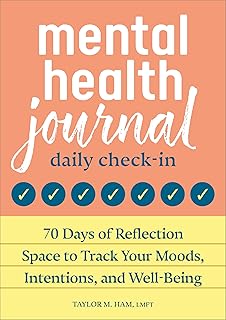


What You'll Learn
- Mindfulness and Meditation: Practices to enhance awareness and reduce stress through focused breathing and mental exercises
- Physical Activity: Engaging in exercise to boost mood, reduce anxiety, and improve overall mental well-being
- Healthy Eating: Consuming a balanced diet to support brain function and emotional health
- Sleep Hygiene: Establishing routines and habits to ensure restful and restorative sleep
- Social Connections: Building and maintaining relationships to foster support and reduce feelings of isolation

Mindfulness and Meditation: Practices to enhance awareness and reduce stress through focused breathing and mental exercises
Mindfulness and meditation are powerful tools in the realm of self-care for mental health. These practices are designed to enhance awareness and reduce stress by focusing on breathing and mental exercises. By cultivating a mindful state, individuals can better understand their thoughts and emotions, leading to improved mental well-being.
One effective way to begin a mindfulness practice is through focused breathing exercises. This involves taking slow, deep breaths while paying close attention to the sensation of the air entering and leaving the nostrils. When the mind wanders, as it inevitably will, the practitioner gently brings their attention back to the breath. This process helps to calm the mind and reduce stress levels.
In addition to breathing exercises, meditation can be a valuable component of a self-care routine. Meditation involves sitting comfortably with eyes closed and focusing on a specific object, thought, or activity to achieve a mentally clear and emotionally calm state. There are various forms of meditation, such as transcendental meditation, guided meditation, and loving-kindness meditation, each with its own unique benefits.
To incorporate mindfulness and meditation into daily life, it's essential to set aside dedicated time for these practices. Even a few minutes each day can make a significant difference in mental health. It's also helpful to find a quiet, comfortable space where one can practice without distractions.
In conclusion, mindfulness and meditation are effective practices for enhancing awareness and reducing stress. By focusing on breathing and mental exercises, individuals can cultivate a more mindful state, leading to improved mental well-being. These practices can be easily incorporated into daily life, making them a valuable addition to any self-care routine.
Championing Mental Wellness: A Guide to Effective Advocacy
You may want to see also
Explore related products






Physical Activity: Engaging in exercise to boost mood, reduce anxiety, and improve overall mental well-being
Regular physical activity is a powerful tool for enhancing mental health. Exercise has been shown to reduce symptoms of anxiety and depression, improve mood, and boost overall well-being. This is due in part to the release of endorphins, which are natural mood-lifters, as well as the reduction of stress hormones like cortisol.
One effective way to incorporate physical activity into a self-care routine is to aim for at least 30 minutes of moderate exercise most days of the week. This could include activities like brisk walking, cycling, swimming, or dancing. It's important to find an activity that you enjoy, as this will make it more likely that you'll stick with it.
In addition to the physical benefits, exercise can also provide mental health benefits by improving sleep quality, increasing energy levels, and enhancing cognitive function. Regular physical activity has even been shown to reduce the risk of developing certain mental health conditions, such as depression and anxiety disorders.
To get the most out of exercise for mental health, it's important to be consistent and to find activities that you enjoy. It can also be helpful to exercise with a friend or in a group, as this can provide social support and motivation. Remember, the goal is not to achieve a certain level of fitness, but rather to use physical activity as a tool for improving your mental well-being.
In conclusion, physical activity is a valuable component of self-care for mental health. By engaging in regular exercise, you can boost your mood, reduce anxiety, and improve your overall well-being. So why not lace up those sneakers and get moving today? Your mind (and body) will thank you.
Prioritizing Your Well-being: A Guide to Requesting a Mental Health Day
You may want to see also
Explore related products


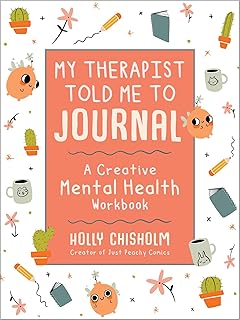

Healthy Eating: Consuming a balanced diet to support brain function and emotional health
The brain requires a constant supply of nutrients to function optimally, and a balanced diet plays a crucial role in supporting cognitive processes and emotional well-being. Consuming a variety of whole foods, including fruits, vegetables, whole grains, lean proteins, and healthy fats, provides the necessary building blocks for neurotransmitter production, energy metabolism, and cellular repair. For instance, omega-3 fatty acids found in fatty fish, flaxseeds, and walnuts are essential for brain health, as they contribute to the structure and function of brain cells.
In addition to supporting brain function, a balanced diet can also help regulate mood and reduce symptoms of mental health conditions such as depression and anxiety. Research has shown that a diet rich in whole foods and low in processed foods and added sugars can lead to improved mental health outcomes. This is likely due to the fact that a healthy diet helps to maintain stable blood sugar levels, reduce inflammation, and support the production of mood-regulating neurotransmitters such as serotonin and dopamine.
When it comes to specific dietary recommendations for mental health, it's important to focus on nutrient-dense foods that provide a range of vitamins, minerals, and antioxidants. For example, leafy green vegetables such as spinach and kale are rich in folate, which is essential for the production of serotonin and other neurotransmitters. Similarly, foods high in vitamin C, such as citrus fruits and bell peppers, can help to reduce oxidative stress and support the immune system.
It's also important to consider the role of hydration in mental health. Dehydration can lead to cognitive impairment, mood disturbances, and increased symptoms of anxiety and depression. Drinking plenty of water throughout the day can help to maintain optimal brain function and emotional well-being.
In conclusion, a balanced diet that includes a variety of whole foods, healthy fats, and adequate hydration is essential for supporting brain function and emotional health. By making informed dietary choices, individuals can take an important step towards improving their mental health and overall well-being.
Understanding the 1013 Crisis in Mental Health: A Comprehensive Guide
You may want to see also
Explore related products




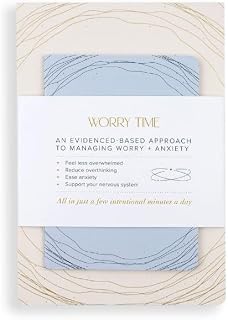

Sleep Hygiene: Establishing routines and habits to ensure restful and restorative sleep
Establishing a consistent sleep schedule is a fundamental aspect of sleep hygiene. This involves going to bed and waking up at the same time every day, including weekends. Such regularity helps to regulate the body's internal clock, improving the quality and duration of sleep. It's also important to create a bedtime routine that signals to the body that it's time to wind down. This could include activities like reading a book, taking a warm bath, or practicing relaxation techniques such as deep breathing or meditation.
The environment in which we sleep plays a crucial role in our sleep quality. A cool, dark, and quiet bedroom can significantly enhance sleep. Investing in a comfortable mattress and pillows can also make a difference. It's advisable to remove electronic devices from the bedroom, as the blue light they emit can interfere with the production of melatonin, the hormone responsible for inducing sleep. If complete removal isn't feasible, using blue light filtering glasses or apps can be a helpful alternative.
Physical activity during the day can improve sleep at night, but it's important to time it right. Vigorous exercise within a few hours of bedtime can be stimulating and may interfere with sleep. Instead, consider incorporating physical activity into your daily routine earlier in the day. Additionally, be mindful of food and drink intake close to bedtime. Heavy meals, caffeine, and alcohol can disrupt sleep patterns.
Managing stress is another key component of sleep hygiene. Chronic stress can lead to insomnia and other sleep disorders. Techniques such as cognitive behavioral therapy, mindfulness meditation, and yoga can be effective in reducing stress levels. It's also important to establish boundaries and prioritize tasks to avoid feeling overwhelmed.
Lastly, if sleep problems persist despite implementing these strategies, it may be necessary to seek professional help. A healthcare provider can offer further guidance and may recommend sleep studies or other diagnostic tests to identify underlying issues. Remember, good sleep hygiene is not a one-size-fits-all approach, and it may take some experimentation to find what works best for you.
Navigating Mental Health: The Essential Role of Case Management
You may want to see also
Explore related products


Social Connections: Building and maintaining relationships to foster support and reduce feelings of isolation
Human beings are inherently social creatures, and our mental well-being is deeply intertwined with the quality of our social connections. Building and maintaining relationships is a crucial aspect of self-care in mental health, as it fosters a sense of support, belonging, and reduces feelings of isolation. Research has consistently shown that strong social ties can have a significant positive impact on our emotional and psychological health, including reduced stress levels, improved mood, and increased resilience to adversity.
One effective way to build social connections is through joining community groups or clubs that align with your interests. This could be a book club, a sports team, a volunteer organization, or a hobby group. By participating in activities you enjoy, you're more likely to meet like-minded individuals and form meaningful connections. Additionally, attending social events, such as concerts, festivals, or art exhibitions, can provide opportunities to meet new people and expand your social circle.
Maintaining relationships requires effort and consistency. Regularly scheduling time to connect with friends and family, whether through phone calls, video chats, or in-person meetings, is essential for nurturing these bonds. It's also important to be present and engaged during these interactions, actively listening and sharing your thoughts and feelings. Practicing empathy and understanding can help deepen relationships and create a sense of mutual support.
In today's digital age, social media can also be a valuable tool for building and maintaining relationships. Online platforms can help you stay connected with friends and family who live far away, and they can also provide opportunities to meet new people who share your interests. However, it's important to use social media mindfully, avoiding excessive screen time and focusing on quality interactions rather than quantity.
Finally, it's essential to recognize that building and maintaining relationships is a two-way street. Being a good friend or family member requires not only receiving support but also being willing to offer it. By being there for others, we can strengthen our own sense of connection and purpose, which in turn can have a positive impact on our mental health and well-being.
Unveiling the Salary Potential for Mental Health Counselors
You may want to see also
Frequently asked questions
Self-care in mental health refers to the practices and activities individuals engage in to maintain and improve their mental well-being. This includes taking care of one's emotional, psychological, and social needs.
Self-care is crucial for mental health because it helps individuals manage stress, reduce the risk of mental health issues, and improve overall well-being. By prioritizing self-care, individuals can enhance their resilience and better cope with life's challenges.
Examples of self-care activities include exercise, meditation, spending time in nature, engaging in hobbies, maintaining a healthy diet, getting enough sleep, and seeking support from friends and family. These activities can help individuals relax, recharge, and maintain a positive outlook.
Self-care can be incorporated into daily life by setting aside time for activities that promote mental well-being. This might involve scheduling regular exercise sessions, practicing mindfulness or meditation, planning healthy meals, and ensuring adequate sleep. Additionally, individuals can prioritize social connections by reaching out to friends and family for support and companionship.