Ava Ramirez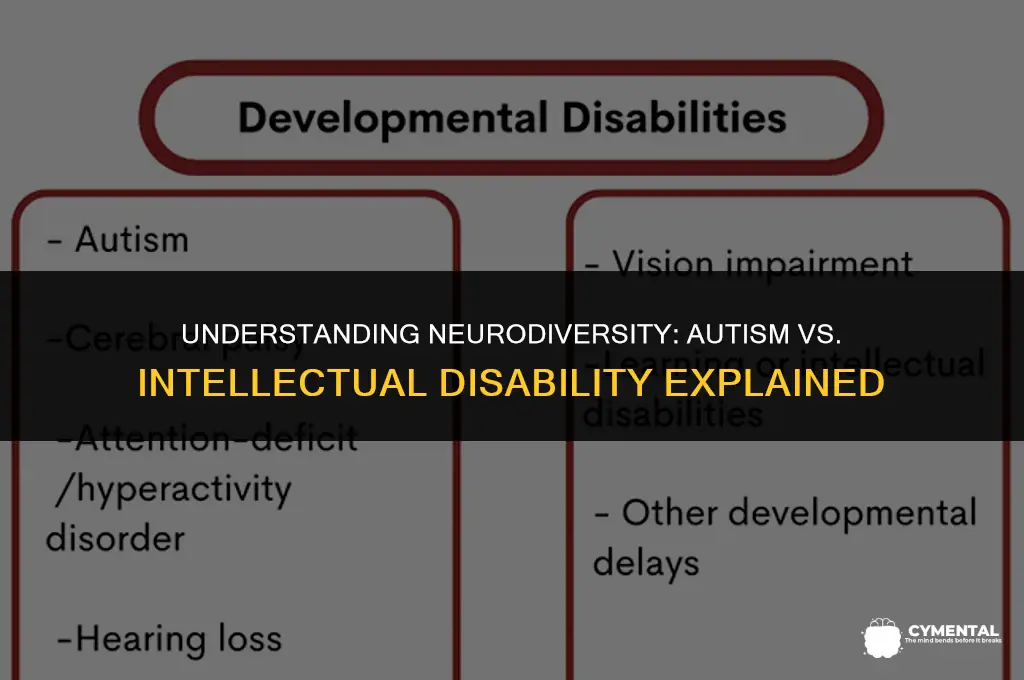
Autism and mental retardation are two distinct neurodevelopmental conditions that are often misunderstood and conflated. While both conditions can affect an individual's cognitive and social functioning, they have different underlying causes, symptoms, and trajectories. Autism, also known as autism spectrum disorder (ASD), is characterized by difficulties in social interaction, communication, and repetitive behaviors. It is a spectrum condition, meaning that it can manifest in a wide range of ways and with varying degrees of severity. Mental retardation, on the other hand, refers to a condition in which an individual's intellectual functioning is significantly below average, typically resulting in difficulties with learning, problem-solving, and adaptive behaviors. It is important to note that the term mental retardation is considered outdated and offensive by many, and has been largely replaced by the term intellectual disability. Understanding the differences between these conditions is crucial for providing appropriate support and interventions to individuals affected by them.
| Characteristics | Values |
|---|---|
| Definition | Autism: A neurodevelopmental disorder characterized by difficulties in social interaction, communication, and repetitive behaviors. Mental Retardation: A condition characterized by significantly below-average intellectual functioning and adaptive behaviors. |
| Causes | Autism: Exact causes are unknown, but may involve genetic and environmental factors. Mental Retardation: Can be caused by genetic conditions, brain injury, infections, or other factors affecting brain development. |
| Symptoms | Autism: Difficulty in social interaction, communication, repetitive behaviors, and sensory sensitivities. Mental Retardation: Below-average intellectual functioning, difficulty in learning, and adaptive behavior challenges. |
| Diagnosis | Autism: Typically diagnosed in early childhood through behavioral observations and assessments. Mental Retardation: Diagnosed through intelligence tests and assessments of adaptive behaviors. |
| Treatment | Autism: Behavioral therapies, speech therapy, and medications may be used. Mental Retardation: Supportive care, special education, and therapies to improve adaptive behaviors. |
| Prognosis | Autism: Outcomes vary, but many individuals can lead fulfilling lives with appropriate support. Mental Retardation: Prognosis depends on the severity and underlying causes, but supportive care can improve quality of life. |
Explore related products



What You'll Learn
- Definition and Diagnosis: Autism is a neurodevelopmental disorder characterized by social and communication difficulties. Mental retardation refers to intellectual disability
- Symptoms and Behaviors: Autistic individuals may display repetitive behaviors and have sensory sensitivities. Those with mental retardation may have difficulty with daily tasks
- Causes and Risk Factors: Autism's causes are complex, involving genetic and environmental factors. Mental retardation can result from various conditions affecting brain development
- Treatment and Support: Autism often involves behavioral therapies and educational interventions. Mental retardation support focuses on enhancing cognitive and life skills
- Prognosis and Outcomes: With appropriate support, individuals with autism can lead fulfilling lives. Outcomes for those with mental retardation vary based on the severity and underlying causes

Definition and Diagnosis: Autism is a neurodevelopmental disorder characterized by social and communication difficulties. Mental retardation refers to intellectual disability
Autism and mental retardation are two distinct neurodevelopmental conditions that are often misunderstood or conflated. Autism, also known as Autism Spectrum Disorder (ASD), is primarily characterized by difficulties in social interaction and communication. Individuals with autism may have trouble understanding social cues, engaging in conversations, or forming relationships. They may also exhibit repetitive behaviors or have a narrow range of interests. Autism is a spectrum disorder, meaning that it affects individuals to varying degrees and in different ways.
Mental retardation, on the other hand, refers to intellectual disability, which is characterized by a significant impairment in cognitive functioning. This can include difficulties with learning, problem-solving, and adaptive behaviors. Intellectual disability can be caused by a variety of factors, including genetic conditions, brain injuries, or infections. It is important to note that the term "mental retardation" is considered outdated and offensive; the preferred term is "intellectual disability."
Diagnosing autism typically involves a comprehensive evaluation by a team of professionals, including psychologists, psychiatrists, and speech therapists. The evaluation may include behavioral observations, interviews with parents and caregivers, and standardized assessments. Diagnosis is based on the presence of specific criteria outlined in the Diagnostic and Statistical Manual of Mental Disorders (DSM-5).
Diagnosing intellectual disability involves assessing an individual's cognitive functioning and adaptive behaviors. This may include standardized tests of intelligence, such as the Wechsler Adult Intelligence Scale (WAIS), as well as assessments of practical skills, such as the Vineland Adaptive Behavior Scales. A diagnosis of intellectual disability is typically made when an individual's cognitive functioning is significantly below average and when there are also difficulties with adaptive behaviors.
It is crucial to understand that autism and intellectual disability are not the same thing, although they can co-occur. Autism is primarily a disorder of social and communication functioning, while intellectual disability is a disorder of cognitive functioning. Proper diagnosis and understanding of these conditions are essential for providing appropriate support and interventions to individuals affected by them.
Unveiling Mental Abuse: A Guide for Divorce Proceedings
You may want to see also
Explore related products


Symptoms and Behaviors: Autistic individuals may display repetitive behaviors and have sensory sensitivities. Those with mental retardation may have difficulty with daily tasks
Autistic individuals often exhibit a range of repetitive behaviors, which can manifest as physical actions like hand flapping or rocking, or as more subtle patterns such as repeating phrases or following rigid routines. These behaviors can serve as a coping mechanism for dealing with sensory overload or anxiety. Sensory sensitivities are also common, with some individuals experiencing discomfort or pain from certain sounds, textures, tastes, or smells that others might find harmless. This hypersensitivity can lead to avoidance behaviors and social withdrawal.
In contrast, individuals with mental retardation may struggle with daily tasks that require cognitive abilities, such as problem-solving, memory, and learning. These challenges can affect their ability to perform routine activities independently, like dressing, feeding, or managing finances. The severity of these difficulties can vary widely, with some individuals requiring minimal support and others needing extensive assistance.
It's important to note that while these symptoms and behaviors can help differentiate between autism and mental retardation, they are not exclusive to either condition. Many individuals with autism also have cognitive impairments that could be classified as mental retardation, and vice versa. Additionally, both conditions can co-occur with other developmental disorders, further complicating the diagnostic picture.
When assessing an individual for these conditions, it's crucial to consider the full range of their abilities and challenges, rather than focusing solely on a single symptom or behavior. A comprehensive evaluation by a qualified professional can help ensure an accurate diagnosis and appropriate support.
In terms of treatment and support, interventions for autism often focus on behavioral therapies, such as Applied Behavior Analysis (ABA), which can help individuals develop social skills, reduce repetitive behaviors, and improve communication. For those with mental retardation, support may include special education, vocational training, and assistive technologies to help them achieve greater independence and quality of life.
Ultimately, understanding the differences between autism and mental retardation can help inform more effective approaches to diagnosis, treatment, and support for individuals with these conditions. By recognizing the unique challenges and strengths of each person, we can work towards creating more inclusive and supportive communities for all.
Embracing the Leap: Mental Preparation for Your Skydiving Adventure
You may want to see also
Explore related products





Causes and Risk Factors: Autism's causes are complex, involving genetic and environmental factors. Mental retardation can result from various conditions affecting brain development
Autism and mental retardation are two distinct neurodevelopmental conditions, each with its own set of causes and risk factors. While both conditions affect brain development and function, they have different underlying mechanisms and manifestations.
Autism, also known as autism spectrum disorder (ASD), is a complex condition characterized by difficulties in social interaction, communication, and repetitive behaviors. The causes of autism are multifaceted, involving a combination of genetic and environmental factors. Research has identified several genes that may contribute to the development of autism, including those involved in synaptic function, neuronal development, and immune response. Environmental factors such as prenatal exposure to certain chemicals, maternal infection during pregnancy, and advanced parental age have also been implicated as potential risk factors for autism.
Mental retardation, on the other hand, refers to a condition characterized by significantly below-average intellectual functioning and adaptive skills. It can result from various conditions that affect brain development, including genetic disorders, chromosomal abnormalities, and environmental factors. Some common causes of mental retardation include Down syndrome, fragile X syndrome, and phenylketonuria (PKU). Prenatal exposure to alcohol, drugs, or certain infections can also increase the risk of mental retardation.
One key difference between autism and mental retardation is that autism is primarily characterized by social and communication difficulties, while mental retardation is defined by intellectual impairment. Although some individuals with autism may also have intellectual disabilities, the two conditions are not synonymous. Additionally, the causes and risk factors for each condition differ, highlighting the importance of understanding the unique underlying mechanisms of each disorder.
In conclusion, while both autism and mental retardation are neurodevelopmental conditions that affect brain development and function, they have distinct causes, risk factors, and manifestations. Understanding these differences is crucial for accurate diagnosis, treatment, and support for individuals with these conditions.
Unraveling the Complexities of Mental Challenges: A Comprehensive Guide
You may want to see also
Explore related products




Treatment and Support: Autism often involves behavioral therapies and educational interventions. Mental retardation support focuses on enhancing cognitive and life skills
Individuals with autism spectrum disorder (ASD) often benefit from a range of behavioral therapies and educational interventions designed to improve communication, social skills, and adaptive behaviors. Applied Behavior Analysis (ABA) is one of the most widely recognized and effective approaches, focusing on breaking down complex tasks into smaller, manageable steps and reinforcing positive behaviors. Other therapies, such as speech and language therapy, occupational therapy, and sensory integration therapy, can also play crucial roles in supporting individuals with ASD. Educational interventions may include specialized teaching methods, assistive technologies, and individualized education plans (IEPs) that cater to the unique needs of each student.
In contrast, support for individuals with mental retardation, now more commonly referred to as intellectual disability, centers on enhancing cognitive abilities and life skills. This may involve cognitive-behavioral therapy to address specific learning challenges, as well as educational programs that focus on functional skills such as reading, writing, and basic mathematics. Vocational training and supported employment programs can help individuals with intellectual disabilities develop job skills and find meaningful work. Additionally, life skills training can teach essential daily living skills, such as personal care, household management, and financial literacy.
While both ASD and intellectual disability require tailored support, the approaches differ significantly. ASD interventions often emphasize behavioral modification and social skills development, whereas intellectual disability support tends to focus more on cognitive enhancement and practical life skills. It is important to note that each individual's needs are unique, and a comprehensive assessment by a multidisciplinary team of professionals is essential to develop an effective treatment and support plan.
Early intervention is critical for both conditions, as it can significantly impact long-term outcomes. For ASD, early behavioral interventions can help improve communication and social skills, potentially leading to better academic and social integration. For intellectual disability, early educational and cognitive interventions can help maximize developmental potential and improve overall quality of life.
In conclusion, while both autism and mental retardation require specialized treatment and support, the specific approaches and goals of these interventions differ. Understanding these differences is crucial for providing appropriate and effective care for individuals with these conditions.
Healing Minds: A Guide to Mental Recovery After a Car Accident
You may want to see also
Explore related products


Prognosis and Outcomes: With appropriate support, individuals with autism can lead fulfilling lives. Outcomes for those with mental retardation vary based on the severity and underlying causes
Individuals with autism can lead fulfilling lives with appropriate support. This support often includes behavioral therapies, educational interventions, and social skills training. With these resources, many people with autism can develop meaningful relationships, pursue careers, and live independently. However, outcomes can vary widely depending on factors such as the severity of symptoms, access to resources, and individual strengths and challenges.
In contrast, outcomes for individuals with mental retardation can be more variable and are often influenced by the underlying causes of the condition. For example, those with Down syndrome may have different life expectancies and health concerns compared to individuals with other genetic conditions or those whose mental retardation is caused by environmental factors. With proper medical care, educational support, and social services, many individuals with mental retardation can also lead fulfilling lives, but the specific outcomes can differ significantly from person to person.
It is important to note that both autism and mental retardation are complex conditions that require individualized approaches to support and care. By understanding the unique needs and challenges of each person, we can better help them achieve their full potential and lead satisfying lives.
Transform Your Life: Simple Steps to Positive Change
You may want to see also
Frequently asked questions
Autism is a developmental disorder characterized by difficulties in social interaction, communication, and repetitive behaviors. Mental retardation, now referred to as intellectual disability, is a condition marked by below-average intelligence and difficulties in adaptive functioning. While both conditions can affect learning and development, autism is primarily a social and communication disorder, whereas intellectual disability is primarily related to cognitive abilities.
Yes, it is possible for an individual to have both autism and intellectual disability. This co-occurrence is often referred to as "dual diagnosis." The presence of both conditions can significantly impact a person's daily functioning and may require specialized support and interventions to address their unique needs.
Autism is typically diagnosed through a combination of behavioral observations, developmental history, and sometimes genetic testing. Mental retardation, or intellectual disability, is diagnosed based on standardized intelligence tests and assessments of adaptive functioning. A comprehensive evaluation by a multidisciplinary team of professionals, including psychologists, psychiatrists, and developmental pediatricians, is essential for accurate diagnosis and appropriate treatment planning.