Ava Ramirez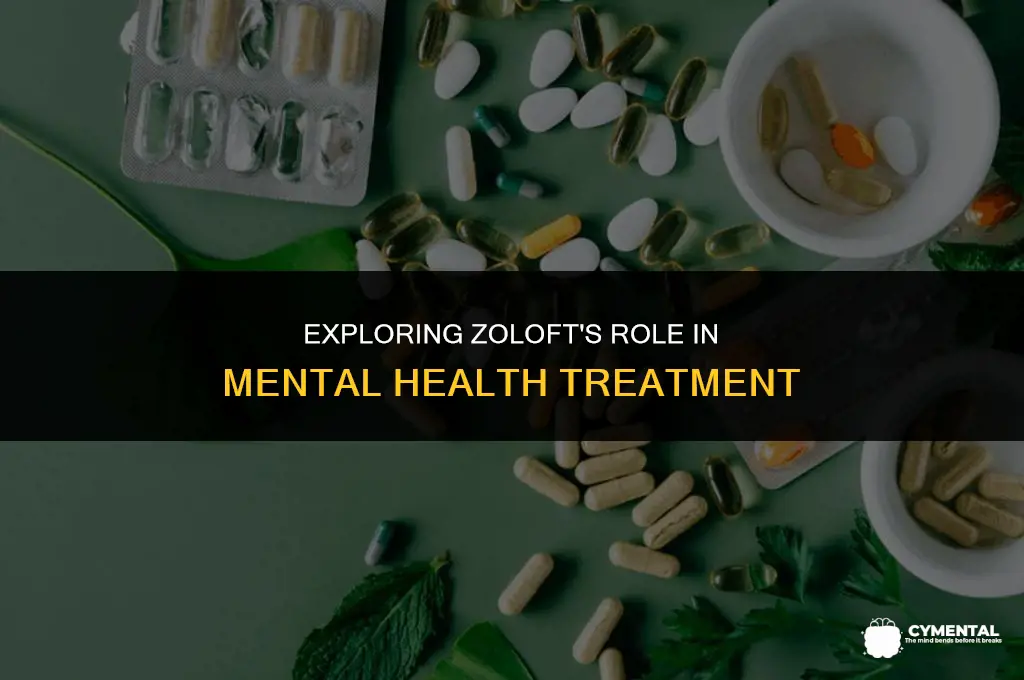
Zoloft, also known by its generic name sertraline, is a widely prescribed medication in the selective serotonin reuptake inhibitor (SSRI) class. It is primarily used to treat a range of mental health conditions, including major depressive disorder, obsessive-compulsive disorder, panic disorder, post-traumatic stress disorder, social anxiety disorder, and premenstrual dysphoric disorder. By increasing the levels of serotonin in the brain, Zoloft helps to improve mood, reduce anxiety, and alleviate symptoms associated with these conditions. It is often considered a first-line treatment option due to its effectiveness and relatively mild side effect profile.
Explore related products


What You'll Learn
- Depression Treatment: Zoloft is primarily prescribed to treat major depressive disorder in adults and adolescents
- Anxiety Disorders: It's used to manage symptoms of generalized anxiety disorder, social anxiety disorder, and panic disorder
- Obsessive-Compulsive Disorder (OCD): Zoloft helps reduce the frequency and severity of OCD symptoms
- Post-Traumatic Stress Disorder (PTSD): It can alleviate PTSD symptoms such as flashbacks, nightmares, and emotional instability
- Premenstrual Dysphoric Disorder (PMDD): Zoloft is effective in treating the emotional and physical symptoms associated with PMDD

Depression Treatment: Zoloft is primarily prescribed to treat major depressive disorder in adults and adolescents
Zoloft, known generically as sertraline, is a selective serotonin reuptake inhibitor (SSRI) commonly prescribed for the treatment of major depressive disorder (MDD) in adults and adolescents. It works by increasing the levels of serotonin, a neurotransmitter in the brain that helps regulate mood, appetite, and sleep. This medication is particularly effective in alleviating symptoms of depression such as persistent sadness, loss of interest in activities, changes in appetite, and difficulty concentrating.
The treatment process with Zoloft typically begins with a low dose, which is gradually increased over several weeks to reach the optimal therapeutic effect. For adults, the initial dose is often 50 mg per day, while for adolescents, it may start at 25 mg per day. The dosage can be adjusted based on the individual's response to the medication and any side effects they may experience. It is important for patients to follow their healthcare provider's instructions closely and to report any changes in their condition or any adverse effects promptly.
One of the key benefits of Zoloft is its relatively mild side effect profile compared to other antidepressants. Common side effects may include nausea, diarrhea, headache, and insomnia, but these are usually temporary and subside as the body adjusts to the medication. In some cases, patients may experience more serious side effects such as suicidal thoughts, especially in the initial stages of treatment or when the dose is changed. It is crucial for healthcare providers to monitor patients closely for any signs of worsening depression or suicidal ideation.
Zoloft is not only used for treating depression but also for other mental health conditions such as obsessive-compulsive disorder (OCD), panic disorder, and post-traumatic stress disorder (PTSD). Its versatility in treating various psychiatric disorders makes it a valuable tool in the field of mental health. However, it is essential to note that Zoloft should only be used under the guidance of a qualified healthcare professional, as it can interact with other medications and may not be suitable for everyone.
In conclusion, Zoloft is a widely prescribed antidepressant that has proven effective in treating major depressive disorder in adults and adolescents. By understanding how it works, the typical treatment process, potential side effects, and its uses beyond depression, patients and healthcare providers can make informed decisions about its use in managing mental health conditions.
Exploring Paths to Mental Health Counseling Without a Degree
You may want to see also
Explore related products




Anxiety Disorders: It's used to manage symptoms of generalized anxiety disorder, social anxiety disorder, and panic disorder
Zoloft, a widely recognized medication in the mental health community, plays a crucial role in managing various anxiety disorders. Specifically, it is prescribed to alleviate symptoms associated with generalized anxiety disorder (GAD), social anxiety disorder (SAD), and panic disorder. By targeting serotonin receptors in the brain, Zoloft helps to regulate mood and reduce the debilitating effects of these conditions.
In the case of generalized anxiety disorder, Zoloft is used to mitigate persistent and excessive worry that interferes with daily life. For individuals with social anxiety disorder, the medication can help reduce the intense fear and avoidance of social situations. Panic disorder, characterized by recurrent panic attacks, can also be effectively managed with Zoloft, as it helps to decrease the frequency and severity of these episodes.
When prescribed for anxiety disorders, Zoloft is typically started at a low dose and gradually increased to achieve the desired therapeutic effect. It is important for patients to follow their healthcare provider's instructions closely and to be aware of potential side effects, such as nausea, diarrhea, and changes in sleep patterns. Regular monitoring and follow-up appointments are essential to ensure the medication's efficacy and to address any concerns that may arise.
In addition to its use in managing anxiety disorders, Zoloft is also prescribed for other mental health conditions, such as depression and obsessive-compulsive disorder (OCD). Its versatility in treating various psychiatric conditions makes it a valuable tool in the mental health arsenal. However, it is crucial to note that Zoloft should only be used under the guidance of a qualified healthcare professional, as it can interact with other medications and may not be suitable for everyone.
In conclusion, Zoloft is a medication that has been proven effective in managing symptoms of generalized anxiety disorder, social anxiety disorder, and panic disorder. By working on serotonin receptors in the brain, it helps to regulate mood and reduce the impact of these conditions on daily life. When used as directed by a healthcare provider, Zoloft can be a valuable asset in the treatment of anxiety disorders and other mental health conditions.
Unraveling the Complexities of Britney Spears' Mental Health Struggles
You may want to see also
Explore related products

$18.99 $19.99


Obsessive-Compulsive Disorder (OCD): Zoloft helps reduce the frequency and severity of OCD symptoms
Obsessive-Compulsive Disorder (OCD) is a chronic mental health condition characterized by intrusive, unwanted thoughts (obsessions) and repetitive behaviors (compulsions). These symptoms can significantly interfere with daily life, causing distress and impairment in social, occupational, and other areas of functioning. Sertraline, commonly known by the brand name Zoloft, is a selective serotonin reuptake inhibitor (SSRI) that has been shown to be effective in reducing the frequency and severity of OCD symptoms.
Zoloft works by increasing the levels of serotonin, a neurotransmitter that plays a crucial role in regulating mood, behavior, and cognition. In individuals with OCD, serotonin levels are often lower than normal, which can contribute to the development of obsessive and compulsive behaviors. By restoring serotonin balance, Zoloft can help alleviate the symptoms of OCD and improve overall mental health.
Clinical studies have demonstrated that Zoloft is effective in treating OCD in both adults and children. In one study, adults with OCD who took Zoloft experienced a significant reduction in the frequency and severity of their symptoms compared to those who took a placebo. Similarly, in a study of children and adolescents with OCD, Zoloft was shown to be more effective than placebo in reducing symptoms and improving quality of life.
The recommended dosage of Zoloft for OCD typically ranges from 25 to 200 mg per day, depending on the individual's age, weight, and response to treatment. It is important to note that Zoloft should only be used under the guidance of a healthcare professional, as it can have side effects and may interact with other medications. Common side effects of Zoloft include nausea, diarrhea, headache, and insomnia.
In addition to medication, cognitive-behavioral therapy (CBT) is often used in conjunction with Zoloft to treat OCD. CBT is a form of psychotherapy that helps individuals identify and change negative thought patterns and behaviors. When used together, Zoloft and CBT can provide a comprehensive approach to managing OCD symptoms and improving overall mental health.
In conclusion, Zoloft is a valuable treatment option for individuals with OCD, as it can help reduce the frequency and severity of symptoms and improve quality of life. However, it is important to use Zoloft under the guidance of a healthcare professional and to consider combining it with CBT for optimal results.
Unlocking Hope: The Symbolic Power of Safety Pin Necklaces for Mental Health Awareness
You may want to see also
Explore related products


Post-Traumatic Stress Disorder (PTSD): It can alleviate PTSD symptoms such as flashbacks, nightmares, and emotional instability
Zoloft, a medication primarily known for its efficacy in treating depression, also plays a significant role in managing symptoms of Post-Traumatic Stress Disorder (PTSD). For individuals suffering from PTSD, Zoloft can help alleviate distressing symptoms such as flashbacks, nightmares, and emotional instability. These symptoms often stem from the brain's heightened state of alertness following a traumatic event, and Zoloft works by modulating the levels of serotonin, a neurotransmitter involved in mood regulation and stress response.
Clinical studies have demonstrated that Zoloft can reduce the frequency and intensity of flashbacks and nightmares in PTSD patients. By stabilizing serotonin levels, it helps to dampen the exaggerated startle response and hypervigilance that are characteristic of PTSD. This stabilization can lead to improved sleep quality and a reduction in anxiety levels, contributing to a better overall quality of life for those affected by the disorder.
In addition to its symptomatic benefits, Zoloft can also aid in the emotional processing of traumatic memories. By enhancing the brain's ability to regulate emotions, it can facilitate the therapeutic process, making it easier for individuals to confront and process their traumatic experiences in a controlled and constructive manner. This emotional regulation is crucial for long-term recovery from PTSD, as it enables individuals to reintegrate traumatic memories into their narrative without being overwhelmed by them.
It is important to note that while Zoloft can be highly effective in managing PTSD symptoms, it is typically used in conjunction with psychotherapy. Cognitive-behavioral therapy (CBT) and exposure therapy are often employed alongside medication to help individuals develop coping strategies and gradually expose themselves to trauma-related stimuli in a safe and controlled environment. This multimodal approach can lead to more robust and sustained improvements in PTSD symptoms.
As with any medication, Zoloft comes with potential side effects, including nausea, diarrhea, and changes in appetite or sleep patterns. It is crucial for individuals to consult with a healthcare professional to discuss the potential benefits and risks of Zoloft in the context of their specific situation. The dosage and duration of treatment will vary depending on individual needs and responses to the medication.
In conclusion, Zoloft can be a valuable tool in the treatment of PTSD, offering symptomatic relief and supporting the emotional processing of traumatic experiences. When used in combination with psychotherapy, it can help individuals regain control over their lives and move towards recovery from the debilitating effects of PTSD.
Empowering Voices: A Guide to Advocating for Mental Health
You may want to see also
Explore related products


Premenstrual Dysphoric Disorder (PMDD): Zoloft is effective in treating the emotional and physical symptoms associated with PMDD
Premenstrual Dysphoric Disorder (PMDD) is a condition that affects a woman's emotions, physical health, and behavior during certain days of the menstrual cycle, generally just before her period. The symptoms of PMDD can be severe and may include mood swings, irritability, anxiety, depression, and physical symptoms such as bloating, breast tenderness, and fatigue. These symptoms can significantly impact a woman's quality of life and daily functioning.
Zoloft, which is the brand name for the medication sertraline, is a selective serotonin reuptake inhibitor (SSRI) that has been found to be effective in treating the symptoms of PMDD. SSRIs work by increasing the levels of serotonin in the brain, which can help to improve mood and reduce anxiety and depression. In the case of PMDD, Zoloft can help to alleviate both the emotional and physical symptoms associated with the condition.
Studies have shown that Zoloft can be effective in reducing the severity of PMDD symptoms in many women. In one study, women who took Zoloft experienced a significant reduction in their PMDD symptoms compared to those who took a placebo. The medication was particularly effective in reducing mood swings, irritability, and anxiety.
Zoloft is typically taken daily, starting a few days before the onset of the menstrual cycle and continuing until the end of the cycle. The dosage may vary depending on the individual's symptoms and response to the medication. It is important to note that Zoloft, like all medications, can have side effects, which may include nausea, diarrhea, headache, and insomnia. Women who are considering taking Zoloft for PMDD should discuss the potential benefits and risks with their healthcare provider.
In conclusion, Zoloft can be a valuable treatment option for women who experience severe symptoms of PMDD. By helping to alleviate both the emotional and physical symptoms associated with the condition, Zoloft can improve a woman's quality of life and daily functioning. However, it is important to weigh the potential benefits and risks of the medication and to consult with a healthcare provider before starting any new treatment.
Journaling for Mental Health: Unlocking Your Inner Thoughts and Emotions
You may want to see also
Frequently asked questions
Zoloft, known generically as sertraline, is primarily used to treat depression, obsessive-compulsive disorder (OCD), panic disorder, post-traumatic stress disorder (PTSD), social anxiety disorder, and premenstrual dysphoric disorder (PMDD).
Zoloft works by increasing the levels of serotonin, a neurotransmitter in the brain that helps maintain mental balance. By doing so, it can help reduce symptoms of depression, anxiety, and other related conditions, improving overall mood and well-being.
Common side effects of Zoloft include nausea, diarrhea, headache, dry mouth, fatigue, and difficulty sleeping. It's important to note that side effects can vary from person to person, and not everyone will experience them. If side effects are severe or persistent, it's advisable to consult a healthcare provider.