Caleb Wright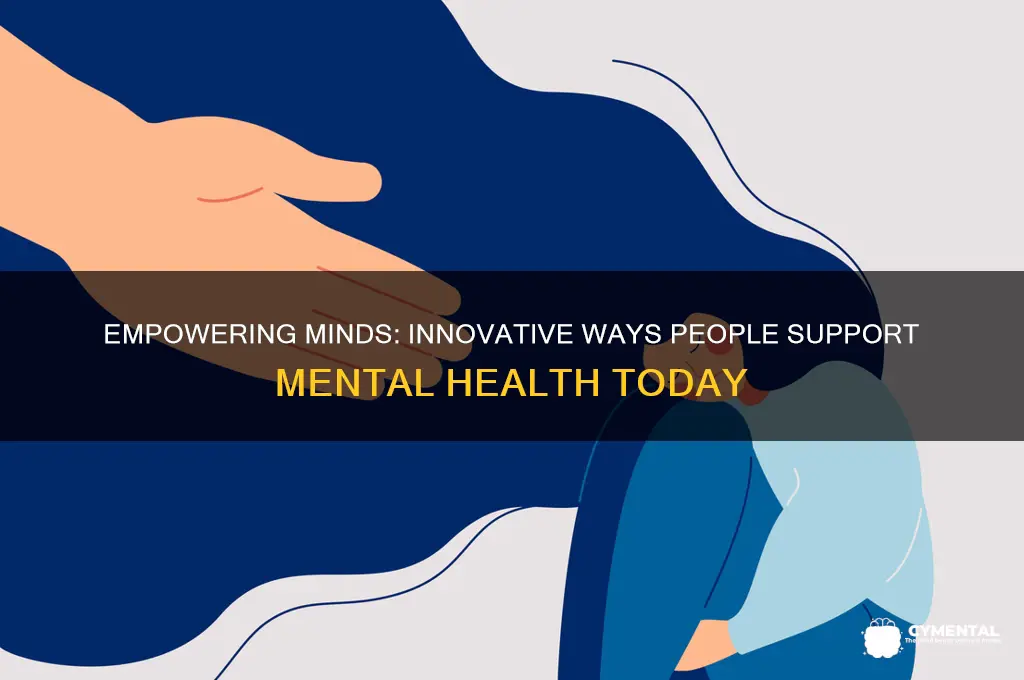
In recent years, there has been a significant shift in how society addresses mental health, with individuals, communities, and organizations taking proactive steps to support well-being. People are increasingly engaging in open conversations to reduce stigma, sharing personal experiences to foster understanding, and advocating for mental health awareness through social media campaigns and public events. Many are prioritizing self-care practices, such as mindfulness, exercise, and therapy, while others are volunteering or donating to mental health organizations. Employers are implementing workplace wellness programs, schools are integrating mental health education into curricula, and governments are investing in accessible mental health services. These collective efforts reflect a growing commitment to creating a more compassionate and supportive environment for those struggling with mental health challenges.
| Characteristics | Values |
|---|---|
| Awareness Campaigns | Global initiatives like World Mental Health Day, Bell Let’s Talk, and Time to Change raise awareness and reduce stigma. |
| Digital Mental Health Tools | Apps like Calm, Headspace, and BetterHelp provide accessible therapy, meditation, and counseling. |
| Community Support Groups | Local and online groups (e.g., NAMI, 7 Cups) offer peer support and resources. |
| Workplace Mental Health Programs | Companies implement Employee Assistance Programs (EAPs), mental health days, and wellness workshops. |
| School-Based Interventions | Programs like MindUP and Sources of Strength integrate mental health education into curricula. |
| Teletherapy and Online Counseling | Platforms like Talkspace and TherapyDen provide remote access to licensed therapists. |
| Policy and Advocacy | Organizations like Mental Health America advocate for policy changes and increased funding. |
| Crisis Hotlines and Text Lines | Services like the National Suicide Prevention Lifeline (988) and Crisis Text Line offer immediate support. |
| Mindfulness and Wellness Practices | Yoga, meditation, and mindfulness programs are increasingly integrated into healthcare and workplaces. |
| Research and Innovation | Investments in mental health research, such as the BRAIN Initiative, aim to improve treatments and understanding. |
| Stigma Reduction Efforts | Campaigns like "It’s OK to Not Be OK" encourage open conversations about mental health. |
| Integration with Physical Health | Healthcare providers are increasingly addressing mental health as part of holistic care. |
| Youth-Focused Initiatives | Programs like TeenMentalHealth.org target early intervention and education for young people. |
| Cultural Sensitivity | Tailored mental health services for diverse communities, addressing cultural barriers and needs. |
| Corporate Social Responsibility | Companies like Unilever and Google fund mental health initiatives as part of their CSR efforts. |
Explore related products


What You'll Learn
- Therapy & Counseling: Accessible, affordable mental health services, online platforms, and community-based support
- Awareness Campaigns: Reducing stigma through education, social media, and public events
- Workplace Initiatives: Mental health days, wellness programs, and stress management training
- Peer Support Groups: Community-driven spaces for sharing experiences and building connections
- Mindfulness & Wellness: Promoting meditation, exercise, and self-care practices for mental well-being

Therapy & Counseling: Accessible, affordable mental health services, online platforms, and community-based support
The digital age has revolutionized therapy, making mental health support more accessible than ever. Online platforms like BetterHelp, Talkspace, and 7 Cups connect individuals with licensed therapists through text, video, or voice chat, eliminating geographical barriers and offering flexible scheduling. These platforms often provide subscription-based models, with monthly fees ranging from $60 to $120, making therapy more affordable for those without insurance. For instance, BetterHelp’s tiered pricing includes unlimited messaging and weekly live sessions, while 7 Cups offers anonymous chat-based support starting at $150 per month. These options are particularly beneficial for individuals in rural areas, those with mobility challenges, or anyone seeking discreet, convenient care.
However, accessibility isn’t just about technology—it’s also about affordability and inclusivity. Community-based initiatives, such as sliding-scale clinics and nonprofit organizations, are bridging the gap for low-income individuals. For example, Open Path Psychotherapy Collective offers sessions for as little as $30–60 per session for those in financial need, while the National Alliance on Mental Illness (NAMI) provides free peer-led support groups nationwide. These programs often target specific demographics, such as veterans, LGBTQ+ individuals, or racial minorities, ensuring culturally competent care. Additionally, some universities and training institutions offer low-cost therapy sessions conducted by graduate students under professional supervision, providing quality care at a fraction of the cost.
While online therapy and community programs expand access, they aren’t without limitations. Digital platforms may lack the nuance of in-person interaction, and not all therapists on these platforms specialize in every mental health issue. Community-based services, though affordable, often have long waitlists due to high demand. To maximize the benefits of these resources, individuals should research therapists’ credentials, read reviews, and communicate their needs clearly. For example, if you’re dealing with trauma, seek a therapist trained in EMDR or cognitive processing therapy. Similarly, if affordability is a concern, inquire about sliding-scale options or financial assistance programs early in the process.
The rise of hybrid models—combining online therapy with community support—offers a promising solution. For instance, someone might use an app like Calm or Headspace for daily mindfulness exercises while attending a local NAMI support group for peer connection. This blended approach addresses both clinical and social aspects of mental health, fostering a holistic healing environment. Employers are also stepping in, with many now offering mental health benefits like subsidized therapy sessions or access to platforms like Lyra Health as part of employee wellness programs. These integrated strategies demonstrate how accessibility and affordability can be achieved through collaboration between technology, community, and institutional efforts.
Ultimately, the key to effective therapy and counseling lies in personalization and persistence. Whether through a smartphone app, a local clinic, or a combination of both, the goal is to find a support system that aligns with your unique needs and circumstances. Start by assessing your priorities: Do you need immediate, short-term help, or are you seeking long-term therapy? Are you comfortable with digital interactions, or do you prefer face-to-face meetings? By leveraging the diverse options available—from affordable online platforms to community-based initiatives—individuals can take proactive steps toward improving their mental health without being hindered by cost or location. The future of therapy is not one-size-fits-all; it’s about creating pathways that work for everyone.
Self-Defense: Empowering Mental Resilience and Confidence in Daily Life
You may want to see also
Explore related products


Awareness Campaigns: Reducing stigma through education, social media, and public events
Stigma remains a formidable barrier to mental health care, often preventing individuals from seeking help. Awareness campaigns, however, are dismantling this barrier by leveraging education, social media, and public events to foster understanding and empathy. These initiatives reframe mental health as a universal human experience, not a personal failing. For instance, the Time to Change campaign in the UK engaged over 500 organizations to promote open conversations, resulting in a 9.6% reduction in stigma among participants between 2009 and 2017. Such campaigns demonstrate that systemic change is possible when efforts are sustained and collaborative.
Education forms the backbone of these campaigns, targeting schools, workplaces, and communities to dispel myths and provide factual information. Programs like Mental Health First Aid train individuals to recognize signs of mental distress and offer initial support, much like physical first aid. In Australia, where this program originated, over 500,000 people have been trained, leading to increased help-seeking behaviors and reduced stigma. Implementing such programs requires partnerships with local institutions and a commitment to ongoing training, ensuring that knowledge translates into action.
Social media amplifies these efforts, turning awareness into a global movement. Hashtags like #MentalHealthAwareness and #EndTheStigma encourage personal stories and shared experiences, humanizing the issue and reaching millions. For example, the Bell Let’s Talk campaign in Canada donates 5 cents for every tweet using its hashtag, raising over $100 million for mental health initiatives since 2010. To maximize impact, campaigns should pair viral content with actionable resources, such as helpline numbers or self-care guides, ensuring engagement leads to tangible support.
Public events, from walks to workshops, bring awareness campaigns into physical spaces, fostering community and connection. Events like World Mental Health Day on October 10th unite people worldwide through rallies, seminars, and art installations. Locally, organizing a Mental Health Fair with free screenings, expert talks, and peer support booths can demystify mental health services and encourage attendance. Success hinges on inclusivity—ensuring events are accessible to all ages, cultures, and abilities—and follow-up resources to sustain momentum beyond the event.
While awareness campaigns are powerful, they must be part of a broader strategy. Education, social media, and public events can shift attitudes, but systemic changes in healthcare, policy, and workplace culture are equally critical. Campaigns should also address intersectionality, recognizing how stigma affects marginalized groups disproportionately. By combining grassroots efforts with institutional support, awareness campaigns can pave the way for a society where mental health is treated with the same urgency and compassion as physical health.
Isochronic Tones: Potential Benefits for Cognitive Enhancement in Mental Retardation
You may want to see also
Explore related products


Workplace Initiatives: Mental health days, wellness programs, and stress management training
Workplaces are increasingly recognizing the impact of mental health on productivity, employee retention, and overall organizational culture. One of the most visible initiatives is the introduction of mental health days, which allow employees to take time off specifically for their mental well-being without the stigma of traditional sick leave. Unlike regular vacation days, these are framed as a proactive measure, encouraging employees to prioritize self-care before burnout occurs. Companies like LinkedIn and Hootsuite have led the way, offering paid mental health days as part of their benefits packages. This shift acknowledges that mental health is as valid a reason for absence as physical illness, fostering a culture of openness and support.
While mental health days address immediate needs, wellness programs take a more holistic, long-term approach. These programs often include activities like yoga classes, mindfulness workshops, access to fitness centers, and nutritional counseling. For instance, Google’s *GFit* program offers employees fitness trackers, wellness challenges, and on-site gyms, while Salesforce provides meditation rooms and mental health apps like Headspace. Such programs not only reduce stress but also improve employee engagement and satisfaction. However, their success hinges on accessibility and inclusivity—ensuring all employees, regardless of role or location, can participate. Companies must also avoid treating these programs as optional perks, instead embedding them into the core of their workplace culture.
Stress management training is another critical initiative, equipping employees with tools to handle workplace pressures effectively. These programs often include workshops on time management, emotional intelligence, and cognitive-behavioral techniques. For example, Deloitte offers *Resilience@Work*, a program that teaches employees to recognize stress triggers and develop coping strategies. Similarly, Microsoft provides training on *Growth Mindset*, helping employees reframe challenges as opportunities rather than threats. Such training is particularly valuable in high-pressure industries like tech and finance, where burnout rates are high. However, it’s essential to pair these programs with systemic changes, such as realistic deadlines and clear communication, to address root causes of stress.
The effectiveness of these initiatives depends on leadership buy-in and consistent implementation. For instance, mental health days lose their impact if employees fear judgment or career repercussions for using them. Wellness programs must be tailored to diverse needs—a one-size-fits-all approach risks alienating certain groups. Stress management training, while valuable, should not absolve employers from creating healthier work environments. Companies like Buffer, which conducts anonymous mental health surveys, demonstrate how data-driven insights can refine these initiatives. Ultimately, the goal is not just to offer these programs but to integrate them into a workplace ethos that genuinely values mental health.
Running's Transformative Power: Physical, Social, and Mental Benefits Unveiled
You may want to see also
Explore related products


Peer Support Groups: Community-driven spaces for sharing experiences and building connections
Peer support groups are emerging as vital community-driven spaces where individuals facing mental health challenges can share experiences, build connections, and foster mutual understanding. Unlike clinical settings, these groups prioritize lived experience, creating an environment where participants feel seen, heard, and validated. For example, organizations like the National Alliance on Mental Illness (NAMI) offer peer-led programs such as Connection Recovery Support Groups, where adults aged 18 and older meet weekly to discuss their journeys with mental health. These groups are free, confidential, and led by trained peers who have navigated similar struggles, ensuring a safe and empathetic space.
To start or join a peer support group, consider these practical steps: first, identify local or online resources through platforms like Meetup, Facebook groups, or mental health organizations. Second, assess the group’s structure—some are open to all, while others focus on specific demographics (e.g., LGBTQ+ individuals, veterans, or young adults). Third, prepare to actively participate by sharing your story and listening to others; the power of these groups lies in reciprocity. For instance, a study published in *Psychiatric Services* found that participants in peer-led groups reported reduced feelings of isolation and increased coping skills after just 8 weeks of consistent attendance.
While peer support groups are not a replacement for professional therapy, they complement traditional treatment by addressing the social and emotional voids often left unfilled. A key caution is to ensure the group is facilitated by trained peers or professionals to maintain boundaries and prevent retraumatization. For example, groups like Hearing Voices Network focus on creating non-judgmental spaces for individuals experiencing auditory hallucinations, emphasizing acceptance over pathology. This approach highlights the importance of tailoring peer support to specific needs while maintaining a universal ethos of empathy.
The impact of peer support groups extends beyond individual healing to community resilience. In marginalized communities, these groups often serve as lifelines, addressing systemic barriers to mental health care. For instance, the Black Mental Health Alliance offers peer-led circles that integrate cultural understanding into discussions, fostering a sense of belonging. Similarly, groups for teens, such as those facilitated by Active Minds, provide age-appropriate spaces where young people can discuss pressures like academic stress and social media anxiety. By embedding peer support within cultural and developmental contexts, these initiatives amplify their effectiveness.
In conclusion, peer support groups are transformative spaces that harness the power of shared experience to combat mental health stigma and isolation. Their success lies in their simplicity: by creating platforms for authentic connection, they remind participants that they are not alone. Whether in-person or virtual, these groups offer a unique blend of emotional support and practical coping strategies, making them an indispensable tool in the mental health toolkit. To maximize their benefits, seek out groups aligned with your identity or struggles, commit to regular attendance, and embrace both giving and receiving support. After all, in the journey toward mental wellness, collective strength often proves as vital as individual resilience.
Recognizing Signs Your Child Needs Mental Health Support: A Parent's Guide
You may want to see also
Explore related products



Mindfulness & Wellness: Promoting meditation, exercise, and self-care practices for mental well-being
Meditation isn’t just a buzzword—it’s a scientifically backed tool for rewiring the brain. Studies show that consistent practice, even as little as 10 minutes daily, can reduce symptoms of anxiety and depression by altering neural pathways associated with stress. Apps like Headspace and Calm have democratized access, offering guided sessions tailored to beginners and seasoned practitioners alike. But mindfulness isn’t confined to sitting still; it’s about cultivating present-moment awareness, whether through mindful eating, walking, or even brushing your teeth. The key is consistency—treat it like a mental hygiene routine, not a sporadic hobby.
Exercise isn’t just for physical health; it’s a potent antidepressant. Research indicates that 30 minutes of moderate-intensity activity, such as brisk walking or cycling, three to five times a week, can significantly boost mood by releasing endorphins and reducing cortisol levels. For those who find traditional workouts daunting, dance, yoga, or even gardening can be equally effective. The social aspect matters too—group activities like team sports or fitness classes combat isolation, a common trigger for mental health struggles. Start small, listen to your body, and remember: movement is medicine, not punishment.
Self-care isn’t selfish—it’s survival. In a culture that glorifies burnout, carving out time for activities that recharge you is revolutionary. This could mean a 20-minute digital detox, a warm bath with Epsom salts, or journaling before bed. For parents, caregivers, or overworked professionals, micro-self-care practices like deep breathing exercises or a five-minute stretch break can be lifesavers. The goal is to prioritize your needs without guilt, recognizing that you can’t pour from an empty cup. Tailor your self-care to your love languages—what fills you up emotionally and energetically?
Combining mindfulness, exercise, and self-care creates a holistic framework for mental well-being. For instance, a morning routine might include 10 minutes of meditation, a 20-minute walk, and five minutes of gratitude journaling. This trifecta addresses stress reduction, physical health, and emotional resilience simultaneously. However, it’s crucial to avoid the trap of perfectionism—missed days or imperfect practices don’t negate progress. The real challenge is integrating these habits into daily life, not achieving flawlessness. Start where you are, use what you have, and do what you can—your mental health is worth the effort.
Boost Mental Health: The Power of Taking Regular Breaks
You may want to see also
Frequently asked questions
Community-based initiatives include peer support groups, mental health awareness campaigns, and local workshops focused on stress management, mindfulness, and emotional well-being. Organizations like NAMI (National Alliance on Mental Illness) also offer education and support at the community level.
Schools are implementing mental health programs, such as counseling services, mindfulness activities, and anti-bullying campaigns. Many also integrate mental health education into curricula and train staff to recognize signs of distress in students.
Employers are increasingly offering mental health resources, such as Employee Assistance Programs (EAPs), access to therapy, flexible work schedules, and stress reduction workshops. Some companies also promote mental health awareness through training and stigma-reduction campaigns.
Mental health apps like Calm, Headspace, and BetterHelp provide accessible tools for meditation, therapy, and mood tracking. Telehealth platforms also connect individuals with mental health professionals remotely, making care more convenient.
Governments are investing in mental health infrastructure, increasing funding for research, and implementing policies to reduce stigma. Many countries are also expanding access to mental health care through public health programs and insurance coverage.


![Nekteck Shiatsu Foot Massager with Heat [2026 Upgraded], Valentines Day Gifts for Him Her Relaxation Tools, FSA Eligible Deep Kneading Therapy Air Compression, HSA Feet Massage for Plantar Fasciitis](https://m.media-amazon.com/images/I/81lu0+xiXEL._AC_UL320_.jpg)