Noah Parker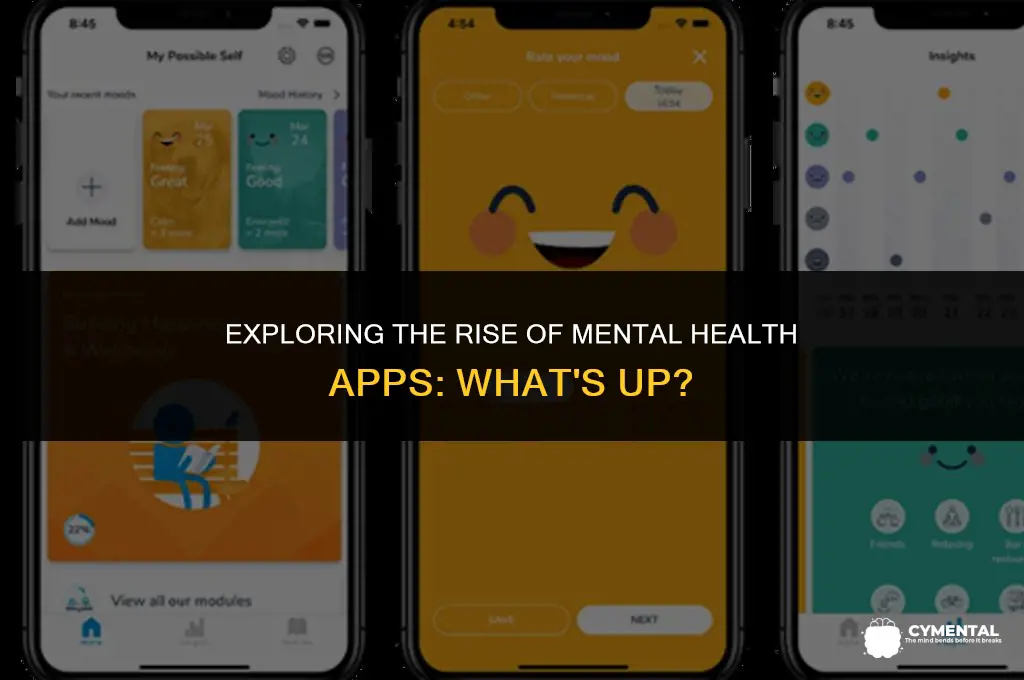
The What's Up mental health app is a comprehensive digital tool designed to support users in managing their mental well-being. This innovative application combines various features such as mood tracking, guided meditations, and cognitive-behavioral therapy exercises to help individuals monitor and improve their mental health. By providing a user-friendly interface and accessible resources, the app aims to empower users to take proactive steps towards achieving a balanced and healthy mindset. Whether you're seeking to reduce stress, manage anxiety, or simply enhance your overall emotional resilience, the What's Up app offers a convenient and effective solution right at your fingertips.
Explore related products



What You'll Learn
- Mood Tracking: Monitor and record daily emotions to identify patterns and triggers
- Meditation Guides: Access to various meditation sessions tailored for stress, anxiety, and sleep
- Cognitive Behavioral Therapy (CBT): Interactive modules and exercises based on CBT principles to manage negative thoughts
- Social Support: Connect with a community or support groups for shared experiences and encouragement
- Personalized Recommendations: AI-driven suggestions for activities, resources, and professional help based on user input

Mood Tracking: Monitor and record daily emotions to identify patterns and triggers
Mood tracking is a powerful tool for understanding and managing mental health. By monitoring and recording daily emotions, individuals can identify patterns and triggers that may be contributing to their mental health challenges. This process involves keeping a detailed record of emotions, thoughts, and experiences over time, which can then be analyzed to reveal insights into one's mental health.
One effective method for mood tracking is through the use of a mental health app. These apps often provide a user-friendly interface for recording emotions, thoughts, and experiences, and may also offer features such as mood charts, graphs, and reminders to help users stay consistent with their tracking. Some apps even use artificial intelligence to analyze the data and provide personalized insights and recommendations.
To get started with mood tracking, individuals can follow these steps:
- Choose a mental health app that offers mood tracking features.
- Set aside a few minutes each day to record emotions, thoughts, and experiences.
- Be honest and detailed in the entries, as this will help to provide a more accurate picture of mental health.
- Review the data regularly to identify patterns and triggers.
- Use the insights gained from mood tracking to make positive changes to daily routines and behaviors.
It's important to note that mood tracking is not a substitute for professional mental health care. However, it can be a valuable tool for individuals looking to take a more active role in managing their mental health. By providing a better understanding of emotions and triggers, mood tracking can help individuals to make informed decisions about their mental health care and to work more effectively with mental health professionals.
Exploring UMR's Mental Health Coverage: What You Need to Know
You may want to see also
Explore related products


Meditation Guides: Access to various meditation sessions tailored for stress, anxiety, and sleep
One unique angle to consider is the incorporation of gamification elements into these meditation guides. Some apps, like Insight Timer, use gamification to motivate users to maintain a consistent meditation practice. This can include features like streaks, badges, and rewards for completing meditation sessions. Such elements can make the experience more engaging and encourage users to commit to their mental health routine.
Another important aspect is the personalization of meditation sessions. Apps that use AI and machine learning can tailor meditation guides based on user preferences, progress, and specific mental health goals. For example, an app might recommend a particular meditation session based on the user's mood or stress levels, which can be tracked through regular check-ins or biometric data.
It's also worth noting the role of community and social features in enhancing the meditation experience. Some mental health apps allow users to connect with others who are also practicing meditation, creating a sense of community and support. This can include features like group meditation sessions, discussion forums, and the ability to share progress and experiences with others.
In conclusion, Meditation Guides: Access to various meditation sessions tailored for stress, anxiety, and sleep is a vital component of mental health apps. By incorporating gamification, personalization, and community features, these apps can provide a more engaging and effective meditation experience, helping users to better manage their mental well-being.
Understanding Aetna's Inpatient Mental Health Coverage: A Comprehensive Guide
You may want to see also
Explore related products


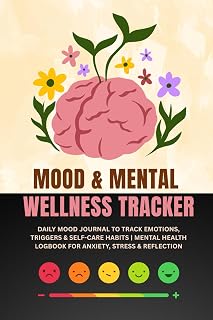


Cognitive Behavioral Therapy (CBT): Interactive modules and exercises based on CBT principles to manage negative thoughts
Cognitive Behavioral Therapy (CBT) is a cornerstone of mental health treatment, and its principles have been effectively integrated into various digital platforms, including mental health apps. These apps often feature interactive modules and exercises designed to help users manage negative thoughts and improve their overall mental well-being. By leveraging CBT techniques, these digital tools provide accessible and convenient support for individuals seeking to address their mental health concerns.
One of the key features of CBT-based mental health apps is the use of interactive modules. These modules typically include educational content, such as videos, articles, or infographics, that explain the fundamentals of CBT and how it can be applied to manage negative thoughts. Users can engage with this content at their own pace, allowing them to develop a deeper understanding of the therapeutic techniques and how they can be incorporated into their daily lives.
In addition to educational modules, CBT-based mental health apps often offer a variety of exercises and activities designed to help users practice and reinforce the skills they have learned. These exercises may include cognitive restructuring tasks, where users are prompted to identify and challenge negative thought patterns, or behavioral activation exercises, which encourage users to engage in activities that promote positive emotions and reduce stress. By providing these interactive tools, mental health apps empower users to take an active role in their treatment and make meaningful changes to their thought processes and behaviors.
Moreover, many CBT-based mental health apps incorporate features that allow users to track their progress and monitor their mental health over time. This may include mood tracking tools, where users can record their emotions and identify patterns or triggers, or goal-setting features, which help users establish and work towards specific mental health objectives. By offering these tracking and monitoring capabilities, mental health apps provide users with valuable insights into their mental well-being and enable them to make data-driven decisions about their treatment.
Overall, the integration of CBT principles into mental health apps has revolutionized the way individuals access and engage with mental health support. By offering interactive modules, exercises, and tracking features, these digital tools provide a comprehensive and user-friendly approach to managing negative thoughts and improving mental well-being. As the field of digital mental health continues to evolve, CBT-based apps are likely to remain a vital resource for individuals seeking accessible and effective mental health care.
Exploring the Intersection of Mental Health and Sociology
You may want to see also
Explore related products


Social Support: Connect with a community or support groups for shared experiences and encouragement
Connecting with a community or support groups can be a powerful tool in managing mental health. Social support provides a sense of belonging, understanding, and encouragement, which can significantly impact one's emotional well-being. In the context of a mental health app, this feature could be particularly beneficial, as it allows users to access support from the comfort of their own homes.
One unique angle to consider is the use of gamification within these support groups. By incorporating game-like elements, such as points, badges, or challenges, users can be motivated to engage more actively with the community. This can help to build a sense of camaraderie and friendly competition, encouraging users to support one another and share their experiences.
Another important aspect to focus on is the moderation of these groups. It is crucial to ensure that the discussions remain respectful, supportive, and free from harmful content. This can be achieved through the use of AI-powered moderation tools, as well as human moderators who can intervene when necessary. By maintaining a safe and positive environment, users can feel more comfortable sharing their thoughts and feelings.
In addition to online support groups, the app could also provide resources for finding in-person support. This could include a directory of local mental health organizations, support groups, or therapists. By offering both online and offline resources, the app can cater to a wider range of users and provide more comprehensive support.
Finally, it is important to consider the potential risks associated with online support groups. While these communities can be incredibly helpful, they can also be a source of misinformation or harmful advice. It is essential to educate users about the importance of verifying information and seeking professional help when needed. By doing so, the app can promote responsible use of its social support features and ensure that users are able to benefit from them in a safe and healthy way.
Exploring Medishare's Mental Health Coverage: What You Need to Know
You may want to see also
Explore related products


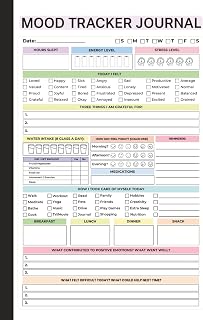


Personalized Recommendations: AI-driven suggestions for activities, resources, and professional help based on user input
AI-driven personalized recommendations are revolutionizing the way mental health apps engage with users. By leveraging machine learning algorithms, these apps can analyze user input—such as mood logs, activity levels, and sleep patterns—to provide tailored suggestions for activities, resources, and professional help. This approach not only enhances user engagement but also ensures that the support provided is relevant and effective.
For instance, a user who logs consistent feelings of anxiety might receive recommendations for mindfulness exercises, cognitive-behavioral therapy resources, or even a referral to a therapist specializing in anxiety disorders. Similarly, a user who tracks poor sleep quality could be suggested sleep hygiene techniques, relaxation exercises, or sleep disorder screening tools. The key advantage of AI-driven recommendations is their ability to adapt to the user's unique needs and preferences over time, continuously refining the support provided.
Implementing such a system requires a robust data collection and analysis framework. Apps must ensure that user data is collected ethically and securely, with clear consent and privacy protections in place. The AI algorithms used should be trained on diverse datasets to avoid biases and should be regularly audited to ensure they are functioning as intended. Additionally, it's crucial to provide users with transparency into how their data is being used and the ability to opt-out of data sharing if they choose.
Despite these challenges, the potential benefits of AI-driven personalized recommendations in mental health apps are significant. They can help bridge the gap between users and mental health professionals, providing timely and accessible support that can improve mental health outcomes. As AI technology continues to advance, we can expect these recommendations to become even more sophisticated, incorporating additional data sources such as biometric readings and social media activity to provide a more comprehensive picture of the user's mental health.
In conclusion, AI-driven personalized recommendations represent a promising frontier in mental health app development. By harnessing the power of AI, these apps can deliver more effective, engaging, and user-centric support, ultimately contributing to better mental health outcomes for their users.
Exploring Therapy: Understanding Outpatient Mental Health Services
You may want to see also
Frequently asked questions
The 'What's Up' app is designed to help users manage their mental health by providing tools for tracking moods, identifying triggers, and offering coping strategies.
Users can log their daily moods and emotions, which the app then charts over time. This helps users identify patterns and potential triggers for their emotional states.
The app provides a variety of coping strategies, including mindfulness exercises, breathing techniques, and positive affirmations. It also offers resources for professional help and support groups.
The app is generally suitable for all ages, but it is recommended for individuals aged 13 and above. Younger users should consult with a parent or guardian before using the app.