Caleb Wright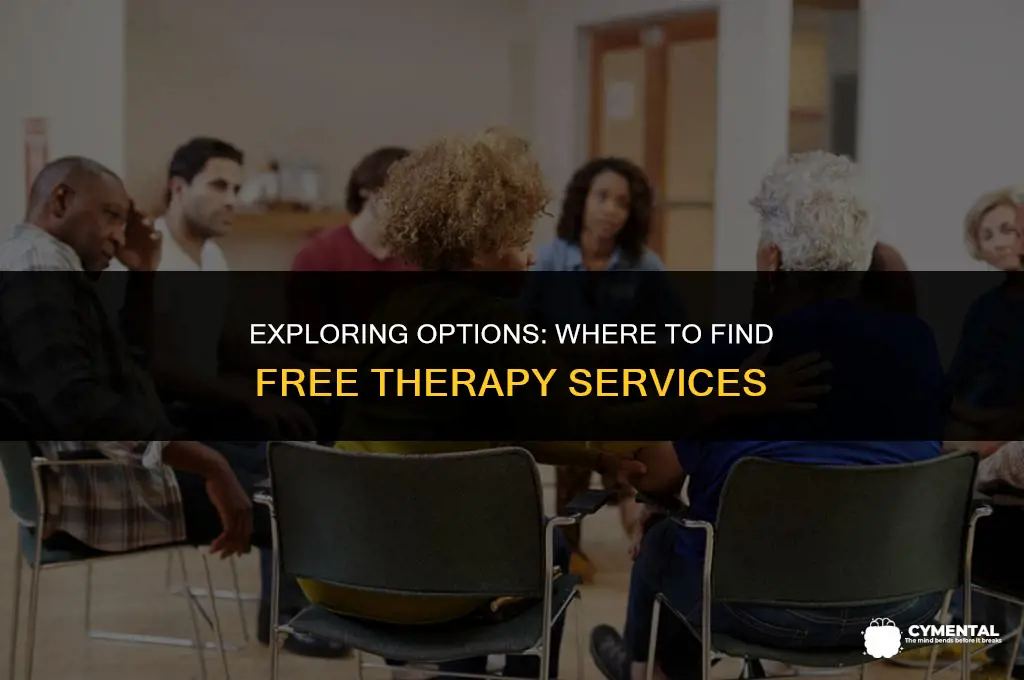
Access to free therapy can be a crucial resource for individuals seeking mental health support. Many organizations and platforms offer complimentary counseling services, making it possible for those in need to receive professional help without financial barriers. Some avenues to explore include community health centers, non-profit organizations, online platforms, and support groups. These resources often provide a range of therapeutic approaches, from cognitive-behavioral therapy to mindfulness-based interventions. By leveraging these free services, individuals can take significant steps towards improving their mental well-being and addressing various psychological challenges.
Explore related products


What You'll Learn
- Online Platforms: Websites and apps offering free mental health resources and therapy sessions
- Community Centers: Local organizations providing free or low-cost therapy services to community members
- University Clinics: Training centers at universities offering free therapy sessions with graduate students
- Support Groups: Peer-led groups focusing on specific issues, providing a supportive environment for sharing
- Non-Profit Organizations: Charities and non-profits dedicated to mental health, offering free therapy services

Online Platforms: Websites and apps offering free mental health resources and therapy sessions
Online platforms have revolutionized the accessibility of mental health resources, providing a wealth of free therapy options at your fingertips. Websites and apps dedicated to mental wellness offer a range of services, from self-guided meditation and mindfulness exercises to live chat sessions with licensed therapists. These platforms often cater to various age groups and provide resources in multiple languages, ensuring a broad reach.
One notable advantage of online platforms is their flexibility. Users can access therapy sessions from the comfort of their own homes, eliminating the need for travel and reducing potential barriers such as mobility issues or lack of transportation. Additionally, many online platforms operate on a 24/7 basis, allowing individuals to seek support at any time that suits them best.
However, it's essential to approach online therapy with caution. While many platforms employ qualified professionals, the lack of face-to-face interaction can sometimes hinder the therapeutic process. It's crucial to research the platform thoroughly, read reviews, and ensure that the therapists are licensed and experienced in dealing with your specific concerns.
Some popular online platforms offering free mental health resources include BetterHelp, Talkspace, and 7 Cups. These platforms typically provide a range of communication options, such as messaging, video calls, and phone calls, allowing users to choose the method that feels most comfortable for them.
In conclusion, online platforms can be a valuable resource for those seeking free therapy. They offer flexibility, accessibility, and a wide range of services. However, it's important to be discerning and ensure that the platform and therapist are a good fit for your individual needs.
Navigating Mental Health Evaluations: A Compassionate Guide for Concerned Loved Ones
You may want to see also
Explore related products


Community Centers: Local organizations providing free or low-cost therapy services to community members
Community centers often serve as vital hubs for mental health support, offering free or low-cost therapy services to local residents. These organizations recognize the importance of accessible mental healthcare and strive to bridge the gap for those who may not be able to afford private therapy sessions. By providing a safe and welcoming environment, community centers help to reduce the stigma associated with seeking mental health treatment and encourage individuals to take the first step towards healing.
One of the key benefits of community centers is their ability to cater to a diverse range of needs. Many centers offer specialized therapy programs for specific populations, such as children, adolescents, seniors, or individuals with particular mental health conditions. This tailored approach ensures that clients receive the most effective treatment possible, addressing their unique challenges and circumstances. Additionally, community centers often provide group therapy sessions, which can be particularly beneficial for those who find strength and support in sharing their experiences with others.
To access free or low-cost therapy services at a community center, individuals typically need to meet certain eligibility criteria. These may include income level, residency status, or specific mental health needs. It is important to research local community centers to determine their eligibility requirements and the types of therapy services they offer. Some centers may also provide sliding scale fees, allowing clients to pay what they can afford based on their financial situation.
In addition to therapy services, community centers often offer a range of other resources and support programs. These may include educational workshops, support groups, and referrals to other mental health professionals or services. By providing a comprehensive approach to mental wellness, community centers empower individuals to take control of their mental health and well-being.
Overall, community centers play a crucial role in promoting mental health and providing accessible therapy services to those in need. Their commitment to serving the community and addressing the unique needs of their clients makes them an invaluable resource for individuals seeking support and healing.
Prioritizing Your Well-being: How to Get Time Off Work for Mental Health
You may want to see also


University Clinics: Training centers at universities offering free therapy sessions with graduate students
University clinics serve as invaluable resources for individuals seeking free therapy sessions. These clinics are typically affiliated with graduate programs in psychology, counseling, or social work, and they provide a platform for graduate students to gain practical experience under the supervision of licensed professionals. This symbiotic relationship allows students to hone their therapeutic skills while offering affordable mental health services to the community.
One of the primary benefits of university clinics is the accessibility they provide. Many of these clinics operate on a sliding scale fee basis, which means that the cost of therapy is adjusted according to the client's income level. In some cases, individuals who cannot afford to pay may be able to receive therapy at no cost. This financial flexibility makes university clinics an attractive option for those who might otherwise be unable to access mental health care due to financial constraints.
In addition to financial accessibility, university clinics often offer a diverse range of therapeutic approaches and specialties. Graduate students typically come from various backgrounds and have different areas of interest, which means that clients can often find therapists who are knowledgeable about their specific concerns or issues. Furthermore, because these clinics are part of academic institutions, they are often at the forefront of research and innovation in the field of mental health, which can translate into cutting-edge treatment options for clients.
However, it is important to note that there may be some limitations to the services provided by university clinics. For example, the availability of therapy sessions may be limited by the academic calendar, and there may be longer wait times for appointments due to the high demand for services. Additionally, because therapists are typically graduate students, they may not have the same level of experience as licensed professionals in private practice. Nevertheless, these limitations are often outweighed by the benefits of accessibility, affordability, and the opportunity to work with therapists who are passionate about their work and committed to providing high-quality care.
Overall, university clinics represent a vital component of the mental health care system, offering free or low-cost therapy sessions to individuals who might otherwise struggle to access these services. By providing a training ground for future mental health professionals, these clinics not only help to address the current need for affordable therapy but also contribute to the development of a more robust and diverse mental health workforce in the future.
Overcoming Mental Barriers: Strategies to Break Through Creative Blocks
You may want to see also
Support Groups: Peer-led groups focusing on specific issues, providing a supportive environment for sharing
Support groups offer a unique form of therapy that is both cost-effective and deeply rooted in community. These peer-led gatherings focus on specific issues, creating a supportive environment where individuals can share their experiences, challenges, and successes. Unlike traditional therapy, which can be expensive and difficult to access, support groups are often free or low-cost, making them an accessible option for many.
One of the key benefits of support groups is the sense of camaraderie and understanding that they foster. Members are united by their shared experiences, which can help to reduce feelings of isolation and stigma. This collective understanding can be incredibly powerful, as it allows individuals to feel heard and validated in a way that might not be possible in other settings.
Support groups can take many different forms, depending on the specific issue they are addressing. Some groups might focus on mental health challenges, such as depression or anxiety, while others might cater to individuals dealing with addiction, grief, or chronic illness. There are also groups that support people from specific communities, such as LGBTQ+ individuals or those who have experienced trauma.
Finding a support group that is right for you can be a bit of a challenge, but there are several resources available to help. Your healthcare provider, local community center, or religious organization might be able to provide recommendations. You can also search online for groups in your area, or reach out to national organizations that focus on your specific issue.
When you first attend a support group, it's important to remember that everyone's experience is unique. You might feel nervous or uncomfortable at first, but give yourself time to adjust. It's also important to respect the confidentiality of the group, and to be open to listening as well as sharing.
In conclusion, support groups can be a valuable resource for individuals seeking free therapy. They offer a supportive, community-based approach that can help to reduce feelings of isolation and stigma, and can provide practical advice and encouragement from others who have faced similar challenges. By focusing on specific issues and fostering a sense of camaraderie, support groups can be a powerful tool for healing and growth.
Taking a Mental Health Day: Understanding Your Rights and Employer's Policies
You may want to see also
Non-Profit Organizations: Charities and non-profits dedicated to mental health, offering free therapy services
Many non-profit organizations and charities are dedicated to improving mental health and providing accessible therapy services. These organizations often offer free or low-cost therapy sessions to individuals who may not be able to afford traditional mental health services. Some well-known non-profits in this space include the National Alliance on Mental Illness (NAMI), the Anxiety and Depression Association of America (ADAA), and the Substance Abuse and Mental Health Services Administration (SAMHSA).
One unique aspect of these non-profit organizations is their focus on specific mental health conditions or populations. For example, NAMI offers support groups and educational programs for individuals with mental illness and their families, while ADAA provides resources and support for those struggling with anxiety and depression. SAMHSA, on the other hand, offers a national helpline and treatment locator for individuals seeking help with substance abuse and mental health issues.
In addition to these larger organizations, there are also many smaller, local non-profits that offer free therapy services. These organizations may focus on specific communities or populations, such as children, veterans, or individuals from low-income backgrounds. To find local non-profits offering free therapy, individuals can search online or contact their local United Way or community health center for information.
It's important to note that while these non-profit organizations offer valuable resources and support, they may have limited availability or eligibility requirements. Individuals seeking free therapy should be prepared to research and reach out to multiple organizations to find the best fit for their needs. Additionally, some non-profits may offer sliding scale fees or require proof of income to qualify for free services.
Overall, non-profit organizations and charities play a crucial role in providing accessible mental health services to those in need. By offering free or low-cost therapy sessions, these organizations help to reduce barriers to care and improve the overall well-being of individuals and communities.
Protecting Yourself: Restraining Orders for Mental Abuse Victims
You may want to see also
Frequently asked questions
There are several online platforms that offer free therapy services. Some popular options include BetterHelp, Talkspace, and 7 Cups. These platforms often provide a free trial period or limited free sessions to get you started.
Yes, many local organizations and community centers offer free or low-cost therapy services. You can check with your local health department, community mental health centers, or non-profit organizations focused on mental health support.
Free therapy options often include individual therapy, group therapy, and sometimes couples or family therapy. The specific types of therapy available may vary depending on the organization or platform providing the service.
Qualification for free therapy depends on the organization or platform. Some may require proof of financial need, while others may offer free services to specific populations, such as students, veterans, or individuals affected by a particular issue.
If you're unable to find free therapy, there are still affordable options available. You can look into sliding scale therapy, where the cost is adjusted based on your income. Additionally, many universities and training institutions offer low-cost therapy services provided by graduate students under supervision.