Harper Lewis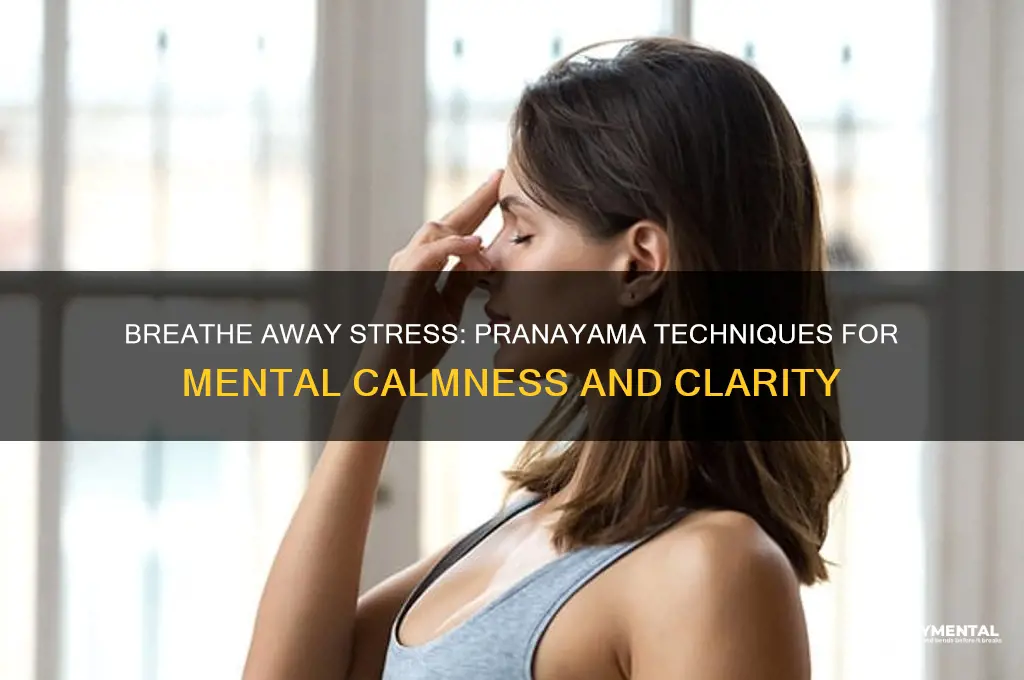
Pranayama, the ancient yogic practice of breath control, offers a powerful tool for managing mental stress and promoting inner calm. Among the various pranayama techniques, Anulom Vilom (Alternate Nostril Breathing) stands out as particularly effective in eliminating mental stress. This practice involves inhaling through one nostril and exhaling through the other in a rhythmic pattern, which helps balance the left and right hemispheres of the brain, fostering a sense of equilibrium. By regulating the flow of prana (life force energy), Anulom Vilom reduces anxiety, improves focus, and induces a deep state of relaxation. Additionally, Bhramari Pranayama (Bee Breath) is another valuable technique, where the humming sound produced during exhalation mimics the buzzing of a bee, calming the mind and soothing the nervous system. Both of these pranayama practices are widely recommended for their ability to alleviate mental stress and enhance overall well-being.
Explore related products


What You'll Learn
- Anulom Vilom Pranayama: Alternating nostril breathing balances mind, reduces anxiety, and promotes mental clarity effectively
- Bhramari Pranayama: Humming bee breath calms nerves, lowers stress, and induces relaxation instantly
- Nadi Shodhana: Channel-clearing technique harmonizes energy flow, easing mental tension and improving focus
- Shitali Pranayama: Cooling breath soothes mind, reduces anger, and alleviates stress-related symptoms
- Savasana with Pranayama: Corpse pose combined with deep breathing eliminates stress and enhances mindfulness

Anulom Vilom Pranayama: Alternating nostril breathing balances mind, reduces anxiety, and promotes mental clarity effectively
Anulom Vilom Pranayama, or alternating nostril breathing, is a powerful technique rooted in ancient yogic traditions, designed to harmonize the mind and body. By alternately inhaling and exhaling through each nostril, this practice balances the left and right hemispheres of the brain, fostering a sense of equilibrium. Scientifically, it activates the parasympathetic nervous system, which counteracts the stress response, making it an effective tool for reducing anxiety and mental tension. Studies suggest that regular practice can lower cortisol levels, the hormone associated with stress, while increasing oxygen supply to the brain, enhancing cognitive function.
To practice Anulom Vilom, find a quiet space and sit comfortably with a straight spine. Use your right thumb to close your right nostril and inhale slowly through the left nostril for a count of four. Then, close the left nostril with your ring finger, release the right nostril, and exhale for a count of four. Inhale through the right nostril for four counts, close it, and exhale through the left nostril for four counts. Repeat this cycle for 5–10 minutes, gradually increasing the duration as you become more comfortable. Consistency is key; practicing twice daily, especially during moments of heightened stress, yields the best results.
One of the unique benefits of Anulom Vilom is its accessibility. Unlike some advanced pranayama techniques, it requires no special equipment or physical prowess, making it suitable for individuals of all ages, including children and seniors. However, those with respiratory conditions like asthma should proceed with caution and consult a healthcare provider. A practical tip is to pair this practice with a calming mantra or focus on the sensation of breath to deepen its meditative effects.
Comparatively, while other pranayama techniques like Kapalabhati or Bhastrika are energizing, Anulom Vilom is inherently calming, making it ideal for evening practice or moments of acute stress. Its simplicity belies its profound impact; by restoring balance to the autonomic nervous system, it not only alleviates immediate anxiety but also builds long-term resilience against mental stress. Incorporating this practice into daily routines can transform how one navigates life’s challenges, fostering clarity and emotional stability.
Virginia Woolf's Battle: Seeking Aid for Her Mental Health Struggles
You may want to see also
Explore related products


Bhramari Pranayama: Humming bee breath calms nerves, lowers stress, and induces relaxation instantly
Bhramari Pranayama, often referred to as the Humming Bee Breath, is a powerful yogic technique designed to soothe the mind and alleviate stress instantly. By mimicking the gentle humming sound of a bee, this pranayama activates the parasympathetic nervous system, promoting deep relaxation and calming frayed nerves. The practice is simple yet profoundly effective, making it accessible to individuals of all ages, from teenagers to seniors, seeking immediate relief from mental tension.
To practice Bhramari Pranayama, find a quiet space and sit in a comfortable posture with your spine erect. Close your eyes and take a deep inhalation through your nose. As you exhale slowly, make a gentle humming sound, similar to the buzzing of a bee, while keeping your mouth closed. The vibration created by the humming resonates in the head, particularly around the ears and temples, helping to dissipate stress and anxiety. Aim for 5 to 10 rounds initially, gradually increasing to 15 rounds as you become more comfortable with the practice. For best results, perform this pranayama twice daily, preferably in the morning and evening, to maintain a sense of calm throughout the day.
One of the unique aspects of Bhramari Pranayama is its ability to induce relaxation almost instantly. The humming vibration stimulates the vagus nerve, which plays a crucial role in regulating stress responses and promoting emotional well-being. This makes it particularly effective for individuals dealing with acute stress, anxiety, or even insomnia. Unlike other stress-relief techniques that may require prolonged practice, Bhramari Pranayama offers immediate benefits, making it a go-to tool for quick mental resets.
While Bhramari Pranayama is generally safe for everyone, there are a few precautions to keep in mind. Avoid practicing this technique if you have a recent ear infection or severe sinus congestion, as the humming can exacerbate discomfort. Pregnant women should also approach this practice with caution and consult a yoga instructor or healthcare provider for personalized guidance. For those with high blood pressure, the calming effect of this pranayama can be particularly beneficial, but it should be practiced under supervision to monitor any changes in blood pressure levels.
Incorporating Bhramari Pranayama into your daily routine can transform the way you manage stress. Its simplicity and instant effectiveness make it a valuable tool for anyone seeking mental clarity and emotional balance. Whether you’re a beginner or an experienced practitioner, the Humming Bee Breath offers a quick and accessible way to reconnect with inner peace, proving that sometimes the most powerful remedies are also the simplest.
Supporting Your Adult Child: Navigating Mental Illness with Compassion and Care
You may want to see also
Explore related products


Nadi Shodhana: Channel-clearing technique harmonizes energy flow, easing mental tension and improving focus
Nadi Shodhana, often referred to as Alternate Nostril Breathing, is a pranayama technique designed to purify the energy channels (nadis) in the body, promoting balance and harmony. By alternately inhaling and exhaling through each nostril, this practice aims to clear blockages in the subtle energy system, allowing for a smoother flow of prana (life force). This balancing act is particularly effective in alleviating mental stress, as it calms the nervous system and synchronizes the left and right hemispheres of the brain. Studies suggest that regular practice can reduce cortisol levels, the hormone associated with stress, while increasing focus and mental clarity.
To practice Nadi Shodhana, find a comfortable seated position with a straight spine. Use your right hand to form the Vishnu Mudra by folding your middle and index fingers toward your palm, leaving your thumb and ring finger extended. Close your right nostril with your thumb and inhale slowly through your left nostril for a count of four. Then, close your left nostril with your ring finger, release your thumb, and exhale through your right nostril for a count of four. Inhale through the right nostril for four counts, close it, and exhale through the left for four counts. Repeat this cycle for 5–10 minutes, maintaining a steady rhythm. Beginners can start with shorter sessions and gradually increase duration as comfort improves.
One of the unique benefits of Nadi Shodhana is its ability to address both physical and mental imbalances. Unlike other pranayama techniques that focus on deep breathing or breath retention, this practice emphasizes symmetry and control. It is particularly useful for individuals experiencing anxiety, insomnia, or mental fatigue, as it activates the parasympathetic nervous system, inducing a state of relaxation. For optimal results, practice Nadi Shodhana in a quiet space, free from distractions, and pair it with mindfulness or meditation to enhance its calming effects.
While Nadi Shodhana is generally safe for all age groups, it is essential to approach the practice with awareness. Individuals with respiratory conditions, such as severe asthma or nasal congestion, should proceed cautiously or consult a healthcare provider. Pregnant women can practice this technique but should avoid excessive strain and focus on gentle, natural breathing. Consistency is key; practicing Nadi Shodhana daily, especially during moments of heightened stress, can yield significant long-term benefits, including improved emotional resilience and cognitive function.
In a world where mental stress is ubiquitous, Nadi Shodhana stands out as a simple yet powerful tool for restoring inner equilibrium. Its focus on harmonizing energy flow not only eases tension but also cultivates a sense of centeredness, making it an invaluable addition to any stress-management routine. By dedicating just a few minutes each day to this practice, individuals can experience profound shifts in their mental and emotional well-being, proving that sometimes, the most effective solutions are also the most accessible.
Supporting Mental Health: Key Organizations Making a Difference Today
You may want to see also
Explore related products


Shitali Pranayama: Cooling breath soothes mind, reduces anger, and alleviates stress-related symptoms
Shitali Pranayama, often referred to as the "cooling breath," is a powerful technique in the yogic toolkit for managing mental stress. By drawing air through the curled tongue or lips, this practice mimics the sensation of sipping a cool breeze, instantly calming the nervous system. The cooling effect is not merely metaphorical; it activates the parasympathetic response, counteracting the body’s stress-induced "fight or flight" mode. This physiological shift is particularly effective for those experiencing anger, anxiety, or heat-related agitation, making Shitali a go-to remedy for stress-induced symptoms like headaches, hypertension, and insomnia.
To practice Shitali Pranayama, begin by sitting comfortably with a straight spine. Curl the sides of your tongue into a tube shape, or if that’s challenging, purse your lips as if sipping through a straw. Inhale slowly through the mouth, feeling the cool air pass over the tongue or lips, then close the mouth and exhale gently through the nose. Aim for 5–10 rounds initially, gradually increasing to 15–20 rounds as you build comfort. For maximum benefit, practice during moments of heightened stress or as a daily ritual to maintain emotional equilibrium. Avoid this technique in cold environments or if you have a respiratory infection, as the cooling effect may exacerbate discomfort.
What sets Shitali apart from other pranayama techniques is its immediate sensory impact. The cool air acts as a natural sedative for the mind, disrupting the cycle of stress-induced thoughts and emotions. Studies suggest that cooling the oral cavity can lower core body temperature, which in turn reduces anger and irritability. This makes Shitali particularly effective for individuals prone to emotional outbursts or those dealing with chronic stress. Unlike medication, which often comes with side effects, Shitali is a holistic, side-effect-free solution accessible to all age groups, from teenagers to seniors.
For optimal results, combine Shitali with mindful awareness. As you inhale, visualize the cool air soothing your mind and body, and as you exhale, imagine releasing tension and negativity. Pairing this practice with a short meditation or gentle yoga sequence can amplify its stress-relieving effects. Practical tips include practicing in a quiet, well-ventilated space and using a timer to maintain consistency. For those new to pranayama, starting with shorter sessions and gradually increasing duration ensures a sustainable practice without strain.
In a world where stress is ubiquitous, Shitali Pranayama offers a simple yet profound way to reclaim inner peace. Its cooling mechanism not only alleviates physical symptoms of stress but also fosters emotional resilience. By incorporating this practice into daily life, individuals can transform their response to stressors, cultivating a calmer, more balanced mindset. Whether you’re a beginner or an experienced yogi, Shitali’s accessibility and effectiveness make it an invaluable tool for mental well-being.
Breaking Mental Health Stigma: Compassionate Steps to Foster Understanding and Support
You may want to see also
Explore related products




Savasana with Pranayama: Corpse pose combined with deep breathing eliminates stress and enhances mindfulness
Savasana, or Corpse Pose, is often considered the final resting posture in a yoga sequence, but when combined with pranayama (controlled breathing), it transforms into a powerful tool for stress relief and mindfulness. This practice encourages a deep state of relaxation, allowing both the body and mind to release tension. By focusing on slow, deliberate breaths, practitioners can activate the parasympathetic nervous system, which counters the body’s stress response. For instance, inhaling for a count of four, holding for four, and exhaling for six can create a calming rhythm that reduces cortisol levels, the hormone associated with stress.
To begin, lie flat on your back with your legs slightly apart and arms relaxed at your sides, palms facing up. Close your eyes and bring your attention to your breath. Start with diaphragmatic breathing: place one hand on your chest and the other on your abdomen, ensuring the latter rises and falls with each breath. Gradually deepen your inhales and exhales, imagining stress leaving your body with every release. This combination of physical stillness and mindful breathing creates a meditative state, fostering mental clarity and emotional balance.
A key benefit of Savasana with pranayama is its accessibility. Unlike more complex yoga poses or advanced breathing techniques, this practice requires no prior experience or flexibility. It’s suitable for all ages, from teenagers dealing with academic pressure to seniors managing age-related anxiety. For optimal results, dedicate 10–15 minutes daily to this practice, ideally in a quiet, dimly lit space. Adding gentle background sounds, like nature recordings or soft instrumental music, can enhance the experience without distracting from the breath.
However, it’s important to approach this practice with awareness. While Savasana with pranayama is generally safe, individuals with severe anxiety or PTSD may find stillness triggering. In such cases, guided versions of this practice or incorporating gentle movements before settling into the pose can be more beneficial. Additionally, avoid forcing the breath; allow it to flow naturally, even if it doesn’t immediately align with the ideal rhythm. Over time, consistency will deepen the practice’s effectiveness.
Incorporating Savasana with pranayama into your routine can yield long-term benefits, including improved sleep, reduced anxiety, and heightened mindfulness. It’s not just a pose or a breathing exercise—it’s a holistic practice that bridges the physical and mental, offering a sanctuary of calm in a chaotic world. By committing to this simple yet profound technique, you can cultivate resilience against stress and embrace a more centered, peaceful state of being.
Empowering Compassion: Effective Ways to Explain Mental Illness to Others
You may want to see also
Frequently asked questions
Nadi Shodhana (Alternate Nostril Breathing) is highly effective for reducing mental stress. It balances the left and right hemispheres of the brain, calms the mind, and promotes mental clarity.
Yes, Bhramari Pranayama (Bee Breath) is excellent for relieving mental stress. The humming sound vibration soothes the nervous system, reduces anxiety, and induces a sense of calm.
Kapalabhati Pranayama (Skull Shining Breath) helps in managing mental stress by improving blood circulation, oxygenating the brain, and eliminating toxins. It also energizes the mind and reduces stress-related fatigue.