Madison Cole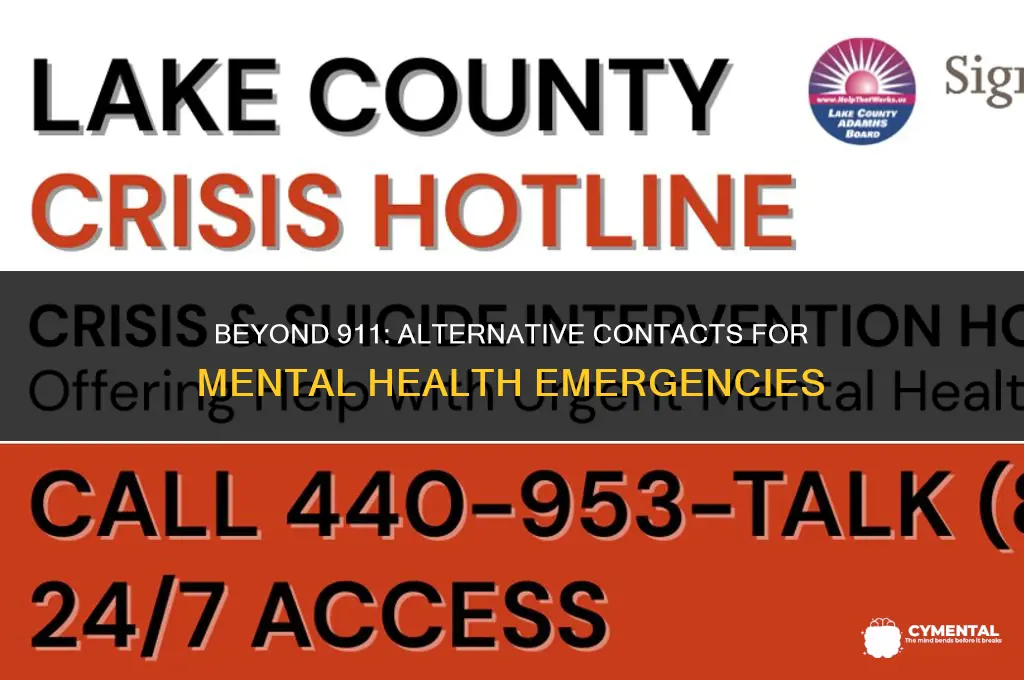
In times of mental health crises, it's crucial to know who to call instead of the police to ensure the situation is handled with the appropriate care and expertise. Mental health professionals and crisis hotlines are equipped to provide immediate support and guidance, often leading to better outcomes for the individual in distress. These resources can include local psychiatric emergency services, national suicide prevention hotlines, or community mental health centers that offer 24/7 crisis intervention. By reaching out to these specialized services, individuals can receive the help they need in a timely and compassionate manner, reducing the risk of escalation and promoting recovery.
Explore related products


What You'll Learn
- Local Mental Health Hotlines: Immediate support from trained professionals available 24/7
- Emergency Psychiatric Services: Specialized teams providing urgent care for severe mental health crises
- Community Crisis Teams: Mobile units offering in-person support and connecting individuals to resources
- Peer Support Lines: Empathetic listeners with lived experience in mental health challenges
- Online Counseling Platforms: Accessible therapy sessions through secure video conferencing

Local Mental Health Hotlines: Immediate support from trained professionals available 24/7
In times of mental health crises, local mental health hotlines serve as a critical resource, offering immediate support from trained professionals around the clock. These hotlines are designed to provide a safe space for individuals to discuss their feelings, thoughts, and concerns without fear of judgment or repercussions. Staffed by compassionate and knowledgeable counselors, these services aim to de-escalate situations, offer coping strategies, and connect callers with additional resources and support networks.
One of the primary benefits of local mental health hotlines is their accessibility. Available 24/7, these services ensure that help is always just a phone call away, regardless of the time of day or night. This constant availability is particularly crucial during emergencies when immediate intervention can be life-saving. Moreover, these hotlines often offer multilingual support, catering to diverse communities and ensuring that language barriers do not hinder access to care.
Local mental health hotlines also play a vital role in reducing the stigma associated with mental health issues. By providing a confidential and non-judgmental platform for discussion, these services encourage individuals to seek help without fear of being labeled or ostracized. This stigma reduction is essential in promoting overall mental health and well-being within communities.
In addition to crisis intervention, local mental health hotlines often serve as a gateway to longer-term care and support. Counselors can provide referrals to therapists, psychiatrists, and other mental health professionals, as well as information about local support groups and community resources. This comprehensive approach ensures that callers not only receive immediate assistance but also have access to ongoing care and support as needed.
To make the most of local mental health hotlines, it is essential to be aware of their existence and how to access them. Individuals should familiarize themselves with the hotline numbers in their area and keep them readily available in case of emergencies. It is also important to remember that these services are not just for crises but can be utilized whenever additional support is needed.
In conclusion, local mental health hotlines are a valuable resource for individuals experiencing mental health crises. Offering immediate support, reducing stigma, and providing access to longer-term care, these services play a crucial role in promoting mental health and well-being within communities. By being aware of these resources and how to access them, individuals can take proactive steps towards maintaining their mental health and seeking help when needed.
Unseen Crisis: Mental Health's Toll on Men's Lives Annually
You may want to see also
Explore related products


Emergency Psychiatric Services: Specialized teams providing urgent care for severe mental health crises
In the event of a severe mental health crisis, Emergency Psychiatric Services (EPS) can provide urgent and specialized care. These teams are trained to handle a range of psychiatric emergencies, from suicidal ideation to acute psychosis. Unlike the police, EPS teams are composed of mental health professionals who can assess and treat the individual in crisis, rather than simply restraining or incarcerating them.
One of the key benefits of EPS is their ability to provide care in the least restrictive setting possible. This means that they can often treat individuals in their own homes or in community settings, rather than requiring hospitalization. EPS teams can also provide follow-up care and connect individuals with ongoing mental health services, which can help to prevent future crises.
To access EPS, individuals can typically call a dedicated crisis line or mobile unit. These services are often available 24/7 and can respond quickly to emergencies. In some cases, EPS teams may also be dispatched by emergency medical services or other healthcare providers.
It is important to note that EPS is not a replacement for all mental health services. Individuals with less severe mental health concerns may be better served by outpatient clinics or other community-based services. However, for those experiencing a severe mental health crisis, EPS can provide critical and potentially life-saving care.
Overall, EPS represents a shift towards a more compassionate and effective approach to addressing mental health crises. By providing specialized care in the least restrictive setting possible, EPS teams can help to reduce the stigma associated with mental illness and improve outcomes for those in crisis.
Understanding the Duration of Residential Mental Health Treatment
You may want to see also
Explore related products


Community Crisis Teams: Mobile units offering in-person support and connecting individuals to resources
Community Crisis Teams (CCTs) are specialized mobile units designed to provide immediate, in-person support to individuals experiencing mental health crises. These teams typically consist of trained mental health professionals, social workers, and sometimes peer support specialists who can respond quickly to emergency situations. Unlike traditional emergency services, CCTs focus on de-escalation, emotional support, and connecting individuals to appropriate resources rather than resorting to coercive measures.
One of the key advantages of CCTs is their ability to respond directly to the scene of a crisis, whether it's at a person's home, workplace, or in a public space. This mobile approach allows them to assess the situation in real-time and provide tailored interventions that are sensitive to the individual's needs and circumstances. By offering a non-threatening, supportive presence, CCTs can help reduce the risk of escalation and promote a more positive outcome for the person in crisis.
CCTs also play a crucial role in linking individuals to longer-term mental health services and community resources. After providing initial crisis support, team members can help connect individuals to outpatient treatment, support groups, housing assistance, and other essential services that can aid in their recovery and ongoing well-being. This comprehensive approach not only addresses the immediate crisis but also helps to build a foundation for sustained mental health and stability.
In addition to their direct support services, CCTs can also serve as a valuable resource for law enforcement and other first responders. By partnering with these agencies, CCTs can provide training and guidance on how to effectively respond to mental health crises, helping to reduce the likelihood of tragic outcomes and improve overall community safety. This collaborative approach fosters a more integrated and compassionate response to mental health emergencies, ultimately benefiting both individuals in crisis and the broader community.
Overall, Community Crisis Teams represent a promising alternative to traditional emergency response models, offering a more nuanced and supportive approach to addressing mental health crises. By prioritizing de-escalation, emotional support, and resource connection, CCTs can help individuals navigate their crises more effectively and promote a more compassionate and understanding community response to mental health challenges.
Empowering Minds: The Vital Role of Mental Health Education in Schools
You may want to see also
Explore related products



Peer Support Lines: Empathetic listeners with lived experience in mental health challenges
In times of mental health crises, peer support lines offer a unique and invaluable resource. These services are staffed by individuals who have personally navigated mental health challenges, providing them with a deep understanding and empathy that can be comforting to those in distress. Unlike traditional crisis hotlines, peer support lines focus on connecting callers with someone who has experienced similar struggles, fostering a sense of community and shared understanding.
One of the key benefits of peer support lines is their ability to provide non-judgmental listening. Callers can express their thoughts and feelings without fear of being stigmatized or misunderstood. This empathetic approach can help individuals feel validated and supported, which is crucial during a mental health crisis. Additionally, peer support lines often operate with a harm reduction philosophy, meaning they prioritize the safety and well-being of the caller above all else.
Peer support lines can also serve as a bridge to other mental health resources. While they are not a substitute for professional mental health care, they can provide immediate support and help callers navigate the often complex mental health system. Many peer support lines offer referrals to local mental health services, support groups, and other resources that can aid in long-term recovery and wellness.
It's important to note that peer support lines are not typically equipped to handle emergencies or provide crisis intervention in the same way that police or emergency services can. However, they can be a vital part of a broader support network, offering ongoing emotional support and guidance. For individuals seeking alternatives to calling the police during a mental health crisis, peer support lines can be a compassionate and effective option.
In conclusion, peer support lines provide a unique and empathetic approach to mental health crisis support. Staffed by individuals with lived experience in mental health challenges, these services offer non-judgmental listening, emotional support, and connections to broader mental health resources. While they may not be suitable for emergency situations, peer support lines can play a crucial role in fostering a sense of community and providing ongoing support for those navigating mental health issues.
Boosting Mental Health: The Benefits of a Later School Start Time
You may want to see also
Explore related products


Online Counseling Platforms: Accessible therapy sessions through secure video conferencing
In the digital age, online counseling platforms have emerged as a vital resource for individuals seeking mental health support. These platforms offer accessible therapy sessions through secure video conferencing, allowing clients to connect with licensed professionals from the comfort and privacy of their own homes. This can be particularly beneficial for those who may not have easy access to in-person counseling services due to geographical limitations, mobility issues, or busy schedules.
One of the key advantages of online counseling platforms is their ability to provide immediate support during mental health crises. Instead of relying on emergency services or law enforcement, individuals can reach out to these platforms for urgent assistance. Many online counseling services offer 24/7 access to therapists, ensuring that help is available when it is needed most. This can be a crucial lifeline for those experiencing severe anxiety, depression, or other mental health emergencies.
To utilize online counseling platforms effectively, it is important to follow certain steps. First, individuals should research reputable platforms that offer secure video conferencing and licensed therapists. They should then create an account and schedule an initial session, during which they can discuss their specific needs and concerns with the therapist. Ongoing sessions can be scheduled as needed, and clients should make sure to have a reliable internet connection and a quiet, private space for each session.
It is also important to note that online counseling may not be suitable for everyone. Individuals with severe mental health conditions or those in immediate danger may require more intensive, in-person support. Additionally, online counseling platforms may not be covered by all insurance plans, so it is essential to check with one's provider before seeking services.
In conclusion, online counseling platforms offer a valuable alternative to traditional in-person therapy and can provide crucial support during mental health crises. By understanding how these platforms work and following the necessary steps, individuals can access the help they need in a convenient and secure manner.
Understanding the Semicolon: A Symbol of Mental Health Awareness
You may want to see also
Frequently asked questions
In many countries, you can call a mental health crisis hotline or a suicide prevention hotline. For example, in the United States, you can call the National Suicide Prevention Lifeline at 988. In the UK, you can contact the Samaritans on 116 123. It's important to reach out to trained professionals who can provide the necessary support and guidance during a mental health emergency.
When calling a mental health crisis hotline, it's helpful to have the following information ready:
- Your name and contact information
- The name and contact information of the person in crisis, if you are calling on their behalf
- A brief description of the situation and any relevant details about the person's mental health history
- Any immediate safety concerns or risks
- Information about any previous suicide attempts or self-harm behaviors
When calling a mental health crisis hotline, you can expect to speak with a trained counselor or mental health professional who will listen to your concerns and provide support. They may ask you questions about the situation to better understand the person's needs and may offer guidance on how to manage the crisis. In some cases, they may also connect you with local resources or emergency services if necessary. The goal is to ensure that the person in crisis receives the appropriate level of care and support as quickly as possible.

![Help![Blu-ray]](https://m.media-amazon.com/images/I/6155cLsT0HL._AC_UY218_.jpg)


![Help! [LP]](https://m.media-amazon.com/images/I/71Lo3XMoSlL._AC_UY218_.jpg)