Ava Ramirez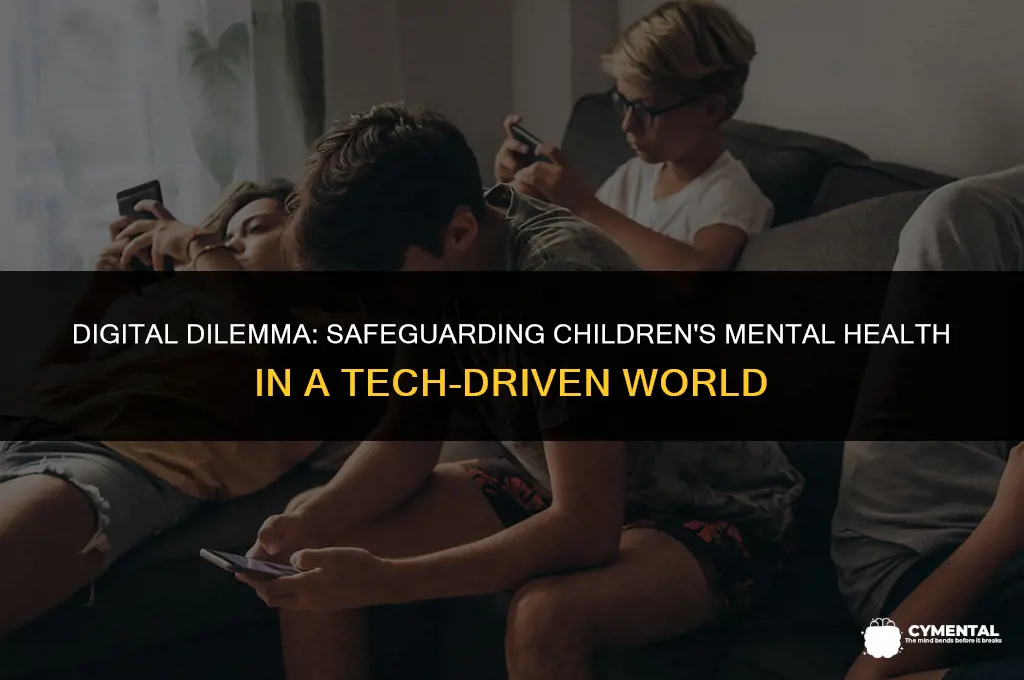
The widespread use of cell phones and computers has raised significant concerns about their impact on children's mental health. While these devices offer numerous benefits, including educational resources and connectivity, they also pose potential risks. Excessive screen time has been linked to various mental health issues in children, such as increased anxiety, depression, and sleep disturbances. Additionally, the constant exposure to social media and online content can lead to cyberbullying, low self-esteem, and a distorted perception of reality. It is crucial for parents, educators, and policymakers to understand these risks and implement strategies to ensure that children use technology in a safe and balanced manner.
Explore related products



What You'll Learn
- Screen Time Impact: Excessive screen time can lead to sleep disturbances, affecting children's overall mental well-being
- Social Media Influence: Social media platforms may contribute to feelings of isolation, anxiety, and depression in children
- Cyberbullying Risks: Children may experience bullying online, leading to emotional distress and potential long-term psychological effects
- Addiction Concerns: Overuse of digital devices can result in addictive behaviors, impacting children's ability to focus and engage in other activities
- Content Exposure: Unfiltered exposure to online content can expose children to inappropriate material, potentially causing psychological harm

Screen Time Impact: Excessive screen time can lead to sleep disturbances, affecting children's overall mental well-being
Excessive screen time has been linked to a myriad of negative effects on children's mental health, with sleep disturbances being one of the most significant. Research indicates that the blue light emitted by screens can interfere with the production of melatonin, the hormone responsible for regulating sleep. This disruption can lead to difficulties falling asleep, staying asleep, and achieving restorative sleep, all of which are crucial for a child's overall well-being.
A study published in the journal Sleep Medicine found that children who spent more than two hours a day on screens were more likely to experience sleep problems. Furthermore, the impact of screen time on sleep is not limited to the duration of exposure; the content and context of screen use also play a role. For instance, using screens before bedtime or during the night can be particularly disruptive to sleep patterns.
The consequences of sleep disturbances extend beyond immediate tiredness. Chronic sleep deprivation can lead to a range of mental health issues, including anxiety, depression, and attention problems. In children, these issues can manifest as irritability, mood swings, and decreased academic performance. Moreover, sleep disturbances can exacerbate existing mental health conditions, creating a vicious cycle that is difficult to break.
To mitigate the impact of screen time on children's sleep, parents and caregivers can implement several strategies. Establishing a consistent bedtime routine that includes a period of screen-free time can help signal to the child that it is time to wind down and prepare for sleep. Additionally, setting limits on the amount of screen time allowed each day, particularly before bedtime, can help reduce the overall exposure to blue light. Encouraging physical activity and outdoor play can also help improve sleep quality by promoting a healthy lifestyle and reducing the reliance on screens for entertainment.
In conclusion, while screens can be a valuable tool for education and entertainment, it is essential to be mindful of their potential impact on children's sleep and mental health. By understanding the risks and implementing proactive strategies, parents and caregivers can help ensure that children maintain a healthy balance between screen time and sleep, ultimately supporting their overall well-being.
Pursuing a Career as a Psychiatric Mental Health Nurse Practitioner
You may want to see also
Explore related products


Social Media Influence: Social media platforms may contribute to feelings of isolation, anxiety, and depression in children
Social media platforms have become an integral part of children's lives, often shaping their perceptions of the world and their place in it. Research indicates that excessive use of these platforms can contribute to feelings of isolation, anxiety, and depression in children. This is particularly concerning given the developmental stage children are in, where their sense of self and social skills are still forming.
One of the primary ways social media can negatively impact children's mental health is through the cultivation of unrealistic expectations and comparisons. Platforms like Instagram and TikTok often present a curated version of reality, where users showcase their highlights and achievements. Children, who are still developing their critical thinking skills, may struggle to discern between these idealized portrayals and actual reality. This can lead to feelings of inadequacy and low self-esteem as they compare their own lives to the seemingly perfect lives of others online.
Furthermore, social media can exacerbate feelings of isolation in children. While these platforms are designed to connect people, they can also create a sense of disconnection when children spend more time interacting with screens than with their peers in person. This lack of face-to-face interaction can hinder the development of essential social skills and deepen feelings of loneliness and exclusion.
Another significant concern is the impact of cyberbullying on children's mental health. Social media platforms can provide a breeding ground for bullying behavior, where children can be subjected to harassment, threats, and humiliation in a public forum. The anonymity and permanence of online interactions can make it difficult for children to escape from such situations, leading to increased anxiety and depression.
To mitigate these risks, it is crucial for parents and caregivers to monitor and guide children's social media use. This includes setting limits on screen time, encouraging offline activities and social interactions, and teaching children how to critically evaluate the content they encounter online. Additionally, social media companies have a responsibility to implement measures that protect children's mental health, such as age verification, content moderation, and the promotion of positive and realistic representations of life.
In conclusion, while social media can offer many benefits, including educational resources and opportunities for social connection, it is essential to be aware of its potential negative impacts on children's mental health. By fostering a balanced and informed approach to social media use, we can help children navigate these platforms safely and responsibly.
Nature's Balm: How Outdoor Time Boosts Mental Well-being
You may want to see also
Explore related products

$9.9 $16.99

$8.38 $17.99


Cyberbullying Risks: Children may experience bullying online, leading to emotional distress and potential long-term psychological effects
Cyberbullying is a pervasive issue that affects children and adolescents worldwide. With the rise of social media and online communication platforms, bullies now have unprecedented access to their victims, leading to a significant increase in reported cases of cyberbullying. This form of bullying can have severe consequences on a child's mental health, including anxiety, depression, and even suicidal ideation.
One of the most concerning aspects of cyberbullying is its ability to follow children into their private spaces. Unlike traditional bullying, which typically occurs in public settings such as schools or playgrounds, cyberbullying can happen anywhere and at any time. This constant threat can lead to a sense of hypervigilance and fear, making it difficult for children to feel safe and secure.
Moreover, cyberbullying often involves a level of anonymity that traditional bullying does not. Bullies can hide behind fake profiles or use messaging apps that do not require real names, making it challenging for victims to identify their tormentors. This anonymity can also embolden bullies, leading them to engage in more severe and relentless forms of harassment.
The long-term psychological effects of cyberbullying can be devastating. Victims may experience a decline in academic performance, social withdrawal, and a loss of interest in activities they once enjoyed. In some cases, the trauma of cyberbullying can lead to the development of mental health disorders such as post-traumatic stress disorder (PTSD) and major depressive disorder.
To mitigate the risks of cyberbullying, it is essential for parents, educators, and policymakers to work together to create a safer online environment for children. This can include implementing stricter regulations on social media platforms, providing education on digital citizenship and online safety, and offering support services for victims of cyberbullying. By taking a proactive approach to addressing this issue, we can help protect children from the harmful effects of cyberbullying and promote a more positive and supportive online community.
Do Mental Health Days Count as Sick Days?
You may want to see also
Explore related products


Addiction Concerns: Overuse of digital devices can result in addictive behaviors, impacting children's ability to focus and engage in other activities
Excessive use of digital devices has been linked to the development of addictive behaviors in children, which can have far-reaching consequences on their mental health and well-being. Research suggests that the constant stimulation and instant gratification provided by screens can lead to a dopamine release in the brain, creating a cycle of craving and reward that is difficult to break. This can result in children becoming increasingly reliant on digital devices for entertainment and social interaction, at the expense of other important activities such as physical exercise, creative play, and face-to-face communication.
One of the primary concerns related to digital addiction is its impact on children's ability to focus and engage in tasks that require sustained attention. The constant interruptions and distractions provided by screens can lead to a decrease in attention span and an increase in restlessness and irritability. This can make it difficult for children to complete homework assignments, follow instructions, and participate in classroom activities, ultimately affecting their academic performance and social relationships.
Furthermore, excessive screen time has been associated with a range of negative health outcomes, including sleep disturbances, obesity, and poor posture. The blue light emitted by digital devices can interfere with the production of melatonin, a hormone that regulates sleep, leading to difficulty falling asleep and staying asleep. Additionally, the sedentary nature of screen-based activities can contribute to a lack of physical exercise, increasing the risk of obesity and related health problems.
To mitigate these risks, it is essential for parents and caregivers to establish clear boundaries and guidelines around digital device use. This may include setting limits on screen time, creating device-free zones in the home, and encouraging children to engage in alternative activities such as outdoor play, reading, and creative pursuits. By promoting a healthy balance between digital and non-digital activities, adults can help children develop the skills and habits necessary to maintain a healthy relationship with technology.
In conclusion, while digital devices can offer numerous benefits and opportunities for learning and entertainment, it is crucial to be aware of the potential risks associated with excessive use. By understanding the signs of digital addiction and taking proactive steps to promote a balanced lifestyle, parents and caregivers can help children navigate the digital world in a safe and healthy manner.
Exploring Mental Health Through the Lens of Scripture
You may want to see also
Explore related products


Content Exposure: Unfiltered exposure to online content can expose children to inappropriate material, potentially causing psychological harm
Children today are growing up in a digital age where access to online content is virtually unlimited. This unfiltered exposure can have serious consequences, particularly when it comes to inappropriate material. Research has shown that children who are exposed to such content can experience psychological harm, including anxiety, depression, and even post-traumatic stress disorder.
One of the main concerns is the ease with which children can access explicit or violent content online. With just a few clicks, they can stumble upon websites or videos that are not suitable for their age group. This can lead to a distorted view of the world and potentially harmful behaviors. For example, a study by the American Psychological Association found that exposure to violent video games can increase aggressive behavior in children.
Another issue is the impact of social media on children's mental health. Platforms like Instagram, Facebook, and Snapchat can create a sense of FOMO (fear of missing out) and promote unhealthy comparisons. Children may feel pressured to present a perfect online image, leading to low self-esteem and feelings of inadequacy. Cyberbullying is also a major concern, with children being harassed or threatened online.
To mitigate these risks, it's essential for parents and caregivers to take an active role in monitoring and guiding children's online activities. This can include setting up parental controls, discussing online safety with children, and encouraging them to report any inappropriate content they encounter. Additionally, educators can play a crucial role by incorporating digital literacy into the curriculum, teaching children how to critically evaluate online information and make responsible choices.
In conclusion, while the internet offers many benefits, it's crucial to be aware of the potential dangers it poses to children's mental health. By taking proactive steps to protect and educate children, we can help them navigate the digital world safely and responsibly.
Unlocking Wellness: The Transformative Power of Mental Health Services
You may want to see also
Frequently asked questions
Cell phones and computers themselves are not inherently dangerous to children's mental health. However, the way they are used and the content accessed through them can pose risks. Excessive screen time, exposure to inappropriate content, and lack of parental supervision can contribute to negative effects on children's mental well-being.
Some potential risks include exposure to cyberbullying, online predators, and harmful content such as violent or explicit material. Additionally, excessive screen time can lead to sleep disturbances, social isolation, and decreased physical activity, all of which can negatively impact children's mental health.
Parents can mitigate risks by setting clear rules and boundaries for screen time, monitoring their children's online activities, and educating them about online safety. They can also encourage a balance between screen time and other activities, such as outdoor play and social interactions, to promote overall well-being.


![The Time Machine [DVD]](https://m.media-amazon.com/images/I/91vamnWQrJL._AC_UY218_.jpg)