Harper Lewis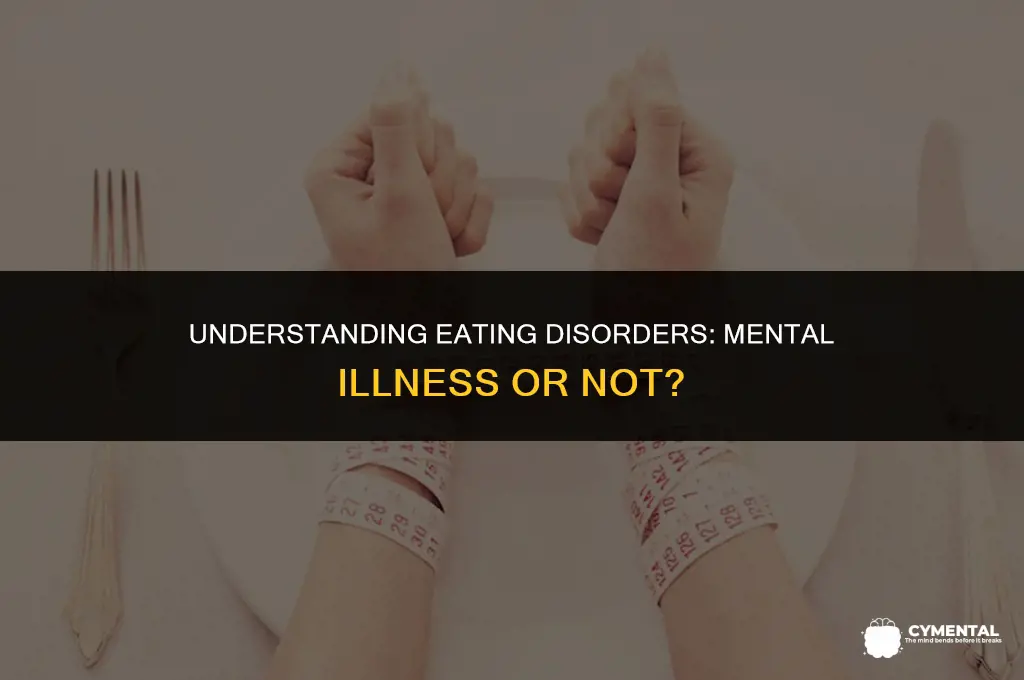
Eating disorders are complex conditions that affect both physical and mental health. They are characterized by abnormal eating habits that can lead to serious health problems. While they may seem to be solely about food and weight, they often have deeper psychological roots. This raises the question: are eating disorders considered mental illnesses? The answer is yes, they are. Eating disorders such as anorexia nervosa, bulimia nervosa, and binge eating disorder are recognized as mental illnesses by major health organizations, including the American Psychiatric Association and the World Health Organization. This classification is based on the fact that these disorders involve significant disturbances in thoughts, feelings, and behaviors related to food and body image. They can also co-occur with other mental health conditions, such as depression, anxiety, and obsessive-compulsive disorder. Treatment for eating disorders often involves a combination of psychotherapy, medication, and nutritional counseling, reflecting their complex nature and the need for a comprehensive approach to recovery.
| Characteristics | Values |
|---|---|
| Classification | Eating disorders are classified as mental illnesses by major health organizations, including the American Psychiatric Association (APA) and the World Health Organization (WHO). |
| Diagnostic Criteria | They are diagnosed based on specific criteria outlined in the Diagnostic and Statistical Manual of Mental Disorders (DSM-5) and the International Classification of Diseases (ICD-11). |
| Psychological Impact | Eating disorders often involve significant psychological distress, including anxiety, depression, and obsessive-compulsive behaviors. |
| Physical Symptoms | They can manifest physically through malnutrition, gastrointestinal issues, and other health complications resulting from disordered eating patterns. |
| Treatment Approaches | Treatment typically involves a combination of psychotherapy, nutritional counseling, and sometimes medication to address both the mental and physical aspects of the disorder. |
| Stigma and Awareness | There is ongoing stigma surrounding eating disorders, but awareness campaigns and education efforts are working to reduce this and promote understanding. |
| Prevalence | Eating disorders affect millions of people worldwide, with varying prevalence rates across different demographics and cultures. |
| Risk Factors | Risk factors include genetic predisposition, environmental influences, and sociocultural pressures related to body image and dieting. |
| Recovery Rates | Recovery rates vary depending on the specific disorder and the individual's circumstances, but early intervention and comprehensive treatment can significantly improve outcomes. |
| Support Systems | Support systems, such as family, friends, and specialized support groups, play a crucial role in the recovery process for individuals with eating disorders. |
| Research and Development | Ongoing research is focused on improving treatment methods, understanding the underlying causes of eating disorders, and developing more effective prevention strategies. |
| Policy and Advocacy | Advocacy efforts are aimed at increasing funding for research and treatment, improving access to care, and promoting policies that support individuals affected by eating disorders. |
Explore related products


What You'll Learn
- Definition of Mental Illness: Understanding what constitutes a mental illness to determine if eating disorders fit the criteria
- Eating Disorders Overview: Brief explanation of common eating disorders like anorexia nervosa, bulimia nervosa, and binge eating disorder
- Psychological Impact: Examination of the psychological effects and symptoms associated with eating disorders
- Physical Health Consequences: Discussion on the physical health risks and complications that can arise from eating disorders
- Treatment and Support: Overview of available treatments, therapies, and support systems for individuals with eating disorders

Definition of Mental Illness: Understanding what constitutes a mental illness to determine if eating disorders fit the criteria
Mental illness is a term used to describe a range of conditions that affect a person's mood, thinking, and behavior. These conditions can cause significant distress and impairment in daily functioning. The definition of mental illness is complex and has evolved over time, with various diagnostic criteria and classifications used by healthcare professionals.
To determine if eating disorders fit the criteria for mental illness, it's essential to understand the key characteristics of these conditions. Eating disorders, such as anorexia nervosa, bulimia nervosa, and binge eating disorder, are characterized by abnormal eating patterns, distorted body image, and intense preoccupation with food and weight. These symptoms can lead to severe physical and emotional consequences, including malnutrition, organ damage, and increased risk of suicide.
The Diagnostic and Statistical Manual of Mental Disorders (DSM-5), published by the American Psychiatric Association, provides a set of criteria for diagnosing mental illnesses. According to the DSM-5, eating disorders are classified as mental illnesses because they meet the following criteria: they cause significant distress or impairment in social, occupational, or other important areas of functioning; they are not better explained by another medical condition; and they are not the result of substance use or withdrawal.
Furthermore, eating disorders often co-occur with other mental illnesses, such as depression, anxiety, and obsessive-compulsive disorder. This comorbidity suggests that eating disorders are part of a broader spectrum of mental health conditions and should be treated as such.
In conclusion, eating disorders are considered mental illnesses because they meet the diagnostic criteria established by healthcare professionals and cause significant distress and impairment in daily functioning. Understanding this definition is crucial for recognizing the seriousness of eating disorders and ensuring that individuals affected by these conditions receive appropriate treatment and support.
Understanding OCD: Is It a Mental Health Disorder?
You may want to see also
Explore related products


Eating Disorders Overview: Brief explanation of common eating disorders like anorexia nervosa, bulimia nervosa, and binge eating disorder
Eating disorders are complex mental health conditions that affect millions of people worldwide. They are characterized by abnormal eating habits that can lead to serious physical and emotional consequences. The most common eating disorders include anorexia nervosa, bulimia nervosa, and binge eating disorder.
Anorexia nervosa is an eating disorder characterized by a distorted body image and an intense fear of gaining weight. Individuals with anorexia nervosa often restrict their food intake, leading to severe weight loss and malnutrition. Bulimia nervosa, on the other hand, involves cycles of binge eating followed by purging behaviors such as vomiting or laxative use. This disorder can lead to electrolyte imbalances, gastrointestinal problems, and dental issues. Binge eating disorder is characterized by recurrent episodes of overeating, often accompanied by feelings of guilt and shame. It can result in obesity, diabetes, and cardiovascular disease.
Eating disorders are considered mental illnesses because they involve psychological distress and impaired functioning. They often co-occur with other mental health conditions such as depression, anxiety, and substance abuse. The exact cause of eating disorders is not fully understood, but they are believed to result from a combination of genetic, environmental, and psychological factors. Treatment for eating disorders typically involves a multidisciplinary approach, including psychotherapy, medication, and nutritional counseling. Early intervention and treatment are crucial for improving outcomes and reducing the risk of long-term complications.
Unraveling the Enigma: Howard Hughes' Mental Health Struggles
You may want to see also
Explore related products


Psychological Impact: Examination of the psychological effects and symptoms associated with eating disorders
Eating disorders are complex mental health conditions that can have profound psychological impacts on individuals. One of the key psychological effects is the development of distorted body image and self-perception. Individuals with eating disorders often experience intense feelings of shame, guilt, and inadequacy related to their body shape and size. This can lead to social withdrawal, low self-esteem, and a preoccupation with food and weight.
Another significant psychological symptom is the presence of obsessive-compulsive behaviors. These may manifest as rigid eating rituals, excessive exercise routines, or compulsive checking of body weight. Such behaviors can interfere with daily functioning and contribute to a sense of loss of control over one's life.
Furthermore, eating disorders can lead to severe mood disturbances, including depression, anxiety, and irritability. These mood changes can exacerbate the disordered eating behaviors, creating a vicious cycle that is difficult to break. In some cases, individuals may also experience dissociative symptoms, such as feeling detached from their body or surroundings.
The psychological impact of eating disorders extends beyond the individual, affecting their relationships with family and friends. Loved ones may feel helpless or frustrated in their attempts to support the individual, leading to strained relationships and social isolation.
It is crucial to recognize that the psychological effects of eating disorders are not a result of personal weakness or lack of willpower. Rather, they are symptoms of a serious mental health condition that requires professional treatment. Therapy, medication, and support groups can help individuals address the underlying psychological issues and develop healthier coping mechanisms.
In conclusion, the psychological impact of eating disorders is multifaceted and profound, affecting various aspects of an individual's life. Understanding these effects is essential for providing effective treatment and support for those struggling with these conditions.
Unraveling Jinx's Psyche: A Deep Dive into Her Mental Health Struggles
You may want to see also
Explore related products


Physical Health Consequences: Discussion on the physical health risks and complications that can arise from eating disorders
Eating disorders can have severe physical health consequences that affect multiple systems in the body. One of the most immediate risks is malnutrition, which can lead to a range of complications including anemia, osteoporosis, and impaired immune function. In severe cases, malnutrition can result in organ failure and even death. Additionally, eating disorders can cause gastrointestinal problems such as constipation, diarrhea, and stomach pain. These symptoms can be both a result of the disorder and a contributing factor, as they can exacerbate the psychological distress associated with eating.
Another significant physical health risk associated with eating disorders is the development of cardiovascular problems. This includes conditions such as arrhythmias, heart failure, and hypertension. The risk of these complications is particularly high in individuals with anorexia nervosa, who may experience a significant drop in blood pressure and heart rate. Furthermore, eating disorders can lead to endocrine imbalances, which can affect metabolism, growth, and development. For example, individuals with anorexia nervosa may experience a decrease in bone density and an increased risk of fractures.
Eating disorders can also have a profound impact on the skin, hair, and nails. Individuals may experience hair loss, brittle nails, and dry, flaky skin. These symptoms are often a result of the nutritional deficiencies associated with the disorder. Moreover, eating disorders can lead to dental problems such as tooth decay and gum disease. This is particularly common in individuals with bulimia nervosa, who may experience frequent episodes of vomiting that can erode tooth enamel and damage the gums.
In addition to these physical health risks, eating disorders can also have a significant impact on an individual's overall quality of life. They can lead to social isolation, difficulties in maintaining relationships, and a decreased ability to function in daily life. Furthermore, eating disorders can co-occur with other mental health conditions such as depression, anxiety, and substance abuse, which can further complicate treatment and recovery.
It is essential for individuals with eating disorders to receive comprehensive medical care that addresses both the physical and psychological aspects of the disorder. This may include nutritional counseling, medication, and psychotherapy. Early intervention is key to preventing the long-term physical health consequences of eating disorders and improving outcomes for those affected.
Understanding Stockholm Syndrome: A Complex Psychological Phenomenon
You may want to see also
Explore related products


Treatment and Support: Overview of available treatments, therapies, and support systems for individuals with eating disorders
Eating disorders are complex mental health conditions that require a multifaceted approach to treatment and support. The available treatments, therapies, and support systems for individuals with eating disorders are designed to address the physical, emotional, and psychological aspects of these conditions. A comprehensive treatment plan typically involves a combination of medical care, psychotherapy, nutritional counseling, and support groups.
Medical care is essential for addressing the physical health complications associated with eating disorders, such as malnutrition, dehydration, and electrolyte imbalances. In some cases, hospitalization may be necessary to stabilize the individual's physical condition. Medications, such as antidepressants and anti-anxiety drugs, may also be prescribed to help manage symptoms and improve mood.
Psychotherapy is a crucial component of eating disorder treatment, as it helps individuals identify and address the underlying emotional and psychological factors contributing to their condition. Cognitive-behavioral therapy (CBT) and dialectical behavior therapy (DBT) are two common types of psychotherapy used to treat eating disorders. These therapies focus on helping individuals develop healthy coping mechanisms, improve self-esteem, and reduce negative thought patterns.
Nutritional counseling is another important aspect of eating disorder treatment, as it helps individuals develop a healthy relationship with food and learn how to make balanced dietary choices. Registered dietitians work with individuals to create personalized meal plans and provide education on nutrition and healthy eating habits.
Support groups can also play a valuable role in the recovery process, providing individuals with a sense of community and connection with others who understand their struggles. These groups may be led by mental health professionals or facilitated by peers who have experienced eating disorders themselves.
In addition to these traditional treatment approaches, there are also alternative and complementary therapies that may be beneficial for individuals with eating disorders. These may include yoga, meditation, art therapy, and equine-assisted therapy, among others. These therapies can help individuals develop mindfulness, reduce stress, and improve overall well-being.
Overall, the treatment and support systems available for individuals with eating disorders are designed to provide a comprehensive and holistic approach to recovery. By addressing the physical, emotional, and psychological aspects of these conditions, individuals can learn to manage their symptoms, develop healthy coping mechanisms, and improve their overall quality of life.
Unraveling Trichotillomania: Understanding the Complexity of Hair-Pulling Disorder
You may want to see also
Frequently asked questions
Yes, eating disorders are considered mental illnesses. They are characterized by persistent disturbances in eating behaviors and related thoughts and emotions, which can significantly impact a person's physical and psychological health.
Some common types of eating disorders include anorexia nervosa, bulimia nervosa, binge eating disorder, and avoidant/restrictive food intake disorder (ARFID). Each type has specific diagnostic criteria and symptoms.
Eating disorders can have severe consequences on a person's health, including malnutrition, dehydration, electrolyte imbalances, and increased risk of suicide. They can also lead to long-term complications such as osteoporosis, infertility, and heart problems.
Treatments for eating disorders typically involve a combination of psychotherapy, medication, and nutritional counseling. The specific treatment plan depends on the type and severity of the disorder, as well as the individual's needs and preferences.