Noah Parker
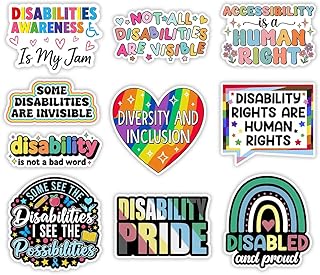
Mental disorders and their classification as disabilities is a complex and multifaceted issue. While mental health conditions can significantly impact an individual's daily life and functioning, the determination of whether they constitute a disability depends on various factors, including the severity of symptoms, the individual's ability to perform daily tasks, and the presence of any accommodations or support systems. It's essential to approach this topic with sensitivity and an understanding of the diverse experiences of those affected by mental health conditions.
| Characteristics | Values |
|---|---|
| Definition | Mental disorders are conditions that affect a person's thinking, feeling, mood, and behavior. They can be considered disabilities when they significantly impact daily life and functioning. |
| Types | Anxiety disorders, mood disorders, psychotic disorders, eating disorders, personality disorders, substance use disorders, etc. |
| Prevalence | Approximately 1 in 5 adults in the U.S. experience a mental disorder each year. |
| Causes | Genetic factors, environmental factors, brain chemistry, life experiences, trauma, etc. |
| Symptoms | Vary depending on the specific disorder, but can include persistent sadness, anxiety, hallucinations, delusions, changes in appetite, sleep disturbances, etc. |
| Diagnosis | Typically made by a mental health professional through a combination of interviews, questionnaires, and observation. |
| Treatment | Can include psychotherapy, medication, lifestyle changes, support groups, etc. |
| Prognosis | Varies depending on the specific disorder and individual circumstances, but many people can recover or manage their symptoms effectively with treatment. |
| Impact on Daily Life | Can affect work, school, relationships, and overall quality of life. |
| Legal Protections | Individuals with mental disorders may be protected under disability laws, such as the Americans with Disabilities Act (ADA). |
| Stigma | Mental disorders are often stigmatized, leading to discrimination and barriers to seeking help. |
| Research | Ongoing research aims to improve understanding, diagnosis, and treatment of mental disorders. |
| Prevention | Strategies include promoting mental health, reducing stress, and increasing access to mental health services. |
| Comorbidity | Mental disorders often co-occur with other mental or physical health conditions. |
| Recovery | Many individuals with mental disorders can achieve recovery, defined as the ability to live a fulfilling life despite ongoing challenges. |
Explore related products


What You'll Learn
- Definition of Disability: Exploring how mental disorders fit within legal and social definitions of disability
- Impact on Daily Life: Discussing how mental disorders can affect daily functioning and independence
- Workplace Accommodations: Examining the role of mental disorders in the workplace and necessary accommodations
- Social Stigma: Addressing the societal attitudes and stigma surrounding mental disorders and disability
- Access to Support: Highlighting the importance of access to mental health support and resources for those affected

Definition of Disability: Exploring how mental disorders fit within legal and social definitions of disability
The legal and social definitions of disability are multifaceted and often contentious, particularly when it comes to mental disorders. While physical disabilities are generally more straightforward to define and recognize, mental disorders present unique challenges due to their often invisible nature and the subjective experience of those affected. In many jurisdictions, disability laws and policies are designed to protect individuals from discrimination and ensure equal access to opportunities, but the application of these laws to mental health conditions can be complex.
One key aspect of defining disability in relation to mental disorders is the impact on an individual's ability to perform daily tasks and participate fully in society. Mental health conditions such as depression, anxiety, and schizophrenia can significantly impair cognitive and emotional functioning, making it difficult for individuals to maintain employment, engage in social activities, or manage personal affairs. However, the degree of impairment can vary widely among individuals, and many people with mental disorders are able to lead fulfilling lives with appropriate support and treatment.
In the legal context, the determination of whether a mental disorder constitutes a disability often hinges on the specific criteria outlined in disability laws and regulations. For example, the Americans with Disabilities Act (ADA) in the United States defines disability as a physical or mental impairment that substantially limits one or more major life activities, or a record of such an impairment, or being regarded as having such an impairment. This definition provides a framework for evaluating the impact of mental disorders on an individual's life, but it also raises questions about the threshold for what constitutes a "substantial limitation" and the role of medical professionals in making such determinations.
Socially, the recognition of mental disorders as disabilities can be influenced by cultural attitudes, stigma, and the availability of resources for mental health care. In some societies, mental illness is viewed as a personal weakness or a moral failing, rather than a legitimate medical condition that warrants support and accommodation. This stigma can lead to discrimination and marginalization of individuals with mental disorders, further complicating their ability to access services and participate in society.
Ultimately, the question of whether mental disorders are considered disabilities is a complex and evolving issue that requires careful consideration of legal, social, and medical factors. By exploring the nuances of this topic, we can gain a deeper understanding of the challenges faced by individuals with mental health conditions and work towards creating more inclusive and supportive communities.
Understanding Bipolar Disorder: Is It Considered a Mental Disability?
You may want to see also
Explore related products

$24.99 $24.99


$49.95 $49.95


Impact on Daily Life: Discussing how mental disorders can affect daily functioning and independence
Mental disorders can significantly impact an individual's daily life, affecting their ability to function and maintain independence. This can manifest in various ways, depending on the specific disorder and its severity. For instance, someone with severe depression may struggle to get out of bed, perform basic hygiene tasks, or engage in social activities. Similarly, a person with anxiety may avoid certain situations or environments due to overwhelming fear or worry.
The impact on daily functioning can also extend to cognitive abilities, such as memory, concentration, and decision-making. Individuals with disorders like schizophrenia or bipolar disorder may experience difficulties in these areas, making it challenging to hold down a job, manage finances, or maintain relationships. In some cases, mental disorders can lead to physical health problems as well, either as a direct result of the disorder or due to lifestyle factors associated with it, such as poor diet or lack of exercise.
Independence is another crucial aspect of daily life that can be affected by mental disorders. People with severe mental health conditions may require assistance with activities of daily living, such as cooking, cleaning, or personal care. This can lead to a loss of autonomy and self-esteem, further exacerbating the challenges posed by the disorder. In addition, the stigma surrounding mental illness can contribute to social isolation, making it even more difficult for individuals to maintain their independence.
It is essential to recognize that the impact of mental disorders on daily life can vary widely from person to person. While some individuals may be able to manage their symptoms and lead relatively normal lives, others may face significant challenges that require ongoing support and treatment. By understanding these differences and providing appropriate resources and accommodations, we can help individuals with mental disorders to achieve greater independence and improve their overall quality of life.
Understanding Mental Health in America: Prevalence and Perspectives
You may want to see also
Explore related products
![Mental Health and Mental Disorders: An Encyclopedia of Conditions, Treatments, and Well-Being [3 volumes]](https://m.media-amazon.com/images/I/813s-0p62iL._AC_UY218_.jpg)


Workplace Accommodations: Examining the role of mental disorders in the workplace and necessary accommodations
In the context of workplace accommodations, mental disorders play a significant role that cannot be overlooked. Employers are increasingly recognizing the need to create supportive environments that cater to the unique challenges faced by individuals with mental health conditions. This shift is not only a matter of social responsibility but also a legal requirement under various disability rights laws.
One of the key aspects of accommodating mental disorders in the workplace is understanding the specific needs of each individual. This may involve providing flexible work schedules, offering remote work options, or modifying job duties to reduce stress and anxiety. Additionally, creating a culture of open communication and reducing stigma around mental health can encourage employees to seek help and support when needed.
From a legal perspective, employers are required to provide reasonable accommodations to employees with mental disorders, as long as these accommodations do not impose an undue hardship on the business. This means that employers must engage in an interactive process with the employee to determine the most effective accommodations. Failure to provide adequate accommodations can result in legal consequences, including fines and lawsuits.
Moreover, accommodating mental disorders in the workplace can have positive impacts on productivity and employee well-being. By providing the necessary support, employers can help employees manage their conditions more effectively, leading to improved job performance and reduced absenteeism. Furthermore, a supportive work environment can foster employee loyalty and retention, ultimately benefiting the organization's bottom line.
In conclusion, workplace accommodations for mental disorders are essential for creating inclusive and supportive work environments. By understanding the unique needs of individuals with mental health conditions and providing the necessary support, employers can not only comply with legal requirements but also improve employee well-being and productivity.
Understanding Autism: Illness, Disorder, or Neurodiversity?
You may want to see also
Explore related products


Social Stigma: Addressing the societal attitudes and stigma surrounding mental disorders and disability
Mental health stigma remains a pervasive issue, deeply ingrained in societal attitudes and behaviors. This stigma often manifests as discrimination, prejudice, and negative stereotypes towards individuals with mental disorders, hindering their ability to seek help, find employment, and lead fulfilling lives. Addressing this stigma requires a multifaceted approach that involves education, advocacy, and policy changes.
One effective strategy to combat mental health stigma is through education and awareness campaigns. These initiatives aim to dispel myths and misconceptions about mental illness, promote understanding, and foster empathy. Schools, workplaces, and community organizations can play a crucial role in these efforts by incorporating mental health education into their curricula and training programs. By increasing awareness and knowledge about mental disorders, we can reduce the fear and misunderstanding that contribute to stigma.
Another key component in addressing mental health stigma is advocacy and support for individuals with mental disorders. This includes promoting their rights, ensuring access to quality healthcare, and providing opportunities for social inclusion and participation. Advocacy groups and mental health organizations can work to influence policy and legislation, challenge discriminatory practices, and create supportive environments for those affected by mental illness.
Policy changes are also essential in tackling mental health stigma. Governments can enact laws and regulations that protect the rights of individuals with mental disorders, prohibit discrimination, and ensure equal access to healthcare and social services. Additionally, policies that promote mental health in the workplace, such as providing mental health days and resources for employees, can help reduce stigma and encourage open conversations about mental wellness.
In conclusion, addressing the societal attitudes and stigma surrounding mental disorders and disability requires a comprehensive and sustained effort. By combining education, advocacy, and policy changes, we can create a more inclusive and supportive society for individuals with mental health challenges. It is crucial that we continue to prioritize these efforts to ensure that everyone has the opportunity to thrive, regardless of their mental health status.
Unraveling Kate Bender's Psyche: Mental Health Theories Explored
You may want to see also
Explore related products





Access to Support: Highlighting the importance of access to mental health support and resources for those affected
Access to mental health support and resources is a critical component in addressing the challenges faced by individuals with mental disorders. Despite the prevalence of mental health issues, many affected individuals struggle to obtain the necessary care and assistance due to various barriers. These barriers can include financial constraints, lack of availability of mental health professionals, stigma associated with seeking help, and inadequate insurance coverage.
One of the most significant obstacles to accessing mental health support is the shortage of qualified professionals, particularly in rural and underserved areas. This scarcity can lead to long wait times for appointments, limited treatment options, and a lack of specialized care for specific mental health conditions. Furthermore, the cost of mental health services can be prohibitive for many individuals, especially those without insurance or with high deductibles.
Stigma remains another pervasive barrier to seeking mental health support. The fear of being judged, labeled, or ostracized can deter individuals from reaching out for help, exacerbating their mental health struggles. This stigma is often fueled by societal misconceptions and a lack of understanding about mental disorders, leading to a culture of silence and shame.
To address these challenges, it is essential to increase funding for mental health services, expand the workforce of mental health professionals, and implement policies that promote parity between mental and physical health care. Additionally, efforts to reduce stigma and promote mental health awareness can help encourage individuals to seek the support they need.
In conclusion, access to mental health support and resources is a fundamental right that should be afforded to all individuals, regardless of their socioeconomic status, geographic location, or the nature of their mental health condition. By addressing the barriers to access and promoting a culture of understanding and support, we can help ensure that those affected by mental disorders receive the care and assistance they deserve.
Understanding Anxiety, Depression, and Bipolar Disorders: Are They Mental Illnesses?
You may want to see also
Frequently asked questions
Yes, mental disorders can be considered a disability if they significantly impact a person's daily life, ability to work, or social interactions.
Examples include schizophrenia, bipolar disorder, major depressive disorder, anxiety disorders, and post-traumatic stress disorder (PTSD).
The severity is determined by assessing how much the disorder affects a person's ability to perform daily tasks, maintain employment, and engage in social activities.
Depending on the country and specific circumstances, individuals may be entitled to disability benefits, mental health services, accommodations in the workplace, and support programs.
It depends on the individual's specific situation and the type of disability benefits they are receiving. Some people may be able to work part-time or in certain capacities while still receiving benefits.