Lucas Bennett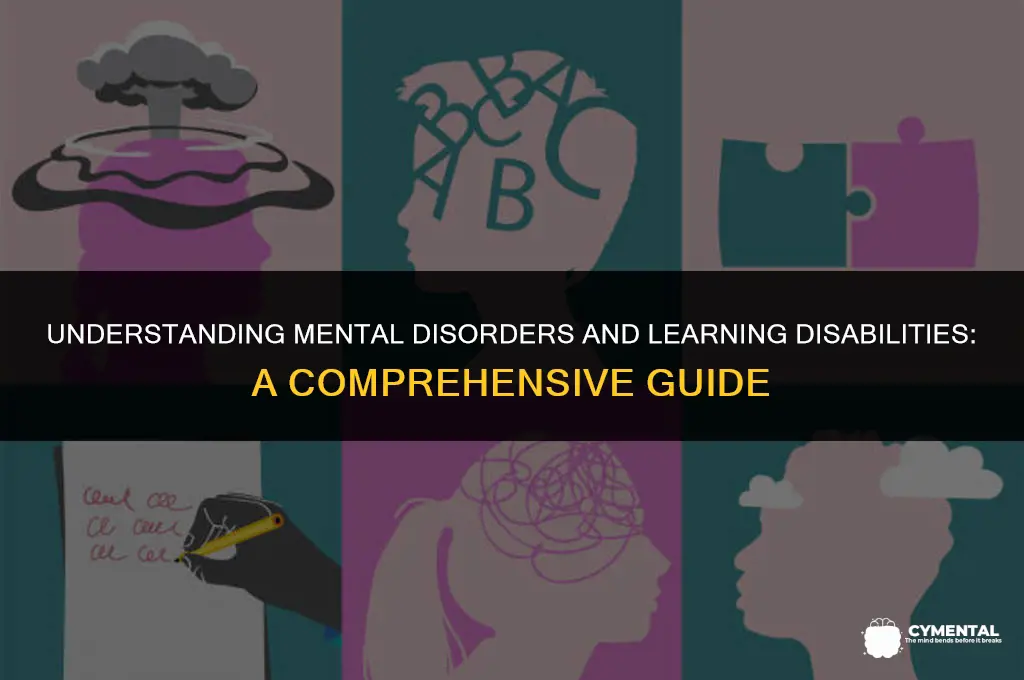
Mental disorders and learning disabilities are distinct categories of conditions that can impact an individual's cognitive and emotional functioning. While they are separate entities, there can be overlap and co-occurrence between the two. Mental disorders, such as depression, anxiety, or schizophrenia, primarily affect a person's emotional and psychological well-being. Learning disabilities, on the other hand, are characterized by difficulties in acquiring and processing information, often manifesting in challenges with reading, writing, or mathematics. The question of whether mental disorders are considered learning disabilities is complex and depends on the specific context and definitions used. In some cases, certain mental health conditions may be recognized as learning disabilities if they significantly impair a person's ability to learn and function academically. However, it is essential to note that not all mental disorders are classified as learning disabilities, and each condition requires a nuanced understanding of its unique characteristics and impact on an individual's life.
| Characteristics | Values |
|---|---|
| Definition | Mental disorders and learning disabilities are distinct categories of conditions that affect individuals differently. Mental disorders refer to conditions that impact mood, thinking, and behavior, while learning disabilities are specific difficulties in acquiring and processing information. |
| Types of Mental Disorders | Anxiety disorders, depressive disorders, bipolar disorder, schizophrenia, obsessive-compulsive disorder (OCD), post-traumatic stress disorder (PTSD), attention deficit hyperactivity disorder (ADHD), autism spectrum disorder (ASD), etc. |
| Types of Learning Disabilities | Dyslexia, dysgraphia, dyscalculia, attention deficit disorder (ADD), ADHD, auditory processing disorder, visual processing disorder, non-verbal learning disability, etc. |
| Symptoms of Mental Disorders | Symptoms vary widely depending on the specific disorder but can include persistent feelings of sadness, anxiety, or fear; changes in appetite or sleep patterns; difficulty concentrating; withdrawal from social activities; and thoughts of self-harm or suicide. |
| Symptoms of Learning Disabilities | Symptoms depend on the type of learning disability but may include difficulty reading, writing, or performing mathematical calculations; problems with memory or attention; and challenges with organization and time management. |
| Causes of Mental Disorders | Mental disorders can be caused by a combination of genetic, environmental, and psychological factors. Trauma, stress, substance abuse, and family history can all contribute to the development of a mental disorder. |
| Causes of Learning Disabilities | Learning disabilities are often caused by genetic factors, but environmental factors such as prenatal exposure to toxins, poor nutrition, and inadequate educational opportunities can also play a role. |
| Diagnosis of Mental Disorders | Mental disorders are typically diagnosed by a mental health professional through a combination of interviews, questionnaires, and sometimes medical tests to rule out other conditions. |
| Diagnosis of Learning Disabilities | Learning disabilities are usually identified through a comprehensive evaluation that includes standardized tests, observations, and interviews with the individual and their family or teachers. |
| Treatment of Mental Disorders | Treatment for mental disorders can include psychotherapy, medication, lifestyle changes, and support groups. The specific treatment plan will depend on the individual's diagnosis and needs. |
| Treatment of Learning Disabilities | Interventions for learning disabilities often involve specialized educational programs, tutoring, assistive technology, and accommodations such as extra time or alternative formats for tests. |
| Prognosis of Mental Disorders | The prognosis for mental disorders varies widely depending on the specific condition, the individual's response to treatment, and the availability of support. Many people with mental disorders can lead fulfilling lives with appropriate treatment and support. |
| Prognosis of Learning Disabilities | The prognosis for learning disabilities also varies, but with appropriate interventions and support, many individuals can overcome their challenges and achieve success in school and beyond. |
| Impact on Daily Life | Both mental disorders and learning disabilities can significantly impact an individual's daily life, affecting their ability to function in school, work, and social situations. However, the specific challenges and accommodations needed will differ between the two categories of conditions. |
| Support Systems | Support systems for individuals with mental disorders may include mental health professionals, support groups, family, and friends. For those with learning disabilities, support may come from educators, tutors, and organizations that specialize in learning disability advocacy and resources. |
Explore related products


What You'll Learn
- Definition and Classification: Understanding the distinction between mental disorders and learning disabilities
- Common Misconceptions: Addressing myths about mental disorders and learning disabilities being the same
- Educational Implications: Exploring how mental disorders and learning disabilities are treated in educational settings
- Legal Protections: Discussing the legal rights and protections for individuals with mental disorders and learning disabilities
- Support and Resources: Identifying available support systems and resources for those affected by mental disorders and learning disabilities

Definition and Classification: Understanding the distinction between mental disorders and learning disabilities
Mental disorders and learning disabilities are distinct categories within the realm of psychological and educational challenges. While they may sometimes overlap, they are defined by different criteria and require different approaches to understanding and intervention. A mental disorder, as defined by the Diagnostic and Statistical Manual of Mental Disorders (DSM-5), is a syndrome characterized by clinically significant disturbance in an individual's cognition, emotion regulation, or behavior that reflects a dysfunction in the psychological, biological, or developmental processes underlying mental functioning. Mental disorders can affect anyone, regardless of age, and can manifest in a variety of ways, including anxiety, depression, bipolar disorder, and schizophrenia.
On the other hand, learning disabilities are a group of disorders that affect the ability to learn and process information. They are typically identified in childhood and can persist into adulthood. Learning disabilities are not a result of low intelligence or lack of motivation but are rather due to differences in the way the brain processes information. Common types of learning disabilities include dyslexia, dysgraphia, dyscalculia, and attention deficit hyperactivity disorder (ADHD).
The distinction between mental disorders and learning disabilities is crucial for several reasons. Firstly, it affects the type of support and interventions that are appropriate for individuals with these challenges. Mental disorders often require psychological or psychiatric treatment, including therapy and medication, to manage symptoms and improve functioning. Learning disabilities, on the other hand, may require educational accommodations, such as specialized instruction, assistive technology, and modifications to the learning environment, to help individuals succeed academically.
Secondly, the distinction between mental disorders and learning disabilities has implications for the legal and policy frameworks that govern education and mental health services. For example, in the United States, the Individuals with Disabilities Education Act (IDEA) provides protections and services for students with disabilities, including learning disabilities, while the Americans with Disabilities Act (ADA) protects individuals with mental disorders from discrimination in various settings, including employment and public accommodations.
Finally, understanding the distinction between mental disorders and learning disabilities can help reduce stigma and promote a more nuanced and compassionate view of these challenges. By recognizing that mental disorders and learning disabilities are distinct conditions with different causes and manifestations, we can better tailor our support and interventions to meet the unique needs of individuals affected by these conditions. This, in turn, can lead to improved outcomes and a higher quality of life for those with mental disorders and learning disabilities.
Understanding Anger: Is It a Mental Disorder?
You may want to see also
Explore related products

$24.99 $24.99


Common Misconceptions: Addressing myths about mental disorders and learning disabilities being the same
One common misconception is that mental disorders and learning disabilities are interchangeable terms. However, they are distinct conditions that affect different aspects of a person's life. Mental disorders, such as depression, anxiety, and schizophrenia, primarily impact a person's emotional and psychological well-being. On the other hand, learning disabilities, such as dyslexia, dysgraphia, and ADHD, affect a person's ability to acquire and process information.
Another myth is that people with mental disorders are not capable of learning or achieving academic success. This is far from the truth. Many individuals with mental disorders are highly intelligent and capable of excelling in their chosen fields. However, they may require additional support and accommodations to manage their symptoms and thrive in educational settings.
It's also important to note that learning disabilities are not a result of poor parenting or lack of effort. They are neurological conditions that affect the way the brain processes information. Similarly, mental disorders are not a sign of weakness or a character flaw. They are complex conditions that can be caused by a variety of factors, including genetics, environment, and life experiences.
In conclusion, it's crucial to recognize and address these misconceptions to ensure that individuals with mental disorders and learning disabilities receive the support and understanding they need. By doing so, we can help to reduce stigma and promote a more inclusive and compassionate society.
Understanding Mental Health: A Guide to Common Disorders
You may want to see also
Explore related products


$19.99 $19.99


Educational Implications: Exploring how mental disorders and learning disabilities are treated in educational settings
In educational settings, the treatment of mental disorders and learning disabilities is a complex and multifaceted issue. While both conditions can significantly impact a student's ability to learn and succeed academically, they are often addressed differently within the educational system. Mental disorders, such as depression or anxiety, may be treated through a combination of counseling, medication, and accommodations to help students manage their symptoms and participate fully in their education. On the other hand, learning disabilities, such as dyslexia or ADHD, are often addressed through specialized educational programs and interventions designed to help students overcome their specific learning challenges.
One of the key challenges in addressing mental disorders and learning disabilities in educational settings is the need for early identification and intervention. Many students with these conditions may go undiagnosed or untreated, leading to difficulties in school and potential long-term consequences. Educators play a critical role in recognizing the signs of mental health issues and learning disabilities, and in connecting students with the appropriate resources and support.
Another important consideration is the need for individualized approaches to treatment and support. Each student's needs are unique, and a one-size-fits-all approach is unlikely to be effective. Educational professionals must work closely with students, parents, and mental health providers to develop personalized plans that address the specific needs of each student.
In addition to providing direct support to students, educational institutions must also create a supportive and inclusive environment that promotes mental health and well-being. This may include implementing policies and programs that reduce stigma, promote social-emotional learning, and provide opportunities for students to develop coping skills and resilience.
Ultimately, the effective treatment of mental disorders and learning disabilities in educational settings requires a collaborative and comprehensive approach that involves educators, mental health professionals, parents, and students themselves. By working together, we can help ensure that all students have the opportunity to succeed academically and thrive emotionally.
Understanding Eating Disorders: A Mental Health Perspective
You may want to see also
Explore related products


$50.1 $72.95


Legal Protections: Discussing the legal rights and protections for individuals with mental disorders and learning disabilities
Individuals with mental disorders and learning disabilities are afforded specific legal protections to ensure their rights are upheld. These protections vary by jurisdiction but generally include safeguards against discrimination, the right to accessible education, and the provision of reasonable accommodations in various settings. For instance, the Americans with Disabilities Act (ADA) in the United States prohibits discrimination against individuals with disabilities, including mental disorders and learning disabilities, in employment, public accommodations, and state and local government services. Similarly, the Individuals with Disabilities Education Act (IDEA) ensures that children with disabilities have the right to a free and appropriate public education tailored to their individual needs.
In addition to these federal laws, many states have their own laws and regulations that provide further protections. For example, some states have laws that specifically address the needs of individuals with mental health conditions, such as requiring insurance coverage for mental health services or providing protections against housing discrimination. Other states have laws that focus on the rights of individuals with learning disabilities, such as requiring schools to provide assistive technology or ensuring that individuals with learning disabilities have the right to participate in post-secondary education.
Despite these legal protections, individuals with mental disorders and learning disabilities often face challenges in accessing their rights. This can be due to a lack of awareness about their rights, barriers in the legal system, or discrimination by individuals or institutions. As a result, it is important for individuals with mental disorders and learning disabilities to be aware of their rights and to seek legal assistance when necessary to ensure that their rights are protected.
One unique aspect of legal protections for individuals with mental disorders and learning disabilities is the concept of "reasonable accommodations." Reasonable accommodations are modifications or adjustments that are made to a person's environment or circumstances to enable them to participate fully in society. For example, a reasonable accommodation for an individual with a learning disability might be providing them with extra time to complete a task or using alternative formats for presenting information. Reasonable accommodations are essential for ensuring that individuals with mental disorders and learning disabilities have equal opportunities to participate in all aspects of life.
In conclusion, legal protections play a crucial role in safeguarding the rights of individuals with mental disorders and learning disabilities. These protections provide a framework for ensuring that individuals with disabilities are treated fairly and have equal opportunities to participate in society. However, it is important to recognize that legal protections alone are not sufficient to address all the challenges faced by individuals with mental disorders and learning disabilities. Efforts must also be made to raise awareness, combat discrimination, and provide support and resources to help individuals with disabilities access their rights and live fulfilling lives.
Unraveling the Enigma: Howard Hughes' Mental Health Struggles
You may want to see also
Explore related products


Support and Resources: Identifying available support systems and resources for those affected by mental disorders and learning disabilities
Individuals affected by mental disorders and learning disabilities often require a robust support system to navigate their daily lives effectively. Identifying available resources is crucial for their well-being and can significantly impact their quality of life. One key aspect of support is access to mental health services, which can include therapy, counseling, and psychiatric care. These services can help individuals manage their symptoms, develop coping strategies, and improve their overall mental health.
In addition to mental health services, educational resources are also essential for those with learning disabilities. This can include specialized educational programs, tutoring services, and assistive technologies that help individuals overcome their learning challenges. For example, text-to-speech software and speech recognition tools can be invaluable for individuals with dyslexia or other reading difficulties.
Another important resource is community support, which can come in the form of support groups, advocacy organizations, and peer mentoring programs. These resources provide individuals with a sense of belonging and can help them connect with others who share similar experiences. Furthermore, they can offer valuable information, advice, and emotional support.
Financial assistance is another critical resource for individuals affected by mental disorders and learning disabilities. This can include government benefits, scholarships, and grants that help cover the costs of treatment, education, and daily living expenses. Navigating the complex application processes for these resources can be challenging, so it's essential to have access to guidance and support.
Finally, it's important to recognize the role of family and friends in providing support. They can offer emotional support, help with daily tasks, and advocate for the individual's needs. However, it's also crucial to ensure that family and friends are equipped with the necessary knowledge and resources to provide effective support.
In conclusion, identifying and accessing support systems and resources is vital for individuals affected by mental disorders and learning disabilities. By leveraging these resources, individuals can improve their mental health, overcome learning challenges, and enhance their overall quality of life.
Unraveling the Complexity: A Guide to Recognizing Mental Health Disorders
You may want to see also
Frequently asked questions
Mental disorders and learning disabilities are distinct categories. While some mental disorders can impact learning and cognitive functions, they are not classified as learning disabilities. Learning disabilities are specific conditions that affect a person's ability to learn and process information, such as dyslexia or ADHD, whereas mental disorders encompass a broader range of conditions that affect mood, thinking, and behavior.
Yes, it is possible for an individual to have both a mental disorder and a learning disability. This co-occurrence can complicate diagnosis and treatment, as the symptoms of one condition may overlap with or exacerbate the symptoms of the other. For example, a person with ADHD (a learning disability) may also experience symptoms of anxiety or depression (mental disorders).
In educational settings, mental disorders and learning disabilities are often addressed through different approaches. Learning disabilities may be accommodated through special education services, such as individualized education plans (IEPs), which provide tailored instruction and support. Mental disorders, on the other hand, may be addressed through school counseling services, mental health professionals, or outside therapy. Both conditions may require collaboration between educators, parents, and healthcare providers to ensure the student receives appropriate support and accommodations.