Noah Parker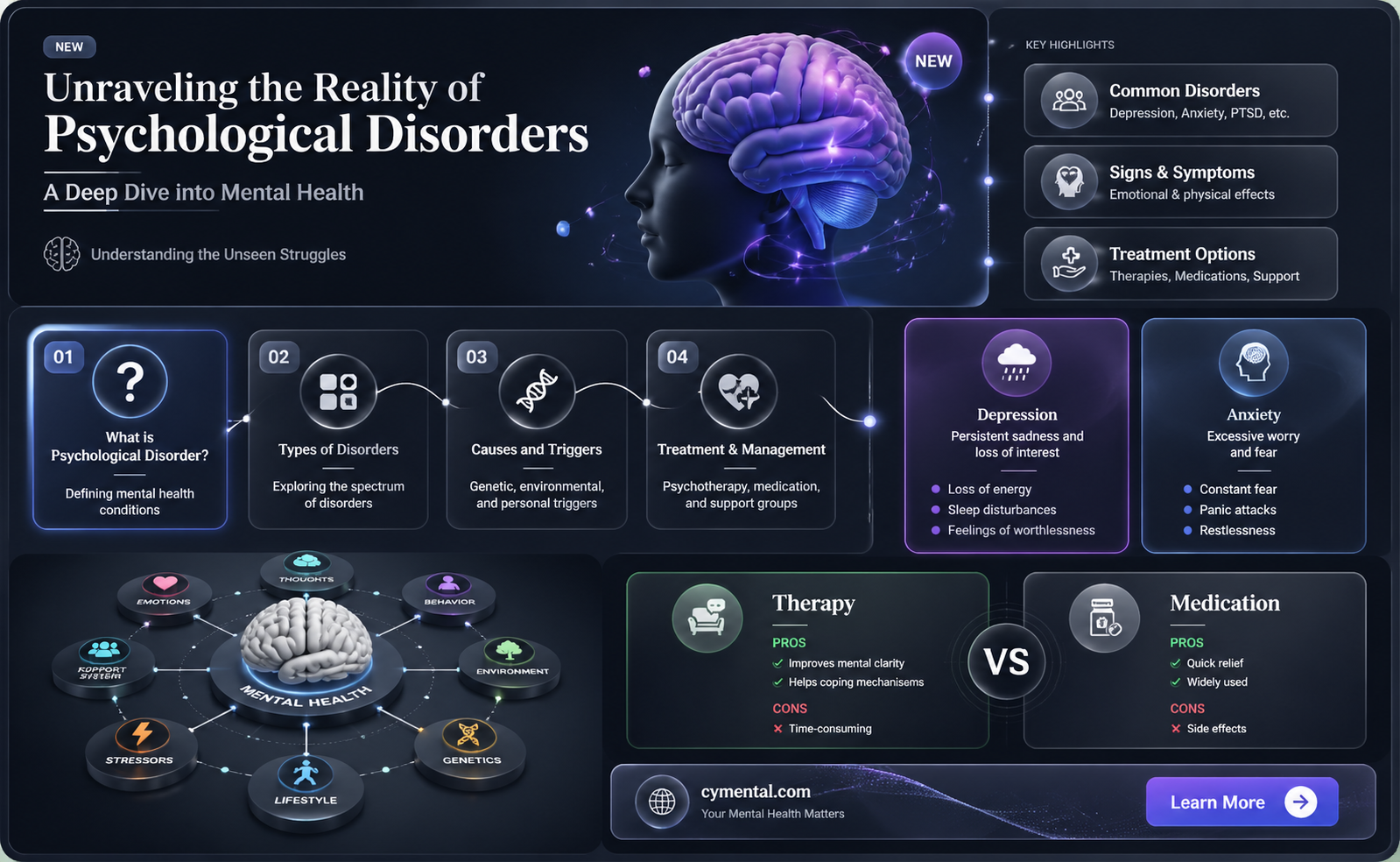
Psychological disorders, also known as mental disorders, are a complex and multifaceted topic that has sparked significant debate and discussion in the fields of psychology, psychiatry, and beyond. At their core, psychological disorders refer to conditions that affect an individual's thinking, feeling, and behavior, often causing distress and impairment in daily functioning. While the existence of psychological disorders is widely accepted by mental health professionals and researchers, there are varying perspectives on their nature, causes, and treatment. Some argue that psychological disorders are legitimate medical conditions with biological underpinnings, while others contend that they are social constructs or manifestations of personal struggles rather than distinct illnesses. This debate has important implications for how we understand and address mental health issues in society.
Explore related products


What You'll Learn
- Definition and Diagnosis: Understanding what constitutes a psychological disorder and how they are diagnosed
- Biological Basis: Exploring the genetic, neurological, and biochemical factors that contribute to psychological disorders
- Environmental Factors: Examining how social, cultural, and environmental influences can impact mental health
- Treatment and Management: Discussing various therapeutic approaches, medications, and strategies for managing psychological disorders
- Stigma and Perception: Addressing the societal attitudes, misconceptions, and stigma surrounding mental illness

Definition and Diagnosis: Understanding what constitutes a psychological disorder and how they are diagnosed
Psychological disorders are defined as conditions that affect an individual's thinking, feeling, and behavior, causing distress or impairment in daily functioning. These disorders are often complex and multifaceted, involving a combination of genetic, environmental, and psychological factors. The process of diagnosing a psychological disorder involves a thorough evaluation by a mental health professional, who will assess the individual's symptoms, medical history, and overall functioning.
One of the key challenges in diagnosing psychological disorders is the subjective nature of many symptoms. Unlike physical illnesses, which can often be diagnosed through objective measures such as blood tests or imaging scans, psychological disorders rely heavily on self-reported symptoms and behavioral observations. This can make it difficult to distinguish between different disorders, as many share overlapping symptoms. For example, anxiety and depression can both present with feelings of sadness and hopelessness, while attention deficit hyperactivity disorder (ADHD) and bipolar disorder can both involve symptoms of impulsivity and distractibility.
To address this challenge, mental health professionals use a variety of diagnostic tools and techniques. These may include structured interviews, such as the Diagnostic Interview for Mental Disorders (DIMD), which provides a standardized set of questions to assess for specific symptoms and disorders. Additionally, clinicians may use rating scales, such as the Beck Depression Inventory (BDI) or the Hamilton Rating Scale for Anxiety (HAM-A), to quantify the severity of symptoms. Psychological testing, such as cognitive assessments or personality inventories, can also provide valuable information about an individual's mental health.
In addition to these diagnostic tools, mental health professionals also rely on their clinical judgment and experience to make accurate diagnoses. This involves considering the individual's overall presentation, including their demeanor, speech patterns, and body language, as well as their personal history and any relevant contextual factors. By combining these various sources of information, clinicians can develop a comprehensive understanding of an individual's mental health and make informed decisions about diagnosis and treatment.
Despite the challenges involved in diagnosing psychological disorders, it is important to recognize that these conditions are real and can have a significant impact on an individual's quality of life. With proper diagnosis and treatment, many people with psychological disorders are able to manage their symptoms and lead fulfilling lives. Therefore, it is crucial to approach the topic of psychological disorders with sensitivity and understanding, and to support individuals who may be struggling with these conditions.
Understanding Sociopathy: A Complex Personality Disorder Explained
You may want to see also
Explore related products


Biological Basis: Exploring the genetic, neurological, and biochemical factors that contribute to psychological disorders
Recent advancements in genetics have unveiled a complex interplay between genes and the environment in the manifestation of psychological disorders. Twin and family studies have consistently shown that genetic factors play a significant role in the susceptibility to conditions such as schizophrenia, bipolar disorder, and major depressive disorder. For instance, if one identical twin develops schizophrenia, the other twin has a 40-50% chance of also developing the disorder, highlighting the strong genetic component.
Neurological research has further implicated specific brain regions and neurotransmitter systems in the pathophysiology of psychological disorders. Functional magnetic resonance imaging (fMRI) and positron emission tomography (PET) scans have revealed abnormalities in the prefrontal cortex, amygdala, and hippocampus in patients with depression and anxiety disorders. These regions are crucial for emotion regulation, memory formation, and executive functions, suggesting that disruptions in these neural circuits contribute to the symptoms observed in psychological disorders.
Biochemical studies have also shed light on the role of neurotransmitters such as serotonin, dopamine, and norepinephrine in mood regulation and the development of psychological disorders. Selective serotonin reuptake inhibitors (SSRIs), which increase the levels of serotonin in the brain, are commonly used to treat depression and anxiety disorders, underscoring the importance of this neurotransmitter in maintaining mental health. Additionally, abnormalities in the hypothalamic-pituitary-adrenal (HPA) axis, which regulates the body's stress response, have been linked to depression and post-traumatic stress disorder (PTSD).
Moreover, epigenetic research has shown that environmental factors can influence gene expression and contribute to the development of psychological disorders. For example, childhood trauma and neglect can lead to long-lasting changes in the epigenome, affecting the expression of genes involved in stress response and emotion regulation. This highlights the intricate interplay between genetic predisposition and environmental influences in the manifestation of psychological disorders.
In conclusion, the biological basis of psychological disorders is multifaceted, involving genetic, neurological, and biochemical factors. Understanding these underlying mechanisms is crucial for the development of effective treatments and interventions, as well as for reducing the stigma associated with mental health conditions. By recognizing the complex interplay between biological and environmental factors, we can move towards a more comprehensive and compassionate approach to mental health care.
Exploring the Link Between Cannabis Use and Mental Health
You may want to see also
Explore related products
![Myth of Mental Illness (REV 10) by Szasz, Thomas S [Paperback (2010)]](https://m.media-amazon.com/images/I/31Do99Xo19L._AC_UY218_.jpg)


Environmental Factors: Examining how social, cultural, and environmental influences can impact mental health
Social, cultural, and environmental factors play a significant role in shaping mental health outcomes. Research has shown that individuals living in environments with high levels of pollution, noise, and crowding are more likely to experience mental health issues such as anxiety and depression. Additionally, social factors such as socioeconomic status, access to healthcare, and social support networks can also impact mental health. Cultural factors, including cultural norms, values, and beliefs, can influence how mental health is perceived and addressed within a community.
One example of how environmental factors can impact mental health is the link between air pollution and depression. Studies have found that exposure to high levels of air pollution can lead to increased symptoms of depression, particularly in vulnerable populations such as children and older adults. This is thought to be due to the fact that air pollution can cause inflammation in the brain, which can disrupt neurotransmitter function and lead to depressive symptoms.
Another example is the impact of social isolation on mental health. Social isolation can lead to feelings of loneliness, which can increase the risk of developing mental health issues such as depression and anxiety. This is particularly concerning in today's society, where many individuals are experiencing increased levels of social isolation due to factors such as the COVID-19 pandemic and the rise of remote work.
Cultural factors can also play a role in mental health outcomes. For example, in some cultures, mental health issues may be stigmatized, leading individuals to avoid seeking help. Additionally, cultural norms and values can influence how mental health is addressed within a community, with some cultures placing a greater emphasis on traditional healing practices rather than Western-style psychotherapy.
To address the impact of environmental factors on mental health, it is important to take a multifaceted approach. This may include implementing policies to reduce air pollution, increasing access to green spaces, and promoting social connection through community programs. Additionally, it is important to address cultural stigma surrounding mental health and to ensure that mental health services are culturally sensitive and accessible to all individuals.
In conclusion, environmental factors such as social, cultural, and environmental influences can have a significant impact on mental health outcomes. By understanding these factors and taking steps to address them, we can work towards creating a healthier and more supportive environment for all individuals.
Understanding Amanda Bynes' Mental Health Journey: A Compassionate Look
You may want to see also
Explore related products




Treatment and Management: Discussing various therapeutic approaches, medications, and strategies for managing psychological disorders
Cognitive-behavioral therapy (CBT) is a widely used therapeutic approach for treating psychological disorders. It focuses on identifying and changing negative thought patterns and behaviors that contribute to the disorder. CBT is often used to treat anxiety, depression, and post-traumatic stress disorder (PTSD). Medications, such as selective serotonin reuptake inhibitors (SSRIs), are also commonly prescribed to manage symptoms of psychological disorders. These medications work by increasing the levels of serotonin in the brain, which can help improve mood and reduce anxiety.
In addition to CBT and medication, other therapeutic approaches include psychoanalytic therapy, which explores the unconscious mind and past experiences to understand and resolve conflicts, and dialectical behavior therapy (DBT), which combines CBT with mindfulness techniques to help individuals manage emotions and improve relationships. Alternative therapies, such as art therapy and music therapy, can also be effective in managing psychological disorders by providing a creative outlet for expression and emotional release.
Lifestyle changes, such as regular exercise, a healthy diet, and adequate sleep, can also play a significant role in managing psychological disorders. Exercise has been shown to reduce symptoms of anxiety and depression by releasing endorphins, which are natural mood elevators. A healthy diet can also impact mental health by providing essential nutrients that support brain function. Adequate sleep is crucial for overall mental well-being, as sleep deprivation can exacerbate symptoms of psychological disorders.
It is important to note that treatment and management of psychological disorders should be tailored to the individual's specific needs and circumstances. A combination of therapeutic approaches, medications, and lifestyle changes may be necessary to achieve optimal results. Additionally, ongoing support and monitoring by mental health professionals are essential to ensure the effectiveness of treatment and to make adjustments as needed.
In conclusion, the treatment and management of psychological disorders involve a multifaceted approach that includes various therapeutic techniques, medications, and lifestyle modifications. By addressing the unique needs of each individual, mental health professionals can help individuals manage their symptoms and improve their overall quality of life.
Understanding Mental Health Assessments: A Guide to Getting Tested
You may want to see also
Explore related products


$16.98 $30


Stigma and Perception: Addressing the societal attitudes, misconceptions, and stigma surrounding mental illness
Mental illness has long been shrouded in stigma and misconception, leading to societal attitudes that are often uninformed and discriminatory. This stigma manifests in various ways, from casual language that trivializes mental health struggles to more systemic issues like inadequate funding for mental health services. Addressing these attitudes is crucial for fostering a more supportive and understanding environment for those affected by psychological disorders.
One of the primary misconceptions is the notion that mental illness is not "real" or is simply a matter of personal weakness. This belief is deeply rooted in a lack of understanding of the biological and psychological underpinnings of mental health conditions. Educating the public about the tangible causes and effects of mental illness can help dispel this myth. For instance, explaining that depression is not just "feeling sad" but a complex condition involving neurotransmitter imbalances and genetic factors can shift perceptions.
Another aspect of stigma is the fear and misunderstanding surrounding specific mental health conditions. Schizophrenia, for example, is often misrepresented in media as a condition that makes individuals violent or unpredictable. In reality, people with schizophrenia are more likely to be victims of violence than perpetrators. Correcting these misconceptions through accurate representation and education can reduce the fear and discrimination faced by individuals with these conditions.
Language plays a significant role in perpetuating stigma. The use of derogatory terms or euphemisms to describe mental illness can reinforce negative attitudes. Encouraging the use of respectful and accurate language is essential. For example, using terms like "person with schizophrenia" instead of "schizophrenic" can help dehumanize the condition and promote a more dignified view of those affected.
Addressing stigma also involves creating inclusive environments where individuals feel safe to discuss their mental health struggles without fear of judgment or repercussions. This can be achieved through initiatives like mental health awareness campaigns, support groups, and educational programs in schools and workplaces. By fostering open dialogue and providing resources for those in need, we can work towards reducing the stigma associated with mental illness and promoting a more compassionate and informed society.
Understanding Autism Spectrum Disorder: Mental Illness or Neurodiversity?
You may want to see also
Frequently asked questions
Yes, psychological disorders are real. They are diagnosable conditions that affect a person's thinking, feeling, and behavior, causing significant distress or impairment in daily life.
Psychological disorders are diagnosed by mental health professionals using criteria outlined in diagnostic manuals such as the DSM-5 (Diagnostic and Statistical Manual of Mental Disorders). Diagnosis often involves a combination of clinical interviews, psychological assessments, and sometimes medical tests to rule out underlying physical causes.
Some common types of psychological disorders include anxiety disorders (such as generalized anxiety disorder and panic disorder), mood disorders (such as depression and bipolar disorder), personality disorders (such as borderline personality disorder), and psychotic disorders (such as schizophrenia).
Yes, psychological disorders can be treated. Treatment options may include psychotherapy (talk therapy), medication, or a combination of both. The specific treatment approach depends on the type and severity of the disorder, as well as the individual's preferences and needs.