Ava Ramirez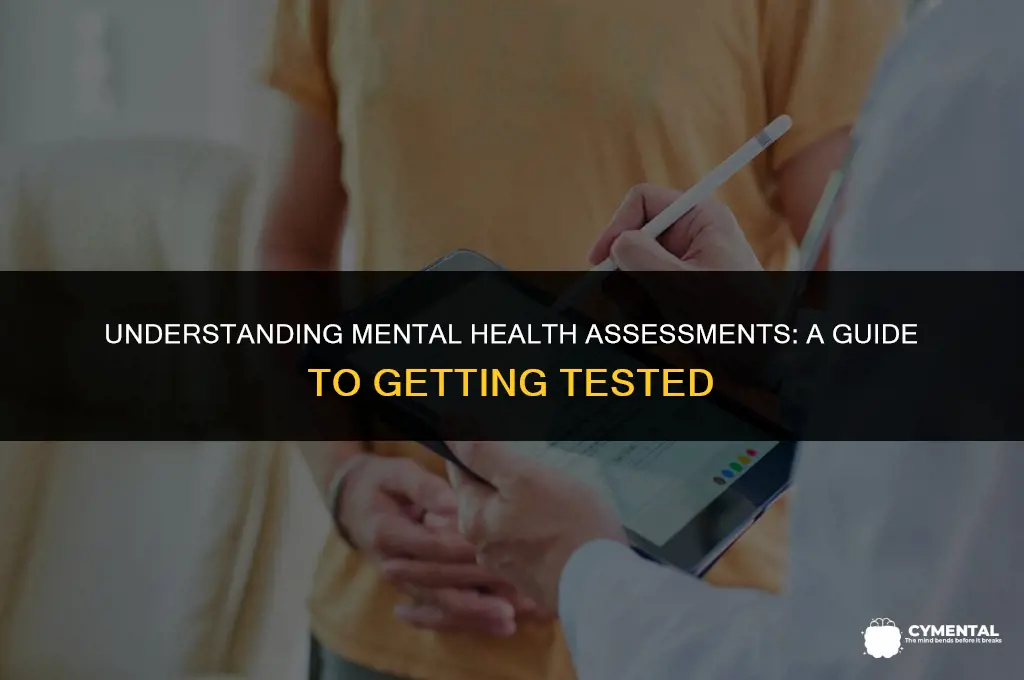
Mental health is a crucial aspect of overall well-being, and seeking testing for mental disorders is a proactive step towards understanding and managing one's mental health. The process of being tested for mental disorders typically involves a comprehensive evaluation by a qualified mental health professional, such as a psychologist, psychiatrist, or licensed therapist. This evaluation may include a thorough review of the individual's medical and psychological history, as well as the administration of standardized assessment tools and questionnaires designed to measure symptoms and cognitive functioning. It is important to approach this process with an open mind and a willingness to engage in honest self-reflection, as accurate diagnosis and treatment depend on the individual's ability to communicate their experiences and concerns effectively.
Explore related products


What You'll Learn
- Types of Mental Health Tests: Understand the various assessments used to diagnose mental disorders
- Finding a Mental Health Professional: Locate a qualified therapist or psychiatrist for accurate testing
- Preparing for the Assessment: Learn what to expect and how to prepare for a mental health evaluation
- During the Evaluation: Know the typical process and questions involved in a mental health assessment
- Interpreting Results: Discover how to understand and discuss the results of your mental health test

Types of Mental Health Tests: Understand the various assessments used to diagnose mental disorders
Mental health tests are crucial tools used by professionals to diagnose and understand various mental disorders. These assessments can vary widely in their approach, format, and the specific aspects of mental health they evaluate. Understanding the different types of mental health tests can help individuals prepare for what to expect during the diagnostic process and make informed decisions about their care.
One common type of mental health test is the psychological evaluation, which typically involves a series of questions and tasks designed to assess cognitive function, emotional state, and behavioral patterns. These evaluations may be conducted through interviews, questionnaires, or interactive activities, and they can help identify conditions such as depression, anxiety, and personality disorders.
Another type of assessment is the neuropsychological test, which focuses on the relationship between the brain and behavior. These tests may include tasks that evaluate memory, attention, language skills, and problem-solving abilities. Neuropsychological tests can be particularly useful in diagnosing conditions such as ADHD, traumatic brain injury, and dementia.
In addition to these more traditional approaches, there are also newer, technology-based mental health tests. For example, some assessments use virtual reality environments to simulate real-world situations and gauge an individual's reactions. Others utilize mobile apps to track mood, sleep patterns, and other behavioral data over time. These innovative tools can provide valuable insights into an individual's mental health and may be particularly appealing to younger generations who are comfortable with technology.
It's important to note that no single test can definitively diagnose a mental disorder. Instead, mental health professionals typically use a combination of assessments, along with clinical interviews and observations, to make a diagnosis. This comprehensive approach ensures that all relevant aspects of an individual's mental health are considered, leading to a more accurate and personalized treatment plan.
In conclusion, mental health tests play a vital role in the diagnostic process, offering a range of approaches to assess different aspects of mental function and behavior. By understanding the various types of tests available, individuals can better navigate the path to diagnosis and treatment, ultimately leading to improved mental health outcomes.
Unveiling the Psychological Symbolism Behind Disney Princesses
You may want to see also
Explore related products


Finding a Mental Health Professional: Locate a qualified therapist or psychiatrist for accurate testing
Locating a qualified mental health professional is a crucial step in the process of being tested for mental disorders. A therapist or psychiatrist with the right credentials and experience can provide an accurate diagnosis and recommend appropriate treatment options. To find a suitable professional, start by researching online directories or contacting your insurance provider for a list of in-network providers.
When selecting a mental health professional, consider their qualifications, such as their degree, licensure, and years of experience. It's also important to find someone who specializes in the specific type of mental disorder you suspect you may have. For example, if you're concerned about depression, look for a therapist who has experience treating depressive disorders.
Another factor to consider is the professional's approach to treatment. Some therapists focus on talk therapy, while others may incorporate medication or alternative therapies. Think about what type of treatment you're most comfortable with and look for a professional who aligns with your preferences.
It's also essential to find a mental health professional with whom you feel comfortable and can build a trusting relationship. This may involve meeting with several providers before finding the right fit. Don't be discouraged if it takes time to find the right person – it's worth the effort to ensure you receive the best possible care.
Once you've found a potential mental health professional, schedule an initial consultation to discuss your concerns and goals for treatment. This meeting will give you an opportunity to assess the professional's qualifications and approach, as well as determine if you feel comfortable working with them. Remember, finding the right mental health professional is a critical step in managing your mental health and improving your overall well-being.
Navigating the Labyrinth: Understanding the Challenges of Complex Mental Disorders
You may want to see also
Explore related products

Preparing for the Assessment: Learn what to expect and how to prepare for a mental health evaluation
Knowing what to expect can significantly reduce anxiety related to a mental health evaluation. Typically, the process begins with a referral from a primary care physician or a self-referral to a mental health professional. The initial contact may involve a brief phone screening to determine the nature of the concerns and the urgency of the appointment. Following this, an in-person or virtual consultation is scheduled.
To prepare for the assessment, it is helpful to keep a journal of symptoms, including when they occur, their duration, and any triggers or patterns noticed. This can provide valuable insights to the mental health professional. Additionally, making a list of questions or concerns to discuss during the evaluation can ensure that all relevant topics are covered. It is also advisable to gather any previous medical records or test results that may be pertinent to the mental health assessment.
On the day of the evaluation, it is important to arrive early to fill out any necessary paperwork. The assessment itself may involve a combination of interviews, questionnaires, and possibly psychological testing. The mental health professional will likely ask about personal and family medical history, current symptoms, and any past treatments or interventions. Being honest and open during the evaluation is crucial for an accurate diagnosis and effective treatment plan.
After the assessment, the mental health professional will discuss their findings and recommendations. This may include a diagnosis, treatment options, and a plan for follow-up care. It is important to ask any questions and express any concerns during this time to ensure a clear understanding of the next steps. Following the evaluation, it may be helpful to schedule a separate appointment with a primary care physician to discuss the results and integrate mental health care with overall medical care.
Exploring the Mental Health of King George: A Historical Analysis
You may want to see also
During the Evaluation: Know the typical process and questions involved in a mental health assessment
During a mental health assessment, the evaluator will typically follow a structured process to gather comprehensive information about the individual's symptoms, history, and current circumstances. This process may begin with an initial interview, where the evaluator will ask open-ended questions to understand the individual's concerns and reasons for seeking evaluation. The evaluator may also ask about the individual's personal and family history, including any previous mental health diagnoses or treatments.
The assessment may then involve the administration of standardized questionnaires or rating scales to gather more specific information about the individual's symptoms and functioning. These tools can help the evaluator to identify patterns and areas of concern that may not be immediately apparent through conversation alone. Depending on the individual's symptoms and the evaluator's suspicions, additional assessments such as cognitive testing or personality inventories may also be administered.
Throughout the evaluation, the evaluator will be observing the individual's behavior, mood, and thought processes. They may also consult with other healthcare professionals, such as primary care physicians or specialists, to gather additional information and rule out potential medical causes for the individual's symptoms. The evaluator will use all of this information to develop a comprehensive understanding of the individual's mental health status and make recommendations for treatment or further evaluation.
It is important for individuals undergoing a mental health assessment to be honest and open about their symptoms and concerns. The evaluator is there to help and provide support, and the more information they have, the better they can tailor their recommendations to the individual's needs. It is also important for individuals to ask questions and seek clarification if they are unsure about any part of the process or the evaluator's recommendations.
In conclusion, a mental health assessment is a thorough and structured process that involves gathering information about an individual's symptoms, history, and current circumstances. The evaluator will use a variety of tools and techniques to develop a comprehensive understanding of the individual's mental health status and make recommendations for treatment or further evaluation. By being open and honest during the assessment, individuals can help to ensure that they receive the most appropriate and effective care.
Unveiling the Experts: Who Diagnoses Mental Disorders?
You may want to see also
Interpreting Results: Discover how to understand and discuss the results of your mental health test
Understanding the results of a mental health test can be a pivotal moment in your journey towards better mental well-being. It's essential to approach this step with a clear mindset and a willingness to engage with the information presented. Here are some key points to help you interpret your results effectively:
- Contextualize Your Results: Mental health tests often provide scores or categories that indicate the presence or absence of certain symptoms or disorders. It's crucial to understand that these results are not definitive diagnoses but rather tools to help guide further evaluation and treatment. Your results should be considered in the context of your personal history, current circumstances, and any other relevant factors that may influence your mental health.
- Seek Professional Guidance: While online mental health tests can provide valuable insights, they should not replace a consultation with a qualified mental health professional. A therapist, psychologist, or psychiatrist can help you understand your results in depth, discuss potential diagnoses, and develop a personalized treatment plan. They can also provide support and guidance as you navigate the complexities of mental health care.
- Educate Yourself: Take the time to research the specific test you took and the disorders it screens for. Familiarize yourself with the symptoms, risk factors, and treatment options associated with any conditions indicated by your results. This knowledge will empower you to make informed decisions about your care and engage more effectively with your healthcare providers.
- Reflect on Your Experiences: Consider how your test results align with your personal experiences and observations. Have you noticed changes in your mood, behavior, or daily functioning that could be related to the symptoms identified by the test? Reflecting on these experiences can help you gain a deeper understanding of your mental health and identify areas where you may need additional support.
- Discuss Your Results with Others: Sharing your test results with trusted friends or family members can provide emotional support and help you gain different perspectives on your situation. However, it's important to be mindful of who you share this information with and to set boundaries to protect your privacy and well-being.
- Take Action: Based on your test results and professional guidance, take proactive steps towards improving your mental health. This may include seeking therapy, medication, lifestyle changes, or other interventions recommended by your healthcare provider. Remember that mental health is an ongoing process, and it's essential to be patient and persistent as you work towards better well-being.
By following these steps, you can gain a comprehensive understanding of your mental health test results and use this information to guide your journey towards improved mental well-being.
Unraveling the Truth: Britney Spears' Mental Health Journey
You may want to see also
Frequently asked questions
The first step in getting tested for a mental disorder is to consult with a healthcare professional, such as a primary care physician or a mental health specialist. They can provide an initial evaluation and refer you to a psychologist or psychiatrist for further assessment if needed.
Mental disorders are typically diagnosed through a combination of methods, including clinical interviews, psychological assessments, and sometimes medical tests. The specific tests used can vary depending on the symptoms and the suspected disorder.
The duration of the testing process can vary widely. It may take anywhere from a few weeks to several months, depending on the complexity of the case, the availability of the healthcare professionals, and the specific tests that need to be conducted.
During a psychological assessment, you can expect to answer questions about your symptoms, personal history, and current life situation. The psychologist may use standardized questionnaires or tests to evaluate your cognitive functioning, emotional state, and personality traits. You may also be asked to describe any distressing experiences or thoughts you have been having.
Yes, your mental health diagnosis is typically confidential and protected by privacy laws. Healthcare professionals are required to maintain the confidentiality of your medical records, including any mental health diagnoses or treatment plans. However, there may be exceptions in cases where there is a risk of harm to yourself or others, or if you give consent for your information to be shared with specific individuals or organizations.