Noah Parker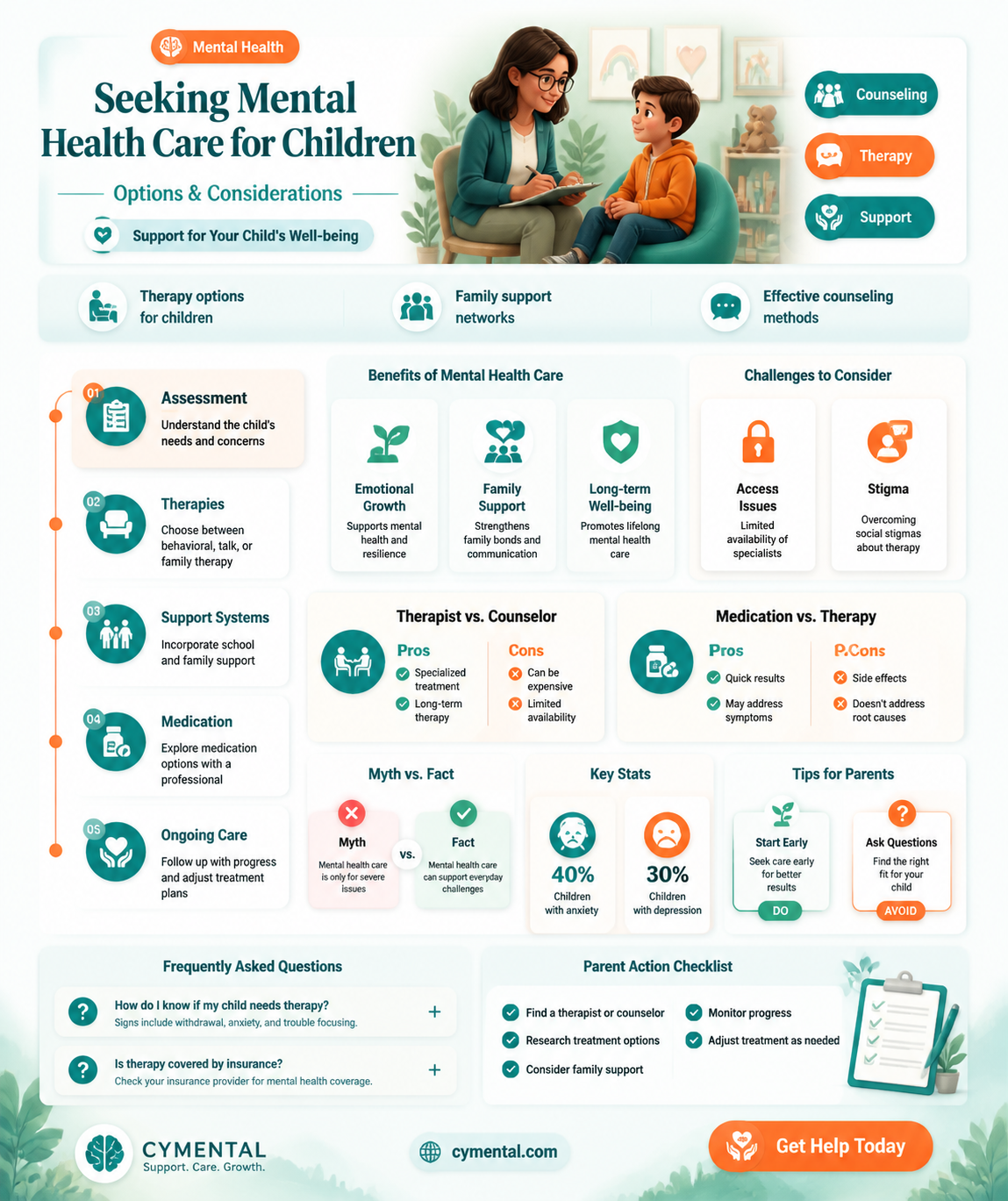
The question of whether an 11-year-old can go to a mental hospital is a complex and sensitive issue that involves considerations of child welfare, mental health, and legal frameworks. In many jurisdictions, children under the age of 12 are generally not admitted to adult psychiatric hospitals due to their unique developmental needs and the potential risks associated with such environments. Instead, they may be referred to specialized child and adolescent mental health services, which are designed to provide age-appropriate care and support. These services can include outpatient therapy, day programs, or residential treatment centers that cater specifically to the needs of young children. The decision to hospitalize a child should always be made in consultation with mental health professionals, social workers, and, whenever possible, the child's family, to ensure that the child receives the most appropriate and effective care.
| Characteristics | Values |
|---|---|
| Age Requirement | Typically, there is no strict age requirement for admission to a mental hospital. However, specialized facilities or programs for children and adolescents often have age-specific criteria. |
| Admission Criteria | Admission to a mental hospital is usually based on a comprehensive assessment of the individual's mental health needs, including the presence of a diagnosable mental disorder, severity of symptoms, and potential risk to self or others. |
| Parental Consent | For minors, including 11-year-olds, parental consent is generally required for admission to a mental hospital. In some cases, a court order may be necessary if parents are unable or unwilling to provide consent. |
| Duration of Stay | The length of stay in a mental hospital varies depending on the individual's needs and treatment plan. It can range from a few days to several weeks or even months. |
| Types of Treatment | Treatment in a mental hospital may include medication, individual and group therapy, behavioral interventions, and educational programs. The specific treatment plan is tailored to the individual's diagnosis and needs. |
| Visitation Policies | Visitation policies vary by facility. Some hospitals may have restricted visiting hours or require appointments, while others may allow more flexible visitation. |
| Cost and Insurance | The cost of a mental hospital stay can be significant and is typically covered by health insurance. Medicaid and Medicare may also cover some or all of the costs for eligible individuals. |
| Discharge Planning | Discharge planning begins upon admission and involves developing a comprehensive plan for the individual's transition back to the community. This may include follow-up appointments, medication management, and referrals to community resources. |
| Success Rates | Success rates for mental hospital treatment vary depending on the individual's diagnosis, severity of symptoms, and engagement with treatment. Overall, many individuals experience significant improvement in their mental health outcomes with appropriate treatment. |
| Alternatives to Hospitalization | Alternatives to hospitalization may include outpatient therapy, medication management, crisis intervention services, and community-based support programs. These options are often considered before hospitalization is recommended. |
Explore related products


What You'll Learn
- Assessment Process: Evaluation by a mental health professional to determine the need for hospitalization
- Parental Consent: Legal requirements and considerations regarding parental permission for minor's treatment
- Types of Facilities: Overview of different mental health facilities suitable for children, including inpatient and outpatient options
- Treatment Approaches: Various therapeutic methods used in treating children's mental health issues, such as therapy and medication
- Support Systems: Importance of family and community support in the mental health treatment process for children

Assessment Process: Evaluation by a mental health professional to determine the need for hospitalization
The assessment process for determining the need for hospitalization of an 11-year-old involves a thorough evaluation by a qualified mental health professional. This process is critical in ensuring that the child receives the appropriate level of care for their specific needs. The evaluation typically includes a comprehensive review of the child's medical and psychiatric history, as well as an assessment of their current symptoms and behaviors.
During the assessment, the mental health professional will likely conduct interviews with the child, their parents or guardians, and possibly other relevant individuals such as teachers or school counselors. These interviews help to gather information about the child's functioning in various settings and identify any potential risks or concerns. Additionally, the professional may administer psychological tests or assessments to further understand the child's cognitive, emotional, and behavioral state.
The assessment process also involves a review of any previous treatment the child has received, including medications, therapy, or other interventions. This information is crucial in determining whether hospitalization is necessary or if alternative treatment options could be more effective. The mental health professional will also consider the child's support system and the availability of resources in the community that could aid in their treatment and recovery.
Ultimately, the decision to hospitalize an 11-year-old is made based on the results of the assessment and the professional judgment of the mental health provider. The goal is to ensure that the child receives the most appropriate and effective care possible, while also minimizing any potential risks or disruptions to their life.
Exploring the Inner Workings of Mental Health Facilities
You may want to see also
Parental Consent: Legal requirements and considerations regarding parental permission for minor's treatment
In the context of mental health treatment for minors, parental consent is a critical legal requirement that must be carefully considered. Generally, parents or legal guardians have the authority to make medical decisions on behalf of their children, including mental health treatment. However, the specifics of parental consent can vary significantly depending on the jurisdiction, the type of treatment, and the minor's age.
For instance, in many places, outpatient mental health services such as therapy sessions may not require formal written consent, but rather an oral agreement from a parent or guardian. On the other hand, inpatient treatment, such as hospitalization, typically necessitates explicit written consent. Some jurisdictions may also require that the minor assent to treatment, particularly if they are of a certain age or deemed mature enough to understand the implications of the treatment.
It's also important to consider situations where a minor may not want their parents involved in their mental health treatment. In some cases, minors may have the legal right to seek treatment without parental consent, especially if they are considered emancipated or if there are concerns about parental abuse or neglect. Mental health professionals must be aware of these nuances and ensure that they are following the appropriate legal guidelines while also prioritizing the best interests of the minor.
Moreover, the process of obtaining parental consent should be handled with sensitivity and respect for both the minor and the parents. Mental health professionals should take the time to explain the treatment options, the potential benefits and risks, and the reasons why the treatment is recommended. This can help to ensure that parents are fully informed and that their consent is given voluntarily and with understanding.
In conclusion, while parental consent is a fundamental legal requirement for mental health treatment of minors, it is not a one-size-fits-all proposition. Mental health professionals must be knowledgeable about the specific legal requirements in their jurisdiction and must approach the consent process with care and consideration for all parties involved. By doing so, they can help to ensure that minors receive the treatment they need while also respecting the rights and responsibilities of their parents or guardians.
Empowering Youth: Understanding Minors' Rights in Mental Health Care
You may want to see also
Types of Facilities: Overview of different mental health facilities suitable for children, including inpatient and outpatient options
Mental health facilities for children are designed to provide a safe and supportive environment for young individuals struggling with mental health issues. These facilities can be broadly categorized into inpatient and outpatient options, each tailored to meet specific needs and treatment goals.
Inpatient facilities, also known as residential treatment centers, offer 24-hour care and supervision for children who require intensive treatment. These facilities are typically used for children with severe mental health conditions, such as depression, anxiety, or behavioral disorders, who may be at risk of self-harm or require close monitoring. Inpatient facilities provide a structured environment with a team of mental health professionals, including psychiatrists, psychologists, and counselors, who work together to develop and implement individualized treatment plans.
Outpatient facilities, on the other hand, offer mental health services on a part-time basis, allowing children to receive treatment while still attending school and participating in their daily activities. These facilities are suitable for children with less severe mental health issues or those who have completed inpatient treatment and require ongoing support. Outpatient facilities may offer individual therapy, group therapy, or family therapy sessions, as well as medication management and crisis intervention services.
Specialized facilities cater to children with specific mental health needs, such as those with autism spectrum disorder, attention deficit hyperactivity disorder (ADHD), or eating disorders. These facilities may offer targeted interventions and support services designed to address the unique challenges faced by children with these conditions.
When considering mental health facilities for children, it is essential to choose a program that is age-appropriate and tailored to the child's specific needs. Factors to consider include the facility's accreditation, the qualifications of the staff, the treatment approaches used, and the availability of aftercare support.
In conclusion, mental health facilities for children play a crucial role in providing the necessary support and treatment for young individuals struggling with mental health issues. By understanding the different types of facilities available, parents and caregivers can make informed decisions about the best course of action for their child's mental health needs.
Exploring Alternatives: Mental Health Treatment vs. Incarceration
You may want to see also
Treatment Approaches: Various therapeutic methods used in treating children's mental health issues, such as therapy and medication
In the realm of children's mental health treatment, various therapeutic methods are employed to address a wide range of issues. These approaches are tailored to the unique developmental needs and circumstances of each child. One of the primary methods used is psychotherapy, which involves talking with a trained therapist to understand and manage emotions, behaviors, and relationships. For children, this often takes the form of play therapy, where they express themselves through play, or cognitive-behavioral therapy (CBT), which helps them identify and change negative thought patterns and behaviors.
Medication is another key component in the treatment of children's mental health issues. Psychiatric medications can be prescribed to manage symptoms of conditions such as depression, anxiety, ADHD, and bipolar disorder. It is crucial that these medications are carefully monitored and adjusted by a child psychiatrist to ensure efficacy and minimize potential side effects. In some cases, a combination of therapy and medication may be recommended to achieve the best outcomes.
In addition to traditional therapy and medication, there are alternative and complementary approaches that can be beneficial for children's mental health. These include mindfulness practices, which teach children to focus on the present moment and manage stress, and art therapy, which allows them to express their feelings and experiences through creative activities. Family therapy is also an important aspect, as it helps to improve communication and relationships within the family unit, which can have a significant impact on a child's mental well-being.
When considering treatment approaches for children's mental health, it is essential to take into account the child's age, specific needs, and the severity of their symptoms. A comprehensive evaluation by a mental health professional will help determine the most appropriate course of treatment. It is also important to involve the child and their family in the treatment process, as this can lead to better engagement and outcomes.
In conclusion, the treatment of children's mental health issues involves a multifaceted approach that may include psychotherapy, medication, and alternative therapies. By tailoring these methods to the individual needs of each child and involving them and their families in the process, mental health professionals can help children achieve better emotional and behavioral well-being.
Unraveling the Complex Reasons Behind the Closure of Mental Hospitals in the 1980s
You may want to see also
Support Systems: Importance of family and community support in the mental health treatment process for children
Family and community support play a crucial role in the mental health treatment process for children. When a child is struggling with mental health issues, having a strong support system can significantly impact their recovery and overall well-being. This support can come from various sources, including parents, siblings, extended family members, friends, teachers, and community organizations.
One of the primary ways that family and community support can help children with mental health issues is by providing a sense of belonging and acceptance. When children feel loved and supported, they are more likely to seek help and engage in treatment. Additionally, having a support system can help children develop coping skills and resilience, which are essential for managing their mental health.
Community support can also play a vital role in the mental health treatment process. Local organizations, such as mental health clinics, support groups, and advocacy organizations, can provide resources and services that complement formal treatment. These resources may include educational programs, peer support groups, and recreational activities that promote mental wellness.
Furthermore, family and community support can help reduce the stigma associated with mental health issues. When children see that their loved ones and community members are supportive and understanding, they may feel more comfortable seeking help and talking about their struggles. This can lead to earlier intervention and better outcomes.
In conclusion, family and community support are essential components of the mental health treatment process for children. By providing a sense of belonging, acceptance, and resources, support systems can help children manage their mental health issues and improve their overall well-being. It is crucial for parents, caregivers, and community members to be aware of the importance of their role in supporting children's mental health and to take steps to create a supportive environment.
Unraveling the Mystery: Dr. Sturgis' Journey to the Mental Hospital
You may want to see also
Frequently asked questions
Yes, an 11-year-old can be admitted to a mental hospital if they are experiencing significant mental health issues that require intensive treatment. Admission is typically determined by a mental health professional who assesses the child's needs.
Conditions that might lead to an 11-year-old being hospitalized include severe depression, anxiety disorders, suicidal thoughts or attempts, self-harm behaviors, psychosis, or other serious mental health concerns that interfere with daily functioning.
The length of stay in a mental hospital for an 11-year-old varies depending on the severity of their condition and the treatment plan developed by the healthcare team. It can range from a few days to several weeks or even months in some cases. The goal is to stabilize the child's condition and provide them with the necessary tools and support for ongoing recovery.