Ava Ramirez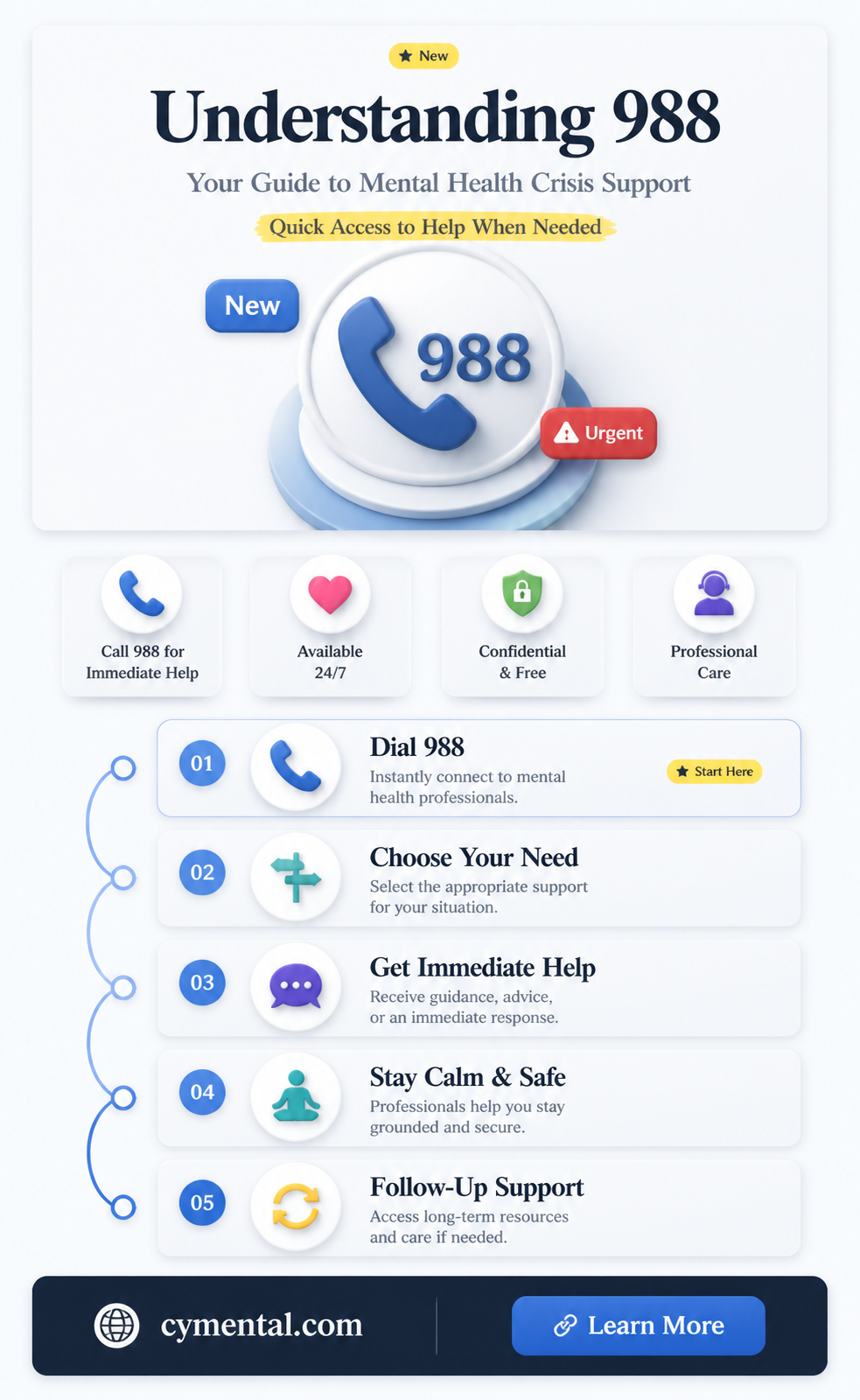
The question of whether dialing 988 can result in being sent to a mental hospital is a critical one, touching on the intersection of mental health support and emergency services. The 988 number has been established as a nationwide mental health crisis hotline in the United States, designed to provide immediate support and resources to individuals experiencing mental health emergencies. However, there are concerns and misconceptions about the potential consequences of using this service, including the possibility of involuntary hospitalization. To address this, it's essential to understand the protocols and safeguards in place to ensure that individuals receive the appropriate level of care and support without unnecessary coercion or stigma.
What You'll Learn

What is 988?
988 is the three-digit dialing code for the National Suicide Prevention Lifeline in the United States. It was established in 2005 and is available 24/7 for individuals in crisis or those seeking information and resources related to mental health and suicide prevention. When dialed, callers are connected to a network of over 160 crisis centers across the country, staffed by trained professionals who can provide immediate support and guidance.
The primary purpose of 988 is to offer a direct and accessible point of contact for those experiencing suicidal thoughts or behaviors, as well as for friends, family members, and caregivers who may be concerned about someone's mental health. Callers can expect to receive empathetic listening, crisis intervention, and referrals to local mental health services and resources.
It's important to note that while 988 is a critical resource for mental health support, it is not a direct means of hospitalization. The lifeline's primary goal is to provide immediate crisis intervention and connect callers with appropriate mental health services in their community. In some cases, this may involve facilitating access to emergency psychiatric care or inpatient treatment, but the decision to hospitalize an individual is made by mental health professionals based on a thorough assessment of the person's needs and circumstances.
In recent years, there has been a growing awareness of the importance of mental health support and the role that services like 988 play in preventing suicide and promoting overall well-being. As a result, there have been efforts to expand and enhance the 988 system, including increased funding, expanded hours of operation, and the development of new technologies to improve access and response times.
Overall, 988 serves as a vital lifeline for those in need of mental health support, providing a confidential, anonymous, and accessible point of contact for individuals in crisis. While it is not a direct means of hospitalization, it plays a crucial role in connecting callers with the resources and services they need to address their mental health concerns and improve their overall well-being.
Understanding Mental Health Care Costs: Insurance Coverage and Beyond
You may want to see also
How does 988 work?
The 988 Suicide & Crisis Lifeline is a critical resource for individuals experiencing mental health crises. When someone dials 988, their call is routed to a local crisis center, where trained professionals are available 24/7 to provide support. These professionals are equipped to handle a wide range of situations, from suicidal thoughts to emotional distress.
Upon connecting with a crisis counselor, the caller is assessed to determine the severity of their situation and the type of support they need. The counselor may provide immediate emotional support, help the caller develop a safety plan, or connect them with local mental health resources. In some cases, the counselor may determine that the caller requires more intensive support, such as an in-person evaluation or admission to a mental health facility.
If hospitalization is deemed necessary, the crisis counselor will work with local emergency services to ensure the caller receives appropriate care. This may involve sending an ambulance or coordinating with a psychiatric hospital to arrange for the caller's admission. It's important to note that while 988 can facilitate access to mental health services, including hospitalization, the decision to hospitalize is made by mental health professionals based on the individual's specific needs and circumstances.
One of the key benefits of 988 is that it provides a streamlined process for accessing mental health support. By dialing a single, easy-to-remember number, individuals in crisis can quickly connect with trained professionals who can help them navigate their situation. This can be particularly important in emergency situations where time is of the essence.
In addition to providing immediate support, 988 also plays a role in connecting individuals with longer-term mental health resources. Crisis counselors can provide information about local support groups, therapy services, and other resources that can help individuals manage their mental health and prevent future crises.
Overall, 988 is a vital tool for addressing mental health crises and ensuring that individuals receive the support they need. By providing a direct line to trained professionals, 988 helps to reduce the barriers to accessing mental health care and can play a critical role in saving lives.
The Evolution of Mental Health Care: What Happened to Mental Hospitals?
You may want to see also
Can 988 send you to a hospital?
In the context of mental health crisis services, the 988 hotline is a vital resource designed to provide immediate support and intervention. While it is not a direct means to hospital admission, its primary function is to connect individuals in crisis with trained professionals who can assess their needs and facilitate appropriate care. This may include directing them to emergency services, arranging for inpatient care, or providing referrals to local mental health facilities.
The process of being sent to a hospital through 988 involves several steps. Initially, the caller is connected with a crisis counselor who will listen to their concerns and evaluate the severity of their situation. If the counselor determines that the individual is at risk of harming themselves or others, or is experiencing a severe mental health episode, they may dispatch emergency services to the caller's location. In some cases, this can lead to involuntary hospitalization if the individual is deemed unable to make safe decisions for themselves.
It is important to note that the outcome of a 988 call is not predetermined and will depend on the specific circumstances of each case. The hotline is not intended for non-emergency situations or as a means to coerce individuals into treatment against their will. Instead, it serves as a critical lifeline for those in immediate need of mental health support and intervention.
In summary, while 988 is not a direct conduit to hospital admission, it plays a crucial role in connecting individuals in crisis with the necessary resources and support to address their mental health needs. The hotline's effectiveness lies in its ability to provide timely and appropriate assistance, which can include hospital admission when deemed necessary by trained professionals.
Understanding Asylum: Dispelling Myths About Mental Health Facilities
You may want to see also
When should you call 988?
Calling 988 is a critical step for individuals experiencing a mental health crisis. This service is designed to provide immediate support and resources to those in distress. It's essential to recognize the signs that may necessitate such a call. For instance, if someone is expressing suicidal thoughts, engaging in self-harm, or experiencing a severe panic attack, these are clear indicators that professional help is needed urgently.
The 988 service is staffed by trained mental health professionals who can assess the situation and provide appropriate guidance. They may offer crisis counseling, connect the caller with local resources, or, in some cases, dispatch emergency services if the individual is at imminent risk of harm. It's important to note that while 988 can provide immediate support, it is not a substitute for ongoing mental health treatment.
One common concern is whether calling 988 will result in involuntary hospitalization. The answer to this varies by location and the specific circumstances of the call. In some cases, if the individual is deemed to be a danger to themselves or others, emergency services may be sent, and the person could be taken to a hospital for evaluation. However, this is typically a last resort and is only done when absolutely necessary to ensure the safety of all involved.
It's also crucial to be aware of the limitations of 988. While the service is available 24/7, there may be wait times during periods of high call volume. Additionally, the service is not intended for non-emergency situations or for individuals seeking long-term mental health care. For those needs, it's recommended to seek out other resources, such as a primary care physician, a therapist, or a local mental health clinic.
In summary, calling 988 should be reserved for situations where immediate mental health support is needed. It's a valuable resource for those in crisis, providing a lifeline to professional help and potentially life-saving interventions. However, it's important to understand the service's limitations and to seek out other forms of care for non-emergency or ongoing mental health needs.
Navigating the Process: How to Check Into a Mental Health Hospital
You may want to see also
What happens after calling 988?
After calling 988, the Suicide & Crisis Lifeline, the caller will be connected to a trained crisis counselor who will listen to their concerns and provide immediate support. The counselor will assess the caller's situation and determine the appropriate level of care. In most cases, the counselor will offer to connect the caller with local resources, such as mental health providers, support groups, or emergency services.
If the caller is in imminent danger of harming themselves or others, the counselor may dispatch emergency services to their location. However, this is typically a last resort, and the counselor will first attempt to de-escalate the situation and connect the caller with appropriate resources.
It's important to note that calling 988 does not automatically result in hospitalization. The goal of the lifeline is to provide support and connect callers with the resources they need to address their mental health concerns. Hospitalization may be recommended in some cases, but it is not the primary objective of the service.
In some instances, the caller may be connected with a mobile crisis team, which can provide on-site support and assessment. These teams are trained to respond to mental health crises and can help individuals access the care they need without resorting to hospitalization.
Overall, the process after calling 988 is designed to provide immediate support, assess the caller's needs, and connect them with the appropriate resources to address their mental health concerns. The focus is on providing compassionate care and support, rather than automatically resorting to hospitalization.
Understanding Involuntary Psychiatric Holds: When Can Police Detain You?
You may want to see also
Frequently asked questions
No, 988 is a suicide and crisis lifeline that provides support and resources for individuals in crisis. It does not have the authority to involuntarily commit someone to a mental hospital.
The purpose of 988 is to provide a nationwide, toll-free hotline for individuals experiencing suicidal thoughts, mental health crises, or substance use disorders. It connects callers with trained crisis counselors who can offer support, resources, and referrals to local services.
When you call 988, you will be connected with a trained crisis counselor who will listen to your concerns, provide emotional support, and help you develop a plan to address your crisis. They can also refer you to local mental health services, substance use treatment, or other resources as needed.
Yes, 988 is confidential. Crisis counselors do not ask for your name or personal information, and your call is not recorded or traced. However, if you are at risk of harming yourself or others, the counselor may need to contact emergency services to ensure your safety.
988 is specifically designed for mental health crises and suicidal thoughts, while 911 is for all types of emergencies, including medical, fire, and police. Calling 988 connects you with a trained crisis counselor who can provide emotional support and resources, whereas calling 911 may result in emergency services being dispatched to your location.