Caleb Wright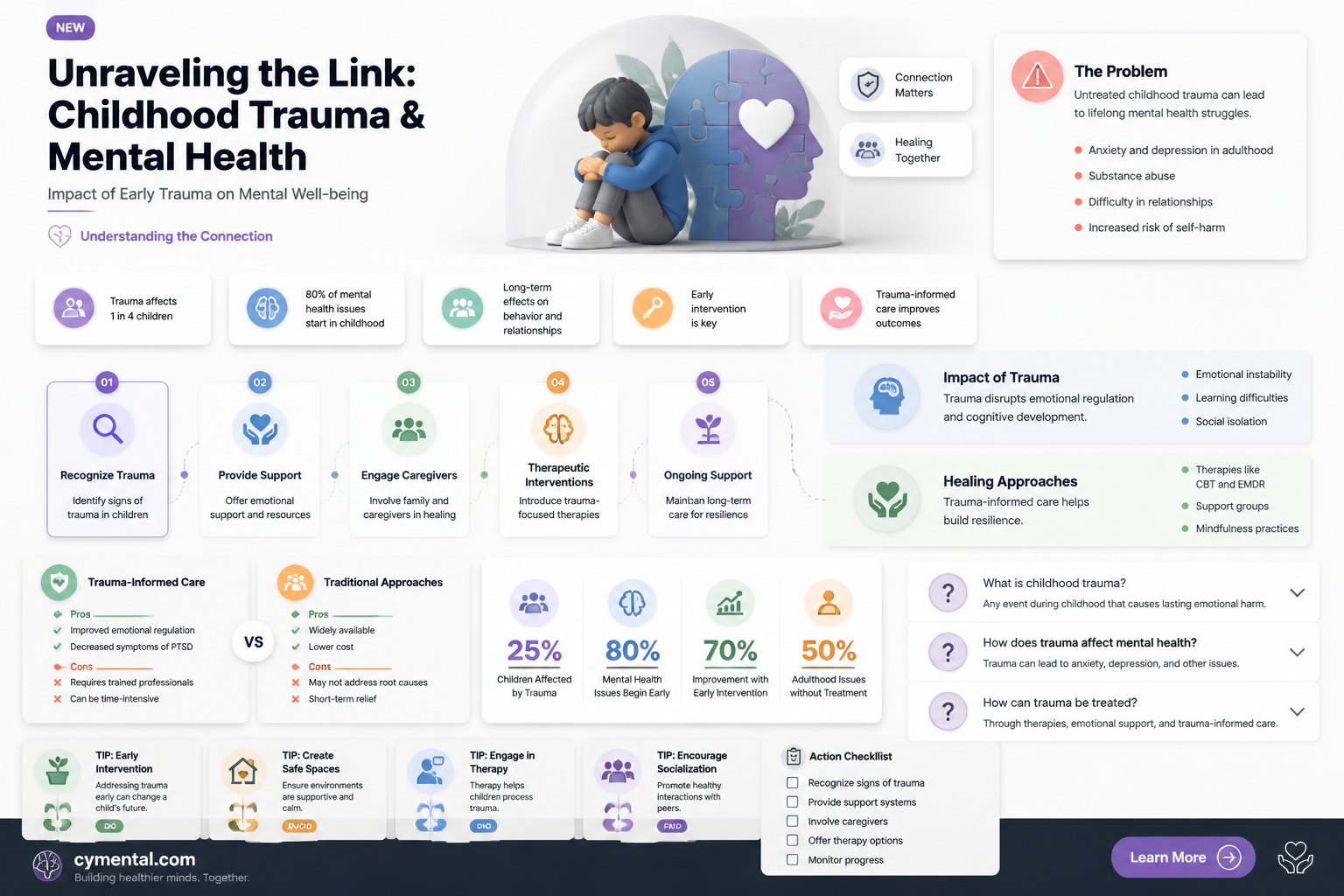
The question of whether a bad childhood can cause mental illness is a complex and multifaceted one. While it is widely acknowledged that adverse childhood experiences can have a profound impact on an individual's emotional and psychological well-being, the relationship between childhood trauma and mental illness is not always straightforward. Research suggests that a difficult childhood can increase the risk of developing mental health issues later in life, but it is also important to recognize that not all individuals who experience childhood adversity will go on to develop mental illness. Various factors, including genetic predisposition, social support, and individual resilience, can influence the long-term effects of childhood trauma on mental health.
| Characteristics | Values |
|---|---|
| Definition | A bad childhood refers to a period of upbringing marked by neglect, abuse, or trauma. Mental illness encompasses a wide range of conditions affecting mood, thinking, and behavior. |
| Types of Childhood Trauma | Physical abuse, emotional abuse, sexual abuse, neglect, bullying, parental substance abuse, parental mental illness, divorce, death of a loved one. |
| Potential Mental Health Outcomes | Depression, anxiety, post-traumatic stress disorder (PTSD), borderline personality disorder, substance abuse disorders, eating disorders, schizophrenia. |
| Mechanisms | Chronic stress, altered brain development, disrupted attachment, learned maladaptive coping strategies, genetic predisposition. |
| Prevention | Early intervention, supportive parenting, trauma-informed care, mental health education, community support programs. |
| Treatment | Therapy (CBT, DBT, EMDR), medication, support groups, holistic approaches (mindfulness, yoga), hospitalization (in severe cases). |
| Prognosis | Varies by individual and condition; early treatment improves outcomes. |
| Research Findings | Strong correlation between adverse childhood experiences (ACEs) and mental health issues in adulthood. |
| Societal Impact | Increased healthcare costs, reduced productivity, higher rates of incarceration, strained social services. |
| Personal Stories | Many individuals with mental illness report a history of childhood trauma, highlighting the personal and emotional toll. |
| Expert Opinions | Mental health professionals emphasize the importance of addressing childhood trauma in treatment plans. |
| Policy Implications | Calls for increased funding for mental health services, trauma prevention programs, and support for at-risk families. |
Explore related products


What You'll Learn
- Genetic Predisposition: Explore how genetic factors can influence the development of mental illness
- Environmental Triggers: Discuss how a traumatic childhood environment can trigger mental health issues
- Brain Development: Examine the impact of childhood trauma on brain structure and function
- Coping Mechanisms: Analyze the role of coping strategies in mitigating or exacerbating mental illness
- Long-term Effects: Investigate the potential long-term psychological consequences of a difficult childhood

Genetic Predisposition: Explore how genetic factors can influence the development of mental illness
Genetic factors play a significant role in the development of mental illness, and understanding this predisposition is crucial in the context of discussing whether a bad childhood can cause mental illness. Research has shown that certain genetic variations can increase the risk of developing mental health conditions such as schizophrenia, bipolar disorder, and depression. These genetic factors can interact with environmental influences, including childhood experiences, to shape an individual's mental health trajectory.
One way in which genetic predisposition can manifest is through the inheritance of specific genes that affect neurotransmitter function and brain structure. For example, variations in the COMT gene, which is involved in the breakdown of dopamine, have been linked to an increased risk of schizophrenia. Similarly, the BDNF gene, which plays a role in neuronal growth and survival, has been associated with depression and anxiety disorders. These genetic markers can be passed down through generations, contributing to a family history of mental illness.
Moreover, epigenetic factors, which influence gene expression without altering the DNA sequence, can also play a role in the development of mental illness. Environmental stressors, including those experienced during childhood, can lead to epigenetic changes that affect the regulation of genes involved in stress response and mood regulation. This interplay between genetics and environment highlights the complex nature of mental illness and underscores the importance of considering both factors in understanding its causes.
While genetic predisposition can increase the risk of mental illness, it is important to note that not everyone with a genetic risk factor will develop a mental health condition. Protective factors, such as a supportive environment, healthy coping mechanisms, and access to mental health care, can help mitigate the impact of genetic predisposition. Conversely, adverse childhood experiences can exacerbate the risk posed by genetic factors, leading to a higher likelihood of developing mental illness.
In conclusion, genetic predisposition is a critical component in the development of mental illness, and its interaction with environmental factors, including childhood experiences, is complex and multifaceted. By understanding the role of genetics in mental health, we can better appreciate the importance of early intervention, prevention strategies, and personalized treatment approaches that take into account an individual's unique genetic and environmental profile.
Unseen Scars: The Profound Impact of Mental Abuse on Brain Health
You may want to see also
Environmental Triggers: Discuss how a traumatic childhood environment can trigger mental health issues
Traumatic childhood environments can significantly impact an individual's mental health, often leading to the development of mental illnesses. This can include environments marked by neglect, abuse, or exposure to violence. Such conditions can alter the brain's structure and function, particularly affecting areas responsible for emotional regulation and stress response.
One of the primary ways a traumatic childhood environment can trigger mental health issues is through the chronic activation of the body's stress response system. When a child is repeatedly exposed to stressors such as abuse or neglect, their body may become conditioned to remain in a heightened state of alertness. This can lead to long-term changes in the brain, including reduced volume in the hippocampus, which is crucial for memory and emotional regulation, and increased activity in the amygdala, which processes fear and anxiety.
Moreover, children who experience trauma may develop maladaptive coping mechanisms, such as substance abuse or self-harm, which can further exacerbate mental health problems. These behaviors often serve as a means of numbing emotional pain or regaining a sense of control in the face of overwhelming circumstances. However, they can lead to a cycle of addiction and worsening mental health outcomes.
It is also important to consider the role of epigenetics in how a traumatic childhood environment can influence mental health. Epigenetic changes, which affect gene expression without altering the DNA sequence, can be passed down through generations. This means that the trauma experienced by a child can have lasting effects not only on their own mental health but also on that of their future offspring.
In conclusion, a traumatic childhood environment can have profound and lasting effects on an individual's mental health. By understanding the mechanisms through which this occurs, we can better develop strategies for prevention and intervention, ultimately working towards mitigating the long-term impact of childhood trauma on mental illness.
Unveiling the Psychological Impact: Narcissistic Abuse and Its Mental Health Consequences
You may want to see also
Brain Development: Examine the impact of childhood trauma on brain structure and function
Childhood trauma can have a profound impact on brain development, affecting both the structure and function of the brain. This can lead to a range of mental health issues, including anxiety, depression, and post-traumatic stress disorder (PTSD). The brain is most malleable during childhood, and traumatic experiences can alter the normal development process, leading to long-lasting changes in brain function.
One of the key areas affected by childhood trauma is the amygdala, which is responsible for processing emotions and fear responses. Traumatic experiences can cause the amygdala to become overactive, leading to heightened emotional responses and an increased risk of anxiety and fear-related disorders. Additionally, the hippocampus, which is involved in memory formation and spatial navigation, can be negatively impacted by trauma, leading to difficulties with memory and learning.
Trauma can also affect the development of the prefrontal cortex, which is responsible for executive functions such as decision-making, problem-solving, and impulse control. This can lead to difficulties with emotional regulation and impulse control, increasing the risk of mental health issues such as depression and substance abuse. Furthermore, childhood trauma can disrupt the normal development of neural connections, leading to a range of cognitive and emotional difficulties.
It is important to note that the impact of childhood trauma on brain development can vary depending on the severity and duration of the trauma, as well as the individual's genetic predisposition and environmental factors. However, early intervention and treatment can help to mitigate the effects of trauma and promote healthy brain development. This may include therapies such as cognitive-behavioral therapy (CBT), eye movement desensitization and reprocessing (EMDR), and trauma-focused cognitive-behavioral therapy (TF-CBT).
In conclusion, childhood trauma can have a significant impact on brain development, leading to a range of mental health issues. However, with early intervention and treatment, it is possible to promote healthy brain development and improve mental health outcomes.
Exploring the Link: Lyme Disease and Mental Health
You may want to see also
Coping Mechanisms: Analyze the role of coping strategies in mitigating or exacerbating mental illness
Coping mechanisms play a crucial role in the trajectory of mental illness, particularly when considering the impact of a challenging childhood. These strategies, which individuals develop to manage stress and adversity, can significantly influence the severity and course of mental health conditions. Effective coping mechanisms can mitigate the risk of mental illness by providing healthy outlets for stress and promoting resilience. Conversely, maladaptive coping strategies can exacerbate mental health issues by reinforcing negative thought patterns and behaviors.
One key aspect of coping mechanisms is their ability to regulate emotions and reduce the physiological impact of stress. Techniques such as mindfulness, deep breathing, and physical exercise can help individuals manage their emotional responses to difficult situations, thereby reducing the risk of developing anxiety or depressive disorders. Additionally, social support networks can provide a sense of belonging and validation, which are essential for maintaining mental well-being.
However, not all coping strategies are beneficial. Maladaptive coping mechanisms, such as substance abuse, avoidance, or self-harm, can worsen mental health outcomes by creating additional problems and reinforcing negative coping patterns. These strategies may provide temporary relief but ultimately contribute to a cycle of distress and impairment.
In the context of a bad childhood, the development of healthy coping mechanisms can be particularly challenging. Children who experience trauma, neglect, or abuse may struggle to form secure attachments and develop trust in others, which can hinder their ability to seek and utilize social support. Furthermore, they may be more likely to adopt maladaptive coping strategies as a means of survival, which can have long-term negative consequences for their mental health.
To address these challenges, it is essential to provide individuals with opportunities to learn and practice healthy coping strategies. This can be achieved through various interventions, such as cognitive-behavioral therapy, trauma-focused therapies, and psychoeducation. By teaching individuals effective ways to manage stress and adversity, we can help them build resilience and reduce the risk of mental illness.
In conclusion, coping mechanisms play a vital role in shaping the course of mental illness, particularly in the context of a difficult childhood. By promoting healthy coping strategies and addressing maladaptive patterns, we can help individuals mitigate the risk of mental health issues and improve their overall well-being.
Unseen Scars: The Mental and Emotional Toll of Restraints
You may want to see also
Long-term Effects: Investigate the potential long-term psychological consequences of a difficult childhood
Adverse childhood experiences can have a profound and lasting impact on an individual's psychological well-being. Research has shown that children who experience trauma, neglect, or abuse are at a higher risk of developing mental health disorders later in life. This can include conditions such as depression, anxiety, post-traumatic stress disorder (PTSD), and even psychosis. The long-term effects of a difficult childhood can manifest in various ways, including difficulties with emotional regulation, impaired social functioning, and a heightened sense of vulnerability.
One of the key mechanisms by which adverse childhood experiences contribute to mental illness is through the alteration of brain development. Chronic stress and trauma can lead to changes in the structure and function of the brain, particularly in areas responsible for emotional processing and regulation. This can result in a heightened state of arousal and reactivity, making individuals more susceptible to mental health problems.
Furthermore, the impact of a difficult childhood can extend beyond the individual, affecting their relationships and overall quality of life. Adults who experienced trauma as children may struggle with forming healthy attachments, maintaining stable employment, and engaging in positive social interactions. They may also be more likely to engage in risky behaviors, such as substance abuse, which can further exacerbate mental health issues.
It is important to note that the long-term effects of a difficult childhood are not inevitable. With appropriate support and intervention, individuals can learn to cope with their experiences and develop resilience. This can involve seeking therapy, engaging in self-care practices, and building a strong support network. By addressing the psychological consequences of adverse childhood experiences, individuals can work towards healing and improving their overall well-being.
Vaping's Dark Side: Unraveling the Mental Health Crisis Connection
You may want to see also
Frequently asked questions
While a difficult childhood can contribute to the development of mental health issues, it is not the sole cause. Mental illness is often the result of a complex interplay between genetic, environmental, and psychological factors.
Experiencing trauma in childhood can lead to a range of long-term effects, including increased risk of depression, anxiety, post-traumatic stress disorder (PTSD), and other mental health conditions. It can also impact physical health and social functioning.
Therapy can provide a safe space for individuals to process their past experiences, develop coping strategies, and work through emotional challenges. It can help them build resilience, improve relationships, and manage symptoms of mental health conditions.
Resilience is the ability to adapt and cope with adversity. It plays a crucial role in overcoming a difficult childhood by helping individuals to bounce back from challenges, develop positive coping mechanisms, and build strong support networks.