Lucas Bennett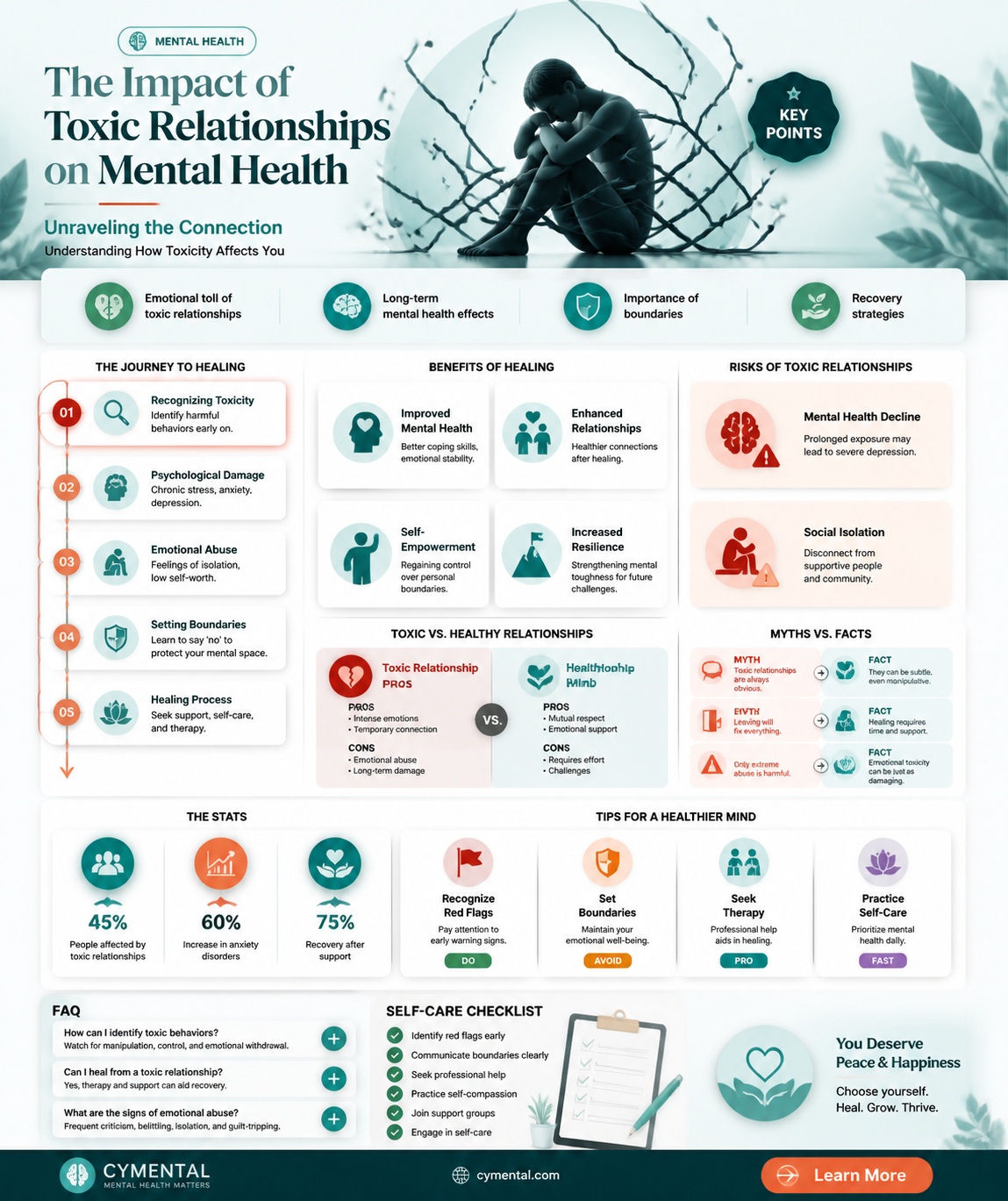
The question of whether a bad relationship can cause mental illness is a complex and multifaceted one. While relationships can be a source of support and happiness, they can also be a significant stressor and contributor to mental health issues. Chronic conflict, emotional abuse, and feelings of isolation within a relationship can lead to anxiety, depression, and other mental health concerns. It's important to recognize the signs of a toxic relationship and seek help if needed. In this discussion, we'll explore the ways in which relationships can impact mental health and offer strategies for maintaining healthy relationships.
Explore related products


What You'll Learn
- Emotional Abuse: Recognizing signs of emotional manipulation and its impact on mental health
- Stress and Anxiety: How relationship turmoil can lead to increased stress levels and anxiety disorders
- Depression: The link between relationship problems and the development of depressive symptoms
- Trauma: Understanding how toxic relationships can cause psychological trauma and its long-term effects
- Self-Esteem Issues: The influence of negative relationships on self-perception and self-esteem

Emotional Abuse: Recognizing signs of emotional manipulation and its impact on mental health
Emotional abuse is a subtle yet pervasive form of manipulation that can have profound effects on an individual's mental health. It often involves a pattern of behavior designed to control, demean, or isolate the victim, leading to feelings of worthlessness, anxiety, and depression. Recognizing the signs of emotional abuse is crucial for breaking free from its cycle and seeking help.
Signs of emotional abuse can include constant criticism, belittling, or humiliation, as well as more covert tactics like gaslighting, where the abuser manipulates the victim's perception of reality. Other indicators might be excessive jealousy, possessiveness, or a refusal to communicate openly. The impact of such abuse on mental health can be severe, with victims often experiencing low self-esteem, emotional numbness, or even suicidal thoughts.
One of the challenges in addressing emotional abuse is its tendency to be minimized or dismissed, both by the victim and by others. Victims may feel ashamed or guilty, believing that they are somehow responsible for the abuse. Meanwhile, friends and family may not recognize the severity of the situation, attributing the victim's distress to other factors. It's essential to raise awareness about the realities of emotional abuse and to encourage open, non-judgmental conversations about its effects.
Breaking free from an emotionally abusive relationship requires courage and support. Victims should be encouraged to seek help from mental health professionals, support groups, or trusted friends and family. It's also important to develop strategies for self-care and to focus on rebuilding one's sense of self-worth and autonomy. With the right resources and support, it is possible to recover from the damaging effects of emotional abuse and to build healthier, more fulfilling relationships in the future.
Exploring the Link: Vertigo and Mental Confusion Explained
You may want to see also
Explore related products


Stress and Anxiety: How relationship turmoil can lead to increased stress levels and anxiety disorders
Relationship turmoil can significantly impact an individual's mental health, often leading to increased stress levels and anxiety disorders. This is primarily due to the emotional strain and uncertainty that accompanies a troubled relationship. When individuals are constantly worried about their partner's actions, intentions, or the future of the relationship, their stress response is triggered, releasing cortisol and adrenaline into the bloodstream. Over time, this chronic activation of the stress response can lead to a range of anxiety disorders, including generalized anxiety disorder, panic disorder, and social anxiety disorder.
One of the key mechanisms by which relationship turmoil contributes to anxiety is through the disruption of an individual's sense of security and stability. When a relationship is unstable, individuals may feel as though they are walking on eggshells, never knowing what might happen next. This unpredictability can lead to a heightened state of alertness, as the individual is constantly scanning their environment for potential threats. This hypervigilance is a hallmark of anxiety disorders and can significantly impair an individual's ability to function in their daily life.
Furthermore, relationship turmoil can also lead to feelings of isolation and loneliness, which can exacerbate anxiety symptoms. When individuals are in a troubled relationship, they may withdraw from their social support networks, either due to embarrassment or because they feel as though they cannot trust others. This social isolation can lead to a sense of being alone in the world, which can intensify feelings of anxiety and despair.
In addition to these psychological factors, relationship turmoil can also have a significant impact on an individual's physical health, which can further contribute to anxiety disorders. Chronic stress can lead to a range of physical health problems, including cardiovascular disease, digestive issues, and a weakened immune system. These physical health problems can, in turn, lead to increased anxiety, as individuals may become worried about their health and the potential consequences of their stress.
It is important to note that while relationship turmoil can certainly contribute to increased stress levels and anxiety disorders, it is not the only factor that can lead to these conditions. Other factors, such as genetics, brain chemistry, and life experiences, can also play a significant role. However, addressing relationship issues can be an important step in managing anxiety and improving overall mental health.
In conclusion, relationship turmoil can have a profound impact on an individual's mental health, leading to increased stress levels and anxiety disorders. This is due to the emotional strain, uncertainty, and disruption of security and stability that often accompany troubled relationships. Addressing these issues can be an important step in managing anxiety and improving overall well-being.
Exploring the Link: Can Herpes Impact Mental Health?
You may want to see also
Explore related products


Depression: The link between relationship problems and the development of depressive symptoms
Research has consistently shown that relationship problems can significantly contribute to the development of depressive symptoms. This connection is multifaceted, involving emotional, psychological, and even physiological factors. When individuals experience chronic stress or conflict in their relationships, it can lead to a cascade of negative effects on their mental health.
One key mechanism through which relationship problems can cause depression is social isolation. When relationships are strained or dysfunctional, individuals may withdraw from social interactions, leading to feelings of loneliness and disconnection. This social isolation can exacerbate depressive symptoms by depriving individuals of the social support and positive reinforcement that are crucial for maintaining good mental health.
Another important factor is the impact of relationship problems on self-esteem and self-worth. Constant criticism, neglect, or abuse from a partner can erode an individual's sense of self-value, leading to feelings of inadequacy and hopelessness. These negative self-perceptions can then contribute to the development of depressive symptoms, as individuals may begin to believe that they are unworthy of love and support.
Furthermore, relationship problems can also lead to changes in behavior and lifestyle that may contribute to depression. For example, individuals may turn to unhealthy coping mechanisms such as substance abuse or overeating in an attempt to deal with the stress and emotional pain of their relationships. These behaviors can have negative consequences for both physical and mental health, further exacerbating depressive symptoms.
It is important to note that the link between relationship problems and depression is not unidirectional. Depressive symptoms can also contribute to relationship problems, creating a vicious cycle that can be difficult to break. Therefore, addressing relationship issues and seeking support for mental health concerns are crucial steps in breaking this cycle and promoting overall well-being.
Unseen Scars: The Mental and Emotional Toll of Restraints
You may want to see also
Explore related products


Trauma: Understanding how toxic relationships can cause psychological trauma and its long-term effects
Toxic relationships can have a profound impact on an individual's mental health, often leading to psychological trauma. This trauma can manifest in various ways, including anxiety, depression, and post-traumatic stress disorder (PTSD). The insidious nature of toxic relationships is that they often start with subtle manipulations and criticisms, which can be easily dismissed or rationalized by the victim. Over time, however, these behaviors escalate, leading to a pervasive sense of fear, helplessness, and worthlessness.
One of the most damaging aspects of toxic relationships is the way they can distort a person's perception of reality. Gaslighting, a common tactic used by toxic partners, involves denying or trivializing the victim's experiences, leading them to question their own sanity and judgment. This can have long-term effects on a person's self-esteem and ability to trust their own instincts.
The impact of psychological trauma from toxic relationships can extend far beyond the end of the relationship itself. Victims may struggle with flashbacks, nightmares, and intrusive thoughts, which can interfere with their daily lives and relationships. They may also experience physical symptoms, such as chronic pain, fatigue, and sleep disturbances.
It is essential to recognize the signs of psychological trauma and seek professional help if needed. Therapy can provide a safe space for victims to process their experiences and develop coping strategies. Additionally, self-care practices, such as exercise, meditation, and journaling, can help individuals rebuild their sense of self and resilience.
In conclusion, toxic relationships can have a lasting impact on mental health, leading to psychological trauma and its associated symptoms. By understanding the dynamics of these relationships and seeking support, victims can begin to heal and reclaim their lives.
Vaping's Dark Side: Unraveling the Mental Health Crisis Connection
You may want to see also
Explore related products


$23.85 $29.95

$14.15 $20


Self-Esteem Issues: The influence of negative relationships on self-perception and self-esteem
Negative relationships can have a profound impact on an individual's self-esteem and self-perception. When people are consistently criticized, belittled, or made to feel inferior by their partners, friends, or family members, it can lead to a distorted view of themselves. This negative self-image can manifest as self-doubt, feelings of inadequacy, and a lack of confidence in one's abilities. Over time, these feelings can become deeply ingrained, making it difficult for individuals to recognize their own worth and value.
One of the ways in which negative relationships can affect self-esteem is through the process of gaslighting. Gaslighting is a form of psychological manipulation in which a person is made to question their own sanity, memory, or perception. This can be done through tactics such as denial, blame-shifting, and minimization. When individuals are subjected to gaslighting, they may begin to doubt their own judgment and feel as though they are going crazy. This can lead to a significant decrease in self-esteem, as individuals feel as though they are no longer able to trust their own thoughts and feelings.
Another way in which negative relationships can impact self-esteem is through social isolation. When people are in toxic relationships, they may be discouraged from spending time with friends and family, or they may feel as though they are not good enough to be around others. This social isolation can lead to feelings of loneliness and disconnection, which can further erode self-esteem. Additionally, when individuals are isolated from their support networks, they may feel as though they have no one to turn to for help or validation, which can make it even more difficult to rebuild their self-esteem.
It is also important to note that negative relationships can have a cumulative effect on self-esteem. Each instance of criticism, belittlement, or manipulation can chip away at an individual's sense of self-worth, making it increasingly difficult for them to maintain a positive self-image. This can lead to a cycle of self-doubt and self-criticism, which can be challenging to break.
In order to address the impact of negative relationships on self-esteem, it is essential for individuals to recognize the signs of toxic relationships and to seek support from friends, family, or mental health professionals. Therapy can be particularly helpful in rebuilding self-esteem, as it provides individuals with a safe space to explore their feelings and to develop coping strategies for dealing with negative relationships. Additionally, setting boundaries and practicing self-care can help individuals to regain a sense of control and autonomy, which can be instrumental in rebuilding their self-esteem.
Unveiling the Link: Environmental Factors and Mental Health Challenges
You may want to see also
Frequently asked questions
While a bad relationship itself may not directly cause mental illness, it can significantly contribute to mental health issues. Prolonged exposure to negative relationship dynamics can lead to increased stress, anxiety, and depression. It's important to recognize the signs of a toxic relationship and seek support if needed.
Signs that a relationship might be negatively impacting your mental health include feeling constantly anxious or stressed, experiencing mood swings, having difficulty sleeping, and feeling isolated from friends and family. If you notice these signs, it may be helpful to evaluate the relationship and consider seeking counseling or support.
To protect your mental health while navigating a difficult relationship, it's important to set boundaries, practice self-care, and seek support from friends, family, or a mental health professional. Engaging in activities that bring you joy and help you relax can also be beneficial. Remember that your mental health is a priority, and it's okay to prioritize yourself.
Consider ending a relationship that is negatively impacting your mental health if the negative effects persist despite efforts to address them, if the relationship is causing significant distress or impairment in your daily life, or if you feel unsafe or threatened. It's important to prioritize your well-being and recognize that sometimes, ending a toxic relationship is the healthiest choice.