Madison Cole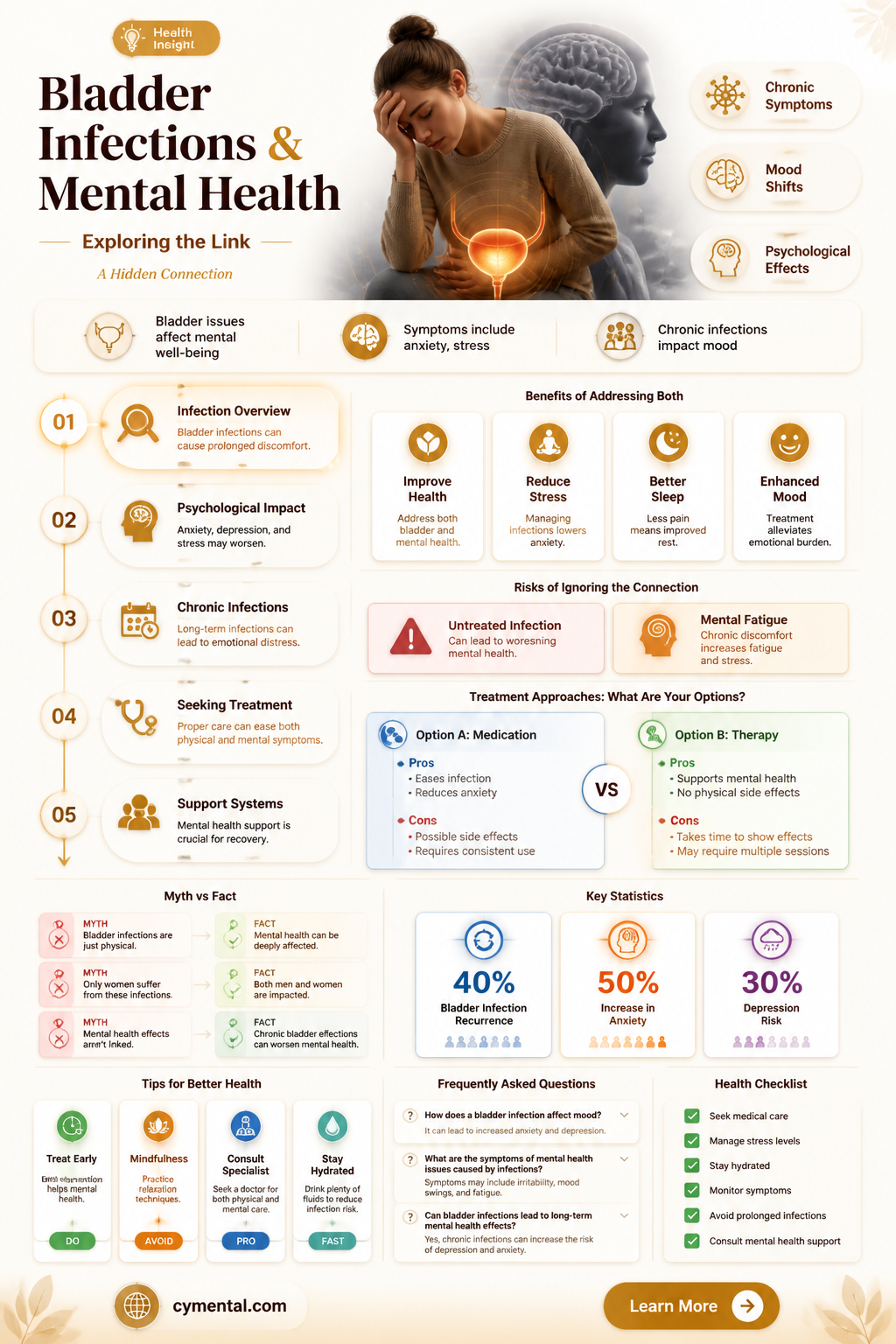
Bladder infections, also known as urinary tract infections (UTIs), are common medical conditions that can cause a range of physical symptoms, including pain, discomfort, and frequent urination. However, recent research has suggested that bladder infections may also have a link to mental health issues. This connection is not yet fully understood, but some studies have found that UTIs can lead to symptoms of anxiety, depression, and cognitive impairment. In this article, we will explore the potential relationship between bladder infections and mental health problems, examining the latest research and discussing possible mechanisms that may explain this link.
Explore related products



What You'll Learn
- Physical Symptoms: Bladder infections can cause physical discomfort, pain, and urinary urgency, affecting mental well-being
- Anxiety and Stress: The persistent symptoms and discomfort of a bladder infection can lead to increased anxiety and stress levels
- Sleep Disturbances: Frequent urination and pain can disrupt sleep patterns, contributing to mental health issues like irritability and fatigue
- Cognitive Impairment: In severe cases, bladder infections can lead to cognitive impairment, especially in older adults, due to systemic inflammation
- Quality of Life: Chronic bladder infections can significantly reduce quality of life, impacting mental health and overall well-being

Physical Symptoms: Bladder infections can cause physical discomfort, pain, and urinary urgency, affecting mental well-being
Bladder infections, also known as urinary tract infections (UTIs), are primarily recognized for their physical symptoms. These can include a persistent urge to urinate, blood in the urine, and discomfort in the pelvic area. However, the impact of bladder infections extends beyond the physical realm, often affecting mental well-being.
The physical discomfort associated with bladder infections can lead to significant distress. Pain during urination, known as dysuria, can be particularly troubling, causing individuals to avoid using the restroom, which in turn can exacerbate the infection. This cycle of pain and avoidance can contribute to heightened anxiety and stress levels.
Moreover, the frequent need to urinate can disrupt daily routines and social activities, leading to feelings of embarrassment and isolation. Individuals may find themselves avoiding public places or social gatherings due to the fear of not having immediate access to a restroom, further impacting their mental state.
Sleep disturbances are another common issue. The need to urinate frequently during the night can lead to fragmented sleep, resulting in daytime fatigue, irritability, and decreased cognitive function. Over time, this can contribute to the development of mood disorders such as depression.
In addition to these direct effects, the chronic nature of recurrent bladder infections can lead to a sense of hopelessness and frustration. Individuals may feel that their quality of life is significantly diminished, affecting their overall mental health and well-being.
It is essential to recognize the mental health implications of bladder infections and to address them alongside the physical symptoms. Healthcare providers should consider the psychological impact when treating patients with UTIs, offering support and resources to help manage the emotional distress associated with the condition.
Exploring the Link: Epilepsy and Mental Health in Adulthood
You may want to see also
Explore related products



Anxiety and Stress: The persistent symptoms and discomfort of a bladder infection can lead to increased anxiety and stress levels
The persistent symptoms and discomfort of a bladder infection can lead to increased anxiety and stress levels. This is because the constant pain and urgency associated with bladder infections can make it difficult to focus on daily tasks and responsibilities. As a result, individuals may feel overwhelmed and anxious about their ability to cope with the infection.
Furthermore, bladder infections can also lead to sleep disturbances, which can exacerbate anxiety and stress levels. Lack of sleep can make it difficult to concentrate and make decisions, leading to increased feelings of anxiety and stress. Additionally, the fear of experiencing another bladder infection can also contribute to anxiety and stress levels, as individuals may worry about the recurrence of symptoms and the impact it will have on their daily lives.
It is important to note that anxiety and stress can also have a negative impact on the immune system, making it more difficult for the body to fight off infections. This can lead to a vicious cycle where anxiety and stress contribute to the persistence of bladder infections, which in turn can lead to increased anxiety and stress levels.
To manage anxiety and stress associated with bladder infections, it is important to practice self-care techniques such as deep breathing, meditation, and exercise. Additionally, seeking support from friends, family, or a mental health professional can also be helpful in managing anxiety and stress levels. It is also important to work with a healthcare provider to develop a treatment plan for the bladder infection, which can help to alleviate symptoms and reduce anxiety and stress levels.
In conclusion, the persistent symptoms and discomfort of a bladder infection can lead to increased anxiety and stress levels, which can have a negative impact on overall health and well-being. By practicing self-care techniques, seeking support, and working with a healthcare provider, individuals can manage anxiety and stress levels and improve their overall quality of life.
Unraveling the Complex Link Between Mental Illness and School Shootings
You may want to see also
Explore related products


Sleep Disturbances: Frequent urination and pain can disrupt sleep patterns, contributing to mental health issues like irritability and fatigue
Frequent urination and pain associated with bladder infections can significantly disrupt sleep patterns. This disruption can lead to a cascade of mental health issues, including irritability and fatigue. When sleep is continually interrupted by the need to urinate or due to pain, the body's natural sleep cycle is thrown off balance. This can result in a decrease in the quality of sleep, leading to daytime tiredness and a lack of mental clarity.
The impact of sleep disturbances on mental health should not be underestimated. Chronic sleep deprivation can exacerbate existing mental health conditions and even lead to the development of new ones. For instance, irritability can stem from the body's inability to fully rest and recover during sleep. This can lead to increased stress levels and a heightened sense of anxiety. Fatigue, on the other hand, can result from the body's constant state of alertness due to interrupted sleep, making it difficult to feel rested and energized during the day.
It is crucial to address sleep disturbances caused by bladder infections to prevent the onset or worsening of mental health issues. This can be achieved through a combination of medical treatment for the infection and lifestyle changes to promote better sleep hygiene. For example, avoiding caffeine and alcohol before bedtime, establishing a regular sleep schedule, and creating a comfortable sleep environment can all contribute to improved sleep quality. Additionally, stress management techniques such as meditation or deep breathing exercises can help reduce anxiety and promote relaxation, further enhancing sleep.
In conclusion, the relationship between sleep disturbances and mental health issues in the context of bladder infections is complex and multifaceted. By understanding the underlying mechanisms and implementing appropriate interventions, individuals can take steps to mitigate the impact of sleep disruptions on their mental well-being. It is essential to recognize the importance of sleep in maintaining overall health and to seek professional help when necessary to address persistent sleep problems.
Unraveling the Complex Causes of Obesity: Physical vs. Mental
You may want to see also
Explore related products





Cognitive Impairment: In severe cases, bladder infections can lead to cognitive impairment, especially in older adults, due to systemic inflammation
Severe bladder infections can have far-reaching consequences beyond the urinary system, particularly in older adults. One significant concern is the potential for cognitive impairment due to systemic inflammation. This complication arises when the body's immune response to the infection becomes widespread, affecting various organs and systems, including the brain.
Systemic inflammation can lead to a condition known as delirium, which is characterized by a sudden change in mental status. Delirium can manifest as confusion, disorientation, and altered levels of consciousness. In older adults, this can be particularly dangerous, as it may exacerbate existing cognitive conditions such as dementia or Alzheimer's disease. The inflammation can also cause changes in brain chemistry, leading to symptoms such as anxiety, depression, and mood swings.
The risk of cognitive impairment due to bladder infections is higher in older adults because their immune systems are often less robust, making it more difficult for their bodies to fight off infections. Additionally, older adults may have underlying health conditions that make them more susceptible to the effects of systemic inflammation. For example, those with cardiovascular disease or diabetes may experience more severe cognitive symptoms due to the combined impact of these conditions and the infection.
It is crucial for healthcare providers to recognize the potential for cognitive impairment in older adults with bladder infections, as early intervention can significantly improve outcomes. Treatment typically involves antibiotics to combat the infection, along with supportive care to manage symptoms and prevent complications. In some cases, anti-inflammatory medications may be used to help reduce the systemic inflammation and its effects on the brain.
Preventing bladder infections is key to avoiding these serious complications. Older adults should be encouraged to maintain good hygiene, drink plenty of fluids, and urinate regularly to help flush out bacteria. Those with underlying health conditions should work closely with their healthcare providers to manage these conditions effectively and reduce their risk of infection. By taking a proactive approach, older adults can help protect themselves from the cognitive impairments that can result from severe bladder infections.
Unveiling the Link: Environmental Factors and Mental Health Challenges
You may want to see also
Explore related products


Quality of Life: Chronic bladder infections can significantly reduce quality of life, impacting mental health and overall well-being
Chronic bladder infections can have a profound impact on an individual's quality of life, extending beyond the physical discomfort and inconvenience they cause. The persistent nature of these infections can lead to a range of mental health issues, significantly affecting overall well-being. Anxiety and depression are common among those who suffer from recurrent bladder infections, as the constant worry about symptoms and potential complications can be overwhelming. This mental toll can further exacerbate the physical symptoms, creating a vicious cycle that is difficult to break.
The impact on quality of life is multifaceted. Chronic bladder infections can disrupt daily routines, limit social interactions, and hinder professional performance. The need for frequent bathroom breaks, the fear of incontinence, and the pain associated with urination can make it challenging to engage in normal activities, leading to feelings of isolation and frustration. Over time, this can result in a diminished sense of self-esteem and confidence, as individuals may feel that their condition defines them or limits their capabilities.
Moreover, the chronic nature of these infections can lead to long-term complications, such as kidney damage or increased risk of bladder cancer, which can further contribute to mental distress. The uncertainty about the future and the potential for serious health issues can create a significant emotional burden, affecting not only the individual but also their loved ones. It is essential for healthcare providers to recognize the psychological impact of chronic bladder infections and to offer comprehensive care that addresses both the physical and mental aspects of the condition.
In addition to medical treatment, there are various strategies that individuals can employ to manage the mental health challenges associated with chronic bladder infections. Cognitive-behavioral therapy (CBT) can be particularly helpful in addressing anxiety and depression, providing tools and techniques to cope with the emotional aspects of the condition. Support groups can also offer a sense of community and understanding, allowing individuals to share their experiences and learn from others who are facing similar challenges.
Lifestyle modifications, such as maintaining a healthy diet, engaging in regular exercise, and practicing stress management techniques, can also contribute to improved mental well-being. By taking a holistic approach to managing chronic bladder infections, individuals can work towards regaining control over their lives and improving their overall quality of life. It is crucial to acknowledge the complex interplay between physical and mental health and to address both aspects in order to achieve optimal well-being.
Exploring the Link: Can Chronic Stress Lead to Mental Illness?
You may want to see also
Frequently asked questions
While a bladder infection itself does not directly cause mental problems, the discomfort, pain, and stress associated with it can contribute to mental health issues such as anxiety and depression if left untreated or if the symptoms are severe.
Common symptoms of a bladder infection include a strong, persistent urge to urinate, a burning sensation when urinating, passing frequent, small amounts of urine, blood in the urine, and pain in the lower abdomen or back.
Bladder infections are typically treated with antibiotics prescribed by a healthcare provider. Drinking plenty of water, urinating when you feel the need, and practicing good hygiene can also help prevent and manage bladder infections.
Yes, some home remedies that may help alleviate the symptoms of a bladder infection include drinking cranberry juice, which may help prevent bacteria from adhering to the bladder walls, and taking over-the-counter pain relievers to manage pain and discomfort.
Someone should seek medical attention for a bladder infection if they experience severe symptoms, such as high fever, chills, nausea, vomiting, or if the infection persists or worsens despite home treatment. It is also important to seek medical attention if there is a history of recurrent bladder infections.