Harper Lewis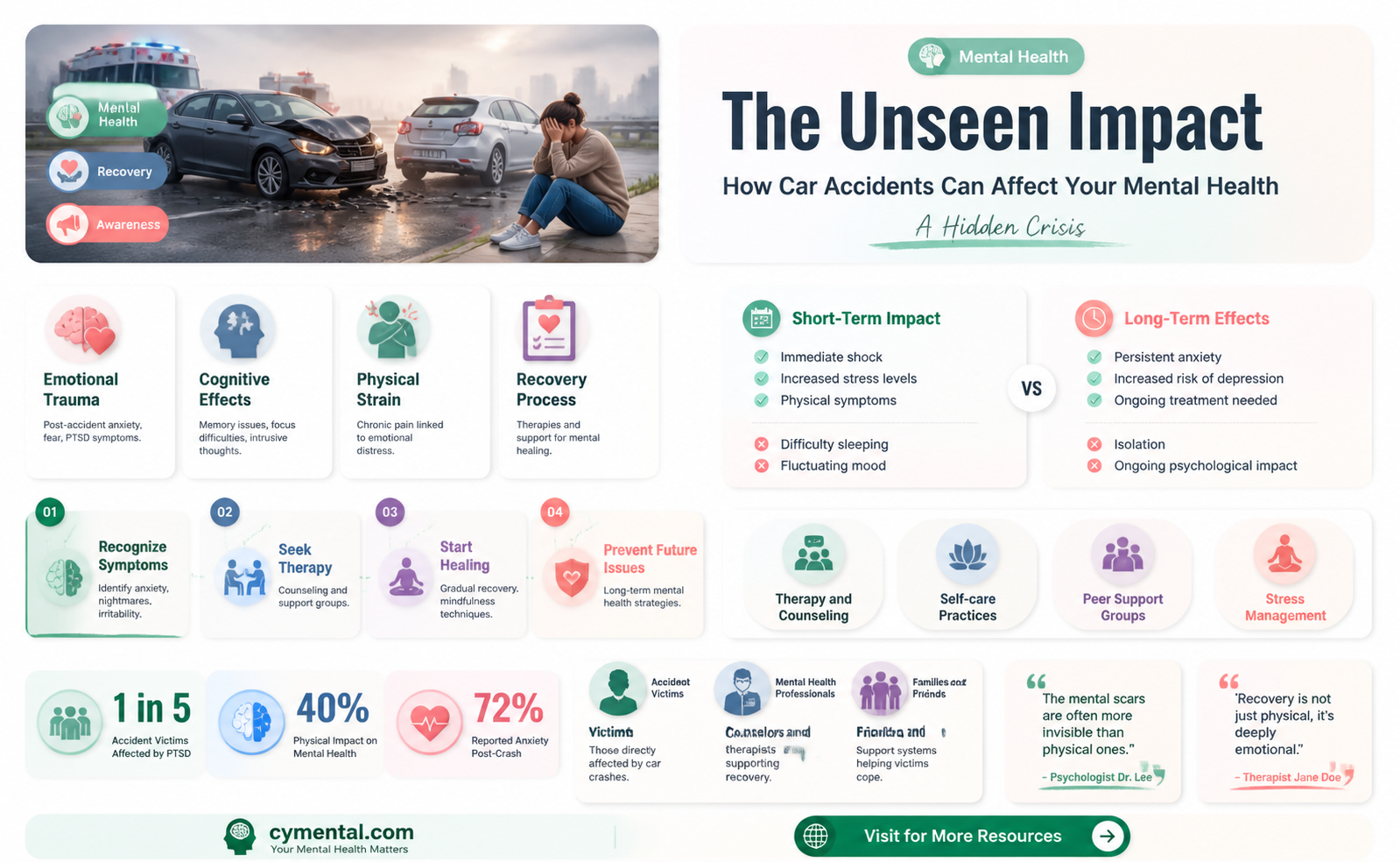
Car accidents can have a profound impact on an individual's mental health, often leading to a range of psychological effects that may persist long after the physical injuries have healed. The trauma of a car accident can trigger anxiety, depression, post-traumatic stress disorder (PTSD), and other mental health conditions. Victims may experience flashbacks, nightmares, and heightened stress levels, which can interfere with their daily lives and relationships. Additionally, the fear of driving or being in a vehicle can develop, causing significant distress and limiting mobility. It is essential to recognize the potential mental health implications of car accidents and seek appropriate support and treatment to address these challenges.
Explore related products


What You'll Learn
- Physical Injuries and Mental Trauma: Exploring the link between physical harm and psychological impact after car accidents
- Emotional Distress: Discussing common emotional reactions such as anxiety, fear, and depression following traumatic vehicular incidents
- Post-Traumatic Stress Disorder (PTSD): Analyzing how car accidents can trigger PTSD symptoms and affect long-term mental well-being
- Impact on Daily Life: Examining how mental health issues post-accident can influence daily activities, work, and relationships
- Seeking Help and Recovery: Providing guidance on mental health resources and strategies for coping and recovery after a car accident

Physical Injuries and Mental Trauma: Exploring the link between physical harm and psychological impact after car accidents
Car accidents can result in a range of physical injuries, from minor cuts and bruises to severe trauma such as broken bones, head injuries, and spinal cord damage. However, the psychological impact of a car accident can be just as profound and long-lasting as the physical injuries. Research has shown that individuals who experience a car accident are at an increased risk of developing mental health conditions such as post-traumatic stress disorder (PTSD), anxiety, and depression.
One of the key factors linking physical injuries and mental trauma after a car accident is the body's stress response. When a person experiences a traumatic event, their body releases stress hormones such as cortisol and adrenaline, which can have a significant impact on brain function and emotional regulation. In individuals who have suffered physical injuries, this stress response can be even more pronounced, as the body is also dealing with the physical trauma.
Furthermore, the experience of a car accident can lead to a sense of loss of control and vulnerability, which can have a lasting impact on an individual's mental health. This sense of helplessness can be exacerbated by the physical injuries sustained in the accident, as the person may feel that their body has betrayed them or that they are no longer in control of their own well-being.
It is also important to consider the role of pain in the link between physical injuries and mental trauma. Chronic pain resulting from a car accident can lead to a range of mental health issues, including depression, anxiety, and sleep disturbances. This pain can also interfere with an individual's ability to engage in daily activities and social interactions, further exacerbating feelings of isolation and helplessness.
In conclusion, the link between physical injuries and mental trauma after a car accident is complex and multifaceted. It involves a range of factors, including the body's stress response, sense of loss of control, and chronic pain. Understanding this link is crucial for providing comprehensive care to individuals who have experienced a car accident, as it highlights the importance of addressing both the physical and psychological impacts of the event. By taking a holistic approach to treatment, healthcare providers can help individuals recover from the trauma of a car accident and regain control of their lives.
Unraveling the Complex Link: Substance Abuse and Mental Health
You may want to see also
Explore related products


$2.99 $12.99


Emotional Distress: Discussing common emotional reactions such as anxiety, fear, and depression following traumatic vehicular incidents
Following a traumatic vehicular incident, individuals may experience a range of intense emotional reactions. Anxiety is a common response, characterized by feelings of unease, worry, and fear that can interfere with daily activities. This anxiety may manifest as physical symptoms such as rapid heartbeat, sweating, and trembling, or as psychological symptoms like restlessness and difficulty concentrating. Fear is another prevalent emotion, often triggered by reminders of the accident, such as seeing a similar vehicle or returning to the scene of the incident. This fear can lead to avoidance behaviors, where individuals may shy away from driving or riding in cars, potentially impacting their mobility and independence.
Depression can also emerge as a significant emotional reaction to a car accident. Feelings of sadness, hopelessness, and a loss of interest in previously enjoyable activities are hallmarks of depression. Individuals may struggle with sleep disturbances, changes in appetite, and fatigue, which can further exacerbate their emotional distress. The development of depression following a traumatic event like a car accident can be particularly challenging, as it may compound the physical injuries and financial stresses that victims often face.
In addition to these common emotional reactions, individuals may also experience post-traumatic stress disorder (PTSD). PTSD is a mental health condition that can develop after exposure to a traumatic event, such as a car accident. Symptoms of PTSD include intrusive memories or flashbacks of the accident, heightened alertness, and exaggerated startle responses. These symptoms can significantly impair an individual's ability to function in their daily life, affecting their relationships, work, and overall well-being.
It is crucial for individuals who experience emotional distress following a car accident to seek professional help. Mental health professionals can provide a range of treatments, including cognitive-behavioral therapy (CBT), medication, and support groups, to help individuals manage their symptoms and improve their quality of life. Early intervention is key, as untreated emotional distress can lead to long-term mental health issues and a diminished capacity to cope with future stressors.
In conclusion, the emotional impact of a car accident can be profound and far-reaching. By understanding the common emotional reactions that can occur, such as anxiety, fear, depression, and PTSD, individuals can take the first step towards seeking the help they need to recover and reclaim their lives.
Boosting Mental Health: The Positive Power of Social Media
You may want to see also
Explore related products


$114.29 $129.99


Post-Traumatic Stress Disorder (PTSD): Analyzing how car accidents can trigger PTSD symptoms and affect long-term mental well-being
Car accidents can have a profound impact on mental health, particularly in the development of Post-Traumatic Stress Disorder (PTSD). PTSD is a psychiatric condition that can occur after experiencing or witnessing a traumatic event, such as a severe car crash. Symptoms of PTSD can include flashbacks, nightmares, severe anxiety, and uncontrollable thoughts about the event. These symptoms can persist for months or even years after the accident, significantly affecting an individual's quality of life and ability to function normally.
The severity of PTSD symptoms can vary widely among individuals involved in car accidents. Factors such as the intensity of the crash, the presence of injuries, and the individual's pre-existing mental health status can all influence the likelihood and severity of PTSD. For example, a person who experiences a high-speed collision resulting in serious injuries may be more likely to develop severe PTSD symptoms compared to someone involved in a minor fender-bender without injuries.
Long-term mental well-being can be significantly compromised in individuals who develop PTSD following a car accident. Chronic PTSD can lead to a range of negative outcomes, including difficulties in maintaining relationships, problems with employment, and an increased risk of substance abuse. Additionally, individuals with PTSD may be more prone to developing other mental health conditions, such as depression and anxiety disorders.
Treatment for PTSD related to car accidents typically involves a combination of psychotherapy and medication. Cognitive-behavioral therapy (CBT) is a common therapeutic approach that helps individuals process their traumatic experiences and develop coping strategies to manage their symptoms. Medications such as selective serotonin reuptake inhibitors (SSRIs) and benzodiazepines may also be prescribed to help alleviate symptoms of anxiety and depression associated with PTSD.
In conclusion, car accidents can have a lasting impact on mental health, particularly in the form of PTSD. Understanding the factors that contribute to the development of PTSD and the available treatment options is crucial for individuals who have experienced a traumatic car accident. With appropriate support and intervention, it is possible to manage PTSD symptoms and improve long-term mental well-being.
The Impact of Procrastination on Mental Health: A Comprehensive Guide
You may want to see also
Explore related products


Impact on Daily Life: Examining how mental health issues post-accident can influence daily activities, work, and relationships
The aftermath of a car accident can extend far beyond physical injuries, significantly impacting an individual's mental health. This, in turn, can have profound effects on various aspects of daily life. One of the most immediate and noticeable impacts is on daily activities. Simple tasks that were once routine may become challenging or even impossible due to anxiety, depression, or post-traumatic stress disorder (PTSD). For instance, driving or even being a passenger in a car can trigger flashbacks or panic attacks, making transportation a daunting task.
Work life can also be severely affected. Concentration and focus may be impaired, leading to decreased productivity and performance. The stress of meeting deadlines or handling complex tasks can be exacerbated by the mental health struggles resulting from the accident. This can lead to increased absenteeism, strained relationships with colleagues, and even the need for a temporary or permanent leave of absence. In severe cases, individuals may need to seek disability benefits or change careers entirely to accommodate their new mental health reality.
Relationships with friends and family can also suffer. The emotional toll of the accident can lead to withdrawal, irritability, and a lack of interest in social activities. Loved ones may struggle to understand the extent of the mental health impact, leading to feelings of isolation and frustration for the individual. Communication breakdowns can occur, and maintaining healthy relationships can become a significant challenge. In some cases, professional counseling or therapy may be necessary to help repair and strengthen these relationships.
The impact on daily life can also manifest in more subtle ways. For example, individuals may experience changes in appetite, sleep patterns, or physical activity levels. They may develop new coping mechanisms, such as substance abuse or compulsive behaviors, to deal with the emotional pain. These changes can further disrupt daily routines and contribute to an overall decline in well-being.
In conclusion, the mental health issues that can arise following a car accident have far-reaching implications for daily life. From basic activities to professional responsibilities and personal relationships, the impact can be significant and long-lasting. It is crucial for individuals to seek support and treatment to address these mental health challenges and regain a sense of normalcy and well-being in their lives.
The Impact of Racism on Mental Health: A Comprehensive Exploration
You may want to see also
Explore related products


Seeking Help and Recovery: Providing guidance on mental health resources and strategies for coping and recovery after a car accident
After a car accident, it's crucial to address not only the physical injuries but also the potential mental health impacts. Seeking professional help is a key step in the recovery process. Mental health resources such as therapists, support groups, and counseling services can provide the necessary guidance and support to cope with the aftermath of a traumatic event. These resources can help individuals process their emotions, develop coping strategies, and work towards recovery.
One effective strategy for coping after a car accident is cognitive-behavioral therapy (CBT). CBT helps individuals identify and change negative thought patterns and behaviors that may be hindering their recovery. Through CBT, individuals can learn to manage anxiety, depression, and post-traumatic stress disorder (PTSD) symptoms that may arise after a car accident.
In addition to professional help, there are several self-care strategies that can aid in recovery. Engaging in regular physical activity, maintaining a healthy diet, and getting adequate sleep are all important for overall well-being. Mindfulness practices such as meditation and deep breathing exercises can also help reduce stress and anxiety.
It's important to note that recovery is a gradual process, and it's normal to experience setbacks along the way. Being patient and compassionate with oneself is essential. Surrounding oneself with a supportive network of friends and family can also provide comfort and encouragement during the recovery process.
In conclusion, seeking help and recovery after a car accident involves a combination of professional support and self-care strategies. By addressing both the mental and physical aspects of recovery, individuals can work towards healing and regaining a sense of normalcy in their lives.
Unraveling the Impact: Trauma's Profound Influence on Mental Health
You may want to see also
Frequently asked questions
Yes, a car accident can significantly impact your mental health. The trauma of the event can lead to anxiety, depression, post-traumatic stress disorder (PTSD), and other mental health issues.
The recovery time varies from person to person. Some individuals may recover within a few weeks, while others might take months or even years to fully recover mentally from the trauma of a car accident.
Common mental health symptoms following a car accident include flashbacks, nightmares, anxiety, depression, mood swings, irritability, and difficulty concentrating or sleeping.
Yes, if you're experiencing persistent mental health issues after a car accident, it's advisable to seek professional help. A mental health professional can provide you with the necessary support and treatment to aid in your recovery.