Noah Parker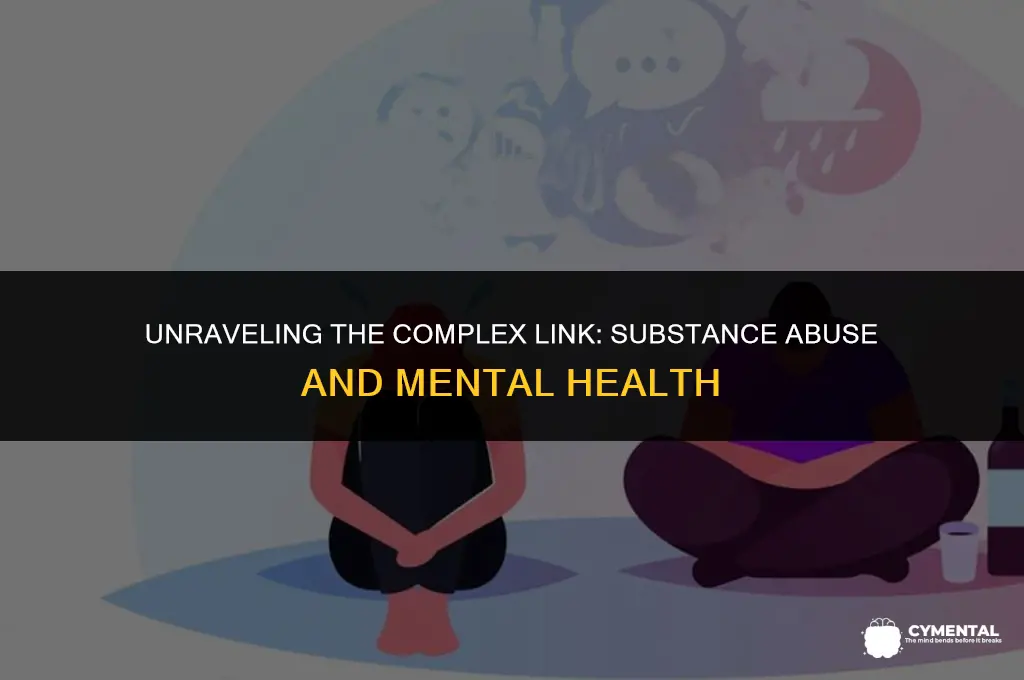
Substance abuse has profound implications for mental health, often exacerbating existing conditions and contributing to the development of new ones. The intricate relationship between substance use and mental well-being is characterized by a bidirectional influence, where substance abuse can both stem from and worsen mental health issues. Understanding this complex interplay is crucial for developing effective treatment strategies and promoting overall wellness.
| Characteristics | Values |
|---|---|
| Increased Risk of Mental Illness | Substance abuse can lead to the development of mental health disorders such as depression, anxiety, and psychosis. |
| Worsening of Pre-existing Conditions | For individuals already suffering from mental health issues, substance abuse can exacerbate symptoms and hinder recovery. |
| Impaired Cognitive Function | Chronic substance use can impair memory, attention, and decision-making abilities. |
| Mood Instability | Substance abuse can cause rapid mood swings, irritability, and emotional instability. |
| Sleep Disturbances | Disrupted sleep patterns are common among substance abusers, which can further impact mental health. |
| Social Isolation | Substance abuse often leads to strained relationships and social withdrawal, contributing to feelings of loneliness and depression. |
| Increased Risk of Suicide | Individuals struggling with substance abuse are at a higher risk of suicidal thoughts and behaviors. |
| Reduced Motivation and Interest | Substance use can lead to a lack of motivation, interest, and pleasure in activities once enjoyed. |
| Paranoia and Hallucinations | In some cases, substance abuse can induce paranoid thoughts and hallucinations, particularly with drugs like cocaine and methamphetamine. |
| Long-term Brain Damage | Prolonged substance abuse can cause structural and functional changes in the brain, impacting mental health and cognitive abilities. |
Explore related products



What You'll Learn
- Chemical Imbalances: Substance abuse alters brain chemistry, leading to mood swings, anxiety, and depression
- Psychological Dependence: Users may develop a psychological reliance on substances, causing cravings and withdrawal symptoms
- Increased Risk of Disorders: Abuse can exacerbate existing mental health conditions or trigger new ones, like psychosis or bipolar disorder
- Impaired Cognitive Function: Prolonged use can affect memory, attention, and decision-making abilities, impacting daily functioning
- Social and Emotional Isolation: Substance abuse can lead to strained relationships and social withdrawal, worsening mental health outcomes

Chemical Imbalances: Substance abuse alters brain chemistry, leading to mood swings, anxiety, and depression
Substance abuse fundamentally alters the delicate balance of neurotransmitters in the brain, leading to a cascade of mental health issues. Neurotransmitters like dopamine, serotonin, and norepinephrine play crucial roles in regulating mood, motivation, and stress responses. When substances such as drugs or alcohol are introduced, they disrupt these chemical pathways, often resulting in heightened mood swings, increased anxiety, and deepening depression.
For instance, prolonged use of stimulants like cocaine or methamphetamine can deplete dopamine levels, leading to a state of anhedonia—a condition characterized by a lack of pleasure or interest in activities that were once enjoyable. Similarly, alcohol abuse can interfere with the normal functioning of serotonin, exacerbating feelings of sadness and hopelessness. The brain's attempt to adapt to these chemical changes can also lead to tolerance, where higher doses of the substance are needed to achieve the same effect, further complicating the mental health landscape.
Moreover, substance abuse can lead to a vicious cycle of self-medication, where individuals may turn to drugs or alcohol as a means of coping with the very mental health symptoms that the substances are exacerbating. This can result in a worsening of both the substance abuse and the mental health conditions, making treatment more challenging. Understanding these chemical imbalances is crucial for developing effective treatment strategies that address both the substance abuse and the underlying mental health issues.
In addition to the direct effects on neurotransmitters, substance abuse can also have broader implications for brain health. Chronic substance use has been linked to changes in brain structure and function, including reduced gray matter volume and impaired cognitive abilities. These changes can further contribute to the development of mental health disorders and may persist even after the substance use has ceased.
Breaking the cycle of substance abuse and its impact on mental health requires a multifaceted approach that includes medical treatment, psychological therapy, and social support. By addressing the chemical imbalances caused by substance abuse, individuals can begin to reclaim their mental health and move towards a more balanced and fulfilling life.
The Ripple Effect: Mental Health's Impact on Society
You may want to see also
Explore related products


Psychological Dependence: Users may develop a psychological reliance on substances, causing cravings and withdrawal symptoms
Substance abuse can lead to psychological dependence, a state where users develop a strong reliance on the substance, experiencing intense cravings and withdrawal symptoms when they attempt to stop using it. This dependence is a complex interplay of biological, psychological, and social factors, deeply affecting an individual's mental health.
One of the primary mechanisms through which psychological dependence occurs is the alteration of the brain's reward system. Repeated use of substances like drugs or alcohol can hijack the brain's natural reward pathways, leading to a heightened sense of pleasure and euphoria. Over time, the brain adapts to this artificial stimulation, and the user may find it increasingly difficult to experience pleasure from natural activities. This can result in a cycle of craving and use, as the individual seeks to recapture the intense feelings of reward associated with the substance.
Withdrawal symptoms are another critical aspect of psychological dependence. When a user attempts to stop using the substance, their brain, now accustomed to its presence, can react with a range of distressing symptoms. These may include anxiety, depression, irritability, and in some cases, more severe symptoms like hallucinations or seizures. The fear of experiencing these withdrawal symptoms can be a powerful deterrent to quitting, trapping the user in a cycle of continued substance use.
Psychological dependence can also have broader implications for an individual's mental health. It can exacerbate existing conditions like depression or anxiety, and may even lead to the development of new psychiatric disorders. The constant pursuit of the substance can lead to neglect of other important aspects of life, such as relationships, work, and personal health, further compounding the negative impact on mental wellbeing.
Breaking free from psychological dependence often requires a comprehensive approach, combining medical, psychological, and social support. Medications can help manage withdrawal symptoms and reduce cravings, while behavioral therapies like cognitive-behavioral therapy (CBT) can help users identify and change the thought patterns and behaviors that contribute to their substance use. Social support from friends, family, and peer groups can also play a crucial role in recovery, providing encouragement and accountability.
In conclusion, psychological dependence is a significant consequence of substance abuse, deeply intertwined with an individual's mental health. Understanding the biological and psychological mechanisms underlying this dependence is crucial for developing effective treatment strategies and supporting individuals on their path to recovery.
Debunking Wellness Myths: The Surprising Factor That Doesn't Matter
You may want to see also
Explore related products


Increased Risk of Disorders: Abuse can exacerbate existing mental health conditions or trigger new ones, like psychosis or bipolar disorder
Substance abuse has a profound impact on mental health, significantly increasing the risk of developing or exacerbating existing mental disorders. One of the most concerning aspects is its potential to trigger severe conditions such as psychosis or bipolar disorder, which can have long-lasting and debilitating effects on an individual's life.
Research indicates that the chronic use of substances like alcohol, cannabis, and stimulants can alter brain chemistry and structure, leading to the onset of psychotic symptoms. Psychosis is characterized by a disconnection from reality, often manifesting as hallucinations, delusions, and disorganized thinking. Substance-induced psychosis can be particularly challenging to treat, as it may require a combination of antipsychotic medications and intensive therapy to manage symptoms and promote recovery.
Similarly, substance abuse can precipitate the development of bipolar disorder, a condition marked by extreme mood swings ranging from manic highs to depressive lows. The abuse of drugs and alcohol can disrupt the delicate balance of neurotransmitters in the brain, leading to the destabilization of mood and the emergence of bipolar symptoms. Treatment for substance-induced bipolar disorder typically involves a multifaceted approach, including mood stabilizers, psychotherapy, and lifestyle modifications to address both the mental health and substance abuse issues concurrently.
It is crucial for individuals struggling with substance abuse to be aware of these potential risks and to seek professional help if they experience any symptoms of mental health disorders. Early intervention and comprehensive treatment can significantly improve outcomes and reduce the likelihood of long-term complications. Additionally, public health initiatives and educational programs should emphasize the dangers of substance abuse and its impact on mental health, aiming to prevent the escalation of these serious conditions.
Exploring the Dark Side: Factors Undermining Youth Mental Health
You may want to see also
Explore related products





Impaired Cognitive Function: Prolonged use can affect memory, attention, and decision-making abilities, impacting daily functioning
Substance abuse has a profound impact on cognitive function, with prolonged use leading to significant impairments in memory, attention, and decision-making abilities. These cognitive deficits can have far-reaching consequences, affecting an individual's ability to perform daily tasks, maintain relationships, and lead a fulfilling life.
One of the primary ways in which substance abuse affects cognitive function is through its impact on the brain's neurotransmitters. Drugs and alcohol can disrupt the delicate balance of chemicals in the brain, leading to changes in the way information is processed and stored. This can result in difficulties with memory formation and retrieval, making it challenging for individuals to learn new information or recall past events.
In addition to memory impairments, substance abuse can also affect attention and concentration. This can manifest as difficulty focusing on tasks, easily becoming distracted, or struggling to follow conversations. These attention deficits can have a significant impact on an individual's ability to function in a work or school environment, leading to decreased productivity and performance.
Decision-making abilities are also commonly affected by substance abuse. This can lead to impulsive behavior, poor judgment, and an increased likelihood of engaging in risky activities. These deficits can have serious consequences, such as financial problems, legal issues, or health risks.
The cognitive impairments associated with substance abuse can be long-lasting, even after an individual has stopped using drugs or alcohol. This highlights the importance of early intervention and treatment, as addressing substance abuse issues promptly can help to mitigate the long-term effects on cognitive function.
In conclusion, substance abuse has a significant impact on cognitive function, leading to impairments in memory, attention, and decision-making abilities. These deficits can have far-reaching consequences, affecting an individual's ability to function in daily life. Early intervention and treatment are crucial in addressing these issues and helping individuals to regain their cognitive abilities.
The Impact of Bullying on Mental Health: A Comprehensive Guide
You may want to see also
Explore related products




Social and Emotional Isolation: Substance abuse can lead to strained relationships and social withdrawal, worsening mental health outcomes
Substance abuse often leads to a profound sense of social and emotional isolation. As individuals become increasingly dependent on drugs or alcohol, they may find themselves withdrawing from social interactions and activities they once enjoyed. This withdrawal can stem from a variety of factors, including the physical and psychological effects of substance abuse, as well as the stigma and shame associated with addiction.
The consequences of this isolation can be severe, exacerbating existing mental health issues and contributing to the development of new ones. Without the support of friends, family, and community, individuals struggling with substance abuse may feel disconnected and misunderstood, leading to increased feelings of loneliness, depression, and anxiety. Furthermore, the lack of social interaction can hinder the development of important coping skills and support networks, making it more difficult for individuals to seek help and recover from their addiction.
Research has shown that social isolation can have a significant impact on mental health outcomes, particularly for those struggling with substance abuse. A study published in the Journal of Social and Clinical Psychology found that individuals who reported higher levels of social isolation were more likely to experience symptoms of depression and anxiety, and were less likely to seek treatment for their substance abuse. Another study, published in the American Journal of Psychiatry, found that social isolation was a significant predictor of relapse in individuals recovering from substance abuse disorders.
To combat the negative effects of social and emotional isolation, it is essential for individuals struggling with substance abuse to seek out support and connection. This can involve joining support groups, such as Alcoholics Anonymous or Narcotics Anonymous, participating in therapy or counseling, and engaging in community activities and hobbies. By rebuilding social connections and developing a sense of community, individuals can begin to address the underlying issues contributing to their addiction and improve their overall mental health and well-being.
In conclusion, social and emotional isolation is a significant consequence of substance abuse, and can have a profound impact on mental health outcomes. By seeking out support and connection, individuals can begin to overcome the challenges of addiction and improve their overall quality of life.
Unveiling the Long-Term Impact of Alcohol on Mental Health
You may want to see also
Frequently asked questions
Substance abuse can significantly impact mental health by altering brain chemistry, leading to mood swings, anxiety, depression, and in some cases, psychosis. It can also exacerbate existing mental health conditions and lead to the development of new ones.
Common mental health issues associated with substance abuse include anxiety disorders, depressive disorders, bipolar disorder, schizophrenia, and personality disorders. Substance abuse can also lead to the development of substance-induced mental health conditions, such as substance-induced psychosis or substance-induced depression.
Yes, substance abuse can lead to long-term mental health problems. Chronic substance abuse can cause persistent changes in brain chemistry and function, leading to ongoing mental health issues even after the substance abuse has stopped. Long-term mental health problems associated with substance abuse can include chronic depression, anxiety, and cognitive impairment.
Yes, there is a link between substance abuse and suicide. Substance abuse can increase the risk of suicidal thoughts and behaviors, particularly in individuals with existing mental health conditions. The altered brain chemistry caused by substance abuse can lead to impulsivity, hopelessness, and a decreased ability to cope with stress, all of which can contribute to suicidal ideation and attempts.