Ava Ramirez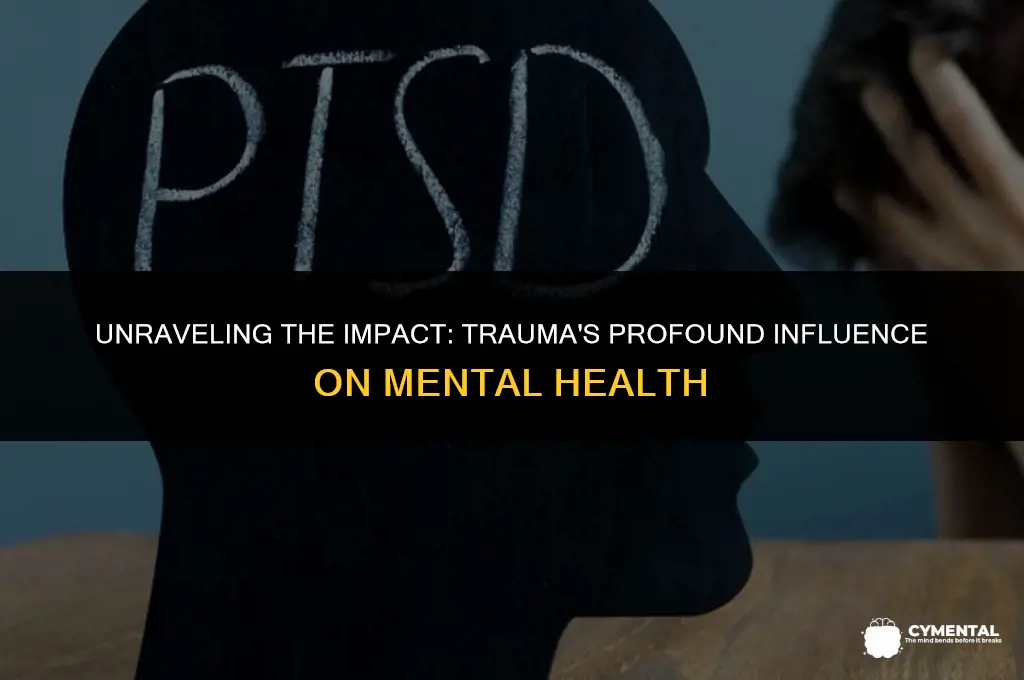
Trauma can have a profound and lasting impact on an individual's mental health. When a person experiences a traumatic event, such as a natural disaster, violent crime, or severe accident, their brain and body undergo significant stress. This can lead to a range of psychological and emotional responses, including anxiety, depression, post-traumatic stress disorder (PTSD), and dissociative disorders. The effects of trauma can be immediate or delayed, and may manifest in various ways, such as intrusive memories, flashbacks, nightmares, or avoidance behaviors. Understanding how trauma affects mental health is crucial for developing effective treatment strategies and supporting those who have experienced traumatic events. By exploring the complex relationship between trauma and mental health, we can gain valuable insights into the human experience and improve overall well-being.
| Characteristics | Values |
|---|---|
| Definition | Trauma refers to any distressing event or experience that overwhelms an individual's ability to cope, leading to lasting psychological and emotional effects. |
| Types | Physical trauma (e.g., injuries, accidents), emotional trauma (e.g., abuse, neglect), psychological trauma (e.g., witnessing violence, experiencing a natural disaster). |
| Immediate Effects | Shock, denial, fear, anxiety, depression, dissociation, confusion, physical symptoms (e.g., headaches, nausea). |
| Long-term Effects | Post-traumatic stress disorder (PTSD), anxiety disorders, depressive disorders, substance abuse, sleep disturbances, chronic pain, compromised immune system. |
| Cognitive Impact | Memory problems, difficulty concentrating, impaired decision-making, negative thought patterns, flashbacks, nightmares. |
| Emotional Impact | Emotional numbing, irritability, anger, guilt, shame, fear, anxiety, depression, mood swings. |
| Social Impact | Withdrawal from social activities, strained relationships, difficulty trusting others, feelings of isolation, social anxiety. |
| Neurobiological Changes | Alterations in brain structure and function, particularly in the amygdala, hippocampus, and prefrontal cortex, affecting emotional regulation and memory processing. |
| Risk Factors | Previous traumatic experiences, genetic predisposition, lack of social support, substance abuse, chronic stress, personality traits (e.g., neuroticism). |
| Protective Factors | Strong social support, resilience, positive coping mechanisms, access to mental health care, stable living environment. |
| Treatment Options | Cognitive-behavioral therapy (CBT), exposure therapy, eye movement desensitization and reprocessing (EMDR), medication (e.g., antidepressants, anti-anxiety drugs), holistic approaches (e.g., yoga, mindfulness). |
| Prognosis | With appropriate treatment and support, individuals can experience significant improvement in symptoms and quality of life, although recovery may be a long and challenging process. |
Explore related products


$14.15 $20

$9.98 $14.99

$20.49 $36.99


What You'll Learn
- Neurobiological Changes: Trauma alters brain structure and function, impacting emotional regulation and stress response
- Psychological Symptoms: Trauma can lead to anxiety, depression, PTSD, and dissociative disorders, affecting daily life
- Behavioral Coping Mechanisms: Individuals may develop maladaptive coping strategies like substance abuse or self-harm to manage trauma-related distress
- Interpersonal Relationships: Trauma can strain relationships with family and friends, leading to social isolation and support system breakdown
- Long-term Health Consequences: Chronic trauma exposure is linked to physical health issues like chronic pain, fatigue, and compromised immune function

Neurobiological Changes: Trauma alters brain structure and function, impacting emotional regulation and stress response
Trauma has a profound impact on the brain, leading to significant neurobiological changes that can alter emotional regulation and stress response. These changes are not merely psychological but are deeply rooted in the physical structure and function of the brain. Understanding these alterations is crucial for comprehending the long-term effects of trauma on mental health.
One of the primary areas affected by trauma is the amygdala, which is responsible for processing emotions and triggering the body's stress response. In individuals who have experienced trauma, the amygdala can become hyperactive, leading to heightened emotional responses and an exaggerated fight-or-flight reaction. This can result in symptoms such as anxiety, fear, and hypervigilance, which are common in post-traumatic stress disorder (PTSD).
Another critical region impacted by trauma is the hippocampus, which plays a vital role in memory formation and spatial navigation. Trauma can lead to a reduction in hippocampal volume, impairing the ability to form new memories and process past experiences. This can contribute to memory problems and flashbacks, where individuals may struggle to differentiate between past traumatic events and present situations.
Furthermore, trauma can disrupt the balance of neurotransmitters in the brain, such as serotonin and norepinephrine, which are essential for regulating mood and stress. This imbalance can lead to symptoms of depression, mood swings, and increased stress levels. Additionally, trauma can affect the hypothalamic-pituitary-adrenal (HPA) axis, which is responsible for regulating the body's stress response. A dysregulated HPA axis can result in chronic stress, fatigue, and a weakened immune system.
The neurobiological changes induced by trauma can have long-lasting effects on mental health, making it challenging for individuals to cope with everyday stressors and maintain emotional stability. These changes underscore the importance of seeking professional help and support in the aftermath of traumatic experiences. By understanding the intricate ways in which trauma affects the brain, we can develop more effective treatments and interventions to help individuals recover and regain control over their mental health.
The Impact of Cyberbullying on Mental Health: A Growing Concern
You may want to see also
Explore related products


$30.24 $57.99


Psychological Symptoms: Trauma can lead to anxiety, depression, PTSD, and dissociative disorders, affecting daily life
Trauma can have a profound impact on mental health, leading to a range of psychological symptoms that can significantly affect daily life. One of the most common symptoms is anxiety, which can manifest as excessive worry, fear, or a sense of impending doom. This anxiety can be debilitating, making it difficult for individuals to function in their daily lives.
Depression is another common psychological symptom that can result from trauma. This can include feelings of sadness, hopelessness, and a loss of interest in activities that were once enjoyable. Depression can also lead to physical symptoms such as changes in appetite, sleep disturbances, and fatigue.
Post-traumatic stress disorder (PTSD) is a condition that can develop after experiencing or witnessing a traumatic event. Symptoms of PTSD can include flashbacks, nightmares, and intrusive thoughts about the event. Individuals with PTSD may also experience physical symptoms such as a racing heart, sweating, and trembling.
Dissociative disorders are another potential psychological symptom of trauma. These disorders can cause individuals to feel disconnected from themselves or their surroundings. Symptoms can include memory loss, confusion, and a sense of detachment from reality.
It is important to note that these psychological symptoms can vary in severity and may not always be immediately apparent. Some individuals may experience symptoms soon after the traumatic event, while others may not experience them until months or even years later.
Treatment for these psychological symptoms can include therapy, medication, or a combination of both. Cognitive-behavioral therapy (CBT) is a common type of therapy used to treat anxiety and depression. Eye movement desensitization and reprocessing (EMDR) is a therapy specifically designed to treat PTSD. Medications such as antidepressants and anti-anxiety drugs can also be effective in managing symptoms.
In addition to professional treatment, there are also self-care strategies that individuals can use to manage their symptoms. These can include exercise, mindfulness practices, and spending time with supportive friends and family. It is important for individuals to seek help and support if they are experiencing psychological symptoms as a result of trauma. With the right treatment and support, it is possible to manage these symptoms and improve overall mental health.
The Unseen Impact: How Injuries Shape Athletes' Mental Health
You may want to see also
Explore related products


Behavioral Coping Mechanisms: Individuals may develop maladaptive coping strategies like substance abuse or self-harm to manage trauma-related distress
Individuals who experience trauma may develop a range of coping mechanisms to manage the resulting distress. While some of these strategies can be adaptive and helpful, others may be maladaptive and potentially harmful. Maladaptive coping strategies often serve as a means of escape or avoidance, providing temporary relief from the overwhelming emotions and memories associated with trauma.
Substance abuse is a common maladaptive coping mechanism for trauma survivors. Drugs and alcohol can provide a sense of numbness or detachment, allowing individuals to temporarily avoid confronting their traumatic experiences. However, substance abuse can also lead to a range of negative consequences, including physical health problems, social isolation, and legal issues. Furthermore, the use of substances can actually exacerbate trauma-related symptoms in the long term, as it can interfere with the brain's ability to process and integrate traumatic memories.
Self-harm is another maladaptive coping strategy that some trauma survivors may employ. This can include behaviors such as cutting, burning, or hitting oneself. Self-harm can provide a sense of control or release, allowing individuals to channel their emotional pain into a physical outlet. However, self-harm can also lead to serious physical injuries, infections, and scarring. Additionally, it can reinforce negative self-perceptions and contribute to feelings of shame and guilt.
It is important to recognize that maladaptive coping mechanisms are often a symptom of underlying trauma and should not be judged or stigmatized. Instead, individuals who are struggling with these behaviors should be offered support and resources to help them develop healthier coping strategies. This can include therapy, support groups, and mindfulness practices. By addressing the root causes of trauma and providing individuals with the tools they need to manage their symptoms, it is possible to help them overcome maladaptive coping mechanisms and improve their overall mental health and well-being.
Unraveling the Complex Link: Substance Abuse and Mental Health
You may want to see also
Explore related products


$16.71 $22.95

$14.49 $21.99


Interpersonal Relationships: Trauma can strain relationships with family and friends, leading to social isolation and support system breakdown
Trauma can have a profound impact on interpersonal relationships, often leading to a breakdown in communication and trust. When individuals experience trauma, they may become withdrawn, emotionally unavailable, or even aggressive towards those closest to them. This can result in feelings of confusion, hurt, and frustration among family and friends, who may not understand the underlying causes of the behavioral changes. Over time, these strained relationships can lead to social isolation, as the individual may feel too ashamed or overwhelmed to maintain social connections.
One of the key ways in which trauma affects relationships is by altering the way individuals perceive and respond to emotional cues. Traumatic experiences can lead to a heightened sense of fear and anxiety, making it difficult for individuals to feel safe and secure in their relationships. They may also develop a tendency to catastrophize or overreact to minor conflicts, which can further strain relationships. Additionally, trauma can lead to a loss of interest in activities and hobbies that were once shared with loved ones, creating a sense of disconnection and loneliness.
In some cases, trauma can also lead to the development of unhealthy coping mechanisms, such as substance abuse or self-harm, which can further complicate relationships. Family and friends may feel helpless or unsure of how to support their loved one, leading to feelings of guilt and inadequacy. It is important to recognize that these behavioral changes are often a result of the trauma, rather than a reflection of the individual's character or intentions.
Rebuilding relationships after trauma can be a challenging and time-consuming process. It often requires patience, understanding, and a willingness to communicate openly and honestly. Loved ones can play a crucial role in supporting the individual's recovery by offering emotional support, helping them to feel safe and secure, and encouraging them to seek professional help. Therapy can also be beneficial in addressing the underlying causes of the trauma and developing healthy coping mechanisms.
Ultimately, it is important to recognize that trauma can have a significant impact on interpersonal relationships, but with the right support and resources, it is possible to rebuild and strengthen these connections. By fostering a deeper understanding of the effects of trauma and offering compassionate support, family and friends can help their loved ones to heal and move forward.
Unveiling the Mental Impact: A Deep Dive into Depressants' Effects
You may want to see also
Explore related products


Long-term Health Consequences: Chronic trauma exposure is linked to physical health issues like chronic pain, fatigue, and compromised immune function
Chronic trauma exposure has profound and far-reaching effects on an individual's physical health, often manifesting in conditions that are difficult to diagnose and treat. One of the most common long-term health consequences is chronic pain, which can result from the body's heightened stress response and the subsequent wear and tear on physical systems. This pain can be debilitating, affecting a person's ability to perform daily tasks and maintain a normal quality of life.
Fatigue is another significant issue linked to chronic trauma exposure. This is not just physical tiredness but a deep, pervasive exhaustion that can impact cognitive function, emotional regulation, and overall well-being. The constant state of alertness and stress associated with trauma can lead to adrenal fatigue, where the adrenal glands, responsible for producing stress hormones, become overworked and depleted.
Compromised immune function is also a critical concern. Chronic stress and trauma can suppress the immune system, making individuals more susceptible to infections and illnesses. This can result in frequent colds, flu, and other health problems that further exacerbate the individual's overall condition. Moreover, a weakened immune system can lead to more severe health issues, such as autoimmune disorders, where the body's immune system attacks its own tissues.
The link between chronic trauma exposure and these physical health issues is complex and multifaceted. It involves a combination of psychological, physiological, and environmental factors. Understanding this connection is crucial for developing effective treatment strategies that address both the mental and physical aspects of trauma. By recognizing the long-term health consequences of chronic trauma exposure, healthcare providers can offer more comprehensive care that includes both psychological therapy and physical health management.
Festive Blues: Unwrapping the Impact of Holidays on Mental Health
You may want to see also
Frequently asked questions
Trauma refers to any distressing event or series of events that overwhelms an individual's ability to cope. This can include experiences such as physical or emotional abuse, accidents, natural disasters, or combat. Trauma can have profound effects on mental health, leading to conditions like post-traumatic stress disorder (PTSD), anxiety, depression, and substance abuse.
Symptoms of trauma-related mental health issues can vary widely but may include flashbacks or intrusive memories of the traumatic event, heightened anxiety or alertness, difficulty sleeping, mood swings, irritability, and avoidance of reminders of the trauma. Physical symptoms such as headaches, stomach problems, and chronic pain can also be present.
Trauma can impact various facets of a person's life, including their relationships, work, and daily functioning. It can lead to difficulties in forming and maintaining healthy relationships due to trust issues or emotional numbing. At work, trauma can result in decreased productivity, absenteeism, or conflicts with colleagues. In daily life, individuals may struggle with routine tasks, experience changes in appetite or sleep patterns, and engage in risky behaviors.
Effective treatments for trauma-related mental health conditions often involve a combination of psychotherapy and medication. Cognitive-behavioral therapy (CBT) and eye movement desensitization and reprocessing (EMDR) are two common therapeutic approaches that can help individuals process and cope with their traumatic experiences. Medications such as antidepressants and anti-anxiety drugs may also be prescribed to manage symptoms. Additionally, support groups and holistic therapies like yoga and mindfulness can be beneficial in promoting healing and recovery.