Madison Cole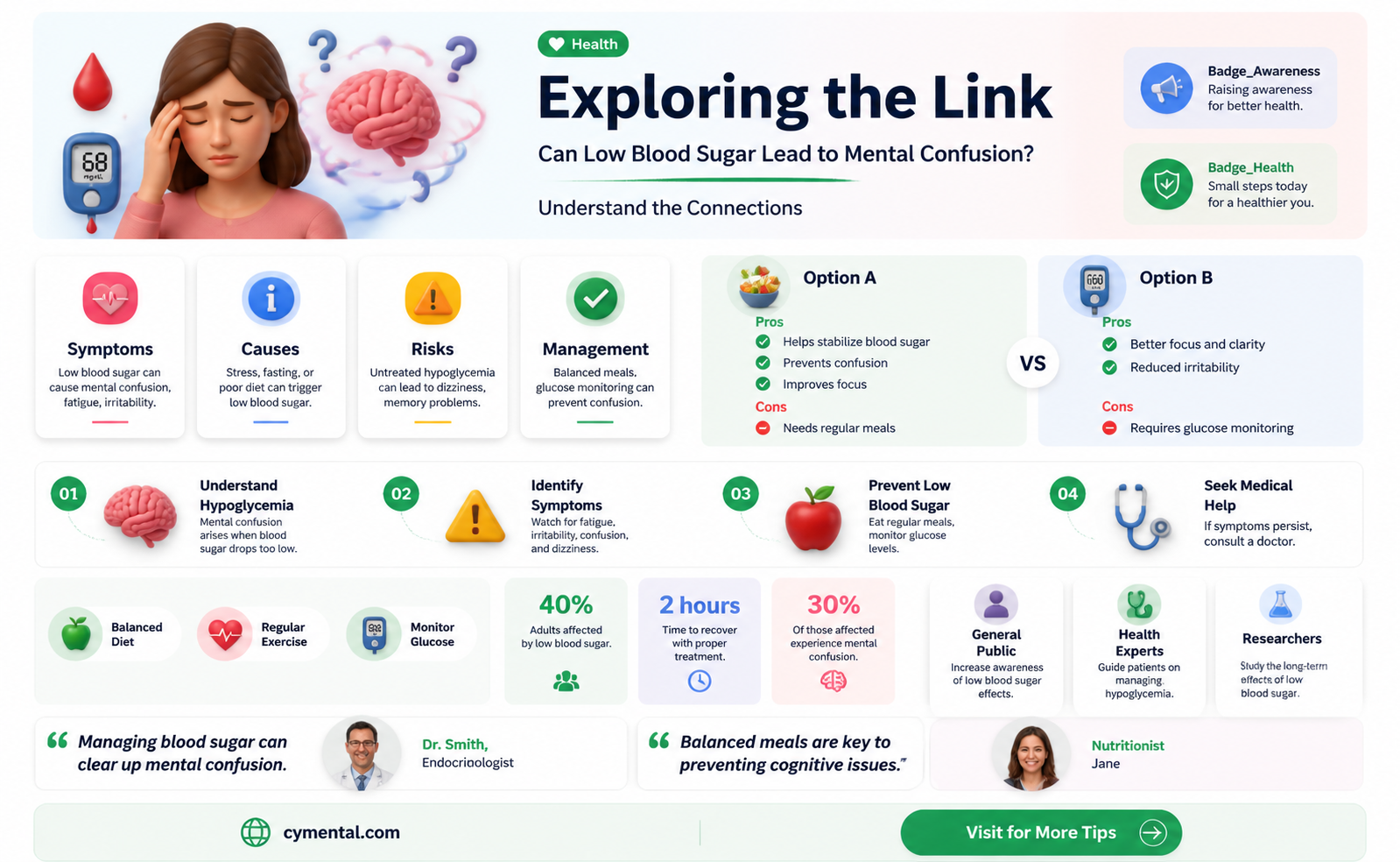
Diabetes is a chronic condition characterized by high blood sugar levels, but it can also lead to episodes of low blood sugar, known as hypoglycemia. While hypoglycemia is often associated with physical symptoms such as shakiness, sweating, and dizziness, it can also have a significant impact on mental functioning. In severe cases, a diabetes low can cause mental confusion, disorientation, and even loss of consciousness. This occurs because the brain relies heavily on glucose as its primary source of energy, and when blood sugar levels drop too low, the brain's ability to function properly is impaired. Understanding the link between diabetes lows and mental confusion is crucial for individuals with diabetes and their caregivers, as it can help them recognize and manage hypoglycemic episodes more effectively.
| Characteristics | Values |
|---|---|
| Condition | Hypoglycemia (low blood sugar) in diabetes |
| Common Cause | Insufficient food intake, excessive insulin or oral hypoglycemic agents, or increased physical activity without proper carbohydrate intake |
| Symptoms | Mental confusion, dizziness, weakness, sweating, trembling, blurred vision, irritability, difficulty concentrating, slurred speech |
| Onset | Gradual or sudden, depending on the severity of hypoglycemia |
| Duration | Can last from a few minutes to several hours if untreated |
| Severity | Mild to severe; severe cases can lead to loss of consciousness or seizures |
| Treatment | Immediate intake of fast-acting carbohydrates (e.g., glucose tablets, fruit juice), followed by a balanced meal or snack |
| Prevention | Regular monitoring of blood sugar levels, maintaining a balanced diet, adjusting medication as needed, and being aware of the signs and symptoms |
| Complications | If untreated, can lead to diabetic coma or death; frequent episodes can affect cognitive function and quality of life |
| Risk Factors | History of diabetes, use of insulin or oral hypoglycemic agents, poor dietary adherence, increased physical activity, alcohol consumption, certain medications (e.g., beta-blockers, sulfonylureas) |
| Diagnostic Tests | Blood glucose level measurement, glycated hemoglobin (A1C) test, oral glucose tolerance test |
| Management | Lifestyle modifications (diet, exercise), medication adjustments, continuous glucose monitoring, education on hypoglycemia prevention and management |
| Prognosis | Generally good with proper management and awareness; however, recurrent severe episodes can lead to long-term complications |
| Support | Diabetes education programs, support groups, healthcare provider guidance, emergency medical services if needed |
| Research | Ongoing studies on better management strategies, new medications, and technologies for continuous glucose monitoring and automated insulin delivery |
Explore related products


What You'll Learn
- Hypoglycemia and Cognitive Function: How low blood sugar affects brain function and mental clarity
- Symptoms of Diabetic Low: Recognizing signs of hypoglycemia that may lead to mental confusion
- Impact on Daily Activities: How mental confusion due to low blood sugar can affect daily tasks and responsibilities
- Prevention and Management: Strategies to prevent and manage hypoglycemia-related mental confusion in diabetes patients
- Medical Complications: Potential long-term complications of recurrent hypoglycemia on mental health and cognitive abilities

Hypoglycemia and Cognitive Function: How low blood sugar affects brain function and mental clarity
Hypoglycemia, a condition characterized by abnormally low blood sugar levels, can have profound effects on cognitive function and mental clarity. When blood glucose levels drop too low, the brain is deprived of its primary energy source, leading to a range of neurological symptoms. These can include confusion, difficulty concentrating, irritability, and even seizures or loss of consciousness in severe cases.
The brain's sensitivity to glucose levels is due to its high energy demands. Unlike other organs, the brain cannot store significant amounts of glucose and relies on a constant supply from the bloodstream. When this supply is disrupted, as in hypoglycemia, the brain's ability to function optimally is compromised. Neurotransmitters, which are crucial for communication between brain cells, are also affected, further impairing cognitive processes.
In individuals with diabetes, hypoglycemia can occur as a complication of insulin treatment or other diabetes medications. It is particularly common in those who take insulin, as it can be challenging to balance insulin doses with food intake and physical activity. Episodes of hypoglycemia can be triggered by skipping meals, exercising without adequate carbohydrate intake, or taking too much insulin.
The impact of hypoglycemia on cognitive function can be both immediate and long-term. In the short term, symptoms such as confusion and difficulty concentrating can resolve once blood sugar levels are restored to normal. However, repeated episodes of severe hypoglycemia can lead to permanent cognitive impairment, particularly in older adults and children. This underscores the importance of careful blood sugar management in individuals with diabetes to prevent such complications.
To mitigate the risk of hypoglycemia-related cognitive impairment, it is essential for individuals with diabetes to monitor their blood sugar levels regularly and adjust their medication and diet accordingly. They should also be aware of the symptoms of hypoglycemia and know how to treat it promptly, typically by consuming a fast-acting carbohydrate such as glucose tablets or a sugary drink. In addition, continuous glucose monitoring systems and insulin pumps with advanced features can help maintain more stable blood sugar levels, reducing the risk of hypoglycemic episodes.
In conclusion, hypoglycemia can significantly affect cognitive function and mental clarity, particularly in individuals with diabetes. Understanding the causes, symptoms, and treatment of hypoglycemia is crucial for preventing cognitive impairment and maintaining overall health. By taking proactive steps to manage blood sugar levels and being vigilant about the signs of hypoglycemia, individuals with diabetes can reduce the risk of this potentially debilitating complication.
Exploring the Link: Chest Infections and Mental Confusion
You may want to see also
Explore related products


Symptoms of Diabetic Low: Recognizing signs of hypoglycemia that may lead to mental confusion
Hypoglycemia, commonly referred to as a "diabetic low," occurs when blood sugar levels drop below the normal range. This condition can lead to a variety of symptoms, including mental confusion. Recognizing the signs of hypoglycemia is crucial for individuals with diabetes and those around them, as prompt treatment can prevent serious complications.
One of the earliest signs of hypoglycemia is shakiness or trembling, often accompanied by sweating. This is the body's natural response to low blood sugar, as it attempts to raise glucose levels through the release of stress hormones. As blood sugar levels continue to drop, individuals may experience dizziness, lightheadedness, or a feeling of faintness. These symptoms can progress to more severe manifestations, such as difficulty concentrating, confusion, or even loss of consciousness if left untreated.
In addition to these physical symptoms, hypoglycemia can also affect mood and behavior. Individuals may become irritable, anxious, or agitated, which can be mistaken for other conditions such as anxiety disorders or mood swings. It is essential to consider the possibility of hypoglycemia in individuals with diabetes who exhibit these symptoms, especially if they have a history of frequent lows.
To prevent hypoglycemia-related mental confusion, individuals with diabetes should monitor their blood sugar levels regularly and maintain a consistent meal and medication schedule. It is also important to be aware of the factors that can contribute to low blood sugar, such as excessive exercise, alcohol consumption, or skipping meals. By taking proactive steps to manage blood sugar levels, individuals can reduce the risk of experiencing hypoglycemia and its associated symptoms.
In cases where hypoglycemia does occur, prompt treatment is essential. This typically involves consuming a fast-acting source of glucose, such as juice, candy, or a glucose tablet. It is important to follow up with a more substantial snack or meal to prevent blood sugar levels from dropping again. In severe cases, medical attention may be necessary, and individuals should be prepared to seek help if symptoms worsen or do not improve with treatment.
By understanding the symptoms of hypoglycemia and taking appropriate measures to prevent and treat lows, individuals with diabetes can better manage their condition and reduce the risk of mental confusion and other serious complications.
Unraveling the Complex Link Between Mental Illness and School Shootings
You may want to see also
Explore related products


$18.55 $35.95


Impact on Daily Activities: How mental confusion due to low blood sugar can affect daily tasks and responsibilities
Low blood sugar, or hypoglycemia, can significantly impact a person's ability to perform daily activities and fulfill their responsibilities. This is primarily due to the role that glucose plays in the brain's function. Glucose is the brain's primary source of energy, and when levels drop too low, it can lead to a range of cognitive impairments.
One of the most immediate effects of low blood sugar on daily activities is the impairment of concentration and attention. This can make it difficult for individuals to focus on tasks that require sustained mental effort, such as work or school assignments. Simple tasks may become challenging, and complex tasks may seem insurmountable. For example, a person with low blood sugar may struggle to follow a recipe, balance a checkbook, or even carry on a coherent conversation.
In addition to concentration difficulties, low blood sugar can also affect memory and learning. This can be particularly problematic for students or professionals who need to retain and recall information. Short-term memory is often the first to be affected, making it difficult for individuals to remember recent events or conversations. Long-term memory can also be impacted, although this is typically a more gradual process.
Low blood sugar can also lead to physical symptoms that can interfere with daily activities. Fatigue, weakness, and dizziness are common, and these can make it difficult to perform even simple tasks. For instance, a person with low blood sugar may find it challenging to get out of bed, take a shower, or prepare a meal.
Furthermore, the emotional impact of low blood sugar should not be underestimated. Anxiety, irritability, and mood swings are common, and these can strain relationships and make it difficult to cope with the demands of daily life. A person experiencing low blood sugar may become easily frustrated or overwhelmed, leading to a decrease in productivity and an increase in stress.
In conclusion, the impact of low blood sugar on daily activities can be profound and far-reaching. It can affect cognitive function, physical abilities, and emotional well-being, making it challenging for individuals to meet their responsibilities and engage in everyday tasks. Recognizing the signs of low blood sugar and taking steps to manage it effectively is crucial for maintaining a high quality of life.
Unraveling the Complex Link Between Mental Illness and Mass Shootings
You may want to see also
Explore related products





Prevention and Management: Strategies to prevent and manage hypoglycemia-related mental confusion in diabetes patients
Effective prevention and management of hypoglycemia-related mental confusion in diabetes patients require a multifaceted approach. Firstly, it is crucial to educate patients about the signs and symptoms of hypoglycemia, emphasizing the importance of recognizing and treating lows promptly. This includes understanding the glycemic index of foods, the effects of physical activity, and the potential interactions with medications.
Secondly, regular monitoring of blood glucose levels is essential. Patients should be encouraged to check their levels frequently, especially before and after meals, and to keep a log of their readings. This can help identify patterns and trends, allowing for adjustments to diet, exercise, and medication as needed.
Thirdly, healthcare providers should work with patients to develop individualized treatment plans that take into account their specific needs and circumstances. This may include adjusting medication dosages, recommending specific types of carbohydrates for quick energy, and providing guidance on how to manage stress and other factors that can affect blood sugar levels.
In addition to these strategies, it is important to address any underlying conditions that may be contributing to hypoglycemia-related mental confusion. For example, patients with adrenal insufficiency or thyroid disorders may be more prone to hypoglycemia, and treating these conditions can help improve overall blood sugar control.
Finally, patients should be encouraged to wear medical alert bracelets or carry other forms of identification that indicate their diabetes status. This can be crucial in emergency situations where the patient may be unable to communicate effectively due to mental confusion.
By implementing these strategies, healthcare providers can help patients with diabetes better prevent and manage hypoglycemia-related mental confusion, improving their overall quality of life and reducing the risk of serious complications.
Exploring the Link: Bladder Infections and Mental Health Concerns
You may want to see also
Explore related products




Medical Complications: Potential long-term complications of recurrent hypoglycemia on mental health and cognitive abilities
Recurrent hypoglycemia, a condition characterized by frequent episodes of low blood sugar, can have profound long-term effects on mental health and cognitive abilities. This is particularly concerning for individuals with diabetes, who may experience hypoglycemia as a complication of their condition. The brain relies heavily on glucose as its primary source of energy, and prolonged periods of low blood sugar can lead to a range of neurological symptoms and complications.
One of the most significant potential complications of recurrent hypoglycemia is cognitive impairment. Studies have shown that individuals who experience frequent hypoglycemic episodes may exhibit decreased cognitive function, including difficulties with memory, attention, and problem-solving. This can be particularly problematic for children and adolescents with diabetes, as it may impact their academic performance and social development. In severe cases, recurrent hypoglycemia can even lead to permanent brain damage and neurological deficits.
In addition to cognitive impairment, recurrent hypoglycemia can also have a negative impact on mental health. Individuals who experience frequent episodes of low blood sugar may develop anxiety, depression, and mood swings. These mental health issues can be exacerbated by the stress and fear associated with managing diabetes and the potential for severe hypoglycemic episodes. Furthermore, the hormonal changes that occur during hypoglycemia can contribute to feelings of irritability, confusion, and disorientation.
It is important for individuals with diabetes to be aware of the potential long-term complications of recurrent hypoglycemia and to take steps to manage their condition effectively. This may include monitoring blood sugar levels regularly, adhering to a balanced diet, and taking medication as prescribed. In some cases, continuous glucose monitoring systems or insulin pumps may be recommended to help maintain stable blood sugar levels. By taking proactive measures to manage diabetes and prevent hypoglycemia, individuals can reduce their risk of developing cognitive and mental health complications.
In conclusion, recurrent hypoglycemia can have serious long-term effects on mental health and cognitive abilities, particularly for individuals with diabetes. It is crucial for those affected by this condition to be vigilant in managing their blood sugar levels and to seek medical attention if they experience frequent or severe hypoglycemic episodes. By doing so, they can help mitigate the risks associated with this potentially debilitating complication of diabetes.
Unseen Scars: The Mental and Emotional Toll of Restraints
You may want to see also
Frequently asked questions
Yes, a diabetes low, also known as hypoglycemia, can cause mental confusion. When blood sugar levels drop too low, it can affect the brain's ability to function properly, leading to symptoms such as confusion, difficulty concentrating, and even seizures in severe cases.
Common symptoms of a diabetes low include shakiness, sweating, hunger, nausea, dizziness, pale skin, and a rapid heartbeat. In addition to mental confusion, severe lows can also cause loss of consciousness or seizures.
To prevent mental confusion caused by diabetes lows, individuals should monitor their blood sugar levels regularly, eat a balanced diet with regular meals and snacks, take their diabetes medication as prescribed, and be aware of the symptoms of hypoglycemia. It's also important to have a plan in place for treating lows, such as having glucose tablets or a glucagon kit on hand.
If someone experiences mental confusion due to a diabetes low, they should first check their blood sugar level to confirm it's low. If it is, they should consume a fast-acting carbohydrate, such as glucose tablets or juice, to raise their blood sugar level quickly. If the confusion is severe or the person is unable to treat themselves, they should seek immediate medical attention.