Noah Parker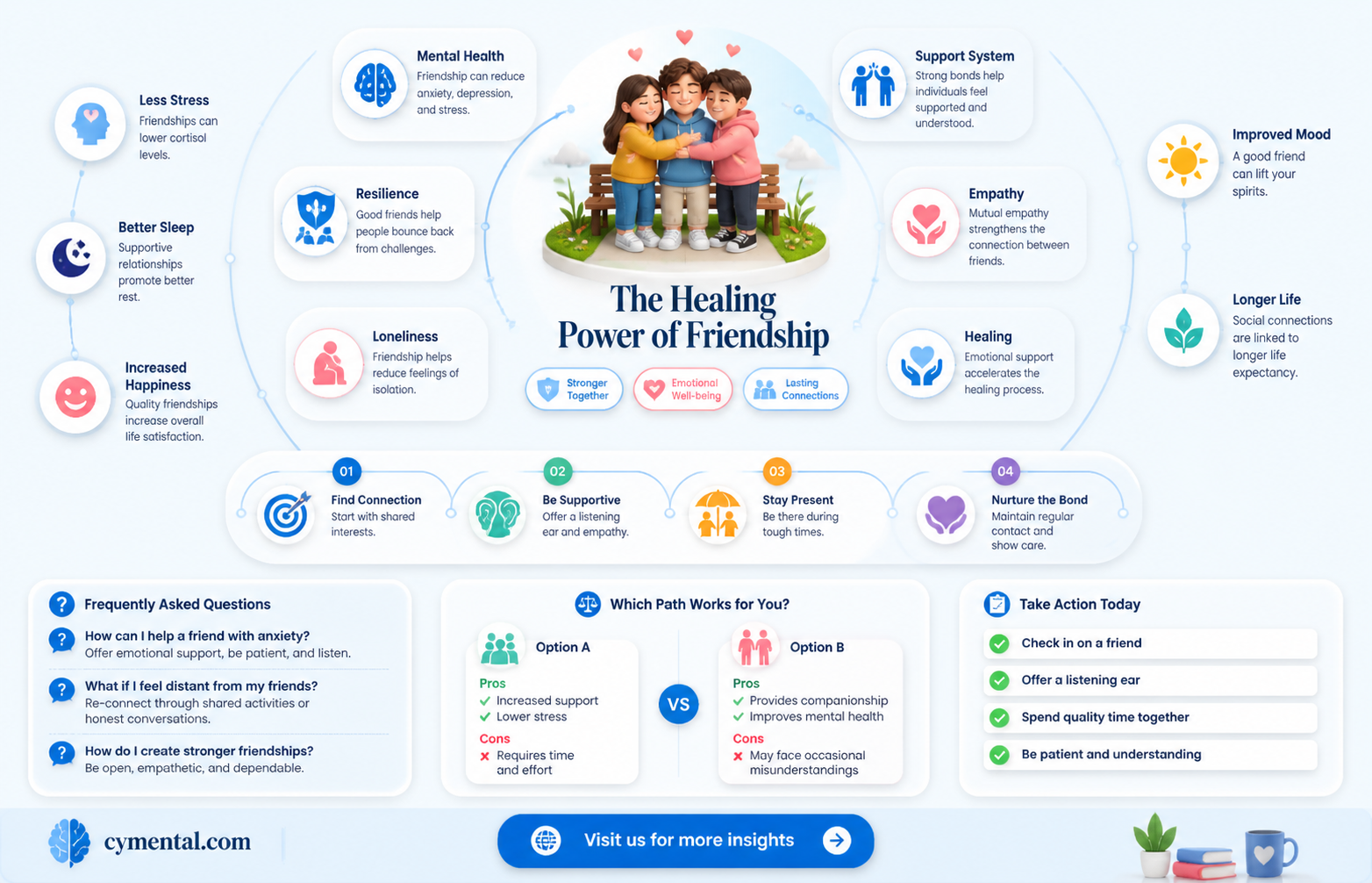
The question of whether a friendship can contribute to the recovery of a mentally ill patient is a complex and multifaceted one. While mental health treatment often involves professional interventions such as therapy and medication, the role of social support and relationships in the healing process cannot be underestimated. Research has shown that strong social connections can have a positive impact on mental health outcomes, providing emotional support, reducing feelings of isolation, and promoting a sense of belonging. In the context of mental illness, friendships can offer a non-judgmental space for individuals to express their feelings, share their experiences, and receive validation and encouragement. This social support can be particularly beneficial for those struggling with conditions such as depression, anxiety, or schizophrenia, where feelings of loneliness and social withdrawal are common. However, it is important to note that while friendships can be a valuable adjunct to professional treatment, they should not be seen as a replacement for it. A comprehensive approach to mental health care should involve a combination of professional interventions, social support, and self-care strategies.
Explore related products




What You'll Learn
- Emotional Support: Friends provide a listening ear and empathy, reducing feelings of isolation and loneliness
- Social Interaction: Regular social activities with friends can improve mood and cognitive function
- Encouragement of Healthy Habits: Friends can motivate each other to maintain a healthy lifestyle, including exercise and balanced diet
- Stress Reduction: Spending time with friends can help alleviate stress through shared experiences and humor
- Access to Resources: Friends can offer practical help, such as transportation to therapy sessions or assistance with daily tasks

Emotional Support: Friends provide a listening ear and empathy, reducing feelings of isolation and loneliness
Friends play a crucial role in providing emotional support to individuals struggling with mental health issues. This support can significantly reduce feelings of isolation and loneliness, which are often detrimental to mental well-being. By offering a listening ear and empathy, friends create a safe space for their peers to express their thoughts and emotions without fear of judgment. This simple yet profound act can help alleviate the burden of mental illness by fostering a sense of connection and understanding.
Research has shown that social support networks, including friendships, are essential for maintaining mental health. A study published in the Journal of Affective Disorders found that individuals with strong social support systems experienced lower levels of depression and anxiety. This highlights the importance of nurturing friendships as a means of promoting mental wellness. Friends can also encourage their peers to seek professional help when needed, providing an additional layer of support in the journey towards recovery.
Moreover, emotional support from friends can help individuals develop coping mechanisms and resilience. By sharing their experiences and offering advice, friends can provide valuable insights and strategies for managing mental health challenges. This peer-to-peer support can be particularly beneficial for those who may not have access to professional counseling or who are hesitant to seek help from a mental health professional.
In addition to providing emotional support, friends can also engage in activities that promote mental well-being. For example, participating in exercise, hobbies, or social events can help reduce stress and improve mood. Friends can also offer practical assistance, such as helping with daily tasks or providing transportation to appointments, which can alleviate some of the stressors associated with mental illness.
In conclusion, the emotional support provided by friends is a vital component in the recovery and maintenance of mental health. By offering a listening ear, empathy, and practical assistance, friends can help reduce feelings of isolation and loneliness, encourage professional help-seeking, and foster resilience. It is essential to recognize and value the role that friendships play in promoting mental well-being and to invest in nurturing these relationships for the benefit of both individuals and communities.
Unleashing Mental Drive: Strategies to Ignite Your Motivation
You may want to see also
Explore related products





Social Interaction: Regular social activities with friends can improve mood and cognitive function
Regular social activities with friends can significantly improve mood and cognitive function, particularly for individuals struggling with mental health issues. This improvement is not merely anecdotal; it is supported by a substantial body of research. Studies have shown that social interaction can enhance neuroplasticity, the brain's ability to form and reorganize synaptic connections, which is crucial for cognitive function. Engaging in regular social activities can also lead to the release of neurotransmitters like serotonin and dopamine, which play key roles in regulating mood.
One of the most effective ways to leverage social interaction for mental health benefits is through group activities that promote both engagement and enjoyment. For instance, participating in group sports, club meetings, or community events can provide a sense of belonging and purpose, which are essential for emotional well-being. Moreover, these activities often involve physical exercise, which has been independently shown to have positive effects on mental health.
It is important to note that the quality of social interactions is more critical than the quantity. Meaningful conversations and connections with friends can have a more profound impact on mental health than superficial or forced interactions. Therefore, it is advisable to focus on nurturing close relationships rather than merely increasing the number of social contacts.
In addition to improving mood and cognitive function, regular social activities can also provide practical support for individuals dealing with mental health challenges. Friends can offer emotional support, help with daily tasks, and encourage healthy behaviors. They can also serve as a valuable resource for information and advice, particularly when navigating the complexities of mental health care systems.
However, it is essential to recognize that social interaction is not a panacea for mental illness. While it can be a valuable adjunct to professional treatment, it should not replace medical or therapeutic interventions. Individuals with severe mental health conditions may require more intensive support than what can be provided by friends alone.
In conclusion, regular social activities with friends can be a powerful tool for improving mood and cognitive function, particularly for those struggling with mental health issues. By fostering meaningful connections and engaging in enjoyable group activities, individuals can enhance their emotional well-being and cognitive resilience. However, it is crucial to view social interaction as one component of a comprehensive approach to mental health, rather than a standalone solution.
Navigating Mental Health Waivers: A Guide for Military Aspirants
You may want to see also
Explore related products


Encouragement of Healthy Habits: Friends can motivate each other to maintain a healthy lifestyle, including exercise and balanced diet
Research has shown that social support from friends can significantly influence an individual's physical health behaviors. When friends encourage each other to engage in regular exercise and maintain a balanced diet, it can lead to positive changes in lifestyle habits. For instance, a study published in the Journal of Social and Personal Relationships found that individuals who received support from their friends for their fitness goals were more likely to adhere to their exercise routines.
One effective way friends can motivate each other is by setting shared health goals and tracking progress together. This can create a sense of accountability and friendly competition, which can be a powerful motivator. Additionally, friends can plan activities together that promote a healthy lifestyle, such as going for walks, joining a fitness class, or cooking nutritious meals.
It's also important for friends to lead by example. When one friend demonstrates a commitment to healthy habits, it can inspire others to follow suit. For example, if a friend consistently chooses healthier food options when dining out, it can encourage others in the group to make similar choices.
Furthermore, friends can provide emotional support and encouragement during challenging times. When someone is struggling to maintain their healthy habits, a supportive friend can offer motivation and help them stay on track. This emotional support can be especially important for individuals dealing with mental health issues, as it can help alleviate feelings of isolation and helplessness.
In conclusion, the encouragement of healthy habits among friends can have a significant impact on an individual's physical and mental well-being. By setting shared goals, leading by example, planning healthy activities together, and providing emotional support, friends can play a crucial role in promoting a healthy lifestyle.
Navigating the Process: Securing Disability Benefits for Mental Health Conditions
You may want to see also
Explore related products


Stress Reduction: Spending time with friends can help alleviate stress through shared experiences and humor
Spending time with friends can be a powerful stress-reduction technique, particularly for those dealing with mental health challenges. Shared experiences and humor can significantly alleviate stress by providing a sense of camaraderie and emotional support. When individuals engage in activities they enjoy with friends, their bodies release endorphins, which are natural mood elevators. This can help counteract the negative effects of stress hormones like cortisol.
One effective way to utilize friendships for stress reduction is by planning regular social activities. This could include anything from weekly coffee dates to group outings or even just casual phone calls. Consistency is key, as it helps establish a routine that can be relied upon during particularly stressful periods. Additionally, engaging in physical activities with friends, such as walking, jogging, or yoga, can further enhance the stress-relieving benefits by combining social interaction with exercise.
Humor also plays a crucial role in stress reduction within friendships. Laughing with friends can help shift one's focus away from stressors and provide a much-needed mental break. Watching comedies, sharing funny stories, or simply enjoying light-hearted banter can all contribute to a more relaxed state of mind. Furthermore, humor can foster a sense of connection and intimacy among friends, strengthening the bond and making it easier to discuss more serious issues when needed.
It's important to note that while friendships can be incredibly beneficial for stress reduction, they should not replace professional mental health treatment. For individuals dealing with severe mental health issues, it's essential to seek help from a qualified healthcare provider. However, in conjunction with professional treatment, nurturing friendships can be a valuable tool in managing stress and promoting overall well-being.
In conclusion, spending time with friends can offer significant stress-reduction benefits through shared experiences and humor. By planning regular social activities, engaging in physical exercise together, and fostering a sense of humor, individuals can leverage their friendships to better manage stress and improve their mental health. While friendships should not replace professional treatment, they can certainly complement it and contribute to a more balanced and healthy lifestyle.
Unleashing Resilience: A Guide to Cultivating Mental Toughness
You may want to see also
Explore related products


Access to Resources: Friends can offer practical help, such as transportation to therapy sessions or assistance with daily tasks
Friends can play a crucial role in supporting individuals with mental illness by providing access to essential resources. One of the most significant ways friends can help is by offering transportation to therapy sessions. This practical assistance can be invaluable, especially for those who may not have access to reliable transportation or who may find it challenging to navigate public transit due to their mental health condition. By ensuring that their friend arrives at therapy sessions on time and in a comfortable state, friends can help facilitate the therapeutic process and improve the likelihood of positive outcomes.
In addition to transportation, friends can also offer assistance with daily tasks that may become overwhelming for individuals with mental illness. This can include help with grocery shopping, meal preparation, household chores, or even just providing a listening ear during difficult times. By sharing the burden of these tasks, friends can help alleviate stress and allow their friend to focus on their mental health and recovery.
Moreover, friends can help connect individuals with mental illness to additional resources and support networks. This can include recommending mental health professionals, support groups, or online resources that may be beneficial for their friend's specific needs. By expanding their friend's access to resources, friends can help empower them to take an active role in their recovery and improve their overall well-being.
It is essential to note that while friends can provide valuable support, they should not attempt to replace professional mental health care. Friends should encourage their friend to seek professional help and should be prepared to offer ongoing support as needed. By working together with mental health professionals, friends can help create a comprehensive support system that addresses the unique needs of individuals with mental illness.
In conclusion, friends can make a significant difference in the lives of individuals with mental illness by providing access to resources, offering practical help, and connecting them to additional support networks. By taking an active role in their friend's recovery, friends can help improve their overall well-being and contribute to a more positive outcome.
Exploring Mental Health Prerequisites for Obtaining a Driver's License
You may want to see also
Frequently asked questions
Yes, friendships can play a crucial role in improving mental health. Social support from friends can reduce feelings of isolation, increase self-esteem, and provide emotional stability, which are all beneficial for mental health recovery.
Friends can help by being supportive listeners, encouraging professional treatment, assisting with daily tasks, providing companionship to reduce loneliness, and helping to maintain a routine that supports mental wellness.
While professional training can be beneficial, it is not necessary for a friend to provide support. The most important aspects are empathy, understanding, and a willingness to be there for the person in need.
No, a friendship alone cannot cure mental illness. While social support is vital, professional treatment, medication, and therapy are often necessary components of a comprehensive treatment plan for mental health conditions.