Madison Cole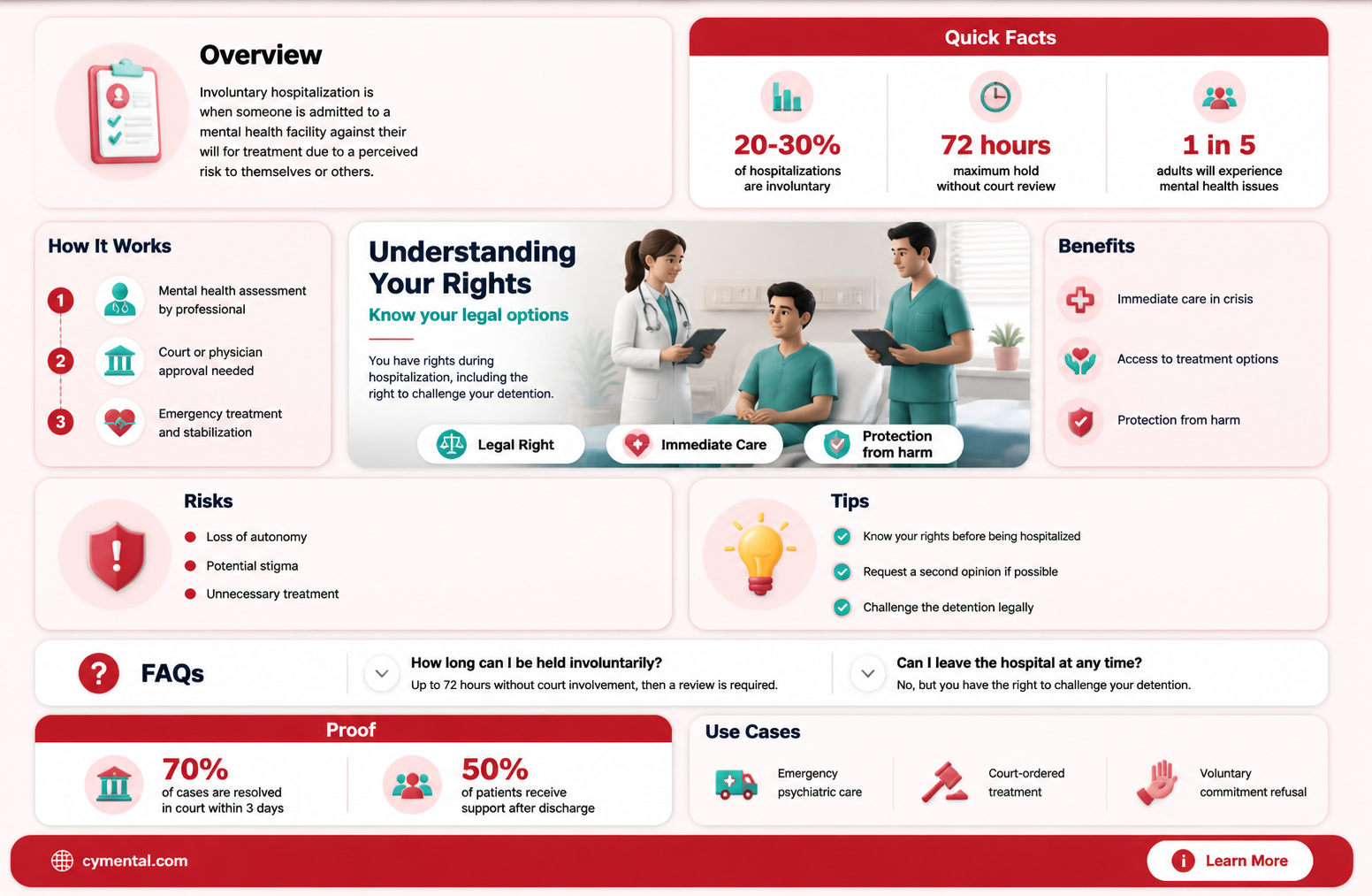
The question of whether a hospital can force an individual to stay for mental health reasons is a complex and sensitive issue that intersects with legal, ethical, and medical considerations. In many jurisdictions, involuntary psychiatric hospitalization is permitted under certain circumstances, typically when a person is deemed to be a danger to themselves or others due to a mental health condition. However, the specific criteria and procedures for such hospitalizations vary widely by country and even by state or region within a country. This topic raises important discussions about patient autonomy, the balance between individual rights and public safety, and the adequacy of mental health resources and support systems. It is crucial to approach this subject with a nuanced understanding of the legal frameworks, clinical practices, and the lived experiences of those affected by mental health policies.
Explore related products


What You'll Learn
- Legal Rights: Understand your legal rights regarding involuntary hospitalization for mental health evaluation or treatment
- Involuntary Commitment: Learn about the criteria and process for involuntary commitment to a psychiatric facility
- Patient Advocacy: Discover resources and support for patient advocacy and protection against unfair mental health practices
- Mental Health Laws: Explore the specific mental health laws and regulations in your state or country
- Support Networks: Find information on support networks and hotlines available for individuals facing mental health challenges

Legal Rights: Understand your legal rights regarding involuntary hospitalization for mental health evaluation or treatment
In the realm of mental health care, involuntary hospitalization is a critical and often contentious issue. It's essential to understand that while hospitals can detain individuals for mental health evaluation or treatment against their will, this process is heavily regulated by law to protect patients' rights. The legal framework surrounding involuntary hospitalization varies by jurisdiction but generally requires that a mental health professional or a designated authority determine that the individual poses a significant risk to themselves or others due to a mental health condition.
The process typically begins with an assessment by a qualified mental health professional, who must document the reasons for the involuntary hold. This assessment should include observations of the individual's behavior, statements from witnesses, and any relevant medical history. The individual must then be informed of their rights, including the right to a hearing to contest the hospitalization.
During the hospitalization, patients retain several legal rights. They have the right to be treated with dignity and respect, to receive appropriate medical care, and to have their privacy protected. They also have the right to communicate with their legal representatives and to have a review of their case by a mental health tribunal or court.
It's important to note that involuntary hospitalization is not a punitive measure but rather a therapeutic one. The goal is to provide necessary treatment and support to individuals who may be unable to seek help voluntarily due to the severity of their condition. However, this process must always be balanced against the individual's right to autonomy and self-determination.
In conclusion, while hospitals do have the authority to detain individuals for mental health reasons, this power is subject to strict legal guidelines designed to safeguard patients' rights. Understanding these legal protections is crucial for anyone involved in the mental health care system, whether as a patient, a family member, or a healthcare provider.
Understanding Voluntary Admission to Psychiatric Facilities: A Guide
You may want to see also
Explore related products


Involuntary Commitment: Learn about the criteria and process for involuntary commitment to a psychiatric facility
Involuntary commitment to a psychiatric facility is a legal process that allows for the detention of individuals who are deemed to be a danger to themselves or others due to their mental health condition. This process is often complex and varies by jurisdiction, but there are generally certain criteria that must be met before an individual can be involuntarily committed. These criteria typically include a determination that the individual is suffering from a mental illness, that they are unable to care for themselves or make informed decisions about their treatment, and that they pose a significant risk of harm to themselves or others.
The process of involuntary commitment usually begins with a petition filed by a concerned party, such as a family member, healthcare provider, or law enforcement officer. This petition must outline the reasons why the individual should be committed and provide evidence to support these claims. A hearing is then held, during which a judge or magistrate will review the petition and hear testimony from witnesses. If the judge determines that the criteria for involuntary commitment have been met, they will issue an order for the individual to be detained in a psychiatric facility.
During the commitment process, the individual has certain rights that must be protected. These include the right to legal representation, the right to a fair hearing, and the right to appeal the commitment order. Additionally, the individual should be provided with information about their rights and the reasons for their commitment, and they should be given the opportunity to participate in their treatment planning.
Involuntary commitment can be a controversial and emotionally charged issue, as it involves the deprivation of an individual's liberty and autonomy. However, it is also a necessary tool for ensuring the safety and well-being of individuals who are unable to care for themselves due to their mental health condition. When used appropriately and with due process, involuntary commitment can provide a critical lifeline for those in need of intensive psychiatric care.
Do Mental Hospitals Listen to Phone Calls: Privacy Concerns Explored
You may want to see also
Explore related products


Patient Advocacy: Discover resources and support for patient advocacy and protection against unfair mental health practices
Patient advocacy plays a crucial role in protecting individuals from unfair mental health practices. One key resource is the National Alliance on Mental Illness (NAMI), which offers support groups, educational programs, and advocacy services to help patients and their families navigate the mental health system. Additionally, the Substance Abuse and Mental Health Services Administration (SAMHSA) provides a helpline and online resources for those seeking assistance with mental health issues.
Another important avenue for patient advocacy is through legal channels. The Americans with Disabilities Act (ADA) and the Mental Health Parity and Addiction Equity Act (MHPAEA) are federal laws that protect individuals with mental health conditions from discrimination. Patients can also seek assistance from their state's protection and advocacy agency, which can provide legal representation and support.
In addition to these resources, patients can take proactive steps to advocate for themselves. This includes keeping detailed records of their medical history, treatment plans, and any interactions with healthcare providers. Patients should also be aware of their rights, such as the right to informed consent, the right to refuse treatment, and the right to privacy. By being informed and assertive, patients can help ensure that they receive fair and appropriate care.
Finally, community support can be a valuable tool for patient advocacy. Local mental health organizations, faith-based groups, and peer support networks can provide emotional support, practical assistance, and a sense of community for patients and their families. By connecting with others who have experienced similar challenges, patients can gain valuable insights and strategies for navigating the mental health system.
Empowering Youth: Understanding Minors' Rights in Mental Health Care
You may want to see also
Explore related products

Mental Health Laws: Explore the specific mental health laws and regulations in your state or country
In the United States, mental health laws vary significantly from state to state, governing the involuntary commitment process and the rights of individuals receiving mental health treatment. For instance, some states allow for involuntary commitment if a person is deemed a danger to themselves or others, while others require a more stringent standard of proof. It's crucial to understand the specific laws in your state to navigate the mental health system effectively.
To explore the mental health laws in your state, start by researching the relevant statutes and regulations online. Many states have a dedicated mental health code or section within their health and safety laws. You can also contact your state's department of mental health or a local mental health advocacy organization for more information. These resources can provide guidance on the involuntary commitment process, patient rights, and the legal standards for mental health treatment.
Understanding your state's mental health laws can empower you to advocate for yourself or a loved one. For example, knowing the criteria for involuntary commitment can help you recognize when someone may be at risk of being hospitalized against their will. Additionally, being aware of patient rights can help you ensure that individuals receiving mental health treatment are afforded the protections they deserve.
In some cases, mental health laws may also address the issue of informed consent and the right to refuse treatment. This can be particularly important for individuals who are concerned about the potential side effects of medication or other treatments. By understanding the laws in your state, you can make informed decisions about your own mental health care or support others in making theirs.
Overall, exploring the specific mental health laws and regulations in your state or country is an essential step in navigating the mental health system and advocating for the rights and well-being of individuals receiving treatment.
Understanding the Process: Voluntary Admission to a Mental Health Facility
You may want to see also
Support Networks: Find information on support networks and hotlines available for individuals facing mental health challenges
Individuals facing mental health challenges often require a robust support system to navigate their journey towards recovery. Support networks and hotlines play a crucial role in providing immediate assistance, resources, and a sense of community. These networks can be particularly vital for those who may be experiencing involuntary hospitalization, as they offer a lifeline to the outside world and can help advocate for the individual's rights and needs.
One of the most well-known hotlines is the National Suicide Prevention Lifeline (1-800-273-TALK), which offers 24/7 support for individuals in crisis. This hotline is staffed by trained crisis counselors who can provide emotional support, connect callers to local resources, and even dispatch emergency services if necessary. For those who prefer texting, the Crisis Text Line (text HOME to 741741) offers a similar service via SMS.
In addition to these national resources, there are numerous local and specialized support networks available. For example, the National Alliance on Mental Illness (NAMI) offers a helpline (1-800-950-NAMI) and online support groups for individuals and families affected by mental illness. The Substance Abuse and Mental Health Services Administration (SAMHSA) also provides a Behavioral Health Treatment Services Locator, which can help individuals find treatment facilities and support groups in their area.
For those facing involuntary hospitalization, it's important to know that there are resources available to help navigate the legal and emotional complexities of this situation. The Bazelon Center for Mental Health Law provides information and advocacy services for individuals with mental disabilities, including those who are experiencing involuntary commitment. Additionally, many states have their own mental health ombudsmen or patient advocates who can provide support and guidance.
Ultimately, support networks and hotlines serve as a critical component of the mental health care system, offering immediate assistance, resources, and a sense of hope to those in need. By reaching out to these networks, individuals can begin to build a support system that will help them navigate their mental health journey and advocate for their rights and needs.
Exploring the Possibility of Long-Term Mental Hospital Residency
You may want to see also
Frequently asked questions
Yes, under certain circumstances. If a mental health professional believes you are a danger to yourself or others, or if you are unable to care for yourself due to a mental health crisis, they may involuntarily commit you to a psychiatric hospital.
The criteria for involuntary commitment vary by jurisdiction, but generally, it requires a mental health professional to determine that you are a danger to yourself or others, or that you are gravely disabled and unable to care for yourself. This determination is often made after a thorough evaluation of your mental health status.
The duration of involuntary commitment also varies by jurisdiction and individual circumstances. It can range from a few days to several weeks or even months. The hospital must regularly review your case and provide you with opportunities to appeal your commitment.