Caleb Wright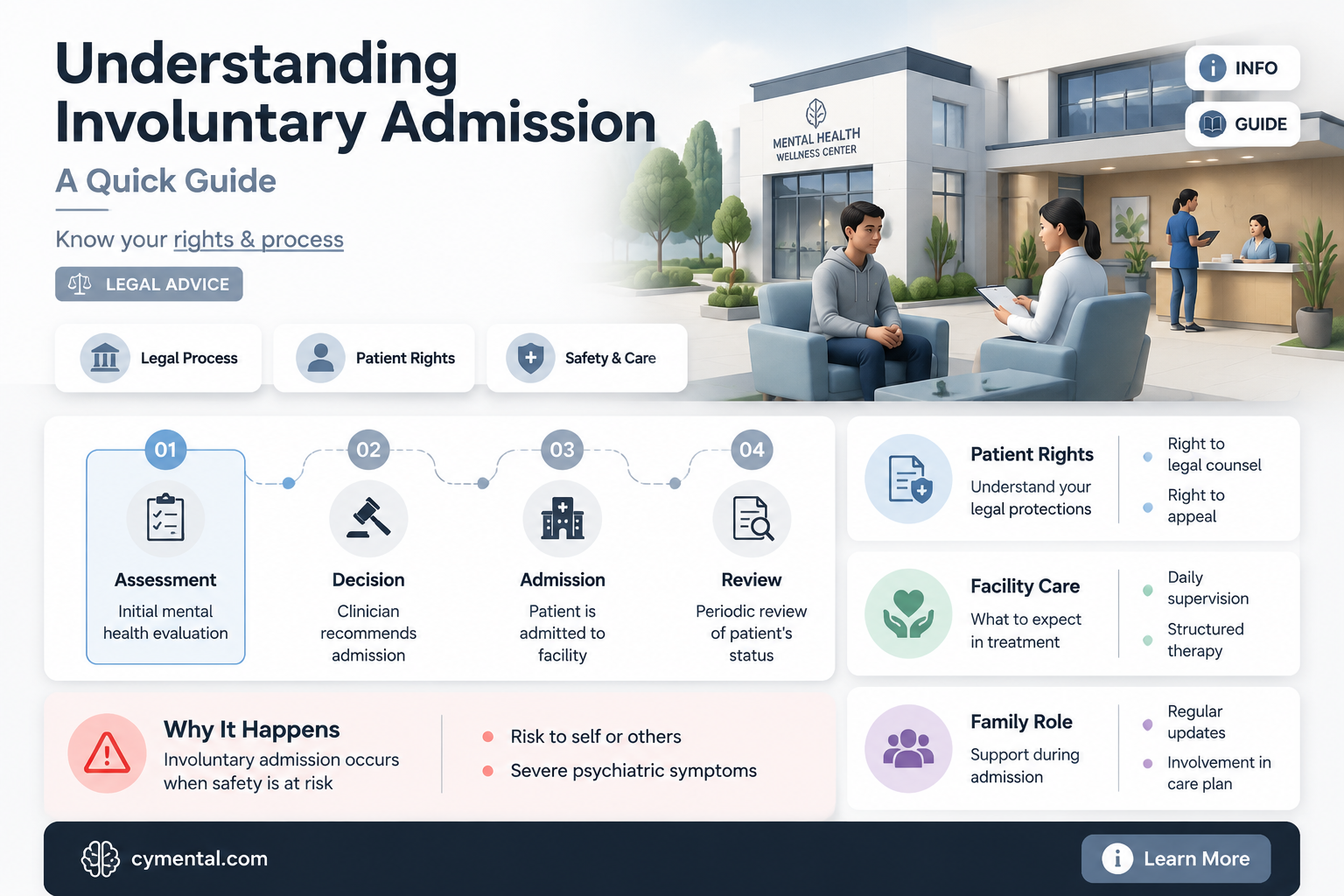
The question of whether someone can be admitted to a mental hospital is a complex and sensitive issue that involves both medical and legal considerations. In many jurisdictions, involuntary admission to a psychiatric facility is possible under certain circumstances, typically when an individual is deemed to be a danger to themselves or others due to a mental health condition. However, the process and criteria for such admissions vary widely by country and even by state or region within a country. It is essential to approach this topic with a nuanced understanding of the ethical, legal, and clinical aspects involved.
Explore related products


What You'll Learn
- Involuntary Commitment: Process of admitting someone against their will due to mental health concerns
- Voluntary Admission: When an individual chooses to enter a mental health facility for treatment
- Legal Requirements: Statutes and regulations governing mental health admissions, varying by jurisdiction
- Medical Evaluation: Assessment by healthcare professionals to determine the need for hospitalization
- Support Systems: Role of family, friends, and mental health advocates in the admission process

Involuntary Commitment: Process of admitting someone against their will due to mental health concerns
In the realm of mental health care, involuntary commitment stands as a critical yet complex process. This procedure involves admitting an individual to a mental health facility against their will, typically due to concerns about their mental well-being and potential risks to themselves or others. The process is governed by specific legal frameworks that vary by jurisdiction, ensuring that such commitments are carried out in a manner that respects the individual's rights while addressing their health needs.
The first step in an involuntary commitment usually involves a mental health professional or a concerned individual petitioning a court for an emergency evaluation or hospitalization order. This petition must demonstrate that the person in question poses a significant risk of harm to themselves or others due to their mental state. Evidence may include recent behaviors, statements, or actions that indicate a severe mental health crisis.
Once the petition is filed, a court may issue an order for the individual to be evaluated by a mental health professional. If the evaluation determines that the person meets the criteria for involuntary commitment, they may be hospitalized for a specified period. During this time, the individual receives treatment and care aimed at stabilizing their condition and addressing the underlying mental health issues.
Throughout the involuntary commitment process, the individual's rights are protected by law. They are typically entitled to legal representation, the right to appeal the commitment order, and the right to be informed about their treatment plan and progress. Additionally, the treatment team must regularly review the individual's case to ensure that the commitment remains necessary and that the person is receiving appropriate care.
Involuntary commitment is a measure of last resort, used only when voluntary treatment options have been exhausted or are deemed insufficient to address the individual's needs. It is a delicate balance between ensuring public safety and protecting the rights and dignity of the person undergoing treatment. As such, it is crucial that mental health professionals, legal authorities, and caregivers approach this process with sensitivity, compassion, and a thorough understanding of the legal and ethical considerations involved.
Exploring the Possibility of Long-Term Mental Hospital Residency
You may want to see also
Voluntary Admission: When an individual chooses to enter a mental health facility for treatment
In the realm of mental health care, voluntary admission to a psychiatric facility is a significant decision that individuals may make when seeking intensive treatment. This process involves a person willingly entering a mental health facility without the need for involuntary commitment procedures, which can be initiated by family members, law enforcement, or mental health professionals in cases where an individual poses a danger to themselves or others. Voluntary admission is often seen as a proactive step towards managing mental health conditions, allowing individuals to access a structured environment where they can receive comprehensive care, including therapy, medication, and support from mental health professionals.
The decision to seek voluntary admission can arise from various circumstances, such as a worsening of symptoms, a crisis situation, or a desire to prevent potential escalation of mental health issues. It is important to note that voluntary admission does not necessarily mean that an individual will be able to leave the facility at any time they choose. While the admission is voluntary, the discharge process may involve a treatment team's assessment to ensure that the individual is stable enough to be released and continue their recovery in a less restrictive setting.
One of the key benefits of voluntary admission is that it allows individuals to be actively involved in their treatment planning and decision-making. This collaborative approach can lead to better engagement with the treatment process and more positive outcomes. Additionally, voluntary admission can help reduce the stigma associated with mental health treatment, as it is a self-initiated step rather than one imposed by others.
However, it is crucial to be aware of the potential challenges and limitations of voluntary admission. For instance, individuals may face financial barriers, as mental health treatment can be costly, and insurance coverage may vary. Furthermore, the availability of voluntary admission beds in psychiatric facilities can be limited, leading to waitlists or the need to travel to access appropriate care.
In conclusion, voluntary admission to a mental health facility is a complex and multifaceted process that offers individuals a proactive approach to managing their mental health. While it presents several benefits, including active involvement in treatment and reduced stigma, it also comes with challenges such as financial considerations and potential limitations in availability. Understanding these aspects is essential for individuals considering voluntary admission as a viable option for their mental health care needs.
Recognizing the Signs: When It's Time to Seek Inpatient Mental Health Care
You may want to see also
Legal Requirements: Statutes and regulations governing mental health admissions, varying by jurisdiction
The legal framework surrounding mental health admissions is complex and varies significantly by jurisdiction. In the United States, for instance, each state has its own statutes and regulations that govern the process of admitting someone to a mental hospital. These laws often require a thorough evaluation by a qualified mental health professional to determine if the individual meets specific criteria for involuntary commitment. The criteria typically include a determination that the person is a danger to themselves or others, or is unable to care for their own basic needs due to a mental illness.
In addition to state laws, there are also federal regulations that must be considered. The Americans with Disabilities Act (ADA) and the Civil Rights Act are two examples of federal laws that protect the rights of individuals with mental health conditions. These laws prohibit discrimination against people with disabilities, including those with mental illnesses, and ensure that they have equal access to healthcare services.
In the United Kingdom, the Mental Health Act 1983 sets out the legal framework for mental health admissions. The Act requires that a person be detained in a mental hospital only if they are suffering from a mental disorder and if it is necessary for their own safety or the safety of others. The Act also establishes a system of safeguards, including the right to appeal against detention and the requirement for regular reviews of the person's condition.
In other countries, such as Canada and Australia, the legal requirements for mental health admissions are similarly nuanced. In Canada, the Mental Health Act allows for involuntary commitment if a person is found to be a danger to themselves or others, or if they are unable to care for their own needs. In Australia, the Mental Health Act 2014 provides for the involuntary treatment of people with mental illnesses, but only if it is deemed necessary and in their best interests.
Overall, the legal requirements for mental health admissions are designed to balance the need to protect individuals from harm with the need to respect their autonomy and rights. While the specific laws and regulations vary by jurisdiction, they all share the common goal of ensuring that people with mental health conditions receive the care and support they need in a safe and humane manner.
Understanding Mental Health Care Options for Preteens
You may want to see also
Medical Evaluation: Assessment by healthcare professionals to determine the need for hospitalization
A medical evaluation is a critical step in determining whether an individual requires hospitalization for mental health concerns. This assessment is typically conducted by healthcare professionals, such as psychiatrists, psychologists, or emergency room physicians, who are trained to identify the signs and symptoms of mental health crises. During the evaluation, the healthcare provider will gather information about the individual's medical history, current symptoms, and any recent changes in behavior or mood. They may also conduct a physical examination to rule out any underlying medical conditions that could be contributing to the individual's mental health issues.
The evaluation process may involve several steps, including a thorough interview with the individual, observation of their behavior, and consultation with other healthcare providers or family members. The healthcare professional will also assess the individual's risk of self-harm or harm to others, as well as their ability to care for themselves and manage their daily activities. Based on this information, the healthcare provider will determine whether hospitalization is necessary and, if so, what level of care is appropriate.
In some cases, the individual may be admitted to an inpatient psychiatric unit for intensive treatment and monitoring. In other cases, they may be referred to outpatient services or provided with a crisis plan to help them manage their symptoms at home. The goal of the medical evaluation is to ensure that the individual receives the appropriate level of care to address their mental health needs and promote their overall well-being.
It is important to note that the medical evaluation process can be complex and may involve multiple healthcare providers and assessments. However, by working together, healthcare professionals can ensure that individuals receive the care they need to manage their mental health conditions and improve their quality of life.
Exploring the Rules: Phone Usage in Mental Health Facilities
You may want to see also
Support Systems: Role of family, friends, and mental health advocates in the admission process
The role of support systems in the mental hospital admission process is multifaceted and crucial. Family members, friends, and mental health advocates often serve as the primary support network for individuals experiencing mental health crises. They play a pivotal role in recognizing the need for professional help, encouraging the individual to seek treatment, and providing emotional support throughout the admission process.
One of the key responsibilities of support systems is to help identify when a loved one's mental health condition has escalated to a point where inpatient care is necessary. This can involve monitoring changes in behavior, mood, and daily functioning, and recognizing warning signs such as suicidal ideation, severe depression, or psychotic episodes. Once the need for hospitalization is identified, support systems can assist in navigating the complex process of finding an appropriate facility, understanding insurance coverage, and coordinating transportation.
During the admission process, support systems can provide invaluable emotional support to the individual. This can include accompanying them to appointments, helping them communicate with healthcare providers, and offering reassurance and encouragement. Support systems can also play a crucial role in advocating for the individual's needs and preferences, ensuring that their treatment plan is tailored to their specific circumstances and goals.
In addition to providing emotional support, support systems can also help with practical aspects of the admission process. This can include assisting with paperwork, managing medications, and coordinating care with other healthcare providers. They can also help the individual prepare for their hospital stay by packing essential items, arranging for pet care, and notifying employers or schools of the individual's absence.
The involvement of support systems in the mental hospital admission process can have a significant impact on the individual's recovery. Research has shown that individuals with strong support networks tend to have better outcomes, including shorter hospital stays, improved medication adherence, and reduced rates of relapse. By providing emotional, practical, and advocacy support, support systems can help ensure that the individual receives the care they need to recover and regain their quality of life.
Understanding Mental Health Inpatient Care Duration
You may want to see also
Frequently asked questions
In many jurisdictions, admitting someone to a mental hospital against their will is possible under certain circumstances. This typically requires a court order or a determination by a mental health professional that the individual poses a significant risk to themselves or others due to a mental health condition. The specific laws and procedures vary by country and even by state or province within a country.
The criteria for admitting someone to a mental hospital generally include the presence of a mental health disorder that significantly impairs the individual's ability to function in daily life. This may involve symptoms such as severe depression, suicidal thoughts, hallucinations, delusions, or other psychotic symptoms. Additionally, the individual may need to pose a risk to themselves or others, or be unable to care for themselves, to meet the criteria for involuntary admission.
The duration of a stay in a mental hospital can vary widely depending on the individual's condition, the severity of their symptoms, and the specific policies of the hospital and jurisdiction. Some stays may be very brief, lasting only a few days, while others may extend to several weeks or even months. In cases of involuntary admission, the length of stay is often determined by a court or a mental health review board, which will periodically review the individual's condition to determine if they can be safely discharged.