Ava Ramirez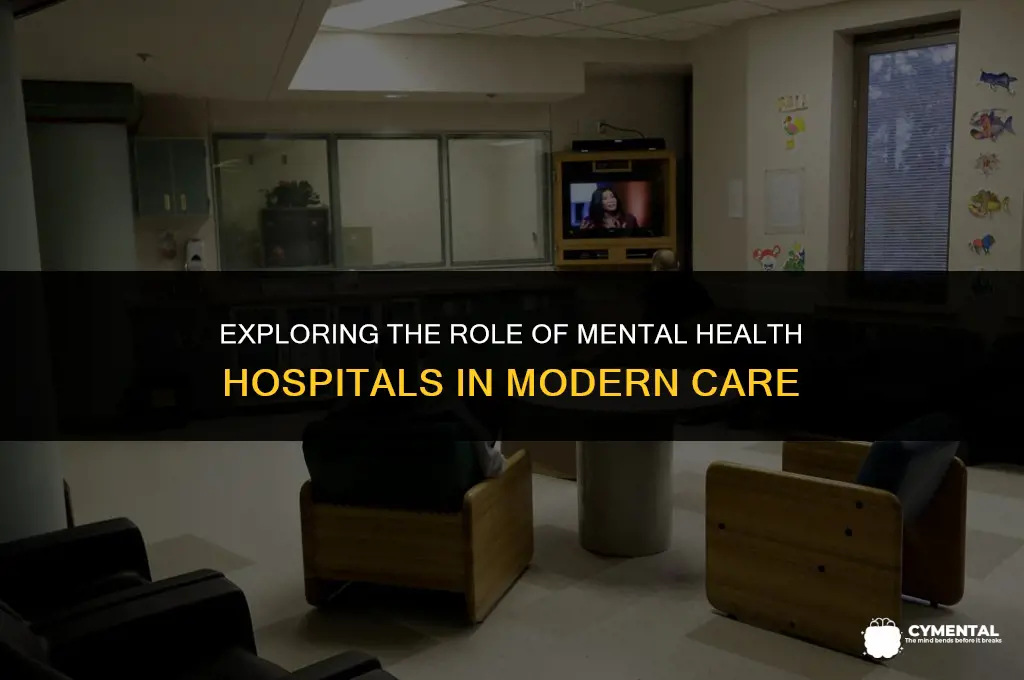
Mental health hospitals play a crucial role in providing specialized care and treatment for individuals experiencing severe mental health conditions. These facilities offer a range of services, including psychiatric evaluations, medication management, therapy sessions, and crisis intervention. They are designed to support patients in a safe and structured environment, helping them to stabilize their symptoms, develop coping strategies, and improve their overall well-being. Mental health hospitals can be particularly beneficial for those who require intensive treatment or who may be at risk of harming themselves or others. By offering a comprehensive approach to mental health care, these hospitals contribute significantly to the recovery and rehabilitation of their patients.
Explore related products


What You'll Learn
- Admission Process: Procedures for evaluating and admitting patients to a mental health hospital
- Treatment Programs: Various therapies and interventions offered to address mental health conditions
- Patient Rights: Legal protections and ethical considerations for individuals receiving mental health care
- Facility Standards: Regulations and guidelines governing the operation and maintenance of mental health hospitals
- Discharge Planning: Strategies for preparing patients to transition back to their communities post-treatment

Admission Process: Procedures for evaluating and admitting patients to a mental health hospital
The admission process to a mental health hospital is a critical juncture in a patient's journey towards recovery. It begins with a thorough evaluation to determine the individual's mental health needs and the appropriateness of inpatient care. This evaluation is typically conducted by a multidisciplinary team, including psychiatrists, psychologists, social workers, and nurses, who assess the patient's symptoms, medical history, and current circumstances.
Upon arrival at the hospital, patients are greeted by admissions staff who guide them through the initial paperwork and consent forms. A comprehensive psychiatric assessment follows, which may include interviews, questionnaires, and, if necessary, physical examinations to rule out underlying medical conditions that could be contributing to the patient's symptoms. The assessment aims to identify the patient's primary diagnosis, the severity of their symptoms, and any immediate risks to their safety or the safety of others.
Following the assessment, the treatment team develops an individualized care plan tailored to the patient's specific needs. This plan outlines the goals of treatment, the interventions to be used, and the expected outcomes. Patients are then admitted to a designated unit within the hospital, where they are introduced to the staff and other patients. The unit may be specialized, such as a crisis stabilization unit for acute symptoms or a long-term care unit for chronic conditions.
Throughout their stay, patients participate in various therapeutic activities, including individual and group therapy sessions, medication management, and psychoeducational classes. The treatment team regularly reviews the patient's progress and adjusts the care plan as needed. Family members and other support persons may also be involved in the treatment process, with their consent, to provide additional information and support.
Discharge planning begins early in the patient's stay and involves collaboration between the patient, the treatment team, and community service providers. The goal is to ensure a smooth transition back into the community with appropriate follow-up care and support. Upon discharge, patients are provided with a summary of their treatment, a list of medications, and contact information for ongoing care providers.
In conclusion, the admission process to a mental health hospital is a complex and multifaceted procedure that requires careful evaluation, individualized treatment planning, and ongoing monitoring and support. By understanding this process, patients and their families can better navigate the mental health system and advocate for the care they need.
Navigating Mental Health: When to Consider Inpatient Care
You may want to see also
Explore related products


$45 $45


Treatment Programs: Various therapies and interventions offered to address mental health conditions
Mental health hospitals offer a range of treatment programs designed to address various mental health conditions. These programs typically include a combination of therapies and interventions tailored to the individual needs of each patient. One common approach is cognitive-behavioral therapy (CBT), which helps patients identify and change negative thought patterns and behaviors. Another effective therapy is dialectical behavior therapy (DBT), which focuses on teaching skills to manage emotions, tolerate distress, and improve relationships.
In addition to individual therapies, group therapy sessions are often a key component of treatment programs. These sessions provide patients with the opportunity to share their experiences, learn from others, and develop social skills. Family therapy may also be incorporated to address relationship issues and improve communication within the family unit.
Medication management is another crucial aspect of treatment in mental health hospitals. Psychiatrists work closely with patients to determine the most effective medication regimen for their specific condition. This may involve a combination of antidepressants, antipsychotics, mood stabilizers, or other medications.
Some hospitals also offer alternative therapies, such as art therapy, music therapy, or equine-assisted therapy, which can provide additional benefits for patients. These therapies can help individuals express themselves, reduce stress, and improve overall well-being.
The duration and intensity of treatment programs vary depending on the patient's needs and the severity of their condition. Some programs may be short-term, focusing on crisis stabilization, while others may be longer-term, aimed at achieving lasting recovery and personal growth.
Overall, the goal of treatment programs in mental health hospitals is to provide comprehensive care that addresses the physical, emotional, and social needs of patients. By combining various therapies and interventions, these programs aim to help individuals achieve improved mental health outcomes and a better quality of life.
Exploring the Institutional Nature of Mental Hospitals: A Critical Analysis
You may want to see also
Explore related products


Patient Rights: Legal protections and ethical considerations for individuals receiving mental health care
Individuals receiving mental health care are entitled to certain legal protections and ethical considerations, which are crucial for ensuring their well-being and autonomy. These rights are designed to safeguard patients from potential abuses and to promote a therapeutic environment that respects their dignity and individuality.
One key legal protection is the right to informed consent. This means that patients must be fully informed about their treatment options, including the potential risks and benefits, before they can give their consent. Mental health professionals are ethically bound to provide this information in a clear and understandable manner, ensuring that patients are able to make informed decisions about their care.
Another important right is the protection against involuntary commitment. Patients cannot be forcibly admitted to a mental health facility without a proper evaluation and a court order, except in cases where there is an imminent risk of harm to themselves or others. Even in such cases, the commitment must be reviewed by a court within a specified timeframe to ensure that it is justified.
Patients also have the right to privacy and confidentiality. Mental health professionals are legally and ethically required to maintain the confidentiality of their patients' information, with certain exceptions such as when there is a risk of harm or when the patient has given consent for the information to be shared. This right helps to build trust between patients and their caregivers, which is essential for effective treatment.
Furthermore, patients have the right to receive appropriate and humane treatment. This includes the right to a clean and safe environment, access to nutritious food and clean water, and the provision of necessary medical and psychiatric care. Mental health facilities are also required to provide patients with opportunities for social interaction, exercise, and recreational activities, as these are important for maintaining mental and physical health.
In conclusion, patient rights are a critical component of mental health care, providing legal protections and ethical guidelines that ensure the well-being and autonomy of individuals receiving treatment. By upholding these rights, mental health professionals can create a therapeutic environment that promotes healing, respect, and dignity for all patients.
Packing Essentials: What to Bring to a Mental Health Facility
You may want to see also
Explore related products


Facility Standards: Regulations and guidelines governing the operation and maintenance of mental health hospitals
Mental health hospitals are subject to stringent facility standards to ensure the safety, well-being, and effective treatment of their patients. These standards encompass a wide range of operational and maintenance protocols, designed to create a therapeutic environment that supports recovery while minimizing risks.
One key aspect of facility standards is the physical design and layout of the hospital. Mental health facilities must be constructed to prevent self-harm and suicide, with considerations such as window guards, secure doors, and the absence of sharp edges or other potential hazards. The layout should also facilitate easy supervision of patients and quick response in case of emergencies.
Another critical component is the staffing and training requirements. Mental health hospitals must employ a sufficient number of qualified staff members, including psychiatrists, psychologists, nurses, and support personnel. These individuals must undergo specialized training to handle the unique challenges of working with mentally ill patients, such as de-escalation techniques, crisis intervention, and medication management.
Facility standards also address the provision of services and programs within the hospital. This includes the availability of individual and group therapy sessions, recreational activities, and educational programs aimed at promoting recovery and life skills. The hospital must also ensure that patients have access to appropriate medical care, nutrition, and hygiene facilities.
In addition to these operational standards, mental health hospitals must adhere to strict regulatory requirements. This involves regular inspections and accreditation by state and federal agencies, as well as compliance with laws such as the Americans with Disabilities Act (ADA) and the Health Insurance Portability and Accountability Act (HIPAA).
Overall, facility standards play a crucial role in ensuring that mental health hospitals provide a safe, effective, and supportive environment for their patients. By adhering to these regulations and guidelines, hospitals can help promote recovery, reduce the risk of harm, and uphold the dignity and rights of individuals receiving mental health care.
Andrea Yates' Current Status: Mental Health Journey Update
You may want to see also
Explore related products




Discharge Planning: Strategies for preparing patients to transition back to their communities post-treatment
Effective discharge planning is crucial for ensuring that patients transition smoothly from mental health treatment back into their communities. This process involves several key strategies that healthcare providers must implement to support patients' ongoing recovery and well-being.
Firstly, discharge planning should begin early in the treatment process. This allows sufficient time for patients to be actively involved in the planning, ensuring that their needs and preferences are taken into account. Early planning also enables healthcare providers to identify potential challenges and develop strategies to address them before the patient's release.
Secondly, a comprehensive assessment of the patient's needs is essential. This includes evaluating their mental health status, physical health, social support system, and any other factors that may impact their ability to function independently in the community. Based on this assessment, a personalized discharge plan can be developed, tailored to the patient's unique requirements.
Thirdly, connecting patients with community resources is a vital component of discharge planning. This may involve arranging for follow-up appointments with outpatient mental health providers, enrolling patients in support groups, or linking them with housing and employment services. By establishing these connections, patients are better equipped to navigate the challenges of reintegration and maintain their progress post-treatment.
Fourthly, providing education and training to patients and their families is crucial. This includes teaching coping skills, medication management, and strategies for recognizing and responding to potential relapse signs. Empowering patients with this knowledge helps them to take an active role in their recovery and reduces the likelihood of readmission.
Finally, ensuring continuity of care is essential. This involves clear communication between inpatient and outpatient providers, as well as the patient and their family. By maintaining a consistent approach to treatment and support, patients are more likely to experience a successful transition back into their communities.
In conclusion, discharge planning is a multifaceted process that requires careful consideration of the patient's individual needs, early involvement in the planning process, connection with community resources, education and training, and continuity of care. By implementing these strategies, healthcare providers can significantly improve patients' outcomes and support their long-term recovery.
Exploring the Inner World: Life Inside a Mental Hospital
You may want to see also
Frequently asked questions
Yes, under certain circumstances. Mental health hospitals can involuntarily admit patients who are deemed a danger to themselves or others, or who are unable to care for themselves due to their mental condition. The specific criteria and procedures vary by jurisdiction.
Yes, some mental health hospitals offer long-term care for patients who require ongoing treatment and support. This may include residential programs, halfway houses, or other forms of extended care.
Yes, mental health hospitals can prescribe medication to patients as part of their treatment plan. Psychiatrists and other medical professionals work with patients to determine the appropriate medications and dosages to manage their symptoms and improve their mental health.