Noah Parker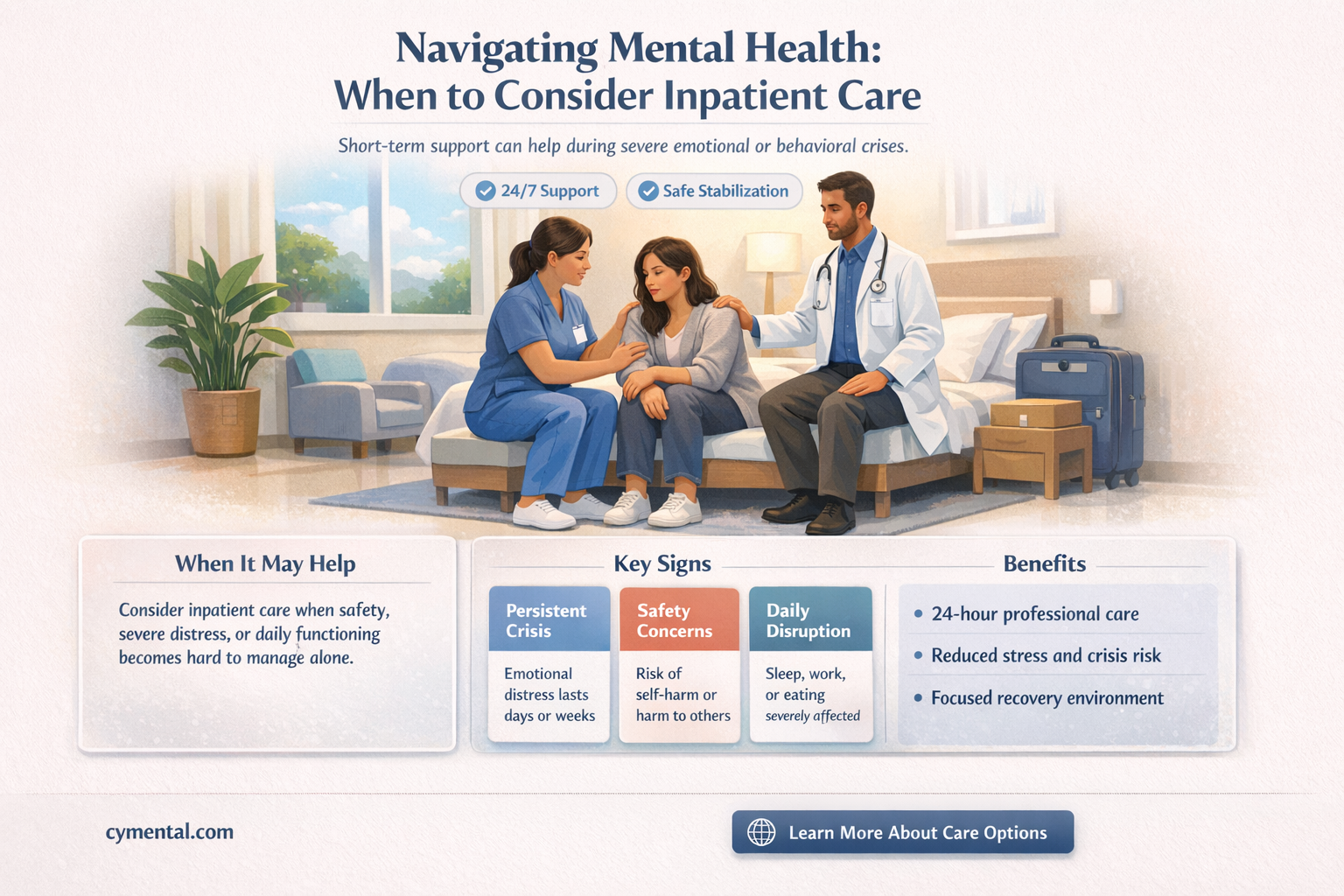
The question of whether one needs to go to a mental hospital is a significant and sensitive topic that requires careful consideration. Mental health is a crucial aspect of overall well-being, and seeking professional help is a sign of strength, not weakness. If you're experiencing persistent and severe symptoms such as suicidal thoughts, hallucinations, or extreme mood swings that interfere with your daily life, it may be necessary to seek inpatient care at a mental health facility. However, many mental health conditions can be effectively managed with outpatient treatment, therapy, and medication. It's essential to consult with a mental health professional who can assess your individual situation and recommend the most appropriate course of action. Remember, you are not alone, and there is support available to help you navigate your mental health journey.
Explore related products


What You'll Learn
- Signs You May Need Help: Recognize severe symptoms like suicidal thoughts, hallucinations, or extreme mood swings
- Types of Mental Health Facilities: Understand the differences between inpatient, outpatient, and partial hospitalization programs
- What to Expect: Learn about the admission process, treatment plans, and the typical length of stay?
- Benefits of Inpatient Care: Discover how a controlled environment can aid in crisis stabilization and intensive therapy
- Alternatives to Hospitalization: Explore crisis hotlines, support groups, and community resources for mental health emergencies

Signs You May Need Help: Recognize severe symptoms like suicidal thoughts, hallucinations, or extreme mood swings
Recognizing when to seek help for mental health issues can be challenging, but there are certain severe symptoms that should never be ignored. Suicidal thoughts, hallucinations, and extreme mood swings are clear indicators that professional intervention is necessary. These symptoms can be frightening and overwhelming, but understanding them and knowing where to turn for help can make a significant difference in one's mental health journey.
Suicidal thoughts are a critical warning sign that requires immediate attention. If you or someone you know is experiencing persistent thoughts of suicide, it's essential to reach out to a mental health professional or a suicide hotline. These thoughts can be a symptom of underlying mental health conditions such as depression, anxiety, or bipolar disorder, and addressing them promptly can prevent tragic outcomes.
Hallucinations, which involve seeing, hearing, or feeling things that aren't there, are another severe symptom that warrants professional help. They can be a sign of conditions like schizophrenia, schizoaffective disorder, or severe depression with psychotic features. If you're experiencing hallucinations, it's crucial to seek help from a psychiatrist or a mental health clinic that can provide the necessary support and treatment.
Extreme mood swings, characterized by rapid and intense shifts in emotions, can also be a sign of serious mental health issues. These swings can be indicative of conditions like bipolar disorder, borderline personality disorder, or severe depression. If you're struggling with extreme mood swings, it's important to consult with a mental health professional who can help you manage your symptoms and develop coping strategies.
In conclusion, recognizing severe symptoms like suicidal thoughts, hallucinations, or extreme mood swings is crucial in determining when to seek help for mental health issues. These symptoms should not be dismissed or ignored, as they can be indicative of serious underlying conditions that require professional treatment. By understanding these warning signs and knowing where to turn for help, individuals can take the first step towards recovery and improved mental health.
Understanding the Process: Voluntary Admission to a Mental Health Facility
You may want to see also
Explore related products


Types of Mental Health Facilities: Understand the differences between inpatient, outpatient, and partial hospitalization programs
Inpatient mental health facilities provide 24-hour care and supervision for individuals experiencing severe mental health symptoms that cannot be managed in a less restrictive environment. These facilities are typically used for short-term stabilization and treatment, with the goal of transitioning patients to lower levels of care as soon as possible. Inpatient programs offer a range of services, including medication management, individual and group therapy, and crisis intervention.
Outpatient mental health facilities, on the other hand, provide treatment and support for individuals who do not require 24-hour supervision. These programs can vary in intensity and duration, ranging from weekly therapy sessions to daily outpatient programs. Outpatient facilities offer many of the same services as inpatient programs, such as medication management and therapy, but with the added flexibility of allowing patients to return home or to other living arrangements after treatment.
Partial hospitalization programs (PHPs) fall between inpatient and outpatient care in terms of intensity and structure. PHPs provide a higher level of care than traditional outpatient programs, typically involving daily treatment sessions that last several hours. These programs are designed for individuals who require more support than outpatient care can provide but do not need the 24-hour supervision of an inpatient facility. PHPs often include a combination of individual and group therapy, medication management, and other supportive services.
When considering whether to seek treatment at a mental health facility, it is important to understand the differences between these types of programs and to choose the level of care that is most appropriate for your individual needs. Factors to consider may include the severity of your symptoms, your ability to function in daily life, and your personal preferences and goals for treatment. Consulting with a mental health professional can help you make an informed decision about the type of care that is right for you.
Understanding Mental Health Care Options for Young Children
You may want to see also
What to Expect: Learn about the admission process, treatment plans, and the typical length of stay
The decision to seek inpatient mental health care is a significant one, often accompanied by a mix of emotions and uncertainties. Understanding what to expect can help alleviate some of this anxiety. The admission process typically begins with an assessment by a mental health professional, who will evaluate your symptoms, medical history, and current circumstances to determine the appropriate level of care. This assessment may take place in a hospital emergency department, a community mental health center, or a private practice.
Once the need for inpatient care is established, the treatment plan will be tailored to your specific needs. This plan may include a combination of medication, therapy, and other interventions aimed at stabilizing your symptoms and improving your overall functioning. The length of stay can vary widely depending on the severity of your symptoms, your response to treatment, and the availability of resources. On average, inpatient stays for mental health issues range from a few days to several weeks.
During your stay, you can expect to participate in a structured program of activities, including group therapy sessions, educational workshops, and recreational activities. These components are designed to provide a comprehensive approach to recovery, addressing not only your mental health needs but also your physical and social well-being. It's important to note that while inpatient care can be highly beneficial, it is not a one-size-fits-all solution, and the effectiveness of treatment can depend on various factors, including your engagement in the therapeutic process and the quality of care provided.
Navigating Mental Health: Self-Admission to Psychiatric Care
You may want to see also
Benefits of Inpatient Care: Discover how a controlled environment can aid in crisis stabilization and intensive therapy
Inpatient care offers a structured environment that can be crucial for individuals experiencing severe mental health crises. This setting provides a safe space where patients can focus on their recovery without the distractions and stressors of everyday life. The controlled environment allows for close monitoring by healthcare professionals, ensuring that patients receive the necessary support and intervention during critical moments.
One of the primary benefits of inpatient care is the availability of intensive therapy. Patients can engage in multiple therapy sessions per day, addressing underlying issues and developing coping strategies in a concentrated timeframe. This intensive approach can lead to significant progress in a shorter period compared to outpatient therapy, where sessions are typically less frequent.
Additionally, inpatient care facilitates crisis stabilization. For individuals experiencing acute symptoms such as suicidal ideation, severe anxiety, or psychosis, the immediate and constant support of an inpatient setting can be life-saving. Medical professionals can quickly adjust treatment plans and provide emergency interventions if needed, ensuring the patient's safety and well-being.
The collaborative nature of inpatient care also contributes to its effectiveness. Patients have the opportunity to work with a multidisciplinary team, including psychiatrists, psychologists, social workers, and nurses. This team approach ensures that all aspects of the patient's mental health are addressed, and a comprehensive treatment plan is developed.
Furthermore, inpatient care can provide a sense of community and support. Patients often interact with others who are facing similar challenges, fostering a sense of camaraderie and understanding. Group therapy sessions and shared activities can help patients build social skills and develop a support network that can be beneficial upon discharge.
In summary, inpatient care offers a controlled environment that is conducive to crisis stabilization and intensive therapy. The structured setting, close monitoring, and collaborative approach can lead to significant improvements in mental health outcomes for individuals experiencing severe symptoms. While inpatient care may not be necessary for everyone, it can be a vital resource for those in need of immediate and intensive support.
Taking the First Step: Self-Admission to a Mental Health Hospital
You may want to see also
Alternatives to Hospitalization: Explore crisis hotlines, support groups, and community resources for mental health emergencies
In the event of a mental health crisis, hospitalization is not always the first or only option. Crisis hotlines, support groups, and community resources can provide immediate assistance and support, often serving as effective alternatives to inpatient care. These resources can be invaluable in helping individuals manage their symptoms, develop coping strategies, and connect with others who understand their experiences.
Crisis hotlines, such as the National Suicide Prevention Lifeline (1-800-273-TALK), offer 24/7 support for individuals in distress. Trained counselors can provide emotional support, crisis intervention, and referrals to local resources. Support groups, both in-person and online, can also play a crucial role in crisis management. Organizations like the National Alliance on Mental Illness (NAMI) offer peer-led support groups where individuals can share their experiences, learn from others, and develop a sense of community.
Community resources, such as mental health clinics, counseling centers, and social services agencies, can provide a range of services to support individuals in crisis. These may include therapy, medication management, case management, and assistance with housing, employment, and other social determinants of health. In addition, many communities have mobile crisis teams that can provide on-site support and intervention in emergency situations.
It's important to note that while these alternatives can be effective, they may not be suitable for all individuals or situations. In cases where there is an immediate risk of harm or where symptoms are severe and unmanageable, hospitalization may be necessary. However, for many individuals, crisis hotlines, support groups, and community resources can provide the support they need to manage their symptoms and avoid inpatient care.
When seeking alternatives to hospitalization, it's essential to have a plan in place. This may include identifying local resources, creating a crisis contact list, and developing a personalized coping strategy. By taking these steps, individuals can better prepare themselves to manage mental health emergencies and access the support they need when it's most critical.
Unraveling the Legalities: Escaping from a Mental Hospital
You may want to see also
Frequently asked questions
If you are experiencing severe symptoms such as suicidal thoughts, self-harm, hallucinations, delusions, or extreme mood swings that interfere with your daily life, it may be necessary to seek inpatient care at a mental hospital.
If your mental health condition is causing significant distress or impairment in your ability to function normally, and outpatient treatments have not been effective, hospitalization may be necessary. It's important to consult with a mental health professional who can assess your situation and recommend the appropriate level of care.
If you decide to go to a mental hospital, you can expect to undergo an initial assessment to determine your specific needs. You will then be provided with a treatment plan that may include medication, therapy, and other interventions. The length of your stay will depend on your individual circumstances and progress in treatment. It's important to remember that mental hospitals are designed to provide a safe and supportive environment for healing and recovery.