Noah Parker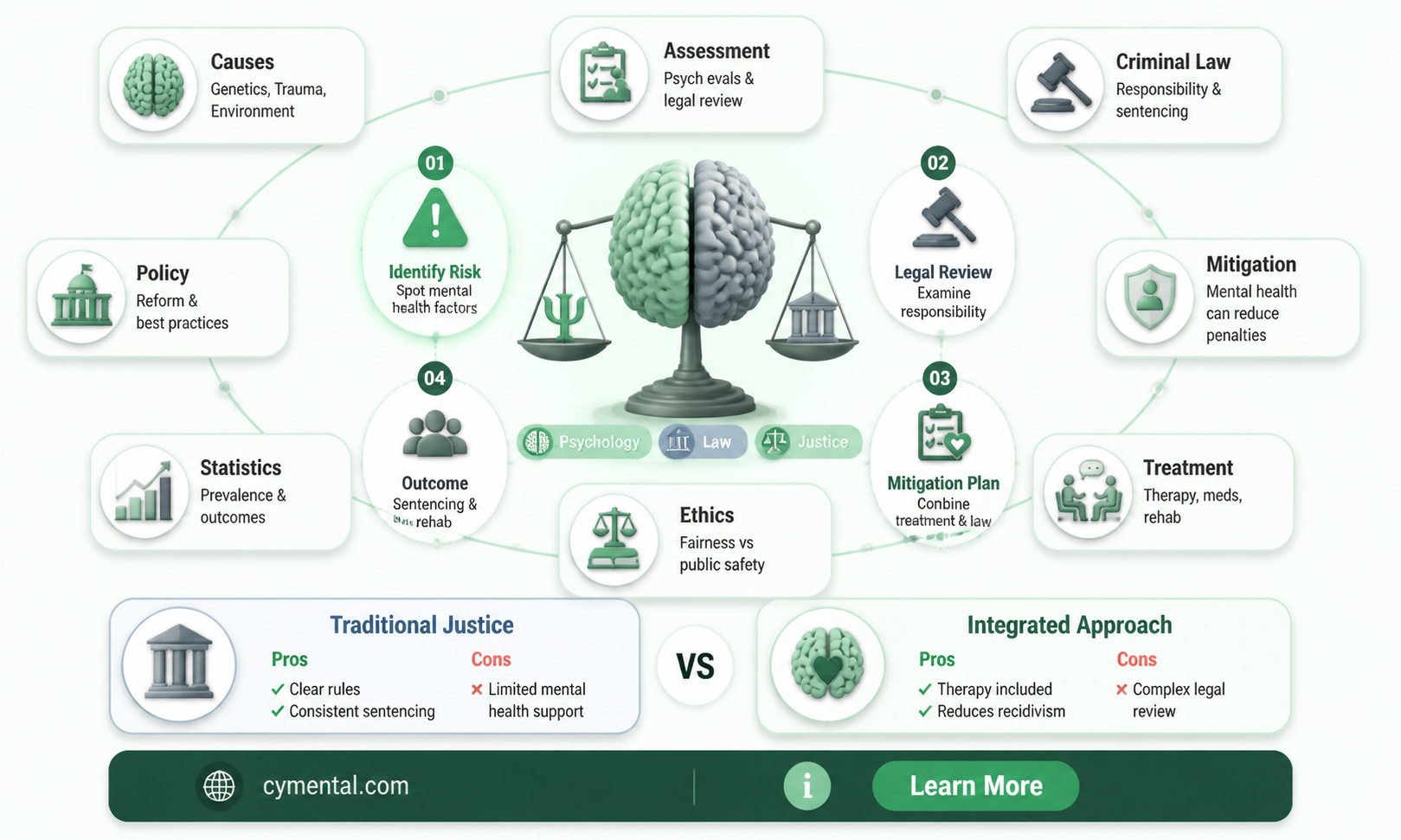
The question of whether a mental patient can automatically get away with murder is a complex and sensitive topic that intersects the fields of law, psychology, and ethics. In many legal systems, the insanity defense is a recognized legal strategy that can be employed when a defendant is deemed to be mentally ill at the time of the crime. This defense hinges on the principle that individuals who are unable to understand the nature and consequences of their actions due to mental illness should not be held criminally responsible. However, the application of this defense is subject to strict legal standards and varies significantly across different jurisdictions. It is not a blanket exemption from criminal liability, and each case is evaluated on its specific merits. Moreover, the use of the insanity defense raises profound ethical questions about the balance between individual rights, public safety, and the need for accountability in society.
What You'll Learn
- Legal Protections: Exploring the rights and safeguards in place for individuals with mental health conditions in criminal cases
- Insanity Defense: Examining the criteria and application of the insanity defense in murder trials involving mentally ill defendants
- Criminal Responsibility: Discussing the factors that determine whether a mentally ill person can be held accountable for their actions
- Psychiatric Evaluations: Understanding the role of mental health professionals in assessing defendants' competency to stand trial and their mental state at the time of the offense
- Case Studies: Analyzing real-life examples of murder cases involving mentally ill defendants to illustrate the complexities and outcomes of such legal proceedings

Legal Protections: Exploring the rights and safeguards in place for individuals with mental health conditions in criminal cases
Individuals with mental health conditions who are involved in criminal cases are afforded certain legal protections to ensure their rights are upheld. One key safeguard is the insanity defense, which allows defendants to argue that they were not legally sane at the time of the offense and therefore should not be held criminally responsible. This defense is rooted in the principle that punishment is not appropriate for those who lack the mental capacity to understand the wrongfulness of their actions.
To successfully mount an insanity defense, defendants must typically demonstrate that they suffered from a severe mental illness that impaired their ability to comprehend the nature and consequences of their actions. This often involves presenting expert testimony from psychiatrists or psychologists who can attest to the defendant's mental state at the time of the offense. If the insanity defense is successful, the defendant may be acquitted of the charges or, in some cases, found guilty but not criminally responsible.
In addition to the insanity defense, individuals with mental health conditions may also be entitled to other legal protections, such as the right to a fair trial, the right to competent representation, and the right to be free from cruel and unusual punishment. These protections are designed to ensure that defendants with mental health conditions are treated fairly and humanely within the criminal justice system.
It is important to note that the legal protections available to individuals with mental health conditions can vary depending on the jurisdiction and the specific circumstances of the case. As such, it is crucial for defendants and their legal representatives to be aware of the relevant laws and procedures in order to effectively advocate for their rights.
In conclusion, while individuals with mental health conditions are not automatically exempt from criminal responsibility, they are entitled to certain legal protections that can help ensure their rights are upheld in criminal cases. These protections, such as the insanity defense, are designed to account for the unique challenges faced by defendants with mental health conditions and to promote fairness and humanity within the criminal justice system.
Understanding Mental Health Days for Illinois Students: A Guide
You may want to see also
Insanity Defense: Examining the criteria and application of the insanity defense in murder trials involving mentally ill defendants
The insanity defense is a legal strategy used in criminal trials to argue that the defendant should not be held responsible for their actions due to mental illness. In the context of murder trials, this defense can be particularly complex and controversial. To successfully mount an insanity defense, the defendant must typically prove that they were unable to understand the nature and consequences of their actions or that they were unable to control their behavior due to a mental disorder.
One of the key criteria for the insanity defense is the ability to demonstrate a clear causal link between the defendant's mental illness and the criminal act. This often requires expert testimony from psychiatrists or psychologists who can provide detailed assessments of the defendant's mental state at the time of the offense. The legal standards for insanity vary by jurisdiction, with some areas using a more stringent "clear and convincing evidence" threshold, while others require only a "preponderance of the evidence."
In practice, the insanity defense is rarely successful. Many defendants who attempt to use this defense are ultimately found guilty, either because the prosecution is able to effectively challenge the expert testimony or because the jury is skeptical of the defense's claims. However, when the defense does succeed, it can lead to significant consequences for the defendant, including commitment to a psychiatric facility for an indefinite period.
One notable case that illustrates the complexities of the insanity defense is that of Hinckley v. United States. In this case, John Hinckley Jr. was charged with attempting to assassinate President Ronald Reagan. Hinckley's defense team argued that he was insane at the time of the attempt, and he was ultimately found not guilty by reason of insanity. This verdict sparked widespread debate about the validity of the insanity defense and led to changes in the legal standards for insanity in many jurisdictions.
In conclusion, while the insanity defense can provide a legal avenue for mentally ill defendants to avoid criminal responsibility, it is a highly nuanced and often unsuccessful strategy. The criteria for mounting a successful insanity defense are stringent, and the consequences of such a defense can be severe. As a result, the use of the insanity defense in murder trials remains a topic of significant legal and ethical debate.
Navigating Mental Health Medical Leave: A Comprehensive Guide
You may want to see also
Criminal Responsibility: Discussing the factors that determine whether a mentally ill person can be held accountable for their actions
The determination of criminal responsibility for mentally ill individuals is a complex and nuanced area of law. It hinges on several critical factors, primarily revolving around the individual's mental state at the time of the offense. The legal system generally employs the "M'Naghten Rules" or similar standards to assess whether a defendant can be held accountable for their actions. These rules require that the defendant must have had the capacity to understand the nature and quality of their act and to distinguish right from wrong at the time of the crime.
One key factor in this assessment is the presence of any mental disorder that might impair judgment, impulse control, or cognitive functioning. Psychiatrists and psychologists often conduct evaluations to determine the extent of the defendant's mental illness and its impact on their ability to make rational decisions. The severity of the mental illness, the specific symptoms exhibited, and the defendant's history of treatment and compliance with medication regimens are all relevant considerations.
Another important factor is the defendant's level of awareness and understanding of their actions. This involves examining whether they were able to comprehend the consequences of their behavior and whether they had the capacity to control their impulses. In some cases, individuals with mental illnesses may experience delusions or hallucinations that significantly distort their perception of reality, potentially absolving them of criminal responsibility.
The legal process also considers the defendant's past behavior and criminal history. Patterns of violent or criminal activity, particularly if they are related to the defendant's mental illness, can influence the determination of criminal responsibility. Additionally, the presence of any mitigating factors, such as the defendant's age, educational background, and social circumstances, may be taken into account.
Ultimately, the question of criminal responsibility for mentally ill individuals is a multifaceted one that requires careful consideration of psychological, legal, and social factors. While mental illness can sometimes serve as a defense, it is not an automatic guarantee of immunity from prosecution. Each case must be evaluated on its own merits, with a focus on ensuring both justice and the appropriate treatment and support for the individual involved.
Navigating the Process: Securing Disability Benefits for Mental Health Conditions
You may want to see also
Psychiatric Evaluations: Understanding the role of mental health professionals in assessing defendants' competency to stand trial and their mental state at the time of the offense
Psychiatric evaluations play a critical role in the legal system, particularly in assessing a defendant's competency to stand trial and their mental state at the time of the offense. Mental health professionals are tasked with determining whether a defendant is capable of understanding the charges against them and participating in their defense. This evaluation is crucial in ensuring that the defendant's rights are protected and that the trial proceeds fairly.
The process of evaluating a defendant's competency involves a thorough examination of their mental health history, current symptoms, and cognitive functioning. Psychiatrists and psychologists use a variety of tools and techniques to assess these factors, including interviews, psychological tests, and observations of the defendant's behavior. The goal of this evaluation is to determine whether the defendant is able to comprehend the legal proceedings and communicate effectively with their attorney.
In addition to assessing competency, mental health professionals are also responsible for evaluating a defendant's mental state at the time of the offense. This evaluation is used to determine whether the defendant was suffering from a mental illness or defect that may have affected their ability to understand the nature and consequences of their actions. The results of this evaluation can have a significant impact on the outcome of the trial, as it may influence the judge or jury's decision regarding the defendant's guilt or innocence.
It is important to note that the role of mental health professionals in the legal system is not to provide a "get out of jail free" card for defendants with mental health issues. Rather, their role is to ensure that the legal process is fair and that defendants are held accountable for their actions, while also taking into account any mental health factors that may have contributed to the offense. By providing accurate and objective evaluations, mental health professionals help to uphold the integrity of the legal system and ensure that justice is served.
Navigating Workers' Comp for Mental Health: A Comprehensive Guide
You may want to see also
Case Studies: Analyzing real-life examples of murder cases involving mentally ill defendants to illustrate the complexities and outcomes of such legal proceedings
The case of Andrea Yates, a Texas mother who drowned her five children in a bathtub in 2001, is a poignant example of the intersection between mental illness and criminal justice. Yates, who had a history of depression and psychosis, was found not guilty by reason of insanity. This verdict sparked widespread debate about the leniency of the insanity defense and the adequacy of mental health evaluations in the criminal justice system.
In contrast, the case of Jared Loughner, who killed six people and severely wounded former Congresswoman Gabrielle Giffords in a 2011 shooting spree in Tucson, Arizona, illustrates the challenges of determining mental competency in high-profile cases. Loughner's erratic behavior and delusional statements led to questions about his mental state, but he was ultimately found competent to stand trial and pleaded guilty to the charges.
These cases highlight the complexities of evaluating mental illness in the context of criminal responsibility. While some defendants, like Yates, may be deemed not guilty by reason of insanity, others, like Loughner, may be found competent to stand trial despite their mental health issues. The outcomes of such cases often depend on a variety of factors, including the severity of the mental illness, the defendant's ability to understand the charges and assist in their defense, and the specific legal standards applied by the jurisdiction.
The case of Richard Kaczynski, known as the Unabomber, provides another perspective on the issue. Kaczynski, a former mathematics professor, carried out a series of bombings that killed three people and injured many others over a 17-year period. Despite his diagnosis with paranoid schizophrenia, Kaczynski was found competent to stand trial and was sentenced to life in prison without the possibility of parole.
These real-life examples demonstrate that there is no straightforward answer to the question of whether a mental patient can automatically get away with murder. Each case is unique, and the outcomes depend on a complex interplay of legal, psychological, and social factors. While some defendants may be able to use their mental illness as a defense, others may not, and the consequences of their actions can vary widely.
Exploring Options: Where to Obtain Brain Scans for Mental Health Assessments
You may want to see also
Frequently asked questions
No, a mental patient cannot automatically get away with murder. While mental illness can be a mitigating factor in some cases, it does not provide a blanket exemption from legal consequences. Each case is evaluated individually, and the legal system takes into account the specific circumstances and the defendant's mental state at the time of the crime.
The legal system handles cases involving defendants with mental illness through a process known as a competency evaluation. This evaluation determines whether the defendant is fit to stand trial, meaning they understand the charges against them and can assist in their own defense. If found incompetent, the defendant may be committed to a mental health facility until they are deemed fit to stand trial.
Being found not guilty by reason of insanity (NGRI) means that the defendant is acquitted of the crime because they were unable to understand the nature and consequences of their actions due to mental illness at the time of the crime. Being found incompetent to stand trial means that the defendant is not fit to participate in the legal proceedings due to their current mental state, and they are typically committed to a mental health facility until they are deemed competent.
Yes, there are legal protections for individuals with mental illness who commit crimes. These protections include the right to a competency evaluation, the possibility of being found not guilty by reason of insanity, and the availability of mental health treatment and support within the criminal justice system. Additionally, many jurisdictions have diversion programs that allow individuals with mental illness to receive treatment and support in the community rather than facing criminal charges.
Society balances the need to hold individuals accountable for their actions with the need to provide support and treatment for those with mental illness through a combination of legal and mental health interventions. The legal system ensures that individuals are held accountable for their actions, while also providing protections and support for those with mental illness. Mental health professionals work within the legal system to evaluate defendants, provide treatment, and support rehabilitation efforts. Additionally, community-based programs and services are available to provide ongoing support and treatment for individuals with mental illness, helping to prevent future criminal behavior and promote recovery.