Lucas Bennett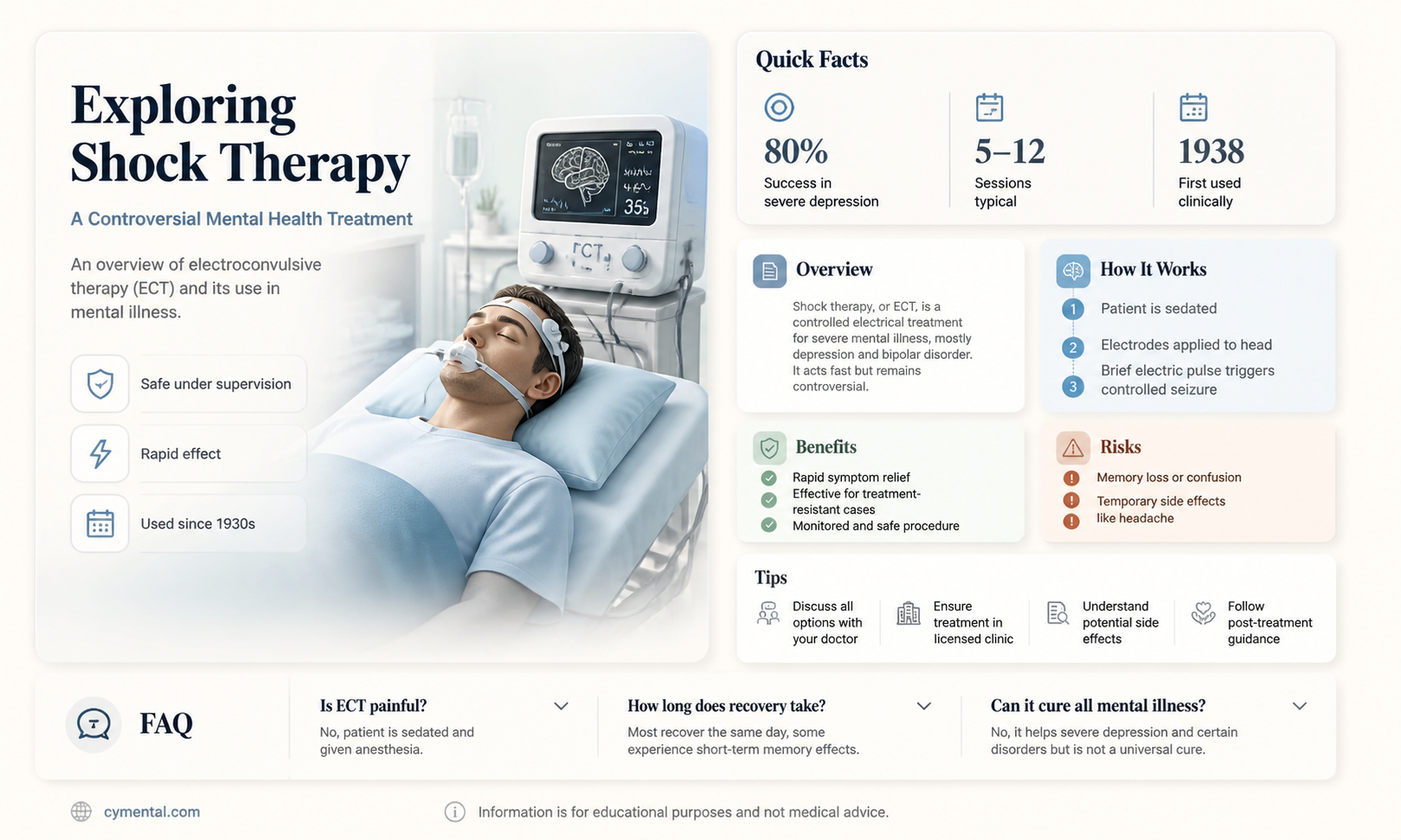
Shock therapy, also known as electroconvulsive therapy (ECT), is a medical treatment used to address severe mental health conditions such as depression, bipolar disorder, and schizophrenia. It involves passing electrical currents through the brain to induce a seizure, which can help alleviate symptoms in some patients. However, the use of shock therapy for mental patients is a complex and controversial topic. While it can be effective in certain cases, there are concerns about its safety, potential side effects, and the ethical implications of its use. Additionally, the portrayal of shock therapy in popular media has often been sensationalized, leading to misconceptions and stigma surrounding the treatment. As a result, it is important to approach the topic with a nuanced understanding of the medical, ethical, and societal factors involved.
What You'll Learn
- Indications for Shock Therapy: Conditions like severe depression, catatonia, or schizophrenia may warrant shock therapy
- Procedure and Safety: Shock therapy involves passing an electric current through the brain. It's done under anesthesia and monitored closely
- Effectiveness: Studies show shock therapy can be effective for certain mental health conditions, especially when other treatments haven't worked
- Potential Side Effects: Side effects can include memory loss, confusion, and physical symptoms like headaches or nausea
- Ethical Considerations: The use of shock therapy raises ethical questions about consent, potential harm, and the balance between treatment and human rights

Indications for Shock Therapy: Conditions like severe depression, catatonia, or schizophrenia may warrant shock therapy
Shock therapy, also known as electroconvulsive therapy (ECT), is a medical treatment used to address severe mental health conditions. It involves passing electrical currents through the brain to induce a seizure, which can help alleviate symptoms of certain psychiatric disorders. While ECT is often considered a last resort, it can be a life-saving intervention for individuals with treatment-resistant conditions.
Severe depression is one of the primary indications for shock therapy. When antidepressant medications and psychotherapy fail to provide adequate relief, ECT can be an effective alternative. It is particularly useful for individuals experiencing suicidal thoughts or behaviors, as it can rapidly reduce the risk of self-harm.
Catatonia, a condition characterized by immobility, mutism, and a lack of response to stimuli, is another indication for shock therapy. ECT can help break through the catatonic state, restoring movement and speech. This treatment is especially important for individuals with catatonia secondary to schizophrenia or other psychotic disorders, as it can prevent the development of more severe symptoms.
Schizophrenia itself may also warrant shock therapy in certain cases. While antipsychotic medications are typically the first line of treatment, ECT can be beneficial for individuals who do not respond to these drugs or who experience severe side effects. Shock therapy can help reduce symptoms such as delusions, hallucinations, and disorganized thinking, improving the overall quality of life for patients with schizophrenia.
It is important to note that shock therapy is not without risks. Potential side effects include memory loss, confusion, and physical complications such as heart arrhythmias. However, when administered by a qualified healthcare professional, ECT can be a safe and effective treatment for severe mental health conditions.
Navigating the Journey to a Mental Health Diagnosis: A Comprehensive Guide
You may want to see also
Procedure and Safety: Shock therapy involves passing an electric current through the brain. It's done under anesthesia and monitored closely
Shock therapy, also known as electroconvulsive therapy (ECT), is a medical procedure that involves passing an electric current through the brain to induce a seizure. This treatment is typically used for severe mental health conditions such as depression, bipolar disorder, and schizophrenia when other treatments have not been effective. The procedure is performed under general anesthesia and requires close monitoring by a team of medical professionals.
Before undergoing shock therapy, patients must provide informed consent and undergo a thorough evaluation to ensure they are suitable candidates for the treatment. This evaluation includes a review of the patient's medical history, current medications, and any previous treatments they have received. The patient's heart and brain function are also assessed to identify any potential risks associated with the procedure.
During the procedure, the patient is given a muscle relaxant and a short-acting anesthetic to ensure they remain still and unconscious. Electrodes are then placed on the patient's head, and a controlled electric current is passed through the brain. The seizure induced by the electric current typically lasts for a few minutes, and the patient is closely monitored throughout the procedure to ensure their safety.
After the procedure, patients are taken to a recovery area where they are closely observed for any adverse effects. Common side effects of shock therapy include headache, nausea, vomiting, and confusion. These side effects are usually temporary and can be managed with medication and rest. In rare cases, more serious side effects such as memory loss or heart problems may occur.
Shock therapy is a highly effective treatment for severe mental health conditions, with studies showing that it can significantly improve symptoms in patients who have not responded to other treatments. However, it is not without risks, and patients must carefully consider the potential benefits and risks before deciding to undergo the procedure. It is essential that shock therapy is performed by a qualified medical professional in a controlled environment to ensure the patient's safety and well-being.
Navigating Jury Duty with Mental Health Considerations: What You Need to Know
You may want to see also
Effectiveness: Studies show shock therapy can be effective for certain mental health conditions, especially when other treatments haven't worked
Shock therapy, also known as electroconvulsive therapy (ECT), has been a subject of debate in the mental health community for decades. Despite its controversial reputation, numerous studies have demonstrated its effectiveness in treating certain mental health conditions, particularly when other treatments have failed. For individuals suffering from severe depression, bipolar disorder, or schizophrenia, shock therapy can provide significant relief and improve overall quality of life.
One of the key advantages of shock therapy is its ability to produce rapid results. Unlike many other forms of treatment, which can take weeks or even months to show improvement, shock therapy can often lead to noticeable changes in symptoms within a matter of days. This makes it an attractive option for those who are struggling with severe mental health issues and are in need of immediate relief.
However, it is important to note that shock therapy is not without its risks. Some individuals may experience side effects such as memory loss, confusion, or physical discomfort. Additionally, there is a small risk of more serious complications, such as cardiovascular problems or seizures. As a result, shock therapy is typically reserved for cases where other treatments have been unsuccessful or where the potential benefits outweigh the risks.
Despite these risks, many mental health professionals believe that shock therapy is a valuable tool in the treatment of certain mental health conditions. When used appropriately and in conjunction with other forms of treatment, such as medication and psychotherapy, shock therapy can be a life-saving intervention for those who are struggling with severe mental illness.
In conclusion, while shock therapy is not a panacea for all mental health conditions, it can be a highly effective treatment option for certain individuals. By carefully weighing the potential benefits and risks, mental health professionals can help their patients make informed decisions about whether shock therapy is right for them.
Navigating the Process: A Guide to Obtaining Conservatorship for the Mentally Ill
You may want to see also
Potential Side Effects: Side effects can include memory loss, confusion, and physical symptoms like headaches or nausea
Electroconvulsive therapy (ECT), commonly known as shock therapy, is a medical treatment used to address severe mental health conditions. While it can be effective in treating disorders such as depression and schizophrenia, it is not without its risks. One of the most concerning potential side effects of ECT is memory loss. Patients may experience retrograde amnesia, where they lose memories of events that occurred before the treatment, or anterograde amnesia, where they have difficulty forming new memories after the treatment. The extent and duration of memory loss can vary widely among individuals, with some patients experiencing only mild, short-term memory impairment, while others may suffer from more severe, long-lasting memory problems.
In addition to memory loss, confusion is another common side effect of ECT. Patients may feel disoriented or have difficulty thinking clearly following the treatment. This confusion can last for several hours or even days after the procedure. It is important for patients to be closely monitored during this time to ensure their safety and to provide support as they recover from the treatment.
Physical symptoms are also a potential concern with ECT. Headaches and nausea are common side effects, and some patients may experience more severe physical reactions, such as muscle stiffness or pain. These physical symptoms are typically managed with medication and other supportive care. It is crucial for healthcare providers to carefully weigh the potential benefits of ECT against these risks and to discuss them thoroughly with patients before proceeding with the treatment.
The risk of side effects from ECT can be influenced by several factors, including the patient's age, overall health, and the specific mental health condition being treated. Older adults may be more susceptible to memory loss and confusion, while younger patients may experience more physical side effects. Patients with certain medical conditions, such as heart disease or epilepsy, may also be at a higher risk of complications from ECT.
To minimize the risks associated with ECT, it is essential for healthcare providers to carefully evaluate each patient's individual circumstances and to tailor the treatment plan accordingly. This may involve adjusting the dosage of the electrical current used during the procedure, the frequency of treatments, or the specific technique employed. Close monitoring of patients during and after the treatment can also help to identify and address any side effects that may occur.
In conclusion, while ECT can be a valuable tool in the treatment of severe mental health conditions, it is important to be aware of the potential side effects and to take steps to mitigate these risks. By carefully considering each patient's unique needs and circumstances, healthcare providers can help to ensure that the benefits of ECT outweigh the potential drawbacks.
Overcoming Mental Barriers: Strategies to Break Through Creative Blocks
You may want to see also
Ethical Considerations: The use of shock therapy raises ethical questions about consent, potential harm, and the balance between treatment and human rights
The use of shock therapy in mental health treatment is a contentious issue that raises significant ethical concerns. One of the primary ethical questions revolves around the concept of consent. For shock therapy to be administered ethically, the patient must provide informed consent, fully understanding the potential risks and benefits of the treatment. However, in cases where patients are unable to give consent due to their mental state, the ethical implications become complex. It is crucial to consider whether the potential benefits of the treatment outweigh the risks and whether there are alternative treatments that could be used instead.
Another ethical consideration is the potential for harm. Shock therapy, when administered improperly, can lead to severe physical and psychological side effects, including memory loss, confusion, and even physical injuries. The risk of harm is particularly high when the treatment is used on vulnerable populations, such as the elderly or those with pre-existing medical conditions. Therefore, it is essential to ensure that shock therapy is only used when absolutely necessary and that all possible precautions are taken to minimize the risk of harm.
The balance between treatment and human rights is also a critical ethical consideration. While the primary goal of mental health treatment is to alleviate suffering and improve the patient's quality of life, it is equally important to respect the patient's human rights. This includes the right to autonomy, the right to be free from unnecessary medical interventions, and the right to be treated with dignity and respect. In the context of shock therapy, this means ensuring that the treatment is only used as a last resort and that the patient's rights are protected throughout the treatment process.
In conclusion, the use of shock therapy in mental health treatment raises complex ethical questions that must be carefully considered. It is essential to ensure that the treatment is administered ethically, with full consideration given to the issues of consent, potential harm, and the balance between treatment and human rights. By doing so, we can ensure that shock therapy is used in a way that is both effective and respectful of the patient's autonomy and dignity.
Protecting Yourself: Restraining Orders for Mental Abuse Victims
You may want to see also
Frequently asked questions
In most jurisdictions, shock therapy, also known as electroconvulsive therapy (ECT), cannot be administered without the patient's informed consent. However, there are exceptions in emergency situations or when a patient is deemed incapable of making informed decisions due to the severity of their mental illness.
Yes, shock therapy, or ECT, is still used today, although it is typically reserved for severe cases of mental illness that have not responded to other treatments. It is often used for conditions like severe depression, bipolar disorder, and schizophrenia when other therapies have been ineffective.
Shock therapy can have several side effects, including memory loss, confusion, and physical symptoms such as headaches and muscle stiffness. In rare cases, it can also lead to more serious complications like heart problems or seizures. Patients are usually closely monitored during and after the procedure to manage these risks.