Lucas Bennett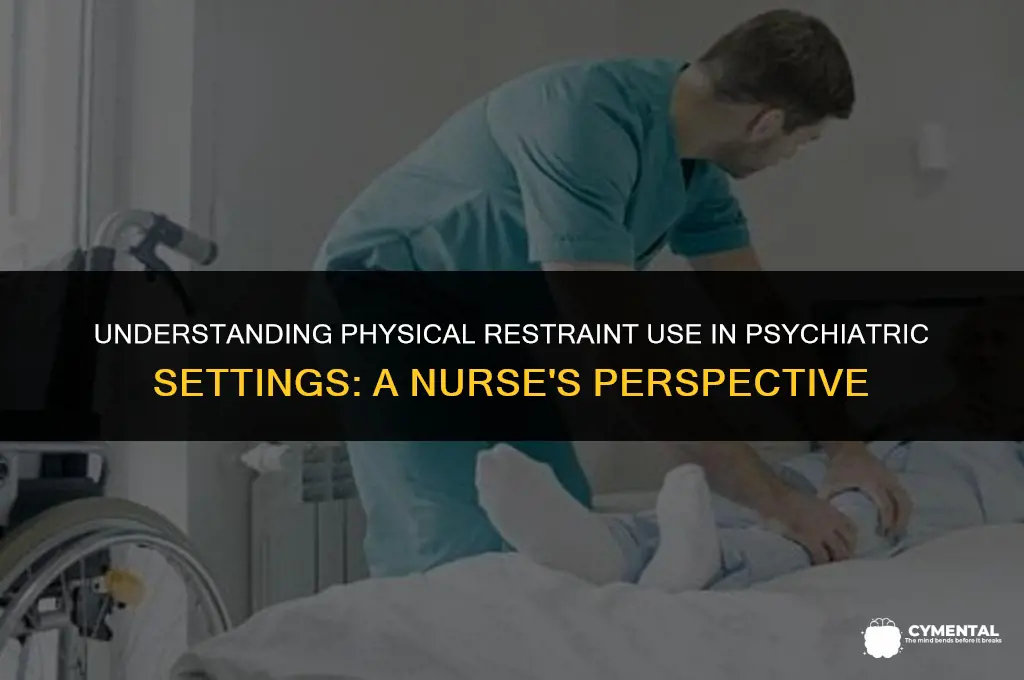
In the context of mental health care, the question of whether a nurse can physically restrain a patient, such as grabbing their arm, is a complex and sensitive issue. It touches upon the balance between patient autonomy and the duty of care owed by healthcare professionals. In mental hospitals, nurses and other staff members are often faced with challenging situations where patients may be at risk of harming themselves or others. In such cases, physical restraint may be considered as a last resort to ensure safety. However, the use of physical restraint is heavily regulated and subject to ethical considerations. Nurses are trained to de-escalate situations and use restraint only when absolutely necessary, and even then, it must be done in a manner that minimizes harm and respects the patient's dignity. The legality and appropriateness of such actions can vary depending on the jurisdiction and the specific circumstances of the case.
Explore related products


What You'll Learn
- Patient Rights: Understanding the legal rights of patients in mental health facilities regarding physical contact
- Nurse Responsibilities: Exploring the duties and limitations of nurses in managing patient behavior
- Informed Consent: Discussing the importance of patient consent in medical treatments and interventions
- De-escalation Techniques: Reviewing methods used by healthcare professionals to calm patients without physical force
- Facility Policies: Examining the specific rules and protocols of mental hospitals concerning patient handling

Patient Rights: Understanding the legal rights of patients in mental health facilities regarding physical contact
In mental health facilities, patients possess specific legal rights that protect them from unwarranted physical contact. These rights are enshrined in various laws and regulations, which vary by jurisdiction but generally aim to ensure that patients are treated with dignity and respect. One fundamental right is the freedom from assault and battery, which means that no one, including healthcare providers, can physically restrain or touch a patient without their consent or a valid legal reason.
When it comes to physical contact, mental health professionals must adhere to strict guidelines. Any physical intervention, such as grabbing a patient's arm, must be justified as necessary to prevent harm to the patient or others, and must be carried out in a manner that minimizes discomfort and risk. Furthermore, such interventions should be documented thoroughly, and patients should be informed of their rights and the reasons for any physical contact.
Patients also have the right to privacy and confidentiality. This means that any discussions or information shared with healthcare providers should remain confidential, and patients should be able to communicate with their legal representatives or advocates without interference. In addition, patients have the right to be informed about their treatment plans, including any medications or therapies, and to participate in decisions about their care.
Understanding these rights is crucial for both patients and healthcare providers. Patients need to be aware of their legal protections to ensure that they are treated fairly and can advocate for themselves if necessary. Healthcare providers, on the other hand, must be knowledgeable about patient rights to ensure that they are delivering care in a lawful and ethical manner. By respecting patient rights, mental health facilities can create a safe and supportive environment that promotes healing and recovery.
Understanding Child Mental Health: When Is Hospitalization Necessary?
You may want to see also
Explore related products





Nurse Responsibilities: Exploring the duties and limitations of nurses in managing patient behavior
Nurses in mental health settings often find themselves in complex situations where they must balance patient autonomy with the need to ensure safety. One such scenario involves the physical management of patients who may be experiencing acute psychiatric episodes. While nurses are trained to intervene in emergencies, the question of whether they can physically restrain a patient, such as grabbing their arm, is subject to strict guidelines and ethical considerations.
In many jurisdictions, nurses are permitted to use physical restraints only as a last resort and under specific conditions. These typically include situations where a patient poses an imminent risk to themselves or others, and where less restrictive measures have been unsuccessful. Even then, the use of restraints must be proportionate to the risk and should be applied in a way that minimizes harm and discomfort to the patient. Nurses must also be aware of the legal and ethical implications of using physical restraints, as these actions can be subject to scrutiny and potential legal action if not carried out appropriately.
Beyond the immediate physical intervention, nurses have a broader responsibility to manage patient behavior through therapeutic means. This involves creating a supportive and structured environment that promotes patient recovery and reduces the likelihood of aggressive or self-harming behaviors. Nurses may use a variety of techniques to achieve this, including verbal de-escalation, environmental modifications, and the administration of medication as prescribed by a psychiatrist.
In practice, nurses must be highly skilled in assessing patient behavior and responding appropriately. This requires ongoing training and education in areas such as crisis intervention, de-escalation techniques, and the use of physical restraints. Nurses must also be able to work effectively as part of a multidisciplinary team, collaborating with psychiatrists, social workers, and other healthcare professionals to develop comprehensive care plans that address the complex needs of mental health patients.
Ultimately, the question of whether a nurse can grab a patient's arm in a mental hospital is just one aspect of the broader issue of managing patient behavior. Nurses must navigate a delicate balance between ensuring patient safety and respecting their autonomy, all while adhering to legal and ethical standards. This requires a deep understanding of their responsibilities and limitations, as well as the ability to make quick and informed decisions in often challenging circumstances.
Are Mental Hospitals Open During COVID: What You Need to Know
You may want to see also
Explore related products


Informed Consent: Discussing the importance of patient consent in medical treatments and interventions
In the context of mental health care, informed consent is a critical ethical and legal principle that ensures patients are fully aware of and agree to the treatments and interventions they receive. This principle is particularly important in psychiatric settings, where patients may be vulnerable and their autonomy may be compromised. Informed consent involves providing patients with clear, understandable information about their diagnosis, treatment options, potential risks and benefits, and alternatives to the proposed treatment. It is essential that patients are given the opportunity to ask questions and express their concerns, and that they are not coerced or pressured into making decisions.
In practice, obtaining informed consent in mental health care can be complex and challenging. Patients may have limited insight into their condition or may be experiencing symptoms that impair their decision-making capacity. In such cases, it is crucial that healthcare providers work collaboratively with patients to ensure that they understand the information being presented and are able to make informed decisions. This may involve using plain language, visual aids, or other communication strategies to facilitate understanding. Additionally, healthcare providers must be sensitive to the patient's cultural background, beliefs, and values, and must respect their right to refuse treatment or to request modifications to the proposed treatment plan.
In situations where a patient is unable to provide informed consent due to a lack of decision-making capacity, healthcare providers may need to rely on other legal mechanisms, such as court orders or advance directives, to ensure that the patient receives appropriate care. However, even in these cases, it is important to involve the patient in the decision-making process to the extent possible and to respect their autonomy and dignity.
In conclusion, informed consent is a fundamental principle in mental health care that ensures patients are treated with respect and dignity. Healthcare providers have a responsibility to provide patients with clear, understandable information about their treatment options and to work collaboratively with them to ensure that they are able to make informed decisions. By upholding the principle of informed consent, healthcare providers can promote patient autonomy, improve treatment outcomes, and foster a more trusting and collaborative relationship between patients and providers.
Exploring the Landscape of Private Mental Health Facilities
You may want to see also
Explore related products


De-escalation Techniques: Reviewing methods used by healthcare professionals to calm patients without physical force
Healthcare professionals, particularly those working in mental health settings, are often faced with situations where patients may become agitated or aggressive. De-escalation techniques are crucial tools in these scenarios, allowing staff to calm patients without resorting to physical force. These methods are designed to reduce tension, improve communication, and ensure the safety of both patients and staff.
One effective de-escalation technique is active listening. This involves giving the patient your undivided attention, maintaining eye contact, and verbally acknowledging their feelings and concerns. By doing so, you validate their emotions and create a sense of trust and understanding. Another important strategy is to speak calmly and clearly, avoiding sudden movements or loud noises that could further agitate the patient.
Environmental adjustments can also play a significant role in de-escalation. For instance, reducing sensory stimuli such as bright lights or loud background noise can help to create a more calming atmosphere. Additionally, offering the patient a comfortable and private space to express their feelings can contribute to a sense of security and control.
In some cases, verbal de-escalation may not be sufficient, and healthcare professionals may need to employ physical de-escalation techniques. These should always be used as a last resort and in accordance with established protocols and guidelines. Physical de-escalation may involve gently guiding the patient to a safer area or using minimal physical contact to prevent harm to the patient or others.
It is essential for healthcare professionals to receive comprehensive training in de-escalation techniques. This training should cover a range of scenarios and provide staff with the skills and confidence to effectively manage challenging situations. Regular practice and review of these techniques can help to ensure that staff are well-prepared to respond to crises in a calm and professional manner.
In conclusion, de-escalation techniques are vital for maintaining a safe and therapeutic environment in mental health settings. By focusing on active listening, calm communication, environmental adjustments, and appropriate physical interventions when necessary, healthcare professionals can effectively manage patient agitation without resorting to harmful or coercive measures.
Recognizing the Signs: When It's Time to Seek Inpatient Mental Health Care
You may want to see also
Explore related products




Facility Policies: Examining the specific rules and protocols of mental hospitals concerning patient handling
Mental health facilities have stringent policies in place to ensure the safety and well-being of patients. These policies often include detailed protocols for patient handling, which dictate how staff should interact with patients in various situations. For instance, many facilities have rules that prohibit staff from using physical force unless it is absolutely necessary to prevent harm to the patient or others. Even in such cases, the use of force must be carefully documented and reviewed.
One of the key aspects of these policies is the emphasis on de-escalation techniques. Nurses and other staff are typically trained in methods to calm patients who may be agitated or aggressive, using verbal communication and non-threatening body language. The goal is to avoid physical confrontations whenever possible, as these can be traumatic for patients and may lead to injuries.
In situations where a patient is deemed to be a danger to themselves or others, facilities often have protocols for restraint use. These protocols are highly regulated and typically require the approval of a physician or other authorized personnel. Restraints may include physical devices such as straitjackets or chemical restraints like sedative medications. However, the use of restraints is generally considered a last resort and is closely monitored to ensure patient safety.
Another important aspect of facility policies is the protection of patient rights. Patients in mental health facilities are entitled to certain freedoms and protections, including the right to refuse treatment in some cases. Policies must balance these rights with the need to provide care and ensure safety. For example, a patient may have the right to refuse medication, but if they are deemed to be a danger to themselves or others as a result, the facility may need to take steps to address this.
Overall, the policies and protocols in place in mental health facilities are designed to provide a safe and supportive environment for patients while also protecting their rights and dignity. These policies are constantly evolving as new research and best practices emerge, and facilities must stay up-to-date to ensure they are providing the best possible care.
Unraveling the Legalities: Escaping from a Mental Hospital
You may want to see also
Frequently asked questions
Generally, nurses in mental hospitals are trained to handle patients with care and respect. They may need to assist patients in various ways, including guiding them by the arm. However, this should always be done gently and with the patient's consent whenever possible.
Nurses might need to hold a patient's arm in situations where the patient is at risk of harming themselves or others, or when they need to be guided to a different location within the facility. It's important that this is done in a calm and reassuring manner to minimize distress.
Yes, there are legal and ethical guidelines that govern physical contact in healthcare settings, including mental hospitals. These guidelines emphasize the importance of patient autonomy, consent, and minimizing the use of physical restraints or force. Nurses are expected to follow these guidelines to ensure the safety and well-being of their patients.
Patients can communicate their preferences regarding physical contact by discussing their needs and boundaries with their healthcare providers. It's important for patients to feel comfortable expressing their preferences, and for nurses to listen and respect these boundaries.
If a patient feels uncomfortable with the way a nurse is holding their arm, they should communicate this to the nurse or another healthcare provider immediately. Patients have the right to feel safe and respected in their healthcare environment, and healthcare providers should take steps to address any concerns or discomfort.