Ava Ramirez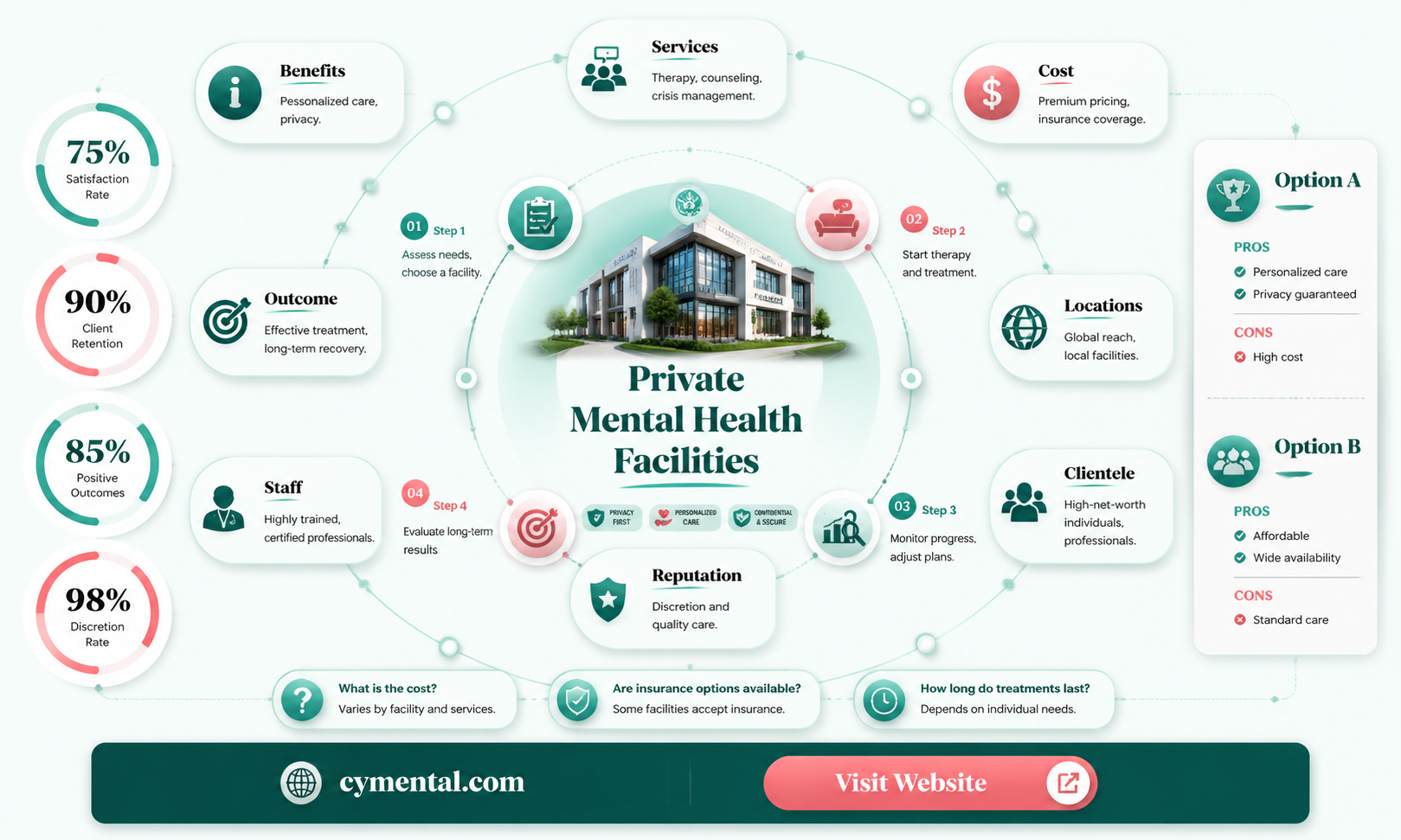
Private mental hospitals are specialized healthcare facilities that provide treatment and care for individuals with mental health disorders. These hospitals are typically owned and operated by private entities, such as corporations or non-profit organizations, rather than by the government. They offer a range of services, including inpatient care, outpatient programs, and specialized treatments for various mental health conditions. Private mental hospitals often have the flexibility to tailor their services to meet the specific needs of their patients, and they may offer more personalized care compared to public facilities. However, the cost of treatment at private mental hospitals can be higher, and access may be limited to those who can afford it or have adequate insurance coverage.
Explore related products


What You'll Learn
- Types of Private Mental Hospitals: Explore various categories, such as inpatient, outpatient, and specialized treatment centers
- Admission Process: Understand the steps involved in admitting a patient, including evaluation, insurance verification, and consent
- Treatment Options: Discover the range of therapies and programs offered, like cognitive-behavioral therapy, medication management, and holistic approaches
- Cost and Insurance Coverage: Learn about the financial aspects, including pricing structures, insurance acceptance, and potential out-of-pocket expenses
- Choosing the Right Facility: Guidance on selecting an appropriate private mental hospital based on individual needs, location, and available resources

Types of Private Mental Hospitals: Explore various categories, such as inpatient, outpatient, and specialized treatment centers
Private mental hospitals offer a range of services tailored to individuals seeking mental health care. One of the primary distinctions among these facilities is the type of care they provide, which can be broadly categorized into inpatient, outpatient, and specialized treatment centers.
Inpatient facilities are designed for individuals who require 24-hour care and supervision. These hospitals typically offer a controlled environment where patients can receive intensive treatment, including medication management, therapy sessions, and group activities. Inpatient care is often recommended for those experiencing severe mental health crises, such as suicidal ideation, psychosis, or severe depression.
Outpatient facilities, on the other hand, cater to individuals who do not require round-the-clock supervision but still need regular mental health services. These centers offer a variety of treatments, including individual and group therapy, medication management, and counseling services. Outpatient care is suitable for those with milder mental health conditions or those who are transitioning from inpatient care to independent living.
Specialized treatment centers focus on specific mental health conditions or populations. For example, some centers may specialize in treating eating disorders, substance abuse, or trauma-related conditions. Others may cater specifically to children, adolescents, or older adults. These facilities often provide a multidisciplinary approach to care, incorporating a range of therapeutic modalities and interventions tailored to the unique needs of their patients.
When considering private mental hospitals, it is essential to research the different types of facilities available and choose one that aligns with the individual's specific needs and circumstances. Factors to consider may include the facility's accreditation, the qualifications of its staff, the range of services offered, and the overall atmosphere and environment of the hospital. By selecting the appropriate type of private mental hospital, individuals can receive the targeted care they need to manage their mental health conditions effectively.
Andrea Yates' Current Status: Mental Health Journey Update
You may want to see also
Explore related products


Admission Process: Understand the steps involved in admitting a patient, including evaluation, insurance verification, and consent
The admission process to a private mental hospital involves several critical steps designed to ensure that patients receive appropriate care while also respecting their rights and privacy. The first step is typically an evaluation, which may be conducted by a psychiatrist, psychologist, or other qualified mental health professional. This evaluation is intended to assess the patient's mental health status, identify any potential risks, and determine the level of care required. Depending on the hospital's policies and the patient's condition, this evaluation may be conducted in person or via telemedicine.
Following the evaluation, the hospital will usually verify the patient's insurance coverage to ensure that the necessary treatment is financially feasible. This step is crucial, as private mental hospitals can be expensive, and insurance coverage may vary widely depending on the provider and the patient's specific plan. The hospital's admissions staff will work with the insurance company to obtain pre-authorization for the patient's stay and determine the extent of coverage.
Once the evaluation and insurance verification are complete, the patient (or their legal guardian, if applicable) will be asked to provide informed consent for treatment. This involves reviewing and signing a consent form that outlines the patient's rights, the proposed treatment plan, and any potential risks or side effects associated with the treatment. It is essential that the patient fully understands the terms of the consent form and asks any questions they may have before signing.
In addition to these core steps, the admission process may also involve other logistical considerations, such as scheduling the patient's admission, arranging for transportation to the hospital, and coordinating with the patient's primary care physician or other healthcare providers. Throughout this process, it is important that the hospital maintains open communication with the patient and their family, providing updates and addressing any concerns that may arise.
Overall, the admission process to a private mental hospital is designed to be thorough and patient-centered, ensuring that individuals receive the care they need in a safe and supportive environment. By understanding the steps involved, patients and their families can better navigate the process and make informed decisions about their mental health care.
Navigating Mental Health: Self-Admission to Psychiatric Care
You may want to see also
Explore related products


Treatment Options: Discover the range of therapies and programs offered, like cognitive-behavioral therapy, medication management, and holistic approaches
Private mental hospitals offer a variety of treatment options tailored to meet the unique needs of each patient. One of the most common therapies provided is cognitive-behavioral therapy (CBT), which focuses on identifying and changing negative thought patterns and behaviors. CBT is often used to treat conditions such as depression, anxiety, and bipolar disorder. Medication management is another key component of treatment in private mental hospitals. Psychiatrists work closely with patients to develop a medication regimen that effectively manages symptoms while minimizing side effects. This can include antidepressants, mood stabilizers, and antipsychotic medications.
In addition to traditional therapies, many private mental hospitals also offer holistic approaches to treatment. These may include activities such as yoga, meditation, and art therapy, which can help patients manage stress and improve their overall well-being. Some hospitals also provide specialized programs for specific conditions, such as eating disorders or substance abuse. These programs often incorporate a combination of individual therapy, group therapy, and educational sessions to address the unique challenges associated with each condition.
The length of treatment in a private mental hospital can vary depending on the individual's needs and the severity of their condition. Some patients may only require a short-term stay for stabilization and crisis management, while others may benefit from longer-term treatment to address underlying issues and develop coping strategies. Regardless of the length of stay, the goal of treatment in a private mental hospital is to provide patients with the tools and support they need to achieve lasting recovery and improve their quality of life.
When considering private mental hospitals, it is important to research the specific treatment options offered and ensure that they align with the individual's needs and preferences. It is also essential to consider factors such as the hospital's accreditation, the qualifications of the staff, and the overall atmosphere and amenities provided. By carefully evaluating these factors, individuals can make an informed decision about the best treatment option for themselves or their loved one.
Understanding Involuntary Commitment Durations in Michigan Mental Health Facilities
You may want to see also
Explore related products


Cost and Insurance Coverage: Learn about the financial aspects, including pricing structures, insurance acceptance, and potential out-of-pocket expenses
The cost of treatment at private mental hospitals can vary widely depending on several factors, including the type of facility, the duration of stay, and the specific services provided. Private mental hospitals often have different pricing structures, which may include daily rates, weekly rates, or per-service charges. It is essential to contact the facility directly to obtain detailed information about their pricing and payment options.
Insurance coverage for mental health treatment at private facilities can also vary significantly. Some private mental hospitals may accept insurance, while others may not. Even among those that do accept insurance, the extent of coverage and the specific plans accepted can differ. Patients should verify their insurance coverage by contacting their insurance provider and the hospital's billing department to understand what costs will be covered and what out-of-pocket expenses they may incur.
Potential out-of-pocket expenses for patients at private mental hospitals can include deductibles, copays, coinsurance, and any services not covered by insurance. Additionally, patients may need to consider the cost of transportation, meals, and other personal expenses during their stay. It is crucial to factor in these costs when choosing a private mental hospital and to explore options for financial assistance or payment plans if needed.
When considering the financial aspects of private mental hospitals, it is also important to weigh the potential benefits against the costs. Private facilities may offer more personalized care, shorter wait times, and a wider range of services compared to public mental health facilities. However, the higher cost of private treatment may not always be justified by these benefits, and patients should carefully evaluate their options based on their individual needs and financial circumstances.
In conclusion, understanding the cost and insurance coverage for private mental hospitals is a critical step in the decision-making process for patients seeking mental health treatment. By researching pricing structures, verifying insurance coverage, and considering potential out-of-pocket expenses, patients can make informed choices about their care and ensure that they receive the treatment they need without facing unexpected financial burdens.
Unveiling the Mysteries: A Day in the Life at a Mental Hospital
You may want to see also
Explore related products


Choosing the Right Facility: Guidance on selecting an appropriate private mental hospital based on individual needs, location, and available resources
Selecting the right private mental hospital is a critical decision that can significantly impact an individual's recovery journey. To begin this process, it's essential to conduct thorough research on various facilities, considering factors such as their reputation, accreditation, and the range of services they offer. Start by compiling a list of potential hospitals based on recommendations from healthcare professionals, online reviews, and personal referrals.
Once you have a list of potential facilities, it's crucial to assess each one based on the specific needs of the individual seeking treatment. This may involve evaluating the hospital's expertise in treating particular mental health conditions, the availability of specialized programs or therapies, and the qualifications of the medical staff. Additionally, consider the hospital's location and accessibility, as proximity to family and friends can play a vital role in the recovery process.
Another important factor to consider is the cost of treatment and the availability of financial resources. Private mental hospitals can be expensive, and it's essential to determine whether the facility accepts insurance, offers payment plans, or provides financial assistance. Be sure to also inquire about the hospital's discharge planning and aftercare services, as these can be crucial in ensuring a smooth transition back to daily life.
When evaluating potential facilities, it's helpful to schedule a visit or tour to get a firsthand look at the hospital's environment and amenities. This can provide valuable insight into the quality of care and the overall atmosphere of the facility. During the visit, ask questions about the hospital's treatment philosophy, daily schedules, and patient-to-staff ratios.
In conclusion, choosing the right private mental hospital requires careful consideration of various factors, including the individual's specific needs, the facility's reputation and services, location, cost, and available resources. By conducting thorough research and asking the right questions, you can make an informed decision that can lead to a successful recovery journey.
The Evolution of Mental Health Facilities: Are Padded Rooms Still in Use?
You may want to see also
Frequently asked questions
Yes, there are private mental hospitals. These facilities are owned and operated by private entities rather than the government and often provide a range of psychiatric services.
Private mental hospitals typically offer more personalized care, shorter wait times, and may have more modern facilities compared to public hospitals. They may also provide specialized treatment programs and a broader range of services.
Private mental hospitals generally offer inpatient and outpatient services, including psychiatric evaluations, medication management, individual and group therapy, cognitive-behavioral therapy, and sometimes alternative therapies like art or music therapy.
To find a private mental hospital, one can search online, consult with a primary care physician for a referral, check with insurance providers for covered facilities, or contact mental health advocacy organizations for recommendations.
When choosing a private mental hospital, factors to consider include the hospital's reputation, the qualifications of the staff, the range of services offered, the facility's accreditation, patient reviews, and the cost of treatment. It's also important to ensure the hospital is covered by the individual's insurance plan.