Harper Lewis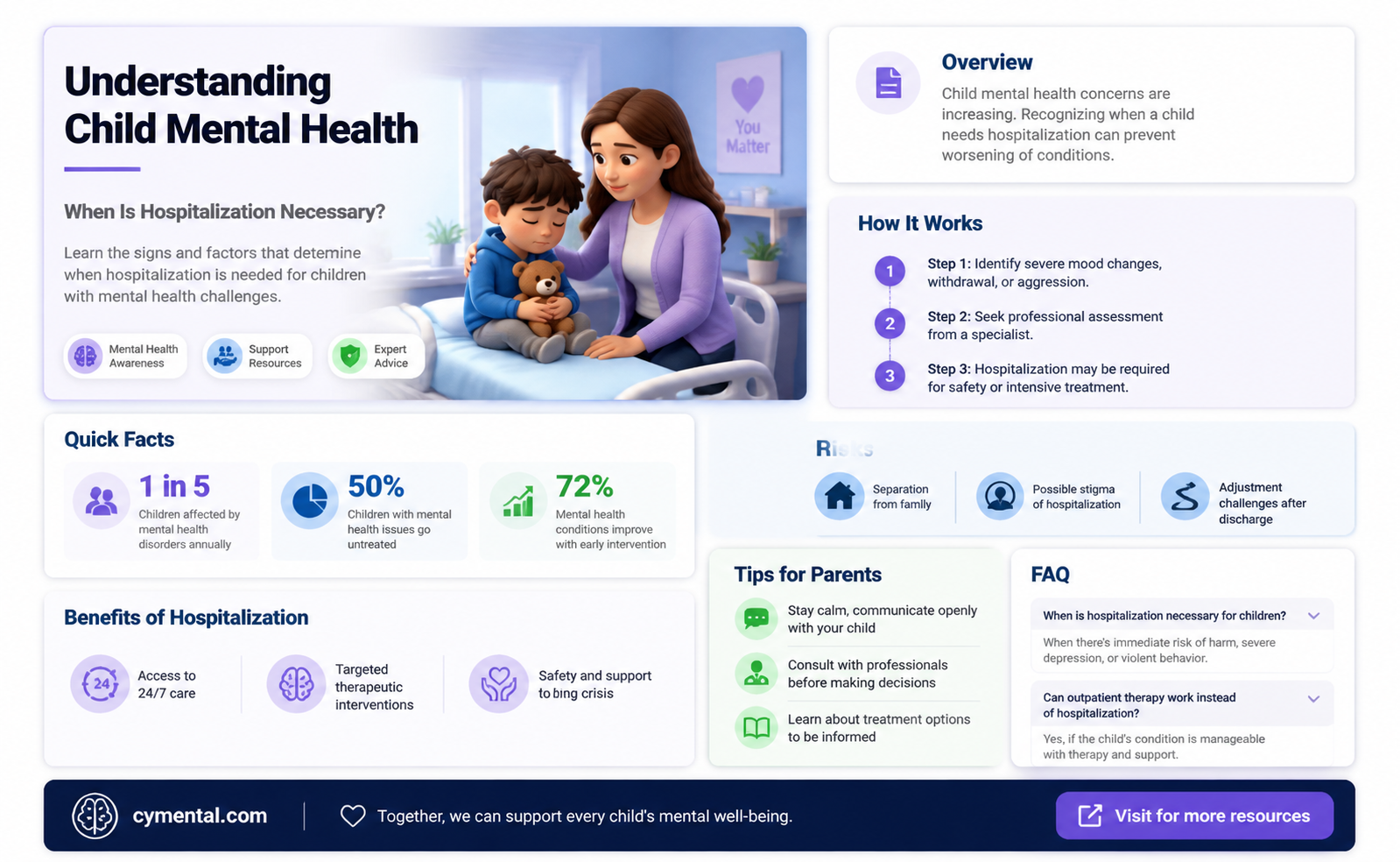
The question of whether a child can be committed to a mental hospital is a complex and sensitive issue that intersects with legal, ethical, and psychological considerations. In many jurisdictions, the involuntary commitment of a child to a psychiatric facility is possible under certain circumstances, typically when the child is deemed to be a danger to themselves or others, or when they are unable to care for themselves due to a mental health condition. However, such decisions are usually subject to strict legal procedures and oversight to ensure that the child's rights are protected and that the commitment is only carried out when absolutely necessary. The process often involves evaluations by mental health professionals, court hearings, and the consideration of less restrictive alternatives to hospitalization. Ultimately, the goal is to provide the child with the necessary support and treatment while minimizing the potential negative impacts of institutionalization.
Explore related products


What You'll Learn
- Legal Requirements: Exploring the legal criteria and processes for involuntarily committing a child to a mental health facility
- Parental Consent: Discussing the role of parental consent in the decision to hospitalize a child for mental health treatment
- Child's Rights: Examining the legal rights and protections afforded to children in mental health treatment settings
- Mental Health Assessment: Outlining the evaluation process used to determine if a child requires inpatient mental health care
- Treatment Options: Reviewing the various therapeutic approaches and programs available in mental health hospitals for children

Legal Requirements: Exploring the legal criteria and processes for involuntarily committing a child to a mental health facility
In the realm of mental health care for children, involuntary commitment to a mental health facility is a complex and sensitive issue. The legal requirements for such a commitment vary significantly by jurisdiction, but generally involve a thorough evaluation of the child's mental state and the potential risks they pose to themselves or others. This process typically requires the involvement of mental health professionals, legal experts, and often, the child's parents or guardians.
The first step in the involuntary commitment process usually involves a mental health assessment. This assessment is conducted by qualified mental health professionals who evaluate the child's psychological state, behavioral patterns, and any potential threats to their own safety or the safety of others. The assessment may include interviews with the child, observations of their behavior, and consultations with other professionals who have worked with the child.
Following the assessment, if the mental health professionals determine that the child meets the legal criteria for involuntary commitment, a petition may be filed with the court. This petition must outline the reasons for the commitment, including the specific behaviors or symptoms that led to the recommendation. The court will then review the petition and may order a hearing to determine whether the commitment is necessary and appropriate.
During the hearing, the court will consider evidence presented by the mental health professionals, as well as any input from the child's parents or guardians. The child may also be represented by an attorney, depending on the jurisdiction and the specific circumstances of the case. If the court determines that the child meets the legal criteria for involuntary commitment, it will issue an order authorizing the commitment.
The legal criteria for involuntary commitment typically include a determination that the child is a danger to themselves or others, or that they are unable to care for themselves due to their mental state. The specific criteria may vary by jurisdiction, but generally involve a significant impairment in the child's ability to function in daily life.
In conclusion, the process of involuntarily committing a child to a mental health facility is a serious and complex legal matter. It involves a thorough evaluation of the child's mental state, a petition to the court, and a hearing to determine whether the commitment is necessary and appropriate. The legal requirements for this process are designed to ensure that children receive the care they need while also protecting their rights and the rights of their families.
Understanding the Purpose of Grippy Socks in Mental Health Facilities
You may want to see also
Explore related products




Parental Consent: Discussing the role of parental consent in the decision to hospitalize a child for mental health treatment
Parental consent plays a crucial role in the decision to hospitalize a child for mental health treatment. In most jurisdictions, parents or legal guardians are required to provide informed consent before a child can be admitted to a psychiatric facility. This ensures that the parents are fully aware of the reasons for hospitalization, the proposed treatment plan, and any potential risks or benefits associated with the care.
The process of obtaining parental consent typically involves a thorough discussion between the child's parents and the treating psychiatrist or mental health professional. During this conversation, the clinician will explain the child's diagnosis, the rationale for hospitalization, and the specific interventions that will be used. Parents are encouraged to ask questions and express any concerns they may have. This collaborative approach helps to ensure that the parents are actively involved in the decision-making process and that their child's best interests are being considered.
In some cases, parents may be hesitant or reluctant to consent to their child's hospitalization. This can occur if they are unsure about the necessity of inpatient treatment, if they are concerned about the potential stigma associated with mental illness, or if they have fears about the safety and security of the psychiatric facility. In such situations, it is important for the treating professional to address these concerns directly and to provide reassurance about the quality of care that the child will receive.
It is also important to note that parental consent is not always required for a child to be hospitalized for mental health treatment. In emergency situations, where the child is at imminent risk of harm to themselves or others, a mental health professional may initiate an involuntary admission. However, even in these cases, parents are typically notified as soon as possible and are involved in the ongoing treatment planning process.
In conclusion, parental consent is a critical component of the decision to hospitalize a child for mental health treatment. It ensures that parents are informed and actively involved in the care of their child, and it helps to protect the child's rights and well-being. By working collaboratively with parents, mental health professionals can provide the best possible care for children in need of psychiatric treatment.
Understanding Involuntary Mental Health Hospitalization: Your Rights and Options
You may want to see also
Explore related products


$13.1 $29.99


Child's Rights: Examining the legal rights and protections afforded to children in mental health treatment settings
In the context of mental health treatment, children possess a unique set of legal rights and protections designed to safeguard their well-being. These rights are enshrined in various national and international laws, recognizing the vulnerability of children and the need for special considerations in their care. For instance, the United Nations Convention on the Rights of the Child (UNCRC) outlines specific provisions for the protection of children's mental health, emphasizing the importance of providing appropriate care and support.
One critical aspect of children's rights in mental health treatment is the principle of informed consent. Unlike adults, children may not have the capacity to fully understand the implications of their treatment, making it essential for healthcare providers to obtain consent from parents or legal guardians. However, this process must also involve the child to the extent possible, ensuring that their views and preferences are taken into account. This approach respects the child's autonomy while also acknowledging the need for parental guidance and protection.
Another key consideration is the right to privacy and confidentiality. Children undergoing mental health treatment have the right to have their personal information kept confidential, with strict regulations governing the sharing of such information with third parties. This right helps to create a safe and trusting environment for children, encouraging them to openly discuss their feelings and experiences without fear of judgment or stigma.
Furthermore, children have the right to receive appropriate and individualized care that meets their specific needs. This includes access to a range of therapeutic interventions, such as counseling, medication, and support groups, tailored to their unique circumstances. Healthcare providers must also ensure that children are protected from any form of abuse or neglect while in treatment, with robust safeguarding measures in place to prevent such occurrences.
In conclusion, the legal rights and protections afforded to children in mental health treatment settings are multifaceted, encompassing issues such as informed consent, privacy, and access to appropriate care. These rights are fundamental to ensuring that children receive the support and assistance they need to overcome mental health challenges, while also respecting their dignity and autonomy. By upholding these rights, healthcare providers can create a safe and nurturing environment that promotes the well-being and recovery of children in their care.
Exploring the Inner Workings of Mental Health Facilities
You may want to see also
Explore related products


![The Explosive Child [Sixth Edition]: A New Approach for Understanding and Parenting Easily Frustrated, Chronically Inflexible Children](https://m.media-amazon.com/images/I/7148uFt7XbL._AC_UL320_.jpg)


Mental Health Assessment: Outlining the evaluation process used to determine if a child requires inpatient mental health care
The mental health assessment process for children is a critical and nuanced task, requiring a multifaceted approach to determine the necessity for inpatient care. This evaluation typically involves a comprehensive review of the child's psychological, emotional, and behavioral state, as well as their social and environmental context. Mental health professionals, such as psychiatrists, psychologists, and social workers, collaborate to gather information from various sources, including the child, parents, teachers, and other caregivers.
The assessment begins with a thorough clinical interview, during which the child's symptoms, behaviors, and concerns are discussed in detail. This is often followed by standardized psychological assessments and questionnaires, which help to quantify the child's emotional and behavioral functioning. Additional information is gathered through observations of the child in different settings, such as at home, school, and during recreational activities.
In some cases, a child may be referred for inpatient mental health care due to acute symptoms, such as suicidal ideation, self-harm, or severe behavioral disturbances. In these situations, a crisis assessment is conducted to determine the immediacy of the risk and the need for hospitalization. This assessment involves a detailed review of the child's current symptoms, as well as their past psychiatric history and any previous hospitalizations.
The decision to commit a child to inpatient mental health care is made by a multidisciplinary team, which includes mental health professionals, medical doctors, and sometimes legal experts. This team carefully considers the child's individual needs, the severity of their symptoms, and the potential benefits and risks of inpatient treatment. The goal of this process is to ensure that the child receives the most appropriate level of care, while also respecting their rights and the concerns of their family.
Throughout the assessment process, it is essential to maintain a child-centered approach, recognizing the unique experiences and perspectives of each child. This involves actively engaging the child in the assessment and treatment planning process, as well as providing support and education to their family and caregivers. By working collaboratively with the child and their support system, mental health professionals can develop a comprehensive and effective treatment plan that addresses the child's specific needs and promotes their overall well-being.
Unraveling the Complex Reasons Behind Mental Hospital Closures
You may want to see also
Explore related products


$4.47 $26.95



Treatment Options: Reviewing the various therapeutic approaches and programs available in mental health hospitals for children
In the realm of pediatric mental health care, treatment options within hospitals are multifaceted and tailored to meet the unique needs of young patients. One of the primary therapeutic approaches is cognitive-behavioral therapy (CBT), which focuses on modifying dysfunctional thoughts and behaviors. CBT is often used to treat anxiety disorders, depression, and other common mental health issues in children. Another prevalent approach is family therapy, which involves the child's family members in the treatment process to improve communication and resolve conflicts.
Medication management is also a critical component of treatment in mental health hospitals for children. Psychiatrists may prescribe medications such as antidepressants, antipsychotics, or mood stabilizers to help manage symptoms. The choice of medication depends on the child's specific diagnosis and medical history. In addition to these traditional therapies, many hospitals incorporate alternative treatments such as art therapy, music therapy, and animal-assisted therapy to provide a holistic approach to healing.
Residential treatment programs are another option for children who require a higher level of care. These programs provide a structured environment where children can receive intensive therapy, medication management, and 24-hour supervision. Residential programs may be short-term or long-term, depending on the child's needs and progress.
It is essential to note that the treatment plan for each child is individualized, taking into account their specific diagnosis, symptoms, and personal circumstances. Mental health professionals work collaboratively with the child and their family to develop a comprehensive treatment plan that addresses their unique needs.
In conclusion, mental health hospitals for children offer a range of therapeutic approaches and programs designed to provide effective and compassionate care. From traditional therapies like CBT and medication management to alternative treatments and residential programs, these hospitals strive to help children achieve emotional and psychological well-being.
The Era of Mental Hospitals: A Historical Overview of Their Closure
You may want to see also
Frequently asked questions
Yes, a child can be committed to a mental hospital if they are experiencing severe mental health issues that require intensive treatment and care.
The process for committing a child to a mental hospital typically involves a mental health evaluation, a court hearing, and a determination by a judge that the child is a danger to themselves or others and requires hospitalization.
The length of time a child can be committed to a mental hospital varies depending on the circumstances and the child's individual needs. It can range from a few days to several weeks or even months, with periodic reviews to assess the child's progress and determine if they can be discharged.