Madison Cole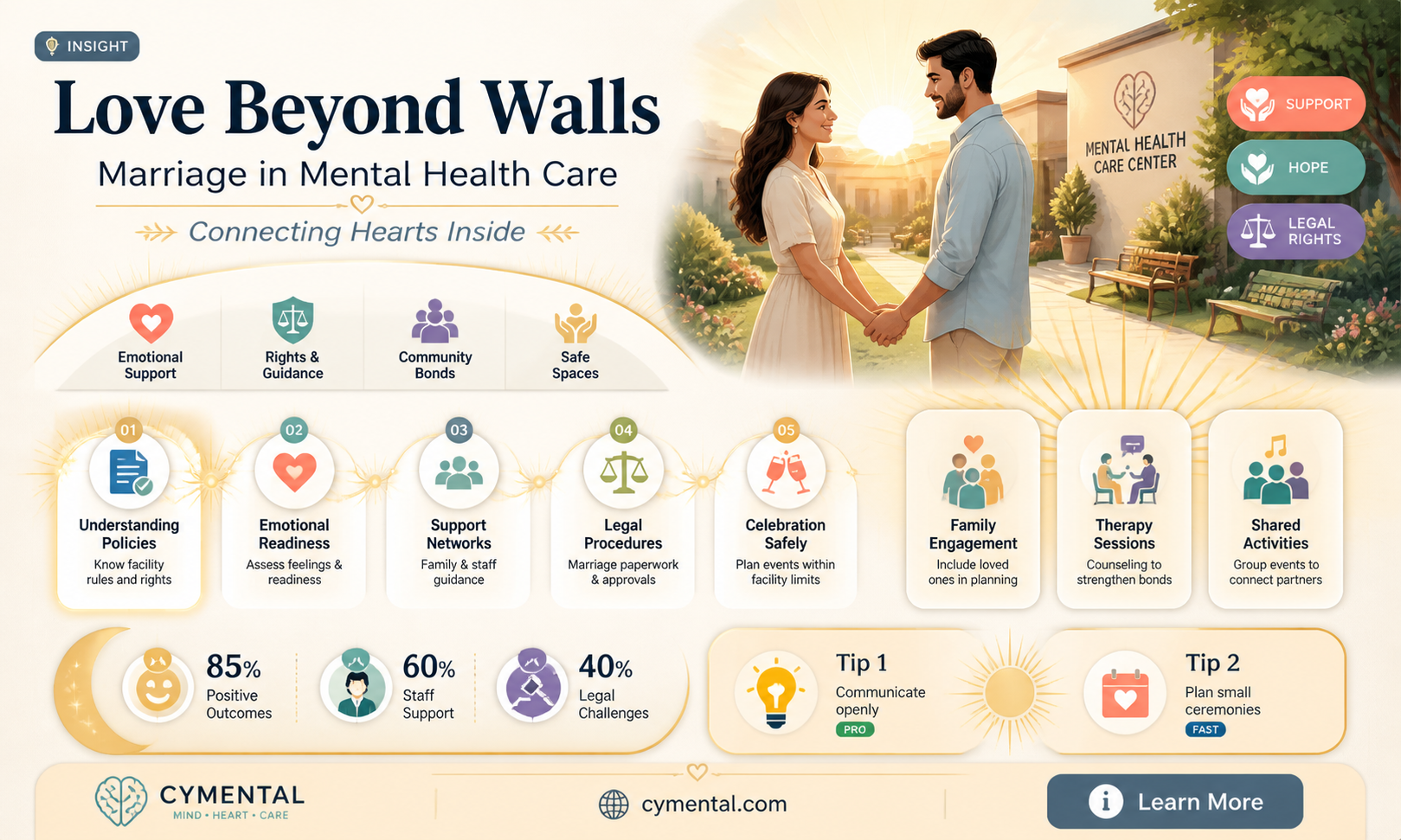
Marriage is a significant life event that can bring joy and companionship to individuals. However, for those residing in mental health facilities, the prospect of marriage may be more complex. This raises the question: can a person in a mental facility get married? The answer to this question depends on various factors, including the individual's mental capacity, the laws of the jurisdiction, and the policies of the facility in question. While some mental health facilities may have policies that restrict or prohibit marriage, others may allow it under certain conditions. Ultimately, the decision to marry should be made by the individual in consultation with their healthcare providers and legal advisors, taking into account their unique circumstances and needs.
Explore related products


What You'll Learn
- Legal Capacity: Individuals in mental facilities may have varying degrees of legal capacity to marry
- Consent: Ensuring that both parties have the ability to provide informed consent is crucial
- Facility Policies: Different mental health facilities may have specific policies regarding marriage
- Psychiatric Evaluation: A thorough psychiatric evaluation may be required to assess the individual's ability to marry
- Support Systems: Adequate support systems and counseling are essential for a successful marriage involving someone in a mental facility

Legal Capacity: Individuals in mental facilities may have varying degrees of legal capacity to marry
Individuals in mental facilities may have varying degrees of legal capacity to marry, which is a critical aspect to consider in the context of their rights and autonomy. Legal capacity refers to a person's ability to understand and participate in legal proceedings, including the decision to marry. In many jurisdictions, individuals with mental disabilities may be presumed to lack the legal capacity to marry unless proven otherwise. This presumption can be challenged through legal proceedings, where the individual must demonstrate their ability to understand the nature and consequences of marriage.
The assessment of legal capacity to marry often involves a thorough evaluation of the individual's cognitive abilities, including their understanding of the rights and responsibilities associated with marriage, as well as their ability to make informed decisions. This evaluation may be conducted by mental health professionals, legal experts, or a combination of both. The process can be complex and may require the individual to undergo psychological testing, interviews, and other assessments to determine their capacity to marry.
In some cases, individuals in mental facilities may be able to marry with the assistance of a guardian or conservator who can help them navigate the legal process. However, this arrangement may also raise concerns about the individual's autonomy and the potential for exploitation or abuse. It is essential to balance the need to protect individuals with mental disabilities from harm with their right to make personal decisions, including the decision to marry.
Ultimately, the legal capacity to marry for individuals in mental facilities is a nuanced and multifaceted issue that requires careful consideration of the individual's unique circumstances, cognitive abilities, and personal wishes. It is crucial to ensure that these individuals are not denied their rights to marry based on assumptions or stereotypes about their mental health status, but rather are provided with the necessary support and resources to make informed decisions about their lives.
Where to Get a Mental Evaluation: A Comprehensive Guide
You may want to see also
Explore related products



Consent: Ensuring that both parties have the ability to provide informed consent is crucial
In the context of marriage, consent is a fundamental aspect that must be ensured, especially when one or both parties are in a mental facility. Informed consent means that both individuals have a clear understanding of the nature and implications of their decision to marry and are able to communicate their wishes freely without coercion or undue influence. This can be particularly challenging in mental health settings, where individuals may have varying levels of cognitive functioning or may be under the influence of medication that affects their judgment.
To ensure informed consent, mental health professionals and legal advisors must take a proactive role in educating individuals about their rights, the legal requirements for marriage, and the potential consequences of entering into a marital union. This includes providing information about the individual's mental health condition, any treatment plans, and how these may impact their ability to fulfill marital responsibilities. Additionally, it is essential to assess the individual's capacity to consent, which may involve evaluating their cognitive abilities, understanding of the situation, and ability to make decisions independently.
In some cases, individuals in mental facilities may be subject to guardianship or conservatorship, which means that a legal representative has been appointed to make decisions on their behalf. In such situations, the guardian or conservator must be involved in the consent process and must ensure that the individual's wishes are respected and that they are not being coerced into a decision they do not fully understand or agree with.
It is also important to consider the potential for exploitation or abuse in mental health settings, where individuals may be vulnerable due to their mental health condition or dependency on others for care. Mental health professionals and legal advisors must be vigilant in monitoring for any signs of coercion, manipulation, or exploitation and must take appropriate action to protect the individual's rights and ensure that their consent is truly informed and voluntary.
Ultimately, ensuring informed consent in the context of marriage for individuals in mental facilities requires a collaborative effort between mental health professionals, legal advisors, and the individuals themselves. By working together and prioritizing the individual's autonomy and well-being, it is possible to create a safe and supportive environment in which informed consent can be achieved and upheld.
Unleashing Mental Clarity: A Guide to a Focused Mind
You may want to see also
Explore related products


Facility Policies: Different mental health facilities may have specific policies regarding marriage
Mental health facilities often have specific policies regarding marriage due to the complex nature of mental health care and the need to ensure the well-being of their patients. These policies can vary widely from one facility to another, reflecting different philosophical approaches to mental health treatment and patient rights. Some facilities may encourage marriage as a means of promoting stability and support for patients, while others may view it as a potential risk to the patient's recovery process.
In many cases, mental health facilities will require that patients meet certain criteria before they can get married. These criteria may include demonstrating a certain level of mental stability, being able to make informed decisions, and having the ability to consent to marriage. Facilities may also require that patients undergo counseling or therapy to address any issues related to their mental health that could impact their marriage.
Some facilities may have policies that restrict or prohibit marriage for certain patients, such as those with severe mental illnesses or those who are under guardianship. These policies are often in place to protect patients from potential exploitation or to ensure that they are not entering into a marriage that could be detrimental to their health and well-being.
It is important for individuals considering marriage while in a mental health facility to be aware of the facility's policies and to discuss their plans with their treatment team. This can help ensure that they are making an informed decision and that they have the support they need to make their marriage a success.
Navigating Mental Health Waivers: A Guide for Military Aspirants
You may want to see also
Explore related products


Psychiatric Evaluation: A thorough psychiatric evaluation may be required to assess the individual's ability to marry
A thorough psychiatric evaluation is often a critical step in assessing an individual's ability to marry, particularly when that individual is in a mental facility. This evaluation serves to determine whether the person has the mental capacity to enter into a marriage contract and to understand the implications and responsibilities that come with it. The process typically involves a comprehensive review of the individual's mental health history, current psychiatric status, and cognitive functioning.
During the evaluation, a psychiatrist or other qualified mental health professional will conduct a series of interviews and assessments. These may include structured interviews to gather information about the individual's symptoms, history of mental illness, and current treatment plan. Additionally, cognitive assessments may be used to evaluate the person's ability to make decisions, understand complex information, and communicate effectively.
The evaluator will also consider the individual's ability to consent to marriage. This involves assessing whether the person can freely and voluntarily enter into the marriage contract without undue influence or coercion. The evaluator may also consult with other mental health professionals, family members, or legal representatives to gather additional information and perspectives.
The outcome of the psychiatric evaluation will play a significant role in determining whether the individual can legally marry. If the evaluation finds that the person lacks the mental capacity to enter into a marriage contract, they may be deemed unable to marry. However, if the evaluation concludes that the individual has the necessary capacity and ability to consent, they may be able to proceed with the marriage.
It is important to note that the process and criteria for assessing an individual's ability to marry can vary depending on the jurisdiction and specific circumstances. In some cases, additional evaluations or legal proceedings may be required to ensure that the individual's rights and best interests are protected.
Faith and Mental Health: Can Christians Experience Mental Illness?
You may want to see also
Explore related products


Support Systems: Adequate support systems and counseling are essential for a successful marriage involving someone in a mental facility
Navigating a marriage involving a partner in a mental facility requires a robust support network. This network can include family, friends, mental health professionals, and support groups. Each member of this network plays a vital role in providing emotional support, practical assistance, and guidance. Family and friends can offer a listening ear and help with daily tasks, while mental health professionals can provide counseling and therapy to address the unique challenges faced by couples in this situation. Support groups, both in-person and online, can connect individuals with others who are experiencing similar circumstances, fostering a sense of community and understanding.
Counseling is particularly crucial for couples where one partner is in a mental facility. A qualified therapist can help the couple navigate the complexities of their relationship, addressing issues such as communication, trust, and intimacy. The therapist can also provide strategies for coping with the stress and uncertainty that often accompany mental health challenges. In addition to couples counseling, individual therapy for both partners can be beneficial. For the partner in the mental facility, therapy can be a vital component of their treatment plan, helping them manage their symptoms and improve their overall well-being. For the other partner, individual therapy can provide a safe space to process their feelings and develop coping mechanisms.
Building and maintaining a strong support system requires effort and commitment from both partners. It is essential to communicate openly about needs and challenges, and to be willing to seek help when necessary. This can involve reaching out to local mental health resources, joining support groups, and scheduling regular therapy sessions. By prioritizing support and counseling, couples can better navigate the unique challenges of a marriage involving a partner in a mental facility, and work towards building a strong, healthy relationship.
Finding Peace of Mind: Your Guide to Mental Health Resources
You may want to see also
Frequently asked questions
The ability of a person in a mental facility to get married depends on various factors, including their mental capacity, the laws of the jurisdiction, and the specific policies of the facility. In many cases, individuals with mental illnesses can marry if they have the capacity to understand the nature and consequences of marriage.
Legal considerations include ensuring that the individual has the mental capacity to consent to marriage, that they are not under any legal guardianship or conservatorship that would prevent them from marrying, and that they are not prohibited from marrying under any applicable laws, such as those related to incest or bigamy.
Mental health professionals assess the capacity to marry by evaluating the individual's ability to understand the nature, purpose, and consequences of marriage, as well as their ability to make an informed and voluntary decision. This assessment may involve interviews, psychological testing, and consultations with other professionals.
Yes, there may be special procedures or requirements, such as obtaining permission from the facility administration, having a mental health professional present during the ceremony, or ensuring that the marriage is recorded in the individual's medical records. These requirements vary depending on the facility and the jurisdiction.
Potential challenges or concerns include ensuring that the individual's mental health needs are met during and after the marriage, managing the impact of the marriage on their treatment plan, and addressing any legal or financial implications that may arise from the marriage. Additionally, there may be concerns about the individual's ability to maintain a stable and healthy relationship while in a mental facility.