Noah Parker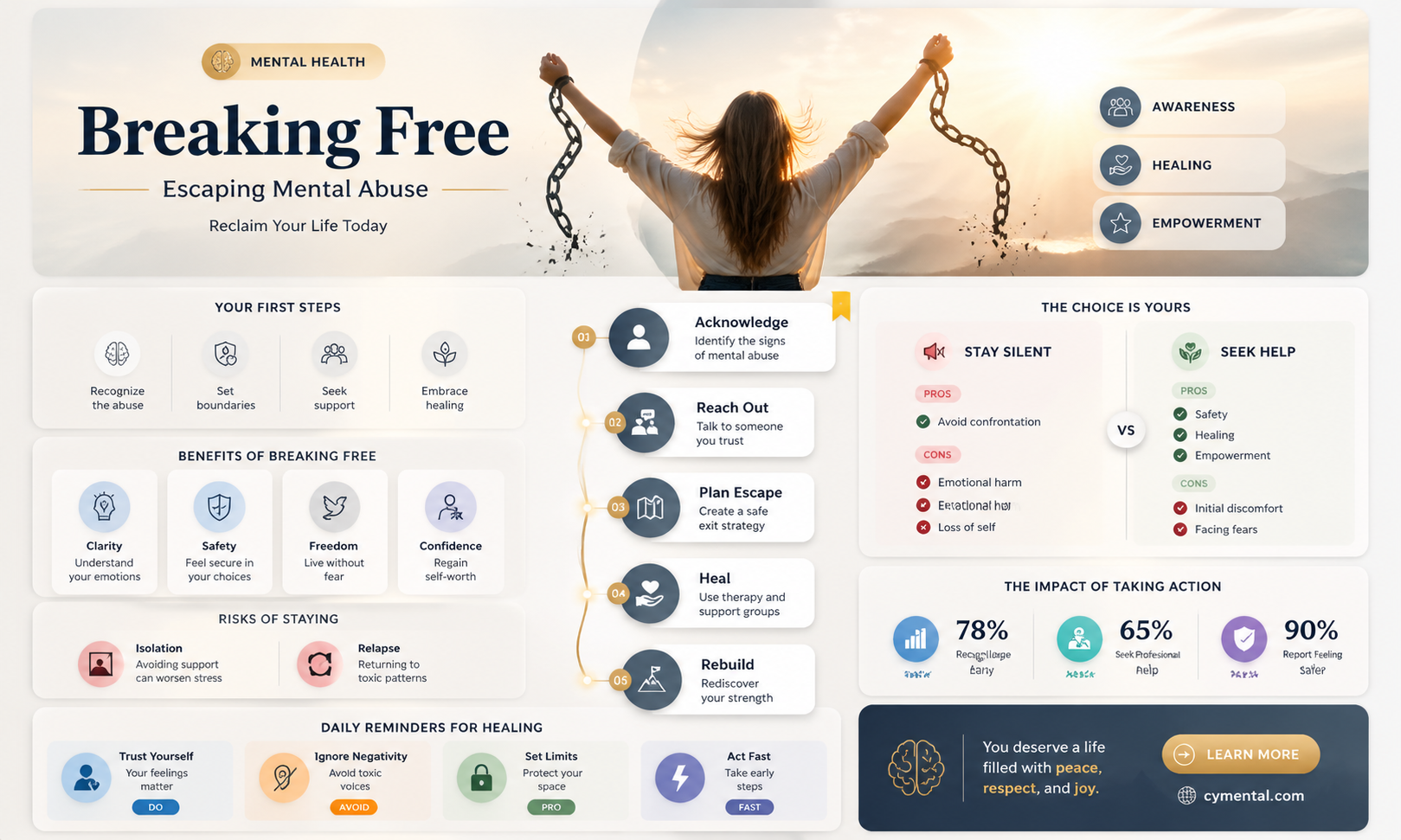
Mental abuse, also known as psychological abuse, is a form of domestic violence that can have profound and lasting effects on a person's emotional and psychological well-being. It often involves tactics such as manipulation, intimidation, and isolation, which can make it extremely challenging for the victim to recognize the abuse and seek help. One of the most difficult aspects of mental abuse is that it can be subtle and insidious, making it hard for others to detect and intervene. Victims may feel trapped and helpless, unsure of how to escape the abusive situation. In this context, the question of whether a person being mentally abused can get out of their house is a complex and sensitive one. It requires careful consideration of the various factors involved, including the victim's safety, their access to resources and support, and the potential legal and financial implications of leaving the abusive relationship. Ultimately, the decision to leave an abusive situation is a deeply personal one, and it is crucial that victims are provided with the necessary support and resources to make informed choices about their own lives and well-being.
What You'll Learn
- Recognizing Mental Abuse: Signs and symptoms to identify if someone is being mentally abused
- Seeking Help: Resources and steps for victims to reach out for assistance and support
- Safety Planning: Strategies to create a safe plan for leaving an abusive situation
- Legal Options: Understanding legal rights and protections available for victims of mental abuse
- Healing and Recovery: Methods and support systems to aid in the recovery process after leaving an abusive environment

Recognizing Mental Abuse: Signs and symptoms to identify if someone is being mentally abused
Recognizing mental abuse is crucial for helping victims escape harmful situations. One key sign is persistent belittling or humiliation, where the abuser constantly criticizes or mocks the victim, eroding their self-esteem. Another indicator is isolation, where the victim is prevented from seeing friends or family, or is monitored when they do. This can lead to feelings of loneliness and dependency on the abuser.
Victims of mental abuse may also exhibit changes in behavior, such as becoming withdrawn, anxious, or depressed. They might avoid social situations or activities they once enjoyed, due to fear of the abuser's reaction or control. Additionally, mental abuse can manifest as gaslighting, where the abuser manipulates the victim's perception of reality, making them question their own sanity or memory.
It's important to note that mental abuse can occur in any type of relationship, including romantic partnerships, friendships, or family dynamics. The abuser may use tactics like guilt-tripping, silent treatment, or emotional blackmail to maintain control. Victims may feel trapped and helpless, unsure of how to escape the situation.
If you suspect someone is being mentally abused, it's essential to approach the situation with sensitivity and support. Listen to their experiences without judgment, and validate their feelings. Encourage them to seek professional help, such as therapy or counseling, and offer to help them find resources or support groups. Remember that mental abuse is a serious issue that can have long-lasting effects on a person's mental health and well-being.
Navigating the Process: A Guide to Obtaining Conservatorship for the Mentally Ill
You may want to see also
Seeking Help: Resources and steps for victims to reach out for assistance and support
Victims of mental abuse often face significant challenges in seeking help, as the abuse can erode their sense of self-worth and autonomy. However, there are resources and steps available to assist them in reaching out for support. One crucial step is to recognize the signs of mental abuse, such as constant criticism, manipulation, and isolation. Once victims identify these behaviors, they can begin to seek help from trusted friends, family members, or mental health professionals.
Another important resource is the National Domestic Violence Hotline, which provides 24/7 support and can connect victims with local resources and shelters. Victims can also reach out to their healthcare provider, who can offer guidance and referrals to mental health services. Additionally, many communities have support groups specifically for victims of mental abuse, which can provide a safe space to share experiences and receive emotional support.
In some cases, victims may need to take legal action to protect themselves from their abuser. This can include obtaining a restraining order or filing charges against the abuser. Victims should consult with a legal professional to understand their options and the best course of action for their situation.
It's essential for victims to prioritize their safety when seeking help. This may involve creating a safety plan, which includes identifying safe places to go, having a packed bag ready, and keeping important documents and belongings in a secure location. Victims should also be cautious when using technology, as abusers may use it to track their movements or communications.
Ultimately, seeking help is a brave and crucial step towards healing and regaining control of one's life. Victims should remember that they are not alone and that there are resources and support available to assist them in their journey towards recovery.
Exploring Options: Where to Obtain Brain Scans for Mental Health Assessments
You may want to see also
Safety Planning: Strategies to create a safe plan for leaving an abusive situation
Creating a safety plan is a critical step for individuals experiencing mental abuse, as it provides a structured approach to leaving an abusive situation safely. The first step in developing such a plan is to identify a safe place to go, such as a friend's house, family member's residence, or a local shelter. It's essential to choose a location where the abuser is unlikely to find you and where you can access necessary resources like food, clothing, and medical care.
Once a safe destination is identified, the next step is to establish a communication plan. This involves setting up a secure means of communication, such as a prepaid phone or a messaging app that can be accessed without the abuser's knowledge. It's also important to inform trusted friends or family members about your plan and provide them with contact information for emergency situations.
Financial planning is another crucial aspect of safety planning. Individuals should try to save money and important documents, such as identification, social security cards, and bank statements, in a secure location that the abuser cannot access. If possible, it's also advisable to open a separate bank account in your own name to ensure financial independence.
In addition to these practical steps, emotional support is vital during the safety planning process. Reaching out to a therapist, counselor, or support group can provide valuable guidance and encouragement. It's also important to document the abuse, including dates, times, and details of incidents, as this can be helpful in seeking legal protection or filing for a restraining order.
Finally, it's essential to practice self-care during this challenging time. This includes taking care of your physical health by eating well, exercising, and getting enough sleep, as well as prioritizing your emotional well-being by engaging in activities that bring you joy and relaxation. Remember, leaving an abusive situation is a process, and it's important to be patient and compassionate with yourself as you work towards a safer, more fulfilling life.
Expanding Horizons: Mental Health Counselors and Testing Certification
You may want to see also
Legal Options: Understanding legal rights and protections available for victims of mental abuse
Victims of mental abuse often face a complex web of legal options and protections. Understanding these can be crucial in helping them navigate the process of leaving an abusive situation. One key legal protection is the right to file a restraining order, which can provide a victim with a legal barrier against further abuse. This order can include provisions that prevent the abuser from contacting the victim, entering their home, or coming near their workplace or other frequented locations.
Another important legal option is the ability to seek custody of children. In cases where mental abuse has occurred, the victim may need to prove to the court that they are the better parent to have custody. This can involve presenting evidence of the abuse, as well as demonstrating their ability to provide a stable and nurturing environment for the children.
Victims of mental abuse may also be eligible for financial assistance. This can include spousal support, child support, and even compensation for damages caused by the abuse. In some cases, victims may also be able to sue their abuser for intentional infliction of emotional distress or other legal claims.
It's important for victims to understand that they have the right to legal representation. An experienced attorney can help guide them through the legal process, ensuring that their rights are protected and that they receive the support and compensation they deserve.
Finally, victims should be aware of the resources available to them. Local domestic violence shelters, support groups, and legal aid organizations can provide valuable assistance and guidance. These resources can help victims understand their legal options, develop a safety plan, and connect with the support they need to rebuild their lives.
Unlocking Mental Health Certification: Your Guide to Getting Started
You may want to see also
Healing and Recovery: Methods and support systems to aid in the recovery process after leaving an abusive environment
Leaving an abusive environment is a significant step towards healing and recovery, but the journey doesn't end there. Rebuilding one's life after such trauma requires a multifaceted approach that addresses both the psychological and practical aspects of recovery. Here are some methods and support systems that can aid individuals in this process:
- Seek Professional Help: Engaging with a therapist or counselor who specializes in trauma can provide a safe space to process experiences and develop coping strategies. Cognitive Behavioral Therapy (CBT) and Eye Movement Desensitization and Reprocessing (EMDR) are effective therapeutic techniques for addressing trauma.
- Build a Support Network: Connecting with friends, family, or support groups can offer emotional support and help combat feelings of isolation. Joining a support group specifically for survivors of abuse can provide a sense of community and understanding from those who have experienced similar situations.
- Practice Self-Care: Prioritizing physical health through regular exercise, balanced nutrition, and adequate sleep is crucial. Mindfulness practices such as meditation, yoga, or deep-breathing exercises can help manage stress and anxiety. Engaging in hobbies and activities that bring joy can also contribute to emotional well-being.
- Address Practical Needs: Securing stable housing, employment, and financial resources is essential for long-term recovery. Organizations that assist survivors of abuse often provide resources for housing assistance, job training, and financial planning.
- Develop Healthy Coping Mechanisms: Learning to manage triggers and flashbacks is an important part of recovery. Techniques such as grounding exercises, journaling, or creative expression can help individuals process and cope with difficult emotions.
- Set Boundaries and Rebuild Self-Esteem: Establishing healthy boundaries in relationships and learning to assert oneself can help prevent future abuse. Rebuilding self-esteem through positive affirmations, setting achievable goals, and celebrating personal successes can empower survivors to take control of their lives.
Remember, healing and recovery are not linear processes. It's important to be patient and compassionate with oneself, acknowledging that setbacks are a natural part of the journey. With the right support and resources, individuals can overcome the effects of abuse and build a fulfilling life.
Overcoming Mental Hurdles in Tumbling: A Guide to Unblock Your Potential
You may want to see also
Frequently asked questions
Yes, a person who is mentally abused can leave their house. It is important to prioritize safety and well-being. Victims of mental abuse should seek support from friends, family, or professionals, and create a safety plan before leaving.
Signs of mental abuse include constant criticism, belittling, gaslighting, manipulation, isolation from friends and family, and threats or intimidation. Victims may also experience anxiety, depression, or feelings of worthlessness.
To help a friend or family member who is mentally abused, listen to them without judgment, validate their feelings, and encourage them to seek professional help. Offer emotional support and help them create a safety plan if they decide to leave the abusive situation.
Victims of mental abuse can access resources such as domestic violence hotlines, counseling services, support groups, and legal aid. These resources can provide emotional support, safety planning, and assistance with legal matters.
Mental abuse is not always considered a crime on its own, but it can be part of a pattern of domestic violence or harassment, which are criminal offenses. Victims should consult with legal professionals to understand their rights and options for seeking justice.