Lucas Bennett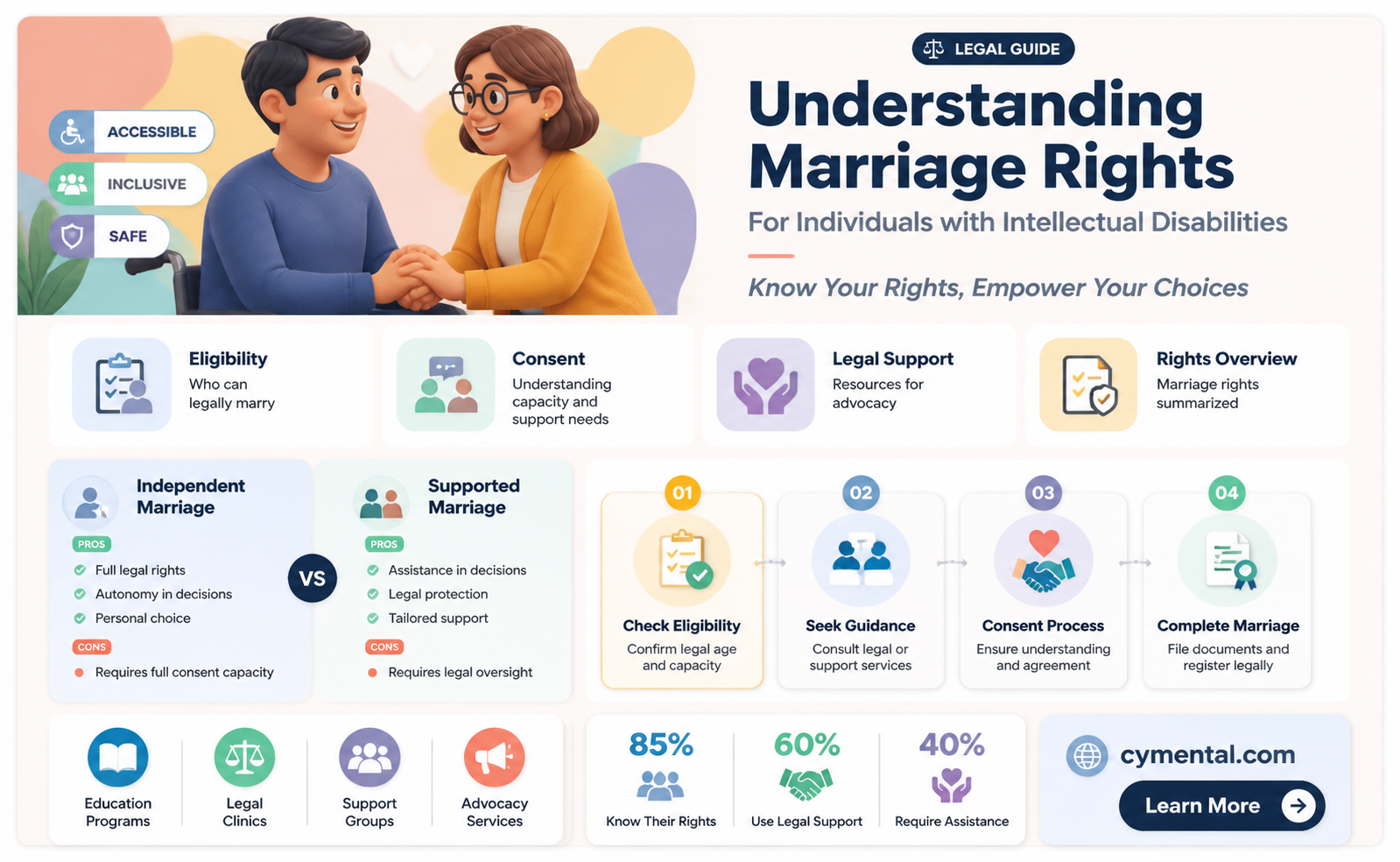
Marriage is a significant life decision that involves emotional, legal, and social considerations. When discussing the possibility of marriage for individuals with intellectual disabilities, it's essential to approach the topic with sensitivity and respect for their autonomy and rights. The question of whether a mentally retarded person can get married is complex and multifaceted, involving issues of capacity, consent, and societal attitudes towards disability. It's crucial to recognize that individuals with intellectual disabilities are entitled to the same rights and opportunities as anyone else, including the right to marry and form meaningful relationships. However, it's also important to consider the unique challenges and support needs that may arise in such situations, ensuring that all parties involved are fully informed and empowered to make decisions that align with their best interests and well-being.
Explore related products


What You'll Learn
- Legal Considerations: Discusses the legal rights and requirements for individuals with intellectual disabilities to marry
- Social and Emotional Aspects: Explores the social and emotional implications and support systems needed for successful marriages
- Capacity to Consent: Examines the ethical considerations and legal standards regarding consent in marriage for individuals with intellectual disabilities
- Support Services: Highlights available resources and support services for couples where one partner has an intellectual disability
- Personal Stories: Shares real-life experiences and testimonials from individuals with intellectual disabilities who have gotten married

Legal Considerations: Discusses the legal rights and requirements for individuals with intellectual disabilities to marry
Individuals with intellectual disabilities have the legal right to marry in many jurisdictions, but there are specific requirements and considerations that must be taken into account. One of the primary legal considerations is the capacity to consent to marriage. This means that the individual must be able to understand the nature and consequences of marriage, including the rights and responsibilities that come with it. In some cases, a court may determine that an individual with an intellectual disability does not have the capacity to consent to marriage, and therefore cannot legally marry.
Another legal consideration is the potential for guardianship or conservatorship. If an individual with an intellectual disability is under the care of a guardian or conservator, that person may have the authority to make decisions about the individual's marriage. This can include consenting to the marriage on behalf of the individual or even objecting to it if they believe it is not in the individual's best interests. It is important to note that the laws regarding guardianship and conservatorship vary by jurisdiction, and not all individuals with intellectual disabilities will have a guardian or conservator.
In addition to capacity and guardianship, there are other legal considerations that may come into play when an individual with an intellectual disability wishes to marry. For example, some jurisdictions may require that the individual undergo a medical examination or psychological evaluation to determine their fitness for marriage. Others may require that the individual's family or caregivers be involved in the decision-making process. It is important to consult with a legal professional who is familiar with the laws in your jurisdiction to understand the specific requirements and considerations that apply.
One unique angle to consider is the impact of marriage on government benefits. Individuals with intellectual disabilities may be eligible for certain government benefits, such as Supplemental Security Income (SSI) or Medicaid, which can be affected by their marital status. For example, if an individual with an intellectual disability marries someone who is not eligible for benefits, their own benefits may be reduced or terminated. It is important to understand how marriage may impact these benefits and to plan accordingly.
In conclusion, while individuals with intellectual disabilities have the legal right to marry in many jurisdictions, there are specific legal considerations that must be taken into account. These include capacity to consent, guardianship or conservatorship, and the potential impact on government benefits. It is important to consult with a legal professional to understand the specific requirements and considerations that apply in your jurisdiction.
Navigating Mental Health and Work: Your Guide to FMLA Eligibility
You may want to see also
Explore related products


Social and Emotional Aspects: Explores the social and emotional implications and support systems needed for successful marriages
Individuals with intellectual disabilities, including those who are mentally retarded, face unique social and emotional challenges when it comes to marriage. These challenges can stem from a variety of factors, including societal attitudes, communication difficulties, and the need for specialized support systems. It is crucial to recognize that successful marriages for individuals with intellectual disabilities require a deep understanding of these challenges and the implementation of tailored strategies to address them.
One of the primary social implications is the potential for isolation and stigma. Individuals with intellectual disabilities may struggle to find partners who understand and accept their conditions, leading to feelings of loneliness and exclusion. Additionally, they may face discrimination from family members, friends, and society at large, which can further exacerbate their emotional distress. To combat these issues, it is essential to foster inclusive social environments and provide opportunities for individuals with intellectual disabilities to meet and form relationships with others who share similar experiences.
Emotionally, individuals with intellectual disabilities may have difficulty expressing their feelings and needs, which can lead to misunderstandings and conflicts within a marriage. They may also require additional support in managing their emotions and developing healthy coping mechanisms. Couples therapy and counseling can be invaluable in helping partners communicate effectively and navigate the emotional complexities of their relationships. Furthermore, support groups and community resources can provide a sense of belonging and offer practical advice for managing daily challenges.
In terms of support systems, it is important to consider the role of family, friends, and professionals. A strong support network can help couples overcome obstacles and provide assistance with tasks such as household management, financial planning, and healthcare. Additionally, professionals such as social workers, therapists, and special education teachers can offer specialized guidance and resources to help couples build a successful life together.
Ultimately, the key to a successful marriage for individuals with intellectual disabilities lies in creating a supportive and understanding environment that addresses their unique social and emotional needs. By fostering inclusivity, providing access to resources, and promoting effective communication, we can help these individuals build strong, lasting relationships that enrich their lives and contribute to their overall well-being.
Prioritizing Mental Health: Strategies for Taking Time Off Work
You may want to see also
Explore related products


Capacity to Consent: Examines the ethical considerations and legal standards regarding consent in marriage for individuals with intellectual disabilities
Individuals with intellectual disabilities have the right to marry, but the capacity to consent is a critical factor in determining whether such a union can be legally recognized. Capacity to consent refers to an individual's ability to understand the nature and consequences of marriage, including the rights and responsibilities that come with it. In many jurisdictions, the legal standard for capacity to consent in marriage is higher than for other legal transactions, reflecting the profound personal and social implications of matrimony.
Ethical considerations surrounding consent in marriage for individuals with intellectual disabilities are complex. On one hand, it is essential to respect the autonomy and dignity of all individuals, including those with disabilities, by recognizing their right to make decisions about their personal lives. On the other hand, there is a need to protect vulnerable individuals from exploitation, abuse, or entering into agreements they do not fully comprehend. Balancing these considerations requires a nuanced approach that takes into account the specific circumstances of each case.
Legal standards for capacity to consent in marriage vary by jurisdiction, but most require that individuals demonstrate a basic understanding of the institution of marriage, the rights and responsibilities of spouses, and the ability to communicate their consent. In some cases, individuals with intellectual disabilities may be deemed to lack capacity to consent, and their marriage may be annulled or not recognized by law. However, many jurisdictions have moved towards a more inclusive approach, recognizing that individuals with disabilities can and do form meaningful relationships and should be afforded the same rights and protections as others.
In practice, assessing capacity to consent in marriage for individuals with intellectual disabilities can be challenging. It often involves a multidisciplinary approach, including input from medical professionals, psychologists, social workers, and legal experts. The assessment process may include interviews with the individual, observations of their interactions with others, and reviews of their medical and psychological history. The goal of this process is to determine whether the individual has the cognitive and emotional capacity to make an informed decision about marriage.
Ultimately, the question of capacity to consent in marriage for individuals with intellectual disabilities is a complex and sensitive issue that requires careful consideration of ethical, legal, and practical factors. By approaching this issue with sensitivity and respect for the rights and dignity of all individuals, we can work towards creating a more inclusive and equitable society.
Navigating the Complex Process: Helping Mentally Ill Individuals Leave Jail
You may want to see also
Explore related products


Support Services: Highlights available resources and support services for couples where one partner has an intellectual disability
Navigating the journey of marriage and partnership can be uniquely challenging for couples where one partner has an intellectual disability. Fortunately, there are a variety of support services and resources available to help these couples thrive. From counseling services tailored to their specific needs to educational programs that empower both partners, these resources aim to foster healthy, supportive relationships.
One key resource is specialized relationship counseling. These services provide a safe space for couples to discuss their feelings, challenges, and goals with a trained professional who understands the unique dynamics of their relationship. Counselors can help couples develop communication strategies, navigate conflict resolution, and plan for their future together.
In addition to counseling, there are also educational programs designed to support couples in building strong foundations for their relationships. These programs often cover topics such as financial planning, household management, and parenting skills. By providing both partners with the knowledge and tools they need to succeed, these programs can help level the playing field and reduce stress in the relationship.
Another important support service is respite care. Caring for a partner with an intellectual disability can be physically and emotionally demanding, and respite care provides a much-needed break for caregivers. This can include temporary housing, personal care assistance, and recreational activities for the partner with the disability, allowing the caregiver to recharge and maintain their own well-being.
Finally, advocacy and support groups can play a crucial role in helping couples navigate the complexities of marriage and partnership. These groups provide a platform for couples to connect with others who share their experiences, share resources and information, and advocate for their rights and needs. By building a strong support network, couples can feel more confident and empowered in their relationship.
In conclusion, while there are unique challenges faced by couples where one partner has an intellectual disability, there are also a wealth of resources and support services available to help them overcome these challenges and build strong, fulfilling relationships. By leveraging these resources, couples can navigate their journey together with greater ease and confidence.
Finding Support: A Guide to Resources and Assistance
You may want to see also
Explore related products



Personal Stories: Shares real-life experiences and testimonials from individuals with intellectual disabilities who have gotten married
Sarah and John's wedding day was filled with joy and celebration. Despite the challenges they faced due to their intellectual disabilities, they had found love and were determined to start their life together. Their families and friends gathered to support them, and the ceremony was tailored to their needs, ensuring they could participate fully and comfortably.
For many individuals with intellectual disabilities, marriage can be a significant milestone, symbolizing independence, love, and commitment. However, it also comes with unique challenges, such as navigating legal requirements, understanding marital responsibilities, and managing daily life together. Sarah and John's story is one of triumph over these obstacles, showcasing the importance of support systems and tailored resources.
Organizations like the National Association for the Mentally Ill (NAMI) and the Arc of the United States provide valuable guidance and support for individuals with intellectual disabilities who are considering marriage. They offer workshops, counseling, and resources to help couples understand their rights, responsibilities, and options. Additionally, many states have laws and programs in place to support individuals with disabilities in their marital endeavors.
One key aspect of successful marriages for individuals with intellectual disabilities is the involvement of a strong support network. This can include family members, friends, caregivers, and professionals who can offer assistance and guidance as needed. In Sarah and John's case, their families played a crucial role in helping them navigate the wedding planning process and adjust to married life.
As society becomes more inclusive and supportive of individuals with disabilities, stories like Sarah and John's become more common. Their marriage is a testament to the power of love and determination, and it serves as an inspiration for others who may be facing similar challenges. By sharing their experiences and advocating for greater understanding and support, individuals with intellectual disabilities can continue to break down barriers and achieve their dreams of love and companionship.
Liberating Yourself: A Guide to Overcoming Mental Pain
You may want to see also
Frequently asked questions
The term "mentally retarded" is outdated and considered offensive. It's important to use respectful language when discussing individuals with intellectual disabilities. Regarding marriage, individuals with intellectual disabilities have the same rights to marry as anyone else, provided they have the capacity to consent and understand the nature of the marriage contract.
Legal considerations include ensuring that the individual has the capacity to consent to marriage, which may involve a court assessment. Additionally, there may be specific laws or requirements in different jurisdictions regarding the marriage of individuals with intellectual disabilities, such as the need for parental consent or the involvement of a legal guardian.
Support systems, including family, friends, and professionals, can play a crucial role in helping individuals with intellectual disabilities navigate the complexities of marriage. This can include providing education on relationships and marriage, offering emotional support, assisting with communication, and helping to develop strategies for managing daily life and responsibilities within the marriage.
There are various resources available, including counseling services, educational programs, and support groups specifically designed for individuals with intellectual disabilities and their partners. These resources can provide valuable information, guidance, and support throughout the process of considering and entering into marriage.