Ava Ramirez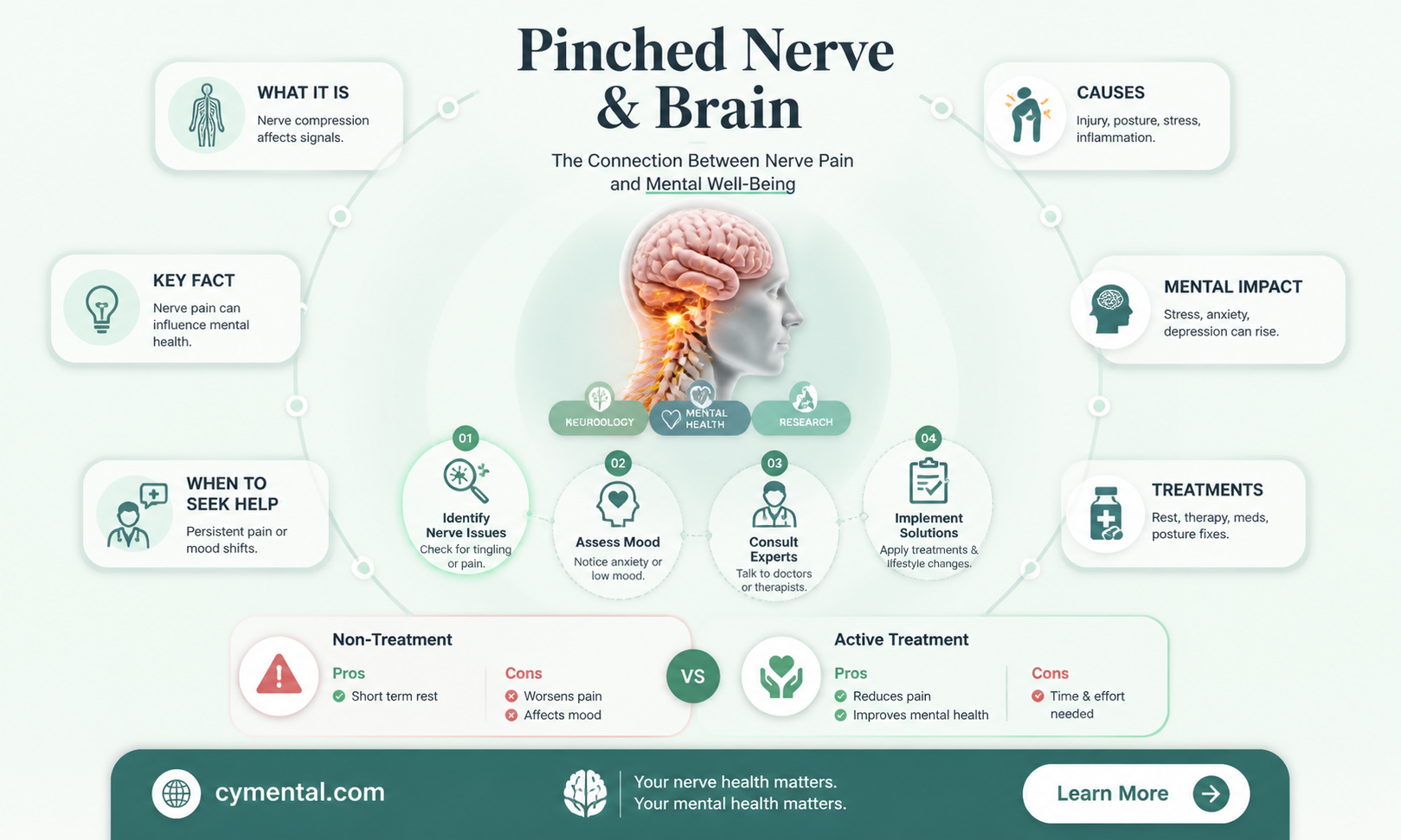
A pinched nerve, also known as nerve compression, occurs when a nerve is pressed or squeezed by surrounding tissues, such as bones, cartilage, muscles, or tendons. This condition can lead to a range of physical symptoms, including pain, numbness, tingling, and weakness in the affected area. However, recent research has also explored the potential link between pinched nerves and mental health issues. Studies suggest that nerve compression may contribute to the development of mental problems, such as anxiety, depression, and cognitive impairment. This connection is thought to be due to the disruption of nerve signals, which can impact the brain's ability to regulate emotions and process information. While more research is needed to fully understand the relationship between pinched nerves and mental health, it is clear that addressing nerve compression can have a positive impact on both physical and emotional well-being.
Explore related products


What You'll Learn
- Physical Symptoms: Numbness, tingling, weakness, and pain in the affected area
- Mental Health Impact: Anxiety, depression, and stress due to chronic pain
- Diagnosis: Medical tests to identify the location and cause of the pinched nerve
- Treatment Options: Physical therapy, medication, and surgery to alleviate symptoms
- Prevention: Lifestyle changes and exercises to reduce the risk of nerve compression

Physical Symptoms: Numbness, tingling, weakness, and pain in the affected area
Numbness, tingling, weakness, and pain are common physical symptoms associated with a pinched nerve. These sensations typically occur in the area where the nerve is compressed or irritated. For instance, if the pinched nerve is in the neck, symptoms may radiate down the arm, while a pinched nerve in the lower back might cause discomfort in the legs.
The severity of these symptoms can vary widely from person to person. Some individuals may experience only mild tingling or occasional numbness, while others might suffer from chronic pain and significant weakness. These physical symptoms can be debilitating, affecting a person's ability to perform daily tasks and impacting their overall quality of life.
It's important to note that while these physical symptoms are often the most noticeable signs of a pinched nerve, they can sometimes be accompanied by mental health issues. Anxiety and depression, for example, can develop as a result of chronic pain and the limitations it imposes. However, it's crucial to distinguish between the physical symptoms of a pinched nerve and mental health conditions, as they require different approaches to treatment and management.
In terms of diagnosis, a healthcare professional will typically conduct a physical examination and review the patient's medical history to identify the cause of the symptoms. Imaging tests, such as X-rays or MRIs, may be ordered to confirm the presence of a pinched nerve and determine its location. Treatment options can include physical therapy, medication, and in some cases, surgery to relieve the pressure on the nerve.
Preventative measures are also important in managing and avoiding the physical symptoms of a pinched nerve. Maintaining good posture, taking regular breaks to stretch and move around, and engaging in exercises that strengthen the muscles supporting the spine can all help reduce the risk of developing a pinched nerve. Additionally, being mindful of repetitive motions and avoiding activities that put undue stress on the body can further minimize the likelihood of experiencing these symptoms.
Unraveling the Complexities: Do Mental Health Medications Address the Root Cause?
You may want to see also
Explore related products


Mental Health Impact: Anxiety, depression, and stress due to chronic pain
Chronic pain, such as that caused by a pinched nerve, can have a profound impact on mental health. The persistent discomfort and limitations on daily activities can lead to feelings of anxiety and depression. Stress levels may also increase as individuals struggle to cope with the ongoing pain and its effects on their lives.
Anxiety often manifests as excessive worry or fear, which can be debilitating in the context of chronic pain. Individuals may become anxious about their ability to perform tasks, maintain relationships, or manage their pain effectively. This anxiety can further exacerbate the perception of pain, creating a vicious cycle that is difficult to break.
Depression is another common mental health issue associated with chronic pain. The constant discomfort and limitations can lead to feelings of hopelessness and despair. Individuals may lose interest in activities they once enjoyed, experience changes in appetite or sleep patterns, and have difficulty concentrating or making decisions. These symptoms can significantly impact overall quality of life and may even lead to suicidal thoughts in severe cases.
Stress is an inevitable part of life, but chronic pain can amplify its effects. The body's stress response, which includes the release of hormones like cortisol, can contribute to inflammation and worsen pain symptoms. This can lead to a heightened state of stress, making it more challenging to manage both the physical and emotional aspects of chronic pain.
Coping strategies are essential for individuals dealing with chronic pain and its mental health impacts. Techniques such as mindfulness meditation, deep breathing exercises, and progressive muscle relaxation can help reduce stress and anxiety. Engaging in regular physical activity, maintaining a healthy diet, and getting adequate sleep are also important for overall well-being. In some cases, therapy or medication may be necessary to manage mental health symptoms effectively.
It is crucial for individuals experiencing chronic pain to recognize the potential mental health impacts and seek appropriate support. By addressing both the physical and emotional aspects of chronic pain, it is possible to improve overall quality of life and regain a sense of control and well-being.
Exploring the Long-Term Effects of Mental Breakdowns: Can They Cause Permanent Damage?
You may want to see also
Explore related products


Diagnosis: Medical tests to identify the location and cause of the pinched nerve
To diagnose a pinched nerve, healthcare professionals employ a variety of medical tests to pinpoint the exact location and underlying cause of the condition. The diagnostic process typically begins with a thorough physical examination, during which the doctor will assess the patient's range of motion, muscle strength, and reflexes. This initial evaluation helps to identify the affected nerve and determine the severity of the compression.
Imaging studies, such as X-rays, MRI scans, and CT scans, are often utilized to provide a more detailed view of the spine and surrounding structures. These tests can reveal herniated discs, bone spurs, or other abnormalities that may be contributing to the nerve compression. In some cases, a nerve conduction study (NCS) may be performed to measure the electrical activity of the affected nerve and assess its function.
Blood tests can also play a role in diagnosing a pinched nerve, as they can help to rule out other conditions that may be causing similar symptoms, such as diabetes or vitamin deficiencies. Additionally, a doctor may perform a differential diagnosis, comparing the patient's symptoms to those of other conditions that affect the nervous system, to ensure an accurate diagnosis.
Once the location and cause of the pinched nerve have been identified, the healthcare professional can develop an appropriate treatment plan. This may include physical therapy, medication, or in some cases, surgery to relieve the pressure on the affected nerve. Early diagnosis and treatment are crucial in preventing long-term damage to the nerve and promoting a full recovery.
Understanding Mental Health: Can a Breakdown Lead to Physical Collapse?
You may want to see also
Explore related products


Treatment Options: Physical therapy, medication, and surgery to alleviate symptoms
Physical therapy is often the first line of treatment for a pinched nerve, as it can help to relieve pressure on the affected nerve and improve overall function. A physical therapist may use a variety of techniques, including gentle stretching, strengthening exercises, and manual therapy, to help reduce symptoms and promote healing. In some cases, a therapist may also recommend the use of heat or cold therapy, ultrasound, or electrical stimulation to further alleviate pain and inflammation.
Medication can also be an effective treatment option for a pinched nerve, particularly in cases where pain and inflammation are severe. Over-the-counter pain relievers, such as ibuprofen or acetaminophen, may be sufficient for mild cases, while prescription medications, such as muscle relaxants or nerve pain medications, may be necessary for more severe symptoms. It is important to note that medication should always be used under the guidance of a healthcare professional, as there can be potential side effects and interactions with other medications.
In some cases, surgery may be necessary to alleviate symptoms of a pinched nerve, particularly if other treatment options have been unsuccessful or if the nerve compression is severe. The type of surgery will depend on the location and severity of the nerve compression, but common procedures include foraminotomy, laminectomy, and discectomy. These surgeries can be performed using traditional open techniques or minimally invasive methods, such as endoscopic or robotic-assisted surgery. It is important to discuss the potential risks and benefits of surgery with a healthcare professional to determine if it is the right option for you.
Understanding Mental Retardation: Causes and Prevention Strategies
You may want to see also
Explore related products


Prevention: Lifestyle changes and exercises to reduce the risk of nerve compression
Maintaining a healthy weight is crucial in preventing nerve compression. Excess weight can put additional pressure on nerves, particularly in the spine and neck areas. Engaging in regular cardiovascular exercises such as walking, swimming, or cycling can help in managing weight and reducing the risk of nerve compression. It's recommended to aim for at least 30 minutes of moderate-intensity exercise most days of the week.
Improving posture is another effective way to reduce the risk of nerve compression. Poor posture can lead to misalignment of the spine, causing pressure on the nerves. Practicing good posture involves sitting and standing up straight, keeping the shoulders relaxed, and avoiding slouching. Using ergonomic furniture and taking regular breaks to stretch can also help in maintaining proper posture throughout the day.
Strengthening the muscles around the spine and neck can provide additional support and reduce the likelihood of nerve compression. Exercises such as neck stretches, shoulder rolls, and core strengthening exercises can be beneficial. It's important to start with gentle exercises and gradually increase the intensity to avoid further injury. Consulting with a physical therapist or a healthcare professional can provide personalized exercise recommendations based on individual needs and conditions.
Incorporating flexibility exercises into a daily routine can also help in preventing nerve compression. Activities such as yoga, Pilates, or tai chi can improve flexibility and reduce muscle tension, which can alleviate pressure on the nerves. These exercises also promote relaxation and stress reduction, which can have a positive impact on overall mental health.
Lastly, making dietary changes can contribute to preventing nerve compression. Consuming a diet rich in fruits, vegetables, whole grains, and lean proteins can provide essential nutrients that support nerve health. Avoiding processed foods, sugary drinks, and excessive alcohol consumption can help in maintaining a healthy weight and reducing inflammation, which can contribute to nerve compression. Staying hydrated by drinking plenty of water is also important for overall health and nerve function.
The Troubling Link Between Public Schools and Mental Health Crises
You may want to see also
Frequently asked questions
While a pinched nerve can cause significant physical discomfort and pain, there is no direct evidence to suggest that it can cause mental problems. Mental health issues are complex and multifaceted, often resulting from a combination of biological, psychological, and environmental factors.
Common symptoms of a pinched nerve include sharp or aching pain, numbness, tingling, or weakness in the affected area. These symptoms can vary depending on the location and severity of the nerve compression.
Alleviating the symptoms of a pinched nerve often involves a combination of rest, physical therapy, and pain management techniques. Applying ice or heat to the affected area, practicing gentle stretches, and taking over-the-counter pain relievers can help reduce discomfort. In more severe cases, medical intervention such as steroid injections or surgery may be necessary.