Noah Parker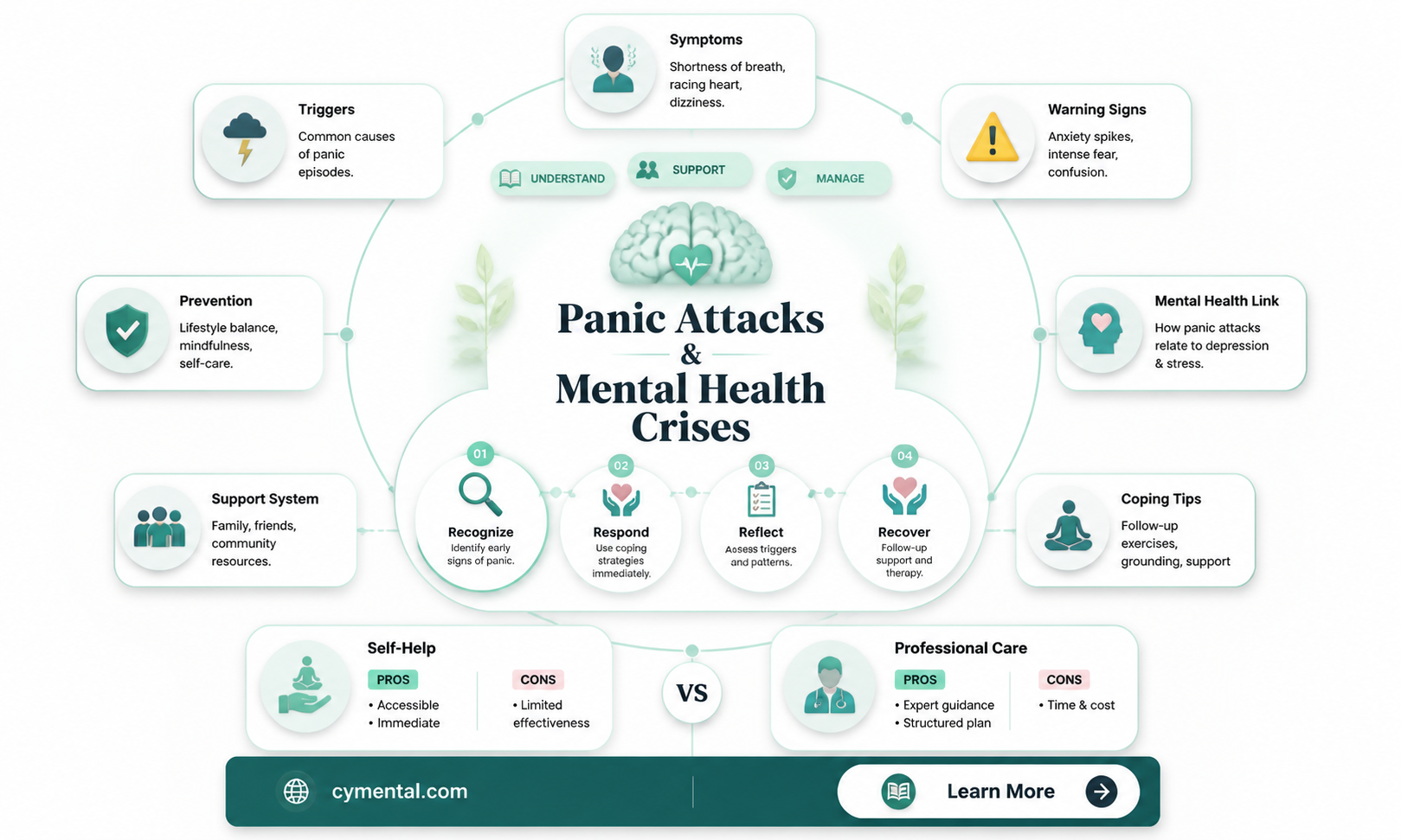
Panic attacks are intense episodes of fear or anxiety that can be overwhelming and debilitating. They often manifest with physical symptoms such as rapid heartbeat, shortness of breath, and trembling. While panic attacks themselves are not a sign of a mental breakdown, they can be a symptom of underlying mental health conditions such as panic disorder or anxiety disorders. Repeated and severe panic attacks can significantly impact a person's quality of life, leading to avoidance behaviors and a constant state of heightened alertness. In some cases, if left untreated, the cumulative stress of panic attacks could potentially contribute to a mental breakdown, where an individual may experience a loss of connection with reality or an inability to function in daily life. Therefore, it is crucial to seek professional help if panic attacks are frequent or severe to prevent any potential escalation of mental health issues.
| Characteristics | Values |
|---|---|
| Definition | A panic attack is a sudden episode of intense fear or anxiety that can cause physical and emotional symptoms, while a mental breakdown is a term used to describe a period of severe mental distress that can impair daily functioning. |
| Symptoms of Panic Attack | Racing heartbeat, sweating, trembling, shortness of breath, chest pain, nausea, dizziness, fear of dying or losing control. |
| Symptoms of Mental Breakdown | Extreme anxiety, depression, mood swings, disorientation, paranoia, hallucinations, inability to concentrate, sleep disturbances, appetite changes, social withdrawal. |
| Can a Panic Attack Cause a Mental Breakdown? | While a panic attack can be a symptom of an underlying mental health condition that may lead to a mental breakdown, it is not a direct cause. However, repeated panic attacks can contribute to the development of anxiety disorders, which can increase the risk of a mental breakdown. |
| Risk Factors for Panic Attacks | Genetics, brain chemistry, stress, trauma, medical conditions, substance abuse, family history of anxiety disorders. |
| Risk Factors for Mental Breakdown | Genetics, brain chemistry, stress, trauma, medical conditions, substance abuse, family history of mental illness, social isolation, poverty, unemployment. |
| Diagnosis of Panic Attack | Diagnosed by a healthcare professional based on symptoms and medical history. May involve physical exams, blood tests, and psychological evaluations. |
| Diagnosis of Mental Breakdown | Diagnosed by a mental health professional based on symptoms, medical history, and psychological evaluations. May involve interviews with family and friends. |
| Treatment for Panic Attacks | Cognitive-behavioral therapy (CBT), medication (such as SSRIs or benzodiazepines), relaxation techniques, lifestyle changes. |
| Treatment for Mental Breakdown | Medication (such as antipsychotics or antidepressants), psychotherapy, hospitalization, support groups, lifestyle changes. |
| Prognosis for Panic Attacks | With proper treatment, most people with panic attacks can experience significant improvement in symptoms and quality of life. |
| Prognosis for Mental Breakdown | The prognosis varies depending on the underlying cause and severity of symptoms. With proper treatment, many people can recover and lead fulfilling lives. |
| Prevention of Panic Attacks | Practice stress management techniques, maintain a healthy lifestyle, seek support from friends and family, consider therapy or counseling. |
| Prevention of Mental Breakdown | Practice stress management techniques, maintain a healthy lifestyle, seek support from friends and family, consider therapy or counseling, address underlying mental health conditions. |
Explore related products

$7 $7


What You'll Learn
- Definition and Symptoms: Understanding panic attacks and their manifestations, including physical and emotional symptoms
- Triggers and Causes: Exploring common triggers of panic attacks, such as stress, trauma, and underlying mental health conditions
- Impact on Mental Health: Discussing how frequent panic attacks can affect overall mental well-being and daily functioning
- Treatment and Management: Overview of therapeutic approaches, medications, and self-help strategies for managing panic attacks
- Preventing Escalation: Tips and techniques to prevent panic attacks from worsening or leading to a mental breakdown

Definition and Symptoms: Understanding panic attacks and their manifestations, including physical and emotional symptoms
Panic attacks are sudden episodes of intense fear or anxiety that can manifest both physically and emotionally. They often occur without warning and can be triggered by various factors, including stress, trauma, or even seemingly innocuous situations. Understanding the definition and symptoms of panic attacks is crucial for recognizing and managing them effectively.
Physically, panic attacks can cause a range of symptoms that may include rapid heartbeat, shortness of breath, trembling, sweating, nausea, and dizziness. These symptoms can be overwhelming and may lead individuals to believe they are experiencing a medical emergency, such as a heart attack. Emotionally, panic attacks are characterized by feelings of extreme fear, helplessness, and a sense of impending doom. Individuals may also experience detachment from reality, feeling as though they are observing themselves from outside their body.
It is important to note that panic attacks can vary in intensity and duration, with some lasting only a few minutes while others can persist for hours. The frequency of panic attacks can also differ, with some individuals experiencing them rarely and others having them more frequently. Recognizing the symptoms of panic attacks is the first step in seeking appropriate treatment and support.
In the context of whether a panic attack can cause a mental breakdown, it is essential to understand that while panic attacks themselves are not a mental breakdown, they can contribute to the development of mental health issues if left untreated. Repeated panic attacks can lead to a cycle of fear and avoidance, which can significantly impact an individual's quality of life and overall mental well-being. Seeking professional help and implementing coping strategies can help break this cycle and prevent the escalation of panic attacks into more severe mental health conditions.
Unraveling the Link: Mental Illness and Pathological Lying Explored
You may want to see also
Explore related products


Triggers and Causes: Exploring common triggers of panic attacks, such as stress, trauma, and underlying mental health conditions
Panic attacks can be triggered by a variety of factors, each unique to the individual experiencing them. One of the most common triggers is stress, which can manifest in various forms such as work-related pressures, personal conflicts, or significant life changes. When stress levels become overwhelming, the body's fight-or-flight response can be activated, leading to the physical and emotional symptoms characteristic of a panic attack.
Trauma is another significant trigger for panic attacks. Traumatic events, whether recent or past, can leave a lasting impact on an individual's mental health. The brain may associate certain stimuli or situations with the traumatic event, leading to a heightened state of alertness and fear. This can result in panic attacks when the individual is exposed to these triggers.
Underlying mental health conditions can also contribute to the occurrence of panic attacks. Disorders such as generalized anxiety disorder, post-traumatic stress disorder (PTSD), and depression can increase the likelihood of experiencing panic attacks. These conditions often involve heightened levels of anxiety and fear, which can escalate into full-blown panic attacks under certain circumstances.
It is important to note that panic attacks are not a sign of weakness or a lack of control. They are a legitimate mental health concern that can be effectively managed with the right treatment and support. Understanding the triggers and causes of panic attacks is a crucial step in developing strategies to prevent and cope with them.
In conclusion, panic attacks can be triggered by a range of factors, including stress, trauma, and underlying mental health conditions. By recognizing these triggers and seeking appropriate help, individuals can learn to manage their symptoms and improve their overall well-being.
Exploring the Link: Type 2 Diabetes and Mental Health
You may want to see also
Explore related products


Impact on Mental Health: Discussing how frequent panic attacks can affect overall mental well-being and daily functioning
Frequent panic attacks can have a profound impact on an individual's mental health, significantly affecting their overall well-being and daily functioning. One of the primary ways in which panic attacks influence mental health is through the development of anxiety disorders. Repeated episodes of panic can lead to a heightened state of anxiety, causing individuals to become increasingly vigilant and fearful of future attacks. This can result in a cycle of anxiety and avoidance behaviors, which can severely limit a person's ability to engage in everyday activities and social interactions.
Moreover, the physical symptoms associated with panic attacks, such as rapid heartbeat, shortness of breath, and trembling, can contribute to a sense of bodily discomfort and distress. Over time, this can lead to somatic symptoms and chronic pain, further exacerbating the individual's mental health struggles. The emotional toll of panic attacks should not be underestimated, as they can lead to feelings of shame, guilt, and helplessness, which can erode self-esteem and self-confidence.
In addition to these psychological effects, frequent panic attacks can also impact cognitive functioning. Individuals may experience difficulties with concentration, memory, and decision-making, which can affect their performance at work or school. The constant fear of having another panic attack can also lead to hypervigilance, making it challenging to focus on tasks and engage in meaningful activities.
The social implications of frequent panic attacks are another critical aspect to consider. Avoidance behaviors can lead to social isolation, as individuals may withdraw from social situations to prevent potential panic attacks. This can result in a loss of social support and increased feelings of loneliness and depression. Furthermore, the stigma associated with mental health issues can contribute to a sense of shame and embarrassment, making it difficult for individuals to seek help and support from others.
In conclusion, the impact of frequent panic attacks on mental health is multifaceted, affecting emotional, cognitive, and social well-being. It is essential to recognize the signs and symptoms of panic attacks and seek professional help to prevent the development of more severe mental health issues. With proper treatment and support, individuals can learn to manage their panic attacks and improve their overall quality of life.
The Surprising Link Between Dental Health and Mental Well-being
You may want to see also
Explore related products


Treatment and Management: Overview of therapeutic approaches, medications, and self-help strategies for managing panic attacks
Cognitive Behavioral Therapy (CBT) is a frontline therapeutic approach for managing panic attacks. It involves working with a therapist to identify and challenge negative thought patterns that contribute to panic. Through CBT, individuals learn to recognize the physical sensations associated with panic and develop coping strategies to manage these symptoms. This might include breathing exercises, progressive muscle relaxation, and visualization techniques. CBT is often a short-term treatment, typically lasting 12 to 20 sessions, and has been shown to be highly effective in reducing the frequency and severity of panic attacks.
Medications can also play a crucial role in the management of panic attacks. Selective Serotonin Reuptake Inhibitors (SSRIs) and Benzodiazepines are commonly prescribed. SSRIs, such as fluoxetine and sertraline, work by increasing the levels of serotonin in the brain, which can help to regulate mood and reduce anxiety. Benzodiazepines, like alprazolam and clonazepam, act quickly to reduce anxiety symptoms but are typically used for short-term relief due to the risk of dependence. It's important for individuals to work closely with their healthcare provider to determine the most appropriate medication and dosage for their specific needs.
Self-help strategies can complement professional treatment and provide individuals with tools to manage panic attacks in their daily lives. Keeping a panic diary can help identify triggers and patterns, allowing individuals to anticipate and prepare for potential attacks. Regular exercise, a balanced diet, and adequate sleep are also essential for maintaining overall mental health and reducing the likelihood of panic attacks. Mindfulness practices, such as meditation and yoga, can help individuals stay grounded and focused, reducing the impact of panic symptoms.
In addition to these strategies, it's crucial for individuals experiencing panic attacks to build a strong support network. Connecting with friends and family can provide emotional support and help reduce feelings of isolation. Support groups, both in-person and online, can also be beneficial, offering a space to share experiences and learn from others who are managing similar challenges.
Overall, a comprehensive approach to managing panic attacks often involves a combination of therapy, medication, and self-help strategies. By working with healthcare professionals and taking an active role in their treatment, individuals can learn to effectively manage their symptoms and improve their quality of life.
Exploring the Link: Head Injuries and Mental Health Concerns
You may want to see also
Explore related products


Preventing Escalation: Tips and techniques to prevent panic attacks from worsening or leading to a mental breakdown
Recognizing the early signs of panic attack escalation is crucial in preventing a potential mental breakdown. One effective technique is to monitor your body's physiological responses during an attack. For instance, if you notice your heart rate accelerating rapidly, your breathing becoming shallow, or your muscles tensing up, these could be indicators that the attack is intensifying. By being aware of these physical manifestations, you can intervene early and employ calming techniques such as deep breathing exercises or progressive muscle relaxation to mitigate the attack's severity.
Another strategy to prevent escalation is to address the underlying triggers of your panic attacks. This may involve identifying specific situations, thoughts, or emotions that precede the onset of an attack. Once you've pinpointed these triggers, you can develop coping mechanisms or avoidance strategies to minimize exposure to them. For example, if you find that crowded places trigger your attacks, you might consider planning your outings during less busy times or finding alternative routes to avoid congested areas.
Cognitive restructuring is a powerful tool in managing panic attacks and preventing their escalation. This technique involves challenging and reframing negative thought patterns that contribute to the attack's intensity. For instance, if you find yourself thinking, "I'm going to lose control," you can counter this thought with a more rational one, such as, "I've experienced panic attacks before and I've always regained control." By actively engaging with and modifying your thought processes, you can reduce the likelihood of an attack spiraling out of control.
Seeking professional help is also essential in preventing panic attack escalation. A mental health professional can provide you with personalized guidance, support, and evidence-based treatments such as cognitive-behavioral therapy (CBT) or medication. Additionally, they can help you develop a crisis plan, which outlines specific steps to take during an attack to prevent it from worsening. This plan might include emergency contact information, relaxation techniques, or instructions for self-care.
Lastly, it's important to prioritize self-care and stress management in your daily life to reduce the overall likelihood of panic attack escalation. This can involve engaging in regular physical activity, practicing mindfulness meditation, maintaining a balanced diet, and ensuring adequate sleep. By taking proactive steps to manage your stress levels and promote overall well-being, you can create a more resilient mental state that's better equipped to handle the challenges of panic attacks.
Unraveling the Link: Mental Illness and Anger Outbursts Explained
You may want to see also
Frequently asked questions
While a panic attack can be an intense and overwhelming experience, it is generally not the direct cause of a mental breakdown. However, frequent and severe panic attacks can contribute to the development of mental health issues such as anxiety disorders, depression, or even psychosis in some cases. It's important to seek professional help if you're experiencing recurring panic attacks or other concerning symptoms.
Common symptoms of a panic attack include a sudden onset of intense fear or anxiety, rapid heartbeat, shortness of breath, trembling or shaking, sweating, nausea, dizziness, and feelings of detachment from reality. These symptoms can vary from person to person and may not always be present during every panic attack.
A panic attack is typically a short-lived episode of intense fear or anxiety that resolves within minutes, while a mental breakdown is a more prolonged and severe state of psychological distress that can last for days, weeks, or even longer. Symptoms of a mental breakdown may include persistent feelings of sadness, hopelessness, confusion, disorientation, and difficulty functioning in daily life. If you're experiencing symptoms of a mental breakdown, it's crucial to seek immediate professional help.
Effective ways to manage panic attacks include practicing deep breathing exercises, engaging in regular physical activity, maintaining a healthy diet, getting enough sleep, and avoiding triggers such as caffeine and alcohol. Cognitive-behavioral therapy (CBT) and medication can also be helpful in managing panic attacks. It's important to work with a mental health professional to develop a personalized treatment plan that addresses your specific needs and concerns.