Noah Parker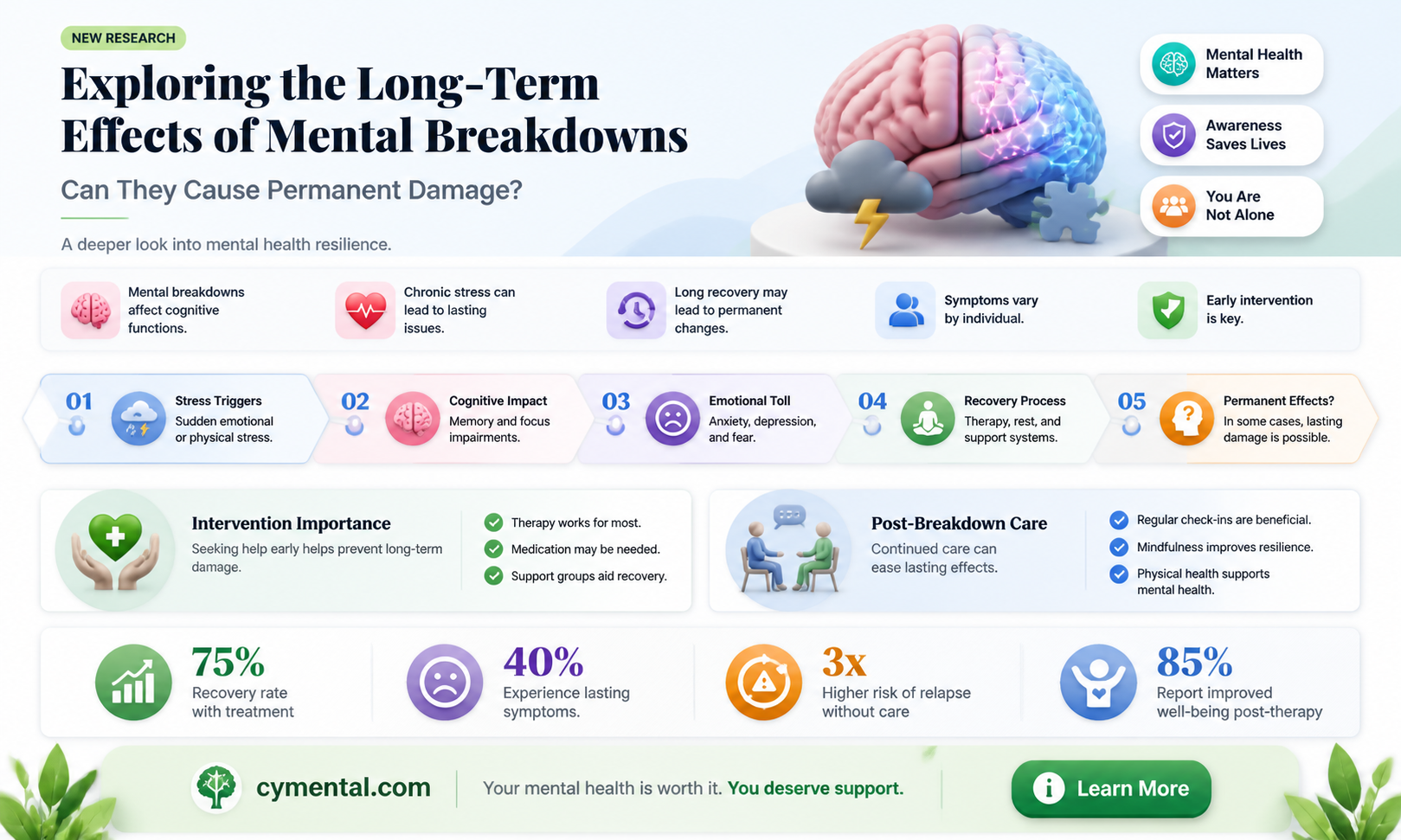
A mental breakdown, often referred to as a nervous breakdown, is an acute, time-limited psychological event that can be triggered by overwhelming stress or a traumatic experience. While it can be an intensely distressing and debilitating episode, the question of whether it can cause permanent damage is complex. Mental breakdowns are generally considered treatable conditions, and with appropriate psychological care and support, individuals can recover and regain their mental health. However, if left untreated or if the underlying stressors persist, a mental breakdown can potentially lead to longer-term psychological issues, such as anxiety disorders, depression, or post-traumatic stress disorder (PTSD). In some cases, repeated or severe mental breakdowns may contribute to a chronic mental health condition. It is crucial to seek professional help and support to mitigate the risks and promote recovery.
| Characteristics | Values |
|---|---|
| Definition | A mental breakdown is an acute, time-limited psychiatric disorder characterized by a sudden inability to function normally in daily life. |
| Causes | Stress, trauma, loss, genetic predisposition, substance abuse, medical conditions, sleep deprivation. |
| Symptoms | Inability to concentrate, memory problems, mood swings, irritability, anxiety, depression, paranoia, hallucinations, delusions. |
| Duration | Varies, can last from a few days to several weeks or months. |
| Treatment | Medication, psychotherapy, hospitalization, support groups, lifestyle changes. |
| Prognosis | Generally good with appropriate treatment, but can have long-term effects on mental health. |
| Permanent Damage | Can lead to permanent changes in brain chemistry and structure, affecting cognitive and emotional functioning. |
| Risk Factors | Previous mental health issues, family history of mental illness, chronic stress, substance abuse, social isolation. |
| Prevention | Maintaining a healthy lifestyle, managing stress, seeking early treatment for mental health issues, building a strong support network. |
| Impact on Daily Life | Can significantly impair ability to work, maintain relationships, and perform daily tasks. |
| Stigma | Often associated with weakness or failure, leading to reluctance to seek help. |
| Research | Ongoing studies into the neurobiological basis of mental breakdowns and the development of more effective treatments. |
| Support | Various organizations and resources available to provide support and assistance to those affected. |
| Legal Rights | Individuals with mental health issues are protected under various laws regarding employment, housing, and healthcare. |
| Personal Stories | Many individuals have shared their experiences of mental breakdowns, contributing to greater awareness and understanding. |
What You'll Learn
- Definition and Causes: Understanding what constitutes a mental breakdown and its potential triggers
- Short-Term Effects: Exploring the immediate impact on an individual's psychological and emotional well-being
- Long-Term Consequences: Discussing possible lasting effects on mental health and daily functioning
- Treatment and Recovery: Overview of therapeutic approaches and strategies for regaining stability
- Prevention Strategies: Identifying methods to mitigate the risk of future mental breakdowns

Definition and Causes: Understanding what constitutes a mental breakdown and its potential triggers
A mental breakdown is a colloquial term used to describe an acute, temporary disturbance in an individual's mental health, characterized by an inability to cope with daily stressors and a significant impairment in functioning. It is not a formal psychiatric diagnosis but rather a descriptive term that encompasses a range of emotional and psychological experiences. Common symptoms may include overwhelming anxiety, depression, irritability, and a sense of being overwhelmed or unable to manage one's life.
The causes of a mental breakdown can be multifaceted and may include a combination of genetic, environmental, and psychological factors. Stressful life events, such as the loss of a loved one, job termination, or financial difficulties, can act as triggers. Additionally, underlying mental health conditions like depression, anxiety disorders, or bipolar disorder may contribute to the development of a mental breakdown. Substance abuse, lack of sleep, and poor nutrition can also exacerbate mental health issues and increase the likelihood of experiencing a breakdown.
It is important to note that a mental breakdown is not a sign of weakness or a character flaw but rather a signal that an individual's mental health needs attention and support. Seeking professional help, such as therapy or counseling, can be crucial in addressing the underlying causes and developing coping strategies to prevent future episodes.
In terms of potential permanent damage, while a mental breakdown itself is typically temporary, it can have lasting effects on an individual's mental health and well-being. Repeated episodes or prolonged periods of distress can lead to chronic mental health conditions or exacerbate existing ones. Furthermore, the experience of a mental breakdown can impact an individual's self-esteem, relationships, and overall quality of life. Therefore, it is essential to take steps to address mental health concerns and seek support to mitigate the risk of long-term consequences.
Understanding Mental Retardation: Causes and Prevention Strategies
You may want to see also
Short-Term Effects: Exploring the immediate impact on an individual's psychological and emotional well-being
A mental breakdown can have profound short-term effects on an individual's psychological and emotional well-being. These effects can manifest in various ways, including intense anxiety, depression, and feelings of hopelessness. One of the most immediate impacts is often a significant disruption to daily functioning. Individuals may find it difficult to perform routine tasks, maintain relationships, or even leave their homes. This disruption can lead to a sense of isolation and further exacerbate feelings of distress.
In addition to these emotional and psychological symptoms, a mental breakdown can also have physical manifestations. Individuals may experience changes in appetite, sleep disturbances, and even physical pain. These symptoms can be particularly challenging, as they may not always be immediately recognizable as related to mental health. As a result, individuals may seek medical attention for physical complaints without addressing the underlying psychological issues.
The short-term effects of a mental breakdown can also impact an individual's cognitive functioning. Concentration and memory may be impaired, making it difficult to focus on tasks or remember important information. This can be particularly problematic in professional or academic settings, where cognitive functioning is critical. Furthermore, individuals may experience racing thoughts or difficulty making decisions, which can contribute to feelings of overwhelm and anxiety.
It is important to note that the short-term effects of a mental breakdown can vary widely from person to person. Some individuals may experience relatively mild symptoms, while others may face more severe challenges. The duration of these effects can also vary, with some individuals recovering within a few weeks and others experiencing symptoms for several months.
In terms of treatment, addressing the short-term effects of a mental breakdown often involves a combination of therapy and medication. Cognitive-behavioral therapy (CBT) can be particularly effective in helping individuals manage symptoms and develop coping strategies. Medications such as antidepressants or anti-anxiety drugs may also be prescribed to help alleviate symptoms. In some cases, hospitalization may be necessary to provide a safe and supportive environment for individuals who are experiencing severe symptoms.
Ultimately, while the short-term effects of a mental breakdown can be significant, they are not necessarily indicative of long-term outcomes. With appropriate treatment and support, many individuals are able to recover and regain their psychological and emotional well-being. However, it is crucial to seek help promptly to minimize the potential for long-term damage.
The Impact of Toxic Relationships on Mental Health
You may want to see also
Long-Term Consequences: Discussing possible lasting effects on mental health and daily functioning
A mental breakdown can have profound and lasting effects on an individual's mental health and daily functioning. One of the most significant long-term consequences is the potential for chronic mental health conditions to develop or worsen. For instance, a person who experiences a mental breakdown may be at an increased risk of developing conditions such as depression, anxiety disorders, or post-traumatic stress disorder (PTSD). These conditions can persist for years, requiring ongoing treatment and support.
In addition to the development of chronic mental health conditions, a mental breakdown can also lead to long-lasting changes in a person's cognitive functioning. Cognitive impairments may manifest as difficulties with memory, concentration, or decision-making, and can significantly impact an individual's ability to perform daily tasks and maintain employment. Furthermore, the social and emotional toll of a mental breakdown should not be underestimated. Relationships with friends and family may be strained, and individuals may experience social isolation and stigma, which can exacerbate mental health issues and hinder recovery.
The impact of a mental breakdown on daily functioning can be far-reaching, affecting various aspects of a person's life. For example, individuals may struggle with basic self-care tasks, such as maintaining personal hygiene or preparing meals. They may also experience difficulties with managing finances, keeping a job, or maintaining a stable living situation. In severe cases, a mental breakdown can lead to a loss of independence, requiring long-term care and support from others.
It is important to note that the long-term consequences of a mental breakdown can vary widely from person to person, depending on factors such as the severity and duration of the breakdown, the individual's pre-existing mental health conditions, and the availability of support and treatment. Early intervention and comprehensive treatment can significantly improve outcomes and mitigate the potential for long-term damage.
In conclusion, a mental breakdown can have serious and lasting effects on an individual's mental health and daily functioning. It is crucial to recognize the signs of a mental breakdown and seek help as soon as possible to minimize the potential for long-term consequences. With appropriate treatment and support, individuals can recover and regain control of their lives, but the process may be long and challenging.
Exploring the Link: Suicidal Thoughts and Mental Illness
You may want to see also
Treatment and Recovery: Overview of therapeutic approaches and strategies for regaining stability
Individuals experiencing a mental breakdown often require a multifaceted approach to treatment and recovery. This process typically involves a combination of psychotherapy, medication, and lifestyle changes tailored to the individual's specific needs. Cognitive-behavioral therapy (CBT) is a common therapeutic approach that helps patients identify and change negative thought patterns and behaviors contributing to their mental state. Additionally, medications such as antidepressants or antipsychotics may be prescribed to manage symptoms and stabilize mood.
A crucial aspect of recovery is the development of a strong support network. This can include family, friends, and mental health professionals who provide emotional support and guidance throughout the recovery process. Support groups can also be beneficial, offering a sense of community and shared experience with others facing similar challenges.
Lifestyle changes play a significant role in maintaining mental health and preventing future breakdowns. These changes may include regular exercise, a balanced diet, adequate sleep, and stress management techniques such as meditation or yoga. Avoiding substance abuse and engaging in healthy recreational activities can also contribute to overall well-being.
In some cases, a mental breakdown may require inpatient treatment at a psychiatric hospital. This provides a safe and controlled environment where individuals can receive intensive therapy, medication management, and monitoring. Outpatient programs, such as partial hospitalization or intensive outpatient programs, can also offer structured treatment while allowing patients to remain at home.
The recovery process is not linear and may involve setbacks and challenges. However, with the right treatment plan and support, individuals can regain stability and lead fulfilling lives. It is essential to recognize the signs of a potential breakdown and seek help early to prevent the situation from escalating. By addressing the underlying causes and developing effective coping strategies, individuals can build resilience and reduce the risk of future mental health crises.
Exploring the Link: Mental Breakdowns and Hallucinations
You may want to see also
Prevention Strategies: Identifying methods to mitigate the risk of future mental breakdowns
One effective prevention strategy is to develop a robust support network. This involves cultivating strong relationships with friends and family who can offer emotional support during times of stress. Additionally, joining support groups or seeking professional counseling can provide valuable resources and coping mechanisms. It's crucial to recognize the signs of deteriorating mental health early on, such as changes in sleep patterns, appetite, or mood, and to seek help promptly.
Another key strategy is to practice self-care and stress management techniques. This can include regular exercise, meditation, or engaging in hobbies that promote relaxation and mental well-being. Maintaining a healthy lifestyle, including a balanced diet and adequate sleep, is also essential in preventing mental breakdowns. Furthermore, learning time management skills and setting realistic goals can help reduce feelings of overwhelm and anxiety.
Cognitive-behavioral therapy (CBT) is a proven method for mitigating the risk of mental breakdowns. CBT focuses on identifying and challenging negative thought patterns and replacing them with more positive and realistic ones. This can help individuals develop healthier coping mechanisms and improve their overall mental resilience. In some cases, medication may also be prescribed to help manage symptoms of mental health conditions that could lead to breakdowns.
It's important to note that prevention strategies should be tailored to the individual's specific needs and circumstances. What works for one person may not work for another, so it's essential to experiment with different techniques and seek professional guidance when needed. By taking a proactive approach to mental health and implementing these strategies, individuals can significantly reduce their risk of experiencing future mental breakdowns.
Exploring the Complex Link: Drugs and Mental Illness
You may want to see also
Frequently asked questions
A mental breakdown, also known as a nervous breakdown, can have long-lasting effects on a person's psychological health. While it may not always result in permanent damage, it can lead to chronic mental health conditions such as depression, anxiety, or post-traumatic stress disorder (PTSD) if left untreated or if the underlying issues are not addressed.
Common signs of a mental breakdown include intense anxiety, overwhelming feelings of sadness or despair, extreme mood swings, withdrawal from social activities, changes in sleep or eating patterns, and difficulty concentrating or making decisions. Physical symptoms such as headaches, stomachaches, or chest pain may also occur.
Preventing a mental breakdown involves addressing the underlying causes of stress and anxiety, practicing good self-care, and seeking support from friends, family, or mental health professionals. This may include engaging in regular exercise, getting enough sleep, eating a healthy diet, and participating in stress-reducing activities such as meditation or yoga.
Effective treatments for a mental breakdown may include psychotherapy, medication, or a combination of both. Cognitive-behavioral therapy (CBT) and other forms of talk therapy can help individuals identify and address the underlying causes of their distress, while medications such as antidepressants or anti-anxiety drugs may be prescribed to alleviate symptoms.
Supporting a loved one who is experiencing a mental breakdown involves being patient, understanding, and non-judgmental. Encourage them to seek professional help, offer to accompany them to appointments, and help them develop a self-care routine. It's also important to educate yourself about their condition and be aware of any triggers or warning signs that may indicate a worsening of their symptoms.