Harper Lewis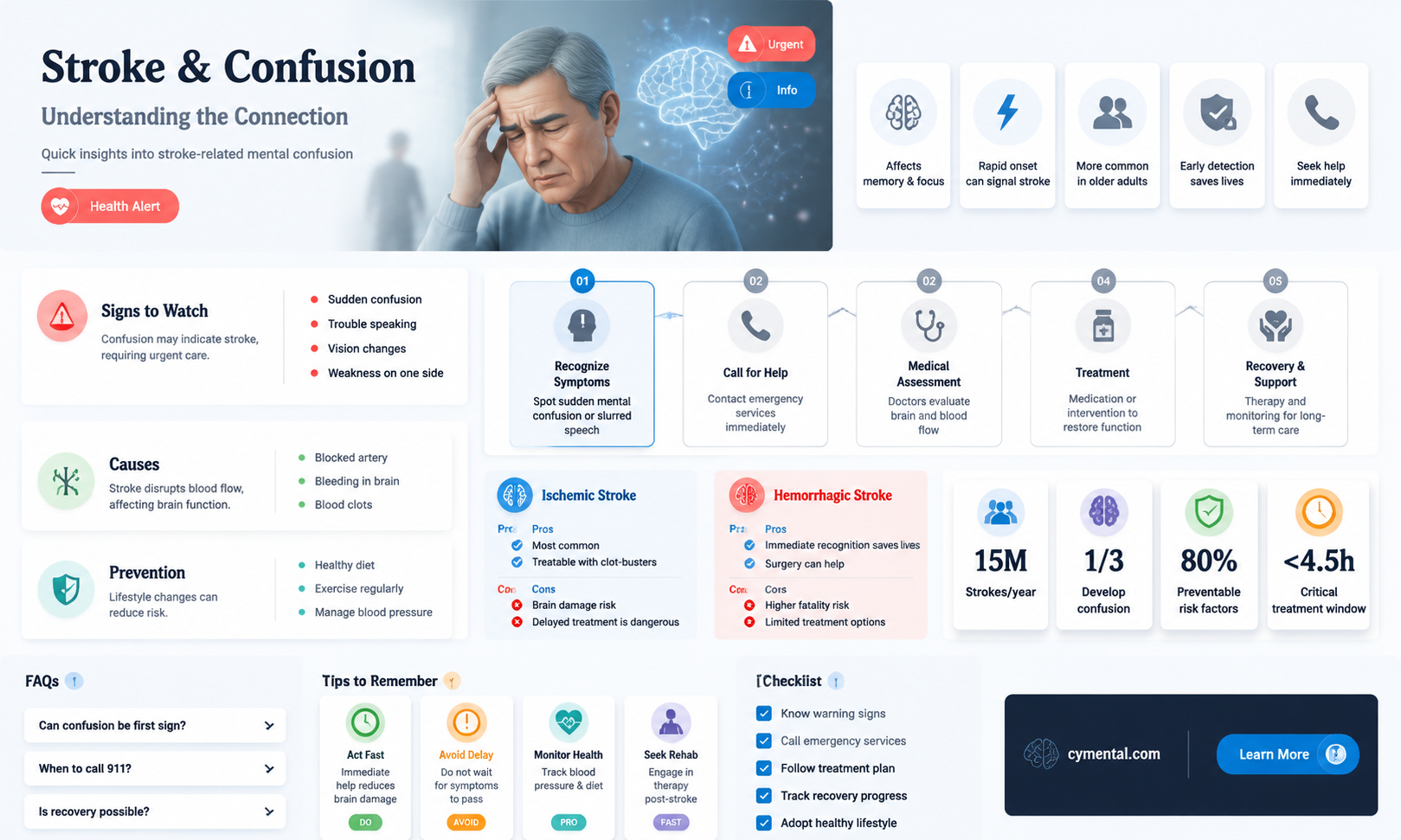
A stroke, which is a sudden interruption of blood flow to the brain, can indeed cause mental confusion. This confusion may manifest in various ways, including difficulty thinking clearly, problems with memory, and challenges in understanding or producing speech. The severity and nature of the mental confusion can vary widely depending on the specific area of the brain affected by the stroke and the extent of the damage. For instance, a stroke impacting the frontal lobe might lead to difficulties with executive functions such as planning and decision-making, while a stroke in the temporal lobe could affect memory and language processing. It is crucial for individuals who have experienced a stroke to undergo comprehensive cognitive assessments to identify and address any resulting mental health challenges. With appropriate rehabilitation and support, many stroke survivors can regain some level of cognitive function and learn strategies to manage their symptoms.
| Characteristics | Values |
|---|---|
| Definition | A stroke is a medical condition where blood flow to the brain is disrupted, leading to brain cell damage and potential cognitive impairments. |
| Types of Strokes | Ischemic (most common, caused by blood clot), Hemorrhagic (caused by bleeding in the brain), Transient Ischemic Attack (TIA, a mini-stroke). |
| Symptoms | Sudden severe headache, Weakness or numbness in face, arm, or leg, Difficulty speaking or understanding speech, Vision problems, Balance issues, Cognitive confusion. |
| Cognitive Impacts | Memory loss, Difficulty with attention and concentration, Language and communication problems, Reasoning and judgment issues, Mood changes, Personality alterations. |
| Risk Factors | High blood pressure, Smoking, Diabetes, High cholesterol, Obesity, Atrial fibrillation, Family history of stroke. |
| Diagnostic Methods | CT scan, MRI, Blood tests, Electrocardiogram (ECG), Cerebral angiography. |
| Treatment Options | Clot-busting drugs (for ischemic stroke), Surgery (for hemorrhagic stroke), Rehabilitation therapy (physical, occupational, speech). |
| Prognosis | Varies widely depending on the type, location, and severity of the stroke. Early treatment improves outcomes. |
| Prevention Strategies | Lifestyle changes (healthy diet, regular exercise, no smoking), Managing medical conditions (hypertension, diabetes, cholesterol), Medications (anticoagulants, antiplatelets). |
| Research and Advances | Ongoing studies on stem cell therapy, neuroprotective drugs, and advanced imaging techniques for better diagnosis and treatment. |
Explore related products




What You'll Learn
- Types of Mental Confusion Post-Stroke: Delirium, dementia, aphasia, and other cognitive impairments
- Causes of Mental Confusion After Stroke: Brain damage, lack of oxygen, bleeding, and swelling
- Symptoms of Mental Confusion Post-Stroke: Memory loss, difficulty speaking, disorientation, and mood changes
- Diagnosis of Mental Confusion After Stroke: Medical tests, neurological exams, and cognitive assessments
- Treatment and Management of Mental Confusion Post-Stroke: Medications, therapy, rehabilitation, and support groups

Types of Mental Confusion Post-Stroke: Delirium, dementia, aphasia, and other cognitive impairments
Delirium is a common type of mental confusion that can occur post-stroke. It is characterized by a sudden change in mental status, often accompanied by hallucinations, agitation, and disorientation. Delirium can be caused by a variety of factors, including infection, medication side effects, and metabolic imbalances. It is important to note that delirium is a temporary condition and can be treated with appropriate medical intervention.
Dementia, on the other hand, is a more chronic form of mental confusion that can result from a stroke. It is characterized by a gradual decline in cognitive function, including memory loss, difficulty with language, and impaired judgment. Dementia can be caused by a variety of factors, including Alzheimer's disease, vascular dementia, and Lewy body dementia. While there is no cure for dementia, there are treatments available to help manage the symptoms and slow the progression of the disease.
Aphasia is another type of mental confusion that can occur post-stroke. It is characterized by difficulty with language, including speaking, reading, and writing. Aphasia can be caused by damage to the language centers of the brain, which can occur as a result of a stroke. There are different types of aphasia, including expressive aphasia, receptive aphasia, and global aphasia. Treatment for aphasia typically involves speech therapy to help improve language function.
In addition to delirium, dementia, and aphasia, there are other cognitive impairments that can occur post-stroke. These include attention deficits, memory impairments, and executive function deficits. Attention deficits can make it difficult for individuals to focus and concentrate, while memory impairments can make it difficult to remember new information. Executive function deficits can affect an individual's ability to plan, organize, and problem-solve. Treatment for these cognitive impairments typically involves a combination of medication and cognitive rehabilitation therapy.
It is important to note that the severity and type of mental confusion that occurs post-stroke can vary greatly depending on the individual and the extent of the brain damage. Some individuals may experience only mild cognitive impairments, while others may experience more severe forms of mental confusion. Treatment for mental confusion post-stroke typically involves a multidisciplinary approach, including medication, therapy, and support from family and caregivers.
In conclusion, mental confusion post-stroke can take many forms, including delirium, dementia, aphasia, and other cognitive impairments. It is important to recognize the signs and symptoms of these conditions and seek appropriate medical intervention. With proper treatment and support, individuals can learn to manage their symptoms and improve their quality of life.
Unraveling the Roots of Mental Exhaustion: A Comprehensive Guide
You may want to see also
Explore related products


Causes of Mental Confusion After Stroke: Brain damage, lack of oxygen, bleeding, and swelling
Brain damage is a primary cause of mental confusion after a stroke. When a stroke occurs, it disrupts the blood supply to a part of the brain, leading to the death of brain cells in that area. This cell death can impair various cognitive functions, including memory, attention, and problem-solving abilities. The extent of the damage and the specific cognitive functions affected depend on the location and size of the stroke.
Lack of oxygen to the brain, known as hypoxia, is another critical factor contributing to mental confusion post-stroke. During a stroke, the reduced blood flow means that the brain receives less oxygen than it needs to function properly. This oxygen deprivation can lead to further brain cell damage and exacerbate cognitive impairments.
Bleeding within the brain, or intracerebral hemorrhage, is a less common but severe cause of stroke that can also result in mental confusion. When blood accumulates in the brain, it can compress surrounding brain tissue, leading to damage and impaired cognitive function. The location and extent of the bleeding determine the severity of the cognitive effects.
Swelling in the brain, or cerebral edema, is a common complication after a stroke and can contribute to mental confusion. The swelling is caused by the accumulation of excess fluid in the brain, which can put pressure on brain cells and disrupt their normal function. This pressure can lead to cognitive impairments, including difficulties with memory, attention, and communication.
In summary, mental confusion after a stroke can be attributed to several factors, including brain damage, lack of oxygen, bleeding, and swelling. Each of these causes can have a significant impact on cognitive function, and the severity of the mental confusion depends on the extent and location of the brain damage. Understanding these causes is crucial for developing effective treatments and interventions to help individuals recover from stroke-related cognitive impairments.
Understanding Victim Mentality: The Impact of Controlling Behavior
You may want to see also
Explore related products


Symptoms of Mental Confusion Post-Stroke: Memory loss, difficulty speaking, disorientation, and mood changes
Stroke survivors often experience a range of cognitive impairments that can significantly impact their daily lives. One of the most common symptoms is memory loss, which can manifest as difficulty remembering recent events, learning new information, or recalling familiar faces and names. This can be particularly challenging for individuals who need to manage medications, appointments, or other important tasks.
In addition to memory loss, many stroke survivors struggle with communication difficulties. This can include problems with speech production, such as slurred or garbled speech, as well as challenges with language comprehension. Survivors may have trouble finding the right words, understanding complex sentences, or following conversations. These communication barriers can lead to frustration and social isolation.
Disorientation is another common symptom of mental confusion post-stroke. Survivors may have trouble understanding their surroundings, recognizing familiar places, or navigating new environments. This can make it difficult to perform everyday activities, such as shopping or using public transportation. Disorientation can also contribute to feelings of anxiety and uncertainty.
Mood changes are also a frequent occurrence after a stroke. Survivors may experience depression, anxiety, irritability, or mood swings. These emotional changes can be particularly challenging for individuals who are already coping with physical limitations and cognitive impairments. It's important for caregivers and healthcare providers to recognize and address these mood changes, as they can have a significant impact on the survivor's overall well-being and quality of life.
Overall, the symptoms of mental confusion post-stroke can be complex and multifaceted. It's essential for survivors, caregivers, and healthcare providers to work together to develop strategies for managing these symptoms and improving the survivor's cognitive function and emotional well-being. This may include cognitive rehabilitation therapy, speech therapy, and medication management, as well as providing emotional support and creating a safe, structured environment for the survivor.
Exploring the Link: Slow Thyroid and Mental Health in Infants
You may want to see also
Explore related products


Diagnosis of Mental Confusion After Stroke: Medical tests, neurological exams, and cognitive assessments
Stroke can indeed cause mental confusion, a condition medically referred to as delirium or cognitive impairment. This confusion may manifest as difficulties with memory, attention, perception, and decision-making. To diagnose mental confusion after a stroke, healthcare professionals employ a combination of medical tests, neurological exams, and cognitive assessments.
Medical tests may include blood work to check for underlying conditions such as infections or electrolyte imbalances that could contribute to confusion. Imaging studies like CT scans or MRIs of the brain are also crucial to visualize the extent and location of the stroke damage. These tests help rule out other potential causes of confusion and provide a clear picture of the brain's condition.
Neurological exams are essential in assessing the patient's brain function. These exams typically involve evaluating the patient's reflexes, muscle strength, coordination, and sensory perception. Neurologists may also test the patient's ability to follow commands, understand language, and express themselves verbally. These evaluations help pinpoint specific areas of brain function that may be impaired due to the stroke.
Cognitive assessments are specialized tests designed to measure various aspects of brain function, including memory, attention, problem-solving, and language skills. These assessments can help identify the specific type and severity of cognitive impairment a patient may be experiencing. Commonly used cognitive assessments include the Mini-Mental State Examination (MMSE), the Montreal Cognitive Assessment (MoCA), and the Mini-Cog.
In addition to these diagnostic tools, healthcare providers may also consider the patient's medical history, symptoms, and the circumstances surrounding the stroke. A comprehensive approach involving a multidisciplinary team, including neurologists, psychiatrists, and rehabilitation specialists, is often necessary to accurately diagnose and manage mental confusion after a stroke.
Early diagnosis is crucial as it allows for prompt intervention and management of the condition. Treatment may involve addressing underlying medical issues, providing supportive care, and implementing rehabilitation strategies to improve cognitive function. In some cases, medications may be prescribed to help manage symptoms of confusion or agitation.
In conclusion, diagnosing mental confusion after a stroke requires a thorough and multifaceted approach. By combining medical tests, neurological exams, and cognitive assessments, healthcare professionals can accurately identify and address this condition, ultimately improving patient outcomes and quality of life.
Unraveling the Complex Roots of Insanity: A Deep Dive
You may want to see also
Explore related products


Treatment and Management of Mental Confusion Post-Stroke: Medications, therapy, rehabilitation, and support groups
Post-stroke mental confusion, also known as post-stroke cognitive impairment, is a common challenge faced by many stroke survivors. Effective treatment and management strategies are crucial in helping individuals regain cognitive function and improve their quality of life. One key approach involves the use of medications, such as cholinesterase inhibitors, which have been shown to improve cognitive function in some stroke survivors. These medications work by increasing the levels of acetylcholine, a neurotransmitter involved in memory and learning, in the brain.
In addition to medications, cognitive rehabilitation therapy (CRT) plays a vital role in the management of post-stroke mental confusion. CRT involves a range of exercises and activities designed to improve cognitive function, such as memory, attention, and problem-solving skills. These therapies are typically tailored to the individual's specific needs and can be conducted in one-on-one sessions or group settings. Research has shown that CRT can lead to significant improvements in cognitive function and daily living activities for stroke survivors.
Rehabilitation programs that incorporate physical exercise, such as aerobic training and strength training, can also have a positive impact on cognitive function post-stroke. Regular physical activity has been shown to increase blood flow to the brain, promote the growth of new neurons, and improve overall brain health. Furthermore, physical exercise can help reduce the risk of other health conditions, such as hypertension and diabetes, which can contribute to cognitive impairment.
Support groups can provide invaluable emotional and practical support for stroke survivors and their caregivers. These groups offer a platform for individuals to share their experiences, learn from others, and receive guidance on managing the challenges of post-stroke mental confusion. Support groups can also help reduce feelings of isolation and depression, which are common among stroke survivors.
In conclusion, the treatment and management of post-stroke mental confusion involve a multifaceted approach that includes medications, cognitive rehabilitation therapy, physical exercise, and support groups. By addressing the various aspects of cognitive impairment, these strategies can help stroke survivors regain function, improve their quality of life, and better navigate the challenges they face.
Exploring the Link: Can Herpes Impact Mental Health?
You may want to see also
Frequently asked questions
Yes, a stroke can cause mental confusion. A stroke occurs when the blood supply to the brain is interrupted, leading to brain cell damage. This damage can affect various cognitive functions, including memory, attention, and problem-solving abilities, resulting in mental confusion.
The location of the stroke in the brain plays a significant role in determining the type of mental confusion experienced. For example, a stroke in the frontal lobe may affect executive functions, such as planning and decision-making, while a stroke in the temporal lobe may impact memory and language abilities.
Common signs of mental confusion after a stroke include difficulty remembering recent events, trouble finding the right words, problems with attention and concentration, and challenges with problem-solving and decision-making. It's essential to seek medical attention if you or a loved one experiences these symptoms after a stroke.