Lucas Bennett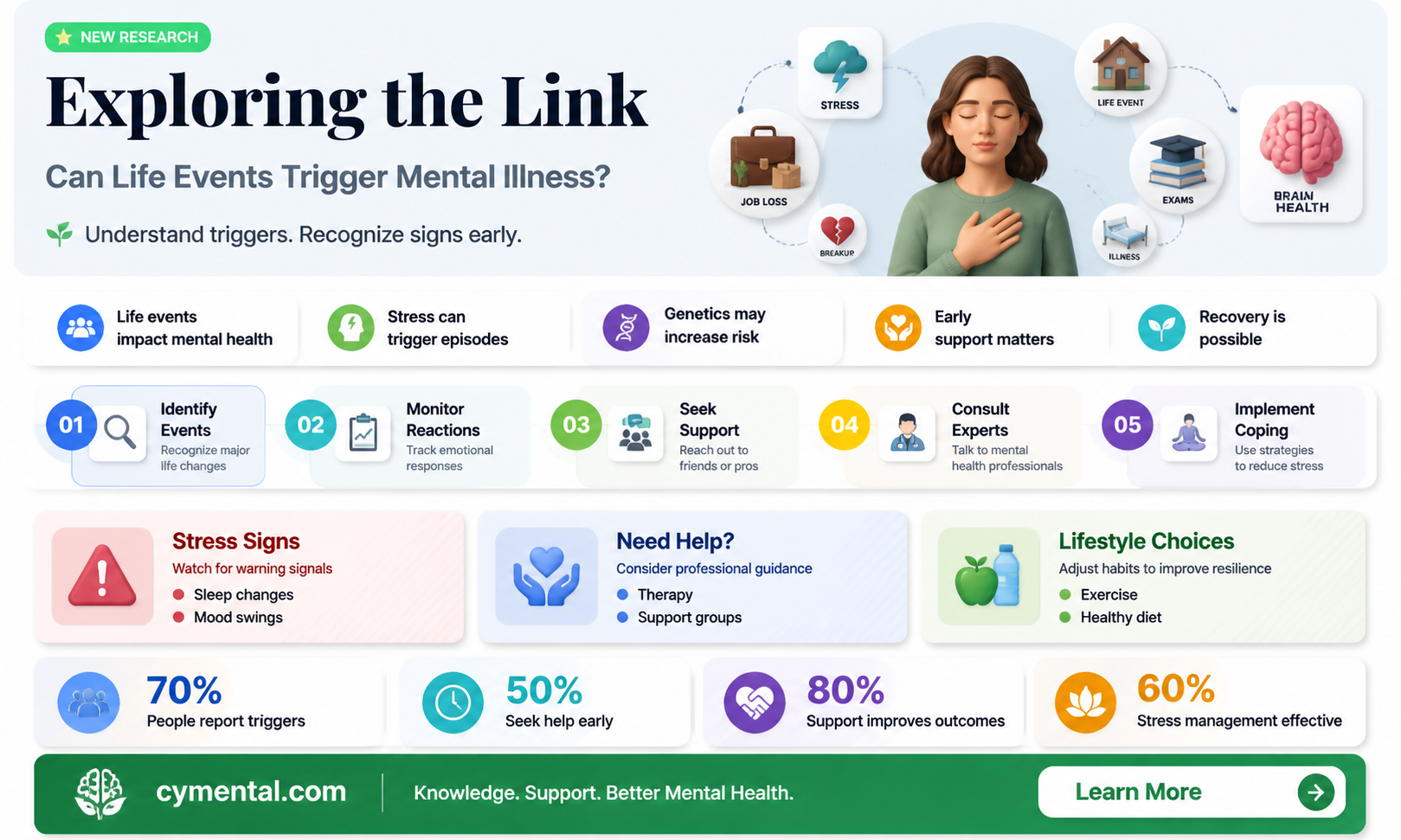
The question of whether a situation can cause mental illness is a complex and multifaceted one. While mental illnesses are often thought of as being primarily biological or genetic in nature, there is growing evidence to suggest that environmental factors and life experiences can also play a significant role in their development. Traumatic events, chronic stress, and social isolation are just a few examples of situations that have been linked to an increased risk of mental health problems. However, it is important to note that the relationship between situation and mental illness is not always straightforward, and individual differences in resilience and vulnerability can greatly impact how people respond to challenging circumstances.
Explore related products


What You'll Learn
- Trauma and PTSD: Exploring how traumatic events can lead to the development of post-traumatic stress disorder
- Stress and Anxiety: Discussing the impact of chronic stress on mental health and its potential to cause anxiety disorders
- Social Isolation: Examining the effects of prolonged social isolation on mental well-being and its link to depression
- Childhood Experiences: Investigating how adverse childhood experiences can influence the development of mental illnesses later in life
- Workplace Factors: Analyzing how high-stress work environments and job insecurity can contribute to mental health issues

Trauma and PTSD: Exploring how traumatic events can lead to the development of post-traumatic stress disorder
Traumatic events can have a profound impact on an individual's mental health, potentially leading to the development of post-traumatic stress disorder (PTSD). PTSD is a complex condition that can arise after experiencing or witnessing a traumatic event, such as a natural disaster, combat, sexual assault, or a life-threatening accident. The disorder is characterized by a range of symptoms, including intrusive memories, flashbacks, nightmares, and heightened arousal.
One of the key factors in the development of PTSD is the intensity and duration of the traumatic event. Events that are more severe, prolonged, or repeated are more likely to lead to PTSD. Additionally, the individual's response to the event, including their emotional and psychological reactions, can also play a role in the development of the disorder. For example, feelings of helplessness, fear, or guilt during the event can increase the risk of PTSD.
The brain's response to trauma is another critical factor in the development of PTSD. Traumatic events can alter the brain's structure and function, particularly in areas responsible for emotional regulation, memory, and fear processing. This can lead to difficulties in managing emotions, remembering the event, and responding to triggers that remind the individual of the trauma.
Treatment for PTSD typically involves a combination of psychotherapy and medication. Cognitive-behavioral therapy (CBT) is a common form of psychotherapy used to treat PTSD, as it helps individuals identify and change negative thought patterns and behaviors. Medications such as selective serotonin reuptake inhibitors (SSRIs) and benzodiazepines can also be effective in reducing symptoms of PTSD.
In conclusion, traumatic events can have a significant impact on an individual's mental health, leading to the development of PTSD. The disorder is complex and multifaceted, involving a range of factors such as the intensity and duration of the event, the individual's response, and the brain's response to trauma. Effective treatment for PTSD typically involves a combination of psychotherapy and medication, aimed at reducing symptoms and improving overall mental health.
Exploring the Link: UTIs and Mental Confusion
You may want to see also
Explore related products

$43.44 $54.99

$131.88 $161.25


Stress and Anxiety: Discussing the impact of chronic stress on mental health and its potential to cause anxiety disorders
Chronic stress has a profound impact on mental health, with prolonged exposure potentially leading to the development of anxiety disorders. This is due to the body's natural response to stress, which involves the release of hormones such as cortisol and adrenaline. While these hormones are essential for the body's fight-or-flight response, excessive and prolonged exposure can disrupt the delicate balance of neurotransmitters in the brain, leading to symptoms of anxiety.
Research has shown that chronic stress can cause changes in the brain's structure and function, particularly in areas responsible for emotional regulation and fear response. This can result in heightened feelings of worry, fear, and apprehension, which are characteristic of anxiety disorders. Furthermore, chronic stress can also lead to physical symptoms such as headaches, muscle tension, and sleep disturbances, which can exacerbate feelings of anxiety and contribute to a vicious cycle of stress and anxiety.
It is important to note that while stress is a common factor in the development of anxiety disorders, it is not the sole cause. Genetic predisposition, environmental factors, and individual coping mechanisms also play a significant role in determining an individual's susceptibility to anxiety disorders. However, by understanding the impact of chronic stress on mental health, individuals can take steps to mitigate its effects and reduce their risk of developing anxiety disorders.
One effective way to manage chronic stress is through the practice of stress-reduction techniques such as meditation, deep breathing exercises, and yoga. These techniques can help to calm the mind and body, reducing the release of stress hormones and promoting a sense of relaxation and well-being. Additionally, engaging in regular physical activity, maintaining a healthy diet, and getting adequate sleep can also help to support mental health and reduce the risk of anxiety disorders.
In conclusion, chronic stress can have a significant impact on mental health, potentially leading to the development of anxiety disorders. By understanding the relationship between stress and anxiety, individuals can take proactive steps to manage their stress levels and support their mental health, reducing their risk of developing anxiety disorders and improving their overall well-being.
Exploring the Root Causes: A Comprehensive Analysis
You may want to see also
Explore related products


Social Isolation: Examining the effects of prolonged social isolation on mental well-being and its link to depression
Prolonged social isolation can have a profound impact on mental well-being, often leading to feelings of loneliness, anxiety, and depression. Research has shown that humans are inherently social creatures, and when deprived of meaningful social interactions, our mental health can suffer significantly. This is particularly evident in studies conducted on individuals who have experienced extended periods of isolation, such as astronauts on long-duration space missions or prisoners in solitary confinement.
One of the key mechanisms by which social isolation contributes to depression is through the disruption of our social support networks. Social support plays a crucial role in buffering against stress and promoting emotional resilience. When we are isolated, we lack the opportunity to share our experiences, receive emotional support, and engage in social activities that bring us joy and a sense of belonging. This can lead to a downward spiral of negative emotions, self-doubt, and hopelessness, which are hallmark symptoms of depression.
Furthermore, social isolation can also impact our cognitive functioning and overall brain health. Studies have shown that prolonged isolation can lead to reductions in brain volume, particularly in areas associated with social cognition and emotional regulation. This can result in difficulties with memory, attention, and decision-making, which can further exacerbate feelings of depression and anxiety.
It is important to note that the effects of social isolation can vary depending on individual factors such as personality, coping mechanisms, and past experiences. Some individuals may be more resilient to the negative effects of isolation, while others may be more susceptible. Additionally, the duration and intensity of social isolation can also play a role in determining its impact on mental health.
In conclusion, social isolation is a significant risk factor for depression and other mental health issues. It is crucial to recognize the importance of social connections in maintaining our mental well-being and to take steps to mitigate the negative effects of isolation, such as seeking out social support, engaging in social activities, and practicing self-care. By addressing social isolation, we can work towards promoting better mental health outcomes for individuals and communities alike.
Unraveling the Link: Depression and Mental Confusion Explored
You may want to see also
Explore related products


Childhood Experiences: Investigating how adverse childhood experiences can influence the development of mental illnesses later in life
Adverse childhood experiences (ACEs) have been extensively studied for their profound impact on the development of mental illnesses later in life. These experiences, which can range from physical and emotional abuse to neglect and household dysfunction, can significantly alter the brain's structure and function, leading to long-term psychological consequences. Research has shown that individuals who experience multiple ACEs are at a higher risk of developing conditions such as depression, anxiety, post-traumatic stress disorder (PTSD), and substance abuse disorders.
One of the key mechanisms by which ACEs contribute to mental illness is through their effect on the hypothalamic-pituitary-adrenal (HPA) axis, which regulates the body's stress response. Chronic activation of the HPA axis during childhood can lead to long-term changes in cortisol levels, which in turn can affect neurotransmitter function and brain development. This can result in difficulties with emotional regulation, impulse control, and social interactions, all of which are critical factors in the development of mental illnesses.
Furthermore, ACEs can also impact the development of cognitive skills and executive functions. Children who experience trauma may struggle with attention, memory, and problem-solving abilities, which can hinder their academic performance and social development. These cognitive difficulties can persist into adulthood, increasing the risk of mental health problems and reducing the ability to cope with stressors effectively.
In addition to their direct effects on brain development and cognitive function, ACEs can also influence mental health through their impact on social relationships and attachment styles. Children who experience abuse or neglect may develop insecure attachment patterns, which can lead to difficulties in forming healthy relationships later in life. This can contribute to feelings of isolation, loneliness, and low self-esteem, all of which are risk factors for mental illness.
Understanding the link between ACEs and mental illness is crucial for developing effective prevention and intervention strategies. By identifying individuals who have experienced trauma and providing them with appropriate support and resources, it is possible to mitigate the long-term effects of ACEs and reduce the risk of mental health problems. This may include therapies such as cognitive-behavioral therapy (CBT), trauma-focused CBT, and attachment-based interventions, as well as broader social support systems and community resources.
In conclusion, adverse childhood experiences can have a profound and lasting impact on mental health, increasing the risk of developing a range of mental illnesses later in life. By understanding the mechanisms by which ACEs contribute to mental health problems and providing targeted interventions, it is possible to improve outcomes for individuals who have experienced trauma and reduce the overall burden of mental illness.
Unraveling the Impact of Mental Health on Communication
You may want to see also
Explore related products



Workplace Factors: Analyzing how high-stress work environments and job insecurity can contribute to mental health issues
High-stress work environments can significantly contribute to mental health issues among employees. Chronic exposure to stressors such as tight deadlines, heavy workloads, and lack of control over work processes can lead to anxiety, depression, and burnout. The constant pressure to perform can cause individuals to feel overwhelmed and undervalued, impacting their self-esteem and overall well-being.
Job insecurity is another critical factor that can exacerbate mental health problems. The fear of losing one's job or facing uncertain career prospects can create a sense of instability and anxiety. This can be particularly detrimental when combined with high-stress work conditions, as employees may feel trapped in a situation where they are unable to escape the source of their stress.
Research has shown that workplace factors such as these can have a profound impact on mental health. A study published in the Journal of Occupational Health Psychology found that high job demands and low job control were associated with increased symptoms of depression and anxiety among workers. Another study in the British Medical Journal revealed that job insecurity was linked to a higher risk of developing mental health issues, including depression and anxiety disorders.
To mitigate these risks, it is essential for employers to prioritize employee well-being by implementing strategies to reduce stress and promote job security. This can include providing resources for stress management, offering flexible work arrangements, and fostering a supportive work culture. Additionally, employees can take proactive steps to manage their stress levels, such as practicing mindfulness, setting boundaries, and seeking support from colleagues or mental health professionals.
In conclusion, workplace factors such as high-stress environments and job insecurity can play a significant role in the development of mental health issues. By understanding these risks and taking steps to address them, both employers and employees can work together to create a healthier and more supportive work environment.
Unveiling the Link: Depression's Impact on Cognitive Clarity
You may want to see also
Frequently asked questions
Yes, traumatic events such as natural disasters, violent crimes, or severe accidents can trigger mental health conditions like post-traumatic stress disorder (PTSD), anxiety, or depression.
Chronic stress can significantly impact mental health, leading to conditions such as anxiety disorders, depression, and even physical health problems. Managing stress through healthy coping mechanisms is crucial.
Excessive social media use has been associated with increased symptoms of depression, anxiety, and loneliness. It's important to maintain a balanced and healthy relationship with social media platforms.
Yes, prolonged sleep deprivation can contribute to mental health problems such as depression, anxiety, and cognitive impairment. Adequate sleep is essential for overall well-being.