Madison Cole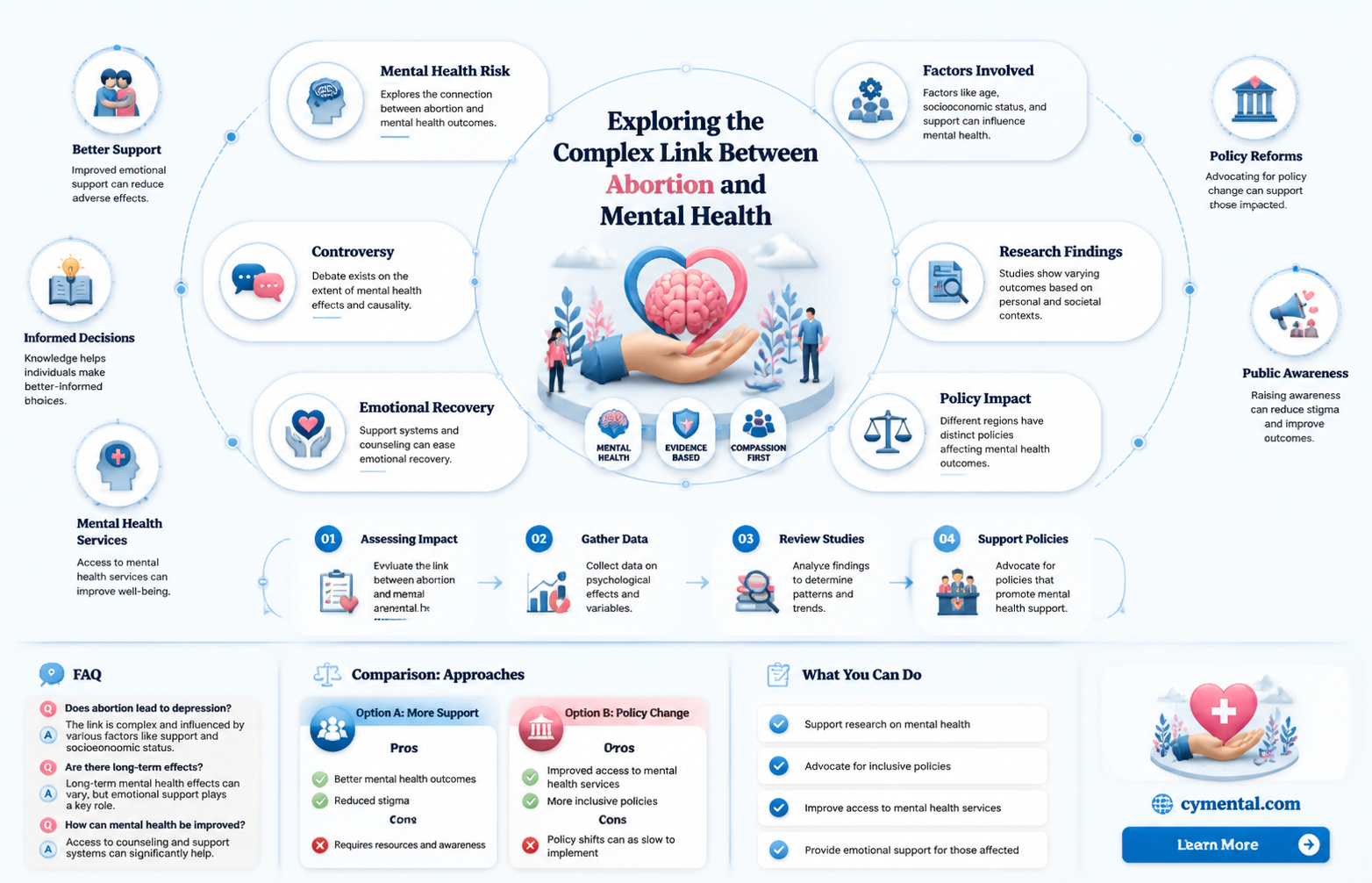
The question of whether abortion can cause mental health problems is a complex and highly debated topic. While some studies suggest that abortion may be associated with an increased risk of mental health issues such as depression, anxiety, and post-traumatic stress disorder (PTSD), others argue that these findings are inconclusive and may be influenced by various confounding factors. It is important to consider the broader context, including the reasons behind seeking an abortion, the individual's personal circumstances, and the availability of support systems. Additionally, the potential mental health impacts of abortion must be weighed against the potential mental health consequences of carrying an unwanted pregnancy to term. Ultimately, the relationship between abortion and mental health is multifaceted and requires a nuanced understanding of the available research and the diverse experiences of individuals.
Explore related products


What You'll Learn
- Correlation vs. Causation: Exploring whether abortion directly causes mental health issues or if other factors contribute
- Short-Term Emotional Responses: Discussing common immediate emotional reactions post-abortion and their potential impact on mental health
- Long-Term Psychological Effects: Investigating if there are lasting psychological consequences from abortion and how they manifest
- Individual Differences: Considering how personal characteristics, beliefs, and support systems influence mental health outcomes post-abortion
- Access to Mental Health Care: Addressing the importance of available mental health resources and support for individuals post-abortion

Correlation vs. Causation: Exploring whether abortion directly causes mental health issues or if other factors contribute
The debate surrounding the potential mental health impacts of abortion is complex and multifaceted. While some studies suggest a correlation between abortion and mental health issues, it is crucial to distinguish between correlation and causation. Correlation indicates that two variables are related, but it does not imply that one causes the other. In the context of abortion and mental health, various factors could contribute to the observed correlation, including pre-existing mental health conditions, socioeconomic status, access to healthcare, and societal stigma.
To explore the relationship between abortion and mental health, it is essential to consider the broader context in which individuals make the decision to have an abortion. Factors such as unplanned pregnancy, financial constraints, and lack of support can all contribute to stress and anxiety, which may exacerbate or lead to mental health issues. Additionally, the stigma surrounding abortion can lead to feelings of shame and guilt, further impacting mental well-being.
Research on the topic is often limited by methodological challenges, such as selection bias and the difficulty of controlling for confounding variables. Longitudinal studies that follow individuals over time can provide more insight into the causal relationship between abortion and mental health. However, even these studies may not fully account for the complex interplay of factors that influence mental health outcomes.
It is also important to consider the potential benefits of abortion in terms of mental health. For some individuals, having an abortion may alleviate stress and anxiety related to an unplanned pregnancy, leading to improved mental well-being. Access to safe and legal abortion can also empower individuals to make decisions about their reproductive health, which can have positive effects on mental health.
In conclusion, the relationship between abortion and mental health is nuanced and influenced by a variety of factors. While correlation does not imply causation, it is essential to consider the broader context in which individuals make the decision to have an abortion and the potential impact of this decision on their mental health. Further research is needed to fully understand the complex interplay of factors that contribute to mental health outcomes following abortion.
Exploring the Link: Can a Hernia Impact Mental Health?
You may want to see also
Explore related products


Short-Term Emotional Responses: Discussing common immediate emotional reactions post-abortion and their potential impact on mental health
Immediately following an abortion, individuals may experience a complex array of emotions that can significantly impact their mental health. These reactions can vary widely, influenced by factors such as personal beliefs, societal pressures, and the circumstances surrounding the decision to have an abortion. Common emotional responses include relief, grief, guilt, anger, and anxiety. Relief may stem from the resolution of an unplanned pregnancy, while grief could be associated with the loss of a potential child. Guilt and anger might arise from societal stigma or personal moral conflicts, and anxiety could be linked to concerns about future fertility or relationships.
The intensity and duration of these emotional responses can have profound effects on an individual's mental well-being. For some, these feelings may subside relatively quickly, while for others, they could persist and evolve into more severe mental health issues such as depression or post-traumatic stress disorder (PTSD). It is crucial for healthcare providers to recognize and address these emotional reactions as part of comprehensive post-abortion care. Offering counseling, support groups, and access to mental health services can help mitigate the negative impact of these emotions and promote healing and resilience.
Moreover, the potential for these emotional responses to affect mental health underscores the importance of fostering a supportive and non-judgmental environment for individuals who have undergone an abortion. Stigma and shame can exacerbate negative emotions and create barriers to seeking help. By promoting open dialogue and understanding, we can help reduce the risk of mental health problems and ensure that those who need support can access it without fear of judgment or repercussions.
In conclusion, the immediate emotional reactions following an abortion can have significant implications for mental health. By acknowledging and addressing these responses, healthcare providers and society at large can play a crucial role in supporting individuals through this challenging time and promoting their overall well-being.
Exploring the Link: Vertigo and Mental Confusion Explained
You may want to see also
Explore related products

$26.95 $29.95


$32.99 $32.99


Long-Term Psychological Effects: Investigating if there are lasting psychological consequences from abortion and how they manifest
Research into the long-term psychological effects of abortion has yielded a complex and often contentious body of literature. While some studies suggest that abortion can lead to lasting mental health issues such as depression, anxiety, and post-traumatic stress disorder (PTSD), others argue that these findings are inconclusive or influenced by methodological flaws. One of the challenges in this area of research is the difficulty in isolating the psychological impact of abortion from other confounding factors, such as pre-existing mental health conditions, socioeconomic status, and access to support systems.
A study published in the Journal of Psychiatric Research in 2018 found that women who had undergone an abortion were more likely to experience depression and anxiety in the following months compared to those who had not. However, the study also noted that these symptoms tended to diminish over time, suggesting that any psychological effects may be temporary rather than long-lasting. Another study, published in the American Journal of Obstetrics and Gynecology in 2016, found no significant differences in mental health outcomes between women who had an abortion and those who carried their pregnancy to term.
It is also important to consider the role of stigma and societal attitudes towards abortion in shaping women's psychological experiences. Women who undergo an abortion may face judgment, shame, and social isolation, which can contribute to negative mental health outcomes. Conversely, women who feel supported and validated in their decision may experience fewer psychological difficulties.
In conclusion, while the evidence suggests that abortion can have some psychological impact, the nature and duration of these effects remain unclear. Further research is needed to better understand the complex interplay between abortion, mental health, and societal factors. It is crucial to approach this topic with sensitivity and to provide women with accurate information and support to make informed decisions about their reproductive health.
Exploring the Link: Chest Infections and Mental Confusion
You may want to see also
Explore related products

$9.99


Individual Differences: Considering how personal characteristics, beliefs, and support systems influence mental health outcomes post-abortion
Research indicates that individual differences play a significant role in mental health outcomes following an abortion. Personal characteristics such as age, socioeconomic status, and prior mental health history can influence how a person experiences and copes with the procedure. For instance, younger individuals may face unique challenges related to developmental stage and life circumstances, while those with a history of mental health issues may be more susceptible to experiencing distress post-abortion.
Beliefs and values also contribute to the mental health impact of abortion. Cultural, religious, and personal beliefs about abortion can shape an individual's emotional response and coping mechanisms. Those who hold strong anti-abortion beliefs may experience greater psychological distress, including feelings of guilt and shame, compared to those with more neutral or pro-abortion views.
Support systems are another critical factor in determining mental health outcomes. Having a strong network of supportive friends, family, or healthcare providers can help mitigate negative emotions and facilitate recovery. Conversely, lack of support or exposure to unsupportive environments can exacerbate mental health issues post-abortion.
It is essential to consider these individual differences when assessing the mental health impact of abortion. Healthcare providers and mental health professionals should take a personalized approach, recognizing that each person's experience is unique and influenced by a variety of factors. By understanding and addressing these individual differences, more effective support and interventions can be provided to promote positive mental health outcomes post-abortion.
The Hidden Toll: How a Messy Home Can Impact Mental Health
You may want to see also
Explore related products



Access to Mental Health Care: Addressing the importance of available mental health resources and support for individuals post-abortion
Individuals who undergo an abortion may experience a range of emotions, from relief to grief, and may require mental health support to navigate these feelings. Access to mental health care is crucial in providing the necessary resources and guidance for those who may be struggling post-abortion. This support can come in various forms, including counseling, therapy, and support groups, all of which can help individuals process their emotions and make informed decisions about their future.
One of the key challenges in providing mental health care to individuals post-abortion is the stigma that often surrounds the procedure. This stigma can lead to feelings of shame and isolation, making it difficult for individuals to seek help. Mental health professionals can play a vital role in combating this stigma by creating a safe and non-judgmental space for their clients. They can also work to educate the public about the importance of mental health care post-abortion and the resources that are available.
Another important aspect of mental health care post-abortion is the need for a holistic approach. This means addressing not only the emotional and psychological needs of the individual but also their physical and social needs. For example, a mental health professional may work with a client to develop a self-care plan that includes exercise, healthy eating, and social support. They may also help the client to connect with other resources, such as housing assistance or financial aid, that can help to reduce stress and improve overall well-being.
In addition to individual mental health care, there is also a need for community-based support. This can include support groups, where individuals can connect with others who have had similar experiences, and educational programs that provide information about the emotional and psychological effects of abortion. Community-based support can help to reduce feelings of isolation and provide a sense of belonging and understanding.
Finally, it is important to recognize that access to mental health care post-abortion is a critical component of overall reproductive health care. By providing comprehensive mental health support, we can help to ensure that individuals are able to make informed decisions about their reproductive health and are able to access the care they need to thrive. This support can have a lasting impact on the individual's mental health and well-being, and can help to promote a more positive and supportive environment for all who seek reproductive health care.
Exploring the Link: Sinus Infections and Mental Health Changes
You may want to see also
Frequently asked questions
The relationship between abortion and mental health is complex and can vary greatly from person to person. While some individuals may experience mental health challenges following an abortion, others may not. Factors such as personal beliefs, support systems, and pre-existing mental health conditions can influence how someone responds emotionally and psychologically to an abortion.
Potential mental health effects of abortion can include anxiety, depression, grief, and post-traumatic stress disorder (PTSD). However, it's important to note that these effects are not universal and can differ widely among individuals. Some people may experience relief or a sense of empowerment after an abortion, while others may struggle with their emotions.
The prevalence of mental health problems after abortion is not definitively known, as research on this topic is limited and often controversial. Some studies suggest that mental health issues may be more common among those who have had an abortion, while others find no significant difference compared to those who have not. It's crucial to approach this topic with sensitivity and recognize the diversity of individual experiences.
Long-term mental health consequences of abortion can vary widely among individuals. While some people may experience lasting emotional distress, others may not. Factors such as the individual's age at the time of the abortion, the circumstances surrounding the decision, and the availability of support can all influence the long-term psychological impact.
Support for individuals experiencing mental health issues after abortion can include counseling, therapy, support groups, and hotlines. It's essential for those seeking help to find resources that are non-judgmental and respectful of their experiences. Healthcare providers, mental health professionals, and abortion clinics can often provide referrals to appropriate support services.