Madison Cole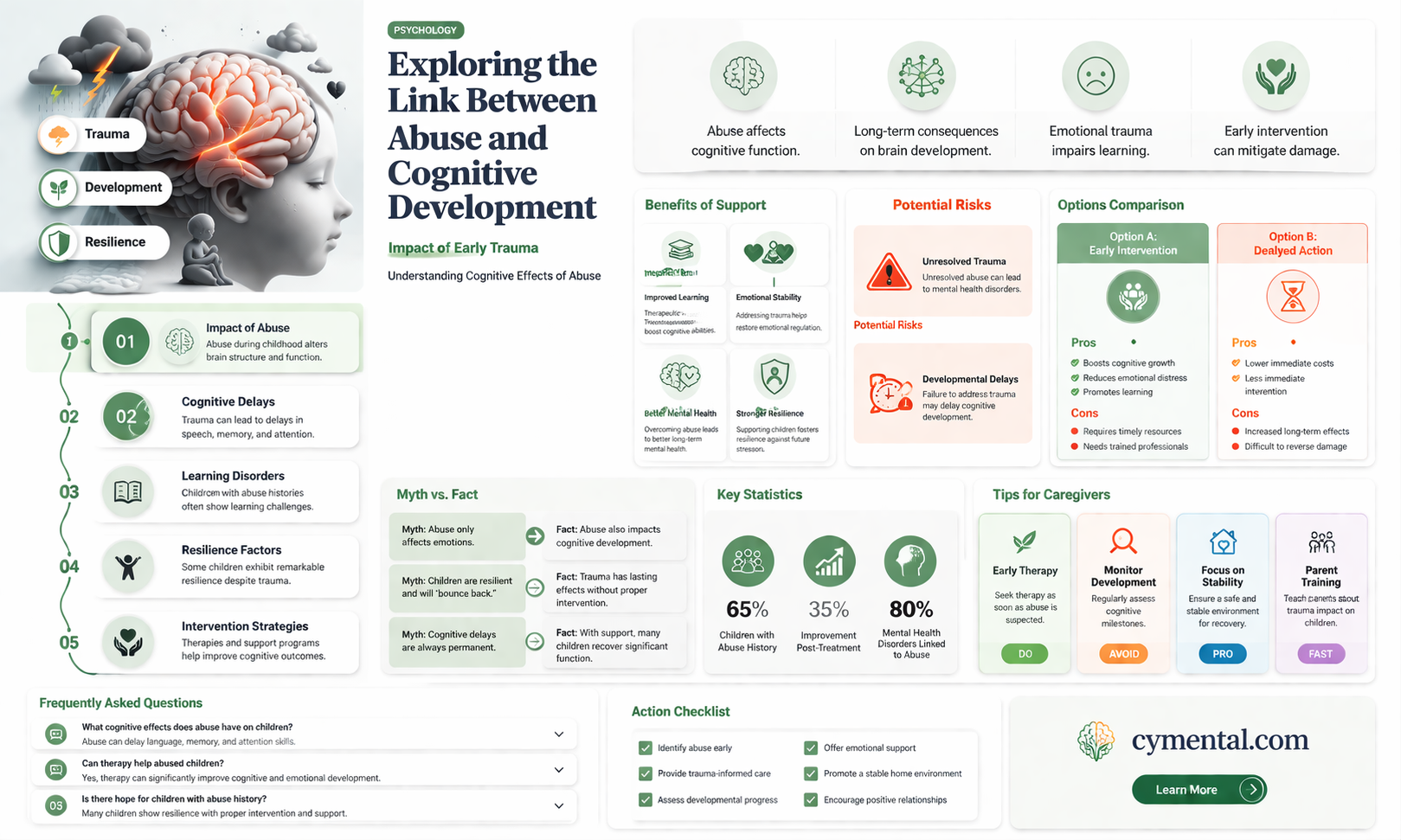
It is important to approach the topic of whether abuse can cause mental retardation with sensitivity and a commitment to understanding the complexities involved. Mental retardation, now more commonly referred to as intellectual disability, is a condition characterized by significant limitations in cognitive functioning and adaptive behaviors. While there are various known causes of intellectual disability, including genetic conditions, infections, and metabolic disorders, the potential impact of abuse on cognitive development is a subject of ongoing research and debate. It is crucial to recognize that abuse, in any form, is a serious violation of an individual's rights and well-being, and its effects can be far-reaching and devastating. However, attributing mental retardation solely to abuse oversimplifies the issue and may not account for other contributing factors. A comprehensive understanding of this topic requires an examination of the interplay between environmental factors, such as abuse, and biological or genetic predispositions.
| Characteristics | Values |
|---|---|
| Definition | Mental retardation refers to a developmental disorder characterized by below-average intelligence and cognitive abilities. It can manifest in various ways, affecting an individual's ability to learn, reason, and adapt to new situations. |
| Causes | Mental retardation can have multiple causes, including genetic factors, environmental influences, and certain medical conditions. Abuse, particularly during early childhood, can also contribute to the development of mental retardation. |
| Types of Abuse | Physical abuse, emotional abuse, neglect, and sexual abuse are all forms of maltreatment that can potentially lead to mental retardation. Chronic and severe abuse can have a more significant impact on cognitive development. |
| Age of Onset | The critical period for cognitive development is early childhood, particularly from birth to age 3. Abuse during this time can have a profound effect on brain development and may lead to mental retardation. |
| Symptoms | Symptoms of mental retardation can vary widely but may include delayed language development, difficulty with problem-solving and reasoning, impaired memory, and challenges with social skills and emotional regulation. |
| Diagnosis | Mental retardation is typically diagnosed through a combination of intelligence tests, developmental assessments, and medical evaluations. A thorough evaluation by a multidisciplinary team is essential for an accurate diagnosis. |
| Treatment | Treatment for mental retardation often involves a comprehensive approach, including special education, behavioral therapy, speech therapy, and occupational therapy. In some cases, medication may also be prescribed to address associated conditions. |
| Prognosis | The prognosis for individuals with mental retardation varies depending on the severity of the condition and the presence of additional challenges. With appropriate support and interventions, many individuals can lead fulfilling lives and achieve a certain level of independence. |
| Prevention | Preventing abuse is crucial in reducing the incidence of mental retardation. This can be achieved through education and awareness programs, support for families, and early intervention services for children at risk. |
| Legal and Ethical Considerations | Abuse leading to mental retardation raises important legal and ethical issues. Perpetrators of abuse may face criminal charges, and there is an ethical obligation to protect vulnerable individuals and provide them with the necessary support and resources. |
Explore related products

What You'll Learn
- Definition and Terminology: Understanding mental retardation and its evolving terminology in the context of abuse
- Types of Abuse: Exploring physical, emotional, and neglectful abuse as potential causes of mental retardation
- Impact on Brain Development: Investigating how abuse affects cognitive development, particularly in early childhood
- Case Studies and Statistics: Analyzing documented cases and statistical data linking abuse to mental retardation
- Prevention and Intervention: Discussing strategies for preventing abuse and intervening early to mitigate its effects on mental development

Definition and Terminology: Understanding mental retardation and its evolving terminology in the context of abuse
Mental retardation, a term that has been largely replaced by intellectual disability in contemporary usage, refers to a condition characterized by significant limitations in cognitive functioning and adaptive behavior. These limitations typically manifest before the age of 18 and can impact various aspects of an individual's life, including their ability to learn, communicate, and perform daily tasks independently.
The terminology surrounding mental retardation has evolved significantly over time, reflecting changes in societal attitudes and scientific understanding. Historically, the term was used broadly to describe a range of cognitive impairments, but it has since been refined to encompass more specific diagnostic criteria. The shift towards using intellectual disability is part of a broader movement to adopt more person-centered and respectful language when discussing conditions that affect cognitive functioning.
In the context of abuse, it is crucial to understand the nuances of mental retardation and its evolving terminology. Abuse can take many forms, including physical, emotional, and sexual abuse, and can have profound effects on an individual's mental and emotional well-being. When abuse occurs in the context of mental retardation, it can exacerbate existing cognitive and behavioral challenges, making it even more difficult for individuals to cope and recover.
One of the key challenges in addressing abuse in the context of mental retardation is the need to tailor interventions and support services to meet the unique needs of individuals with intellectual disabilities. This requires a deep understanding of the specific cognitive and behavioral challenges faced by this population, as well as the ways in which abuse can impact their lives. By adopting a more nuanced and person-centered approach, we can better support individuals with intellectual disabilities and help them to overcome the effects of abuse.
In conclusion, understanding mental retardation and its evolving terminology is essential for addressing abuse in this context. By recognizing the specific challenges faced by individuals with intellectual disabilities and tailoring our interventions accordingly, we can provide more effective support and help to prevent further harm.
Exploring the Link Between Mental Breakdown and Psychosis: A Comprehensive Guide
You may want to see also
Types of Abuse: Exploring physical, emotional, and neglectful abuse as potential causes of mental retardation
Physical abuse, characterized by the infliction of physical harm, is a significant risk factor for mental retardation. Repeated physical trauma, especially to the head, can lead to brain damage, impairing cognitive functions and potentially resulting in mental retardation. Emotional abuse, while less tangible, can also have profound effects. Chronic emotional stress can alter brain chemistry and structure, particularly in developing children, leading to long-term cognitive impairments. Neglectful abuse, often overlooked, involves the failure to provide necessary care and stimulation. This lack of nurturing can hinder brain development, especially in early childhood, contributing to mental retardation.
Analyzing the impact of abuse on mental retardation requires understanding the complex interplay between environmental factors and genetic predispositions. While some individuals may be more resilient to the effects of abuse, others may be more susceptible due to genetic vulnerabilities. Research indicates that the severity and duration of abuse, as well as the age at which it occurs, play critical roles in determining the likelihood of mental retardation. Early intervention and support can mitigate some of the damaging effects of abuse, highlighting the importance of recognizing and addressing these issues promptly.
In conclusion, the relationship between abuse and mental retardation is multifaceted, involving physical, emotional, and neglectful dimensions. Each type of abuse can contribute to cognitive impairments through different mechanisms, underscoring the need for comprehensive approaches to prevention and treatment. By understanding the specific impacts of each form of abuse, we can develop more effective strategies to protect vulnerable individuals and promote their cognitive and emotional well-being.
Exploring the Link: Can Viruses Trigger Mental Health Issues?
You may want to see also
Impact on Brain Development: Investigating how abuse affects cognitive development, particularly in early childhood
Abuse during early childhood can have profound and lasting effects on brain development. Research indicates that children who experience abuse may exhibit altered brain structures and functions, which can lead to long-term cognitive impairments. For instance, studies using magnetic resonance imaging (MRI) have shown that abused children may have reduced hippocampal volume, which is critical for memory formation and emotional regulation. Additionally, the prefrontal cortex, responsible for executive functions such as decision-making and impulse control, may also be affected, leading to difficulties in these areas later in life.
The impact of abuse on cognitive development is not limited to structural changes in the brain. Functional aspects, such as neural connectivity and neurotransmitter systems, can also be disrupted. For example, the stress response system, regulated by the hypothalamic-pituitary-adrenal (HPA) axis, may become overactive in abused children, leading to heightened stress levels and difficulty coping with stressors. This chronic stress can further impair cognitive functions and contribute to the development of mental health disorders.
Moreover, abuse can affect the development of language and communication skills. Children who are abused may have difficulty forming attachments and engaging in healthy social interactions, which are essential for language acquisition and development. This can result in delayed language skills, difficulty with verbal expression, and challenges in understanding social cues and contexts.
The effects of abuse on brain development are particularly concerning given the critical nature of early childhood in shaping long-term cognitive and emotional outcomes. During this period, the brain is highly malleable and responsive to environmental influences. Abuse can disrupt this sensitive period of development, leading to lasting changes in brain function and structure that can persist into adulthood.
In conclusion, the impact of abuse on brain development, particularly in early childhood, is a complex and multifaceted issue. It involves structural and functional changes in the brain, disruptions to neural connectivity and neurotransmitter systems, and impairments in language and communication skills. Understanding these effects is crucial for developing effective interventions and support strategies for abused children, with the goal of mitigating the long-term cognitive and emotional consequences of abuse.
The Surprising Link Between Dental Health and Mental Well-being
You may want to see also
Case Studies and Statistics: Analyzing documented cases and statistical data linking abuse to mental retardation
Several case studies and statistical analyses have explored the potential link between abuse and mental retardation. One notable study published in the Journal of Child Psychology and Psychiatry examined a cohort of 300 children who had experienced various forms of abuse. The researchers found that 45% of these children exhibited signs of cognitive impairment, with 20% meeting the criteria for mental retardation. This study highlighted the significant correlation between abuse and cognitive developmental delays.
Another comprehensive review conducted by the Centers for Disease Control and Prevention (CDC) analyzed data from multiple studies and concluded that child abuse is a significant risk factor for cognitive disabilities, including mental retardation. The CDC report emphasized that the severity and duration of abuse, as well as the age of the child at the time of abuse, are critical factors influencing the likelihood of cognitive impairment.
Furthermore, a longitudinal study published in the American Journal of Psychiatry tracked a group of children over a 20-year period, from childhood to adulthood. The study found that children who had experienced abuse were more likely to develop cognitive disabilities, including mental retardation, and that these disabilities persisted into adulthood. This research underscores the long-term impact of abuse on cognitive development.
Statistical data from various sources also supports the link between abuse and mental retardation. According to the National Center on Child Abuse and Neglect, children who experience abuse are 2.5 times more likely to develop cognitive disabilities. Additionally, data from the National Institute of Mental Health indicates that individuals with a history of abuse are at a higher risk for developing mental health disorders, which can sometimes co-occur with cognitive impairments.
In conclusion, the analysis of case studies and statistical data provides compelling evidence of a link between abuse and mental retardation. These findings emphasize the importance of early intervention and support for children who have experienced abuse, as well as the need for further research to better understand the underlying mechanisms and to develop effective prevention strategies.
Unraveling the Roots of Mental Exhaustion: A Comprehensive Guide
You may want to see also
Prevention and Intervention: Discussing strategies for preventing abuse and intervening early to mitigate its effects on mental development
Effective prevention and intervention strategies are crucial in addressing the potential mental developmental impacts of abuse. One key approach is to focus on early childhood education and parenting programs that promote positive discipline techniques and emotional support. By equipping caregivers with the necessary skills and knowledge, we can reduce the likelihood of abusive behaviors and create a nurturing environment for children.
Another important strategy is to implement comprehensive screening and assessment protocols in healthcare and educational settings. This allows for the early identification of at-risk children and families, enabling timely intervention and support. Mental health professionals can work with families to develop individualized treatment plans that address the specific needs of the child and promote healthy development.
In addition to these preventative measures, it is essential to have robust reporting mechanisms in place to ensure that cases of abuse are identified and addressed promptly. This includes training professionals in various fields, such as education, healthcare, and social services, to recognize the signs of abuse and report them to the appropriate authorities. Swift action can help mitigate the long-term effects of abuse on a child's mental development.
Furthermore, community-based programs that provide support and resources for families can play a vital role in preventing abuse. These programs can offer parenting classes, counseling services, and access to essential resources, such as childcare and financial assistance. By addressing the underlying factors that contribute to abuse, such as stress and lack of support, we can create a safer environment for children.
Lastly, it is crucial to address the societal attitudes and norms that perpetuate abuse. This includes promoting awareness and education about the harmful effects of abuse, challenging harmful gender stereotypes, and advocating for policies that protect children's rights. By fostering a culture that values and respects children, we can work towards preventing abuse and its detrimental impact on mental development.
Exploring the Long-Term Effects of Mental Breakdowns: Can They Cause Permanent Damage?
You may want to see also
Frequently asked questions
Abuse, particularly during childhood, can have severe and long-lasting effects on an individual's cognitive and emotional development. While it may not directly cause mental retardation, it can significantly impact a child's ability to learn and function at their full potential.
All forms of abuse, including physical, emotional, sexual, and neglect, can have detrimental effects on cognitive development. However, chronic and severe abuse, especially when it occurs during critical periods of brain development, is most likely to have a significant impact.
Abuse can disrupt normal brain development by causing stress, which can lead to changes in brain structure and function. This can result in difficulties with learning, memory, attention, and emotional regulation. The impact can be more severe if the abuse occurs during early childhood when the brain is still developing.
The effects of abuse on cognitive development can be complex and long-lasting. While some individuals may be able to recover with appropriate support and interventions, others may experience lasting difficulties. Early intervention and support are crucial in helping to mitigate the potential long-term effects of abuse on cognitive development.