Lucas Bennett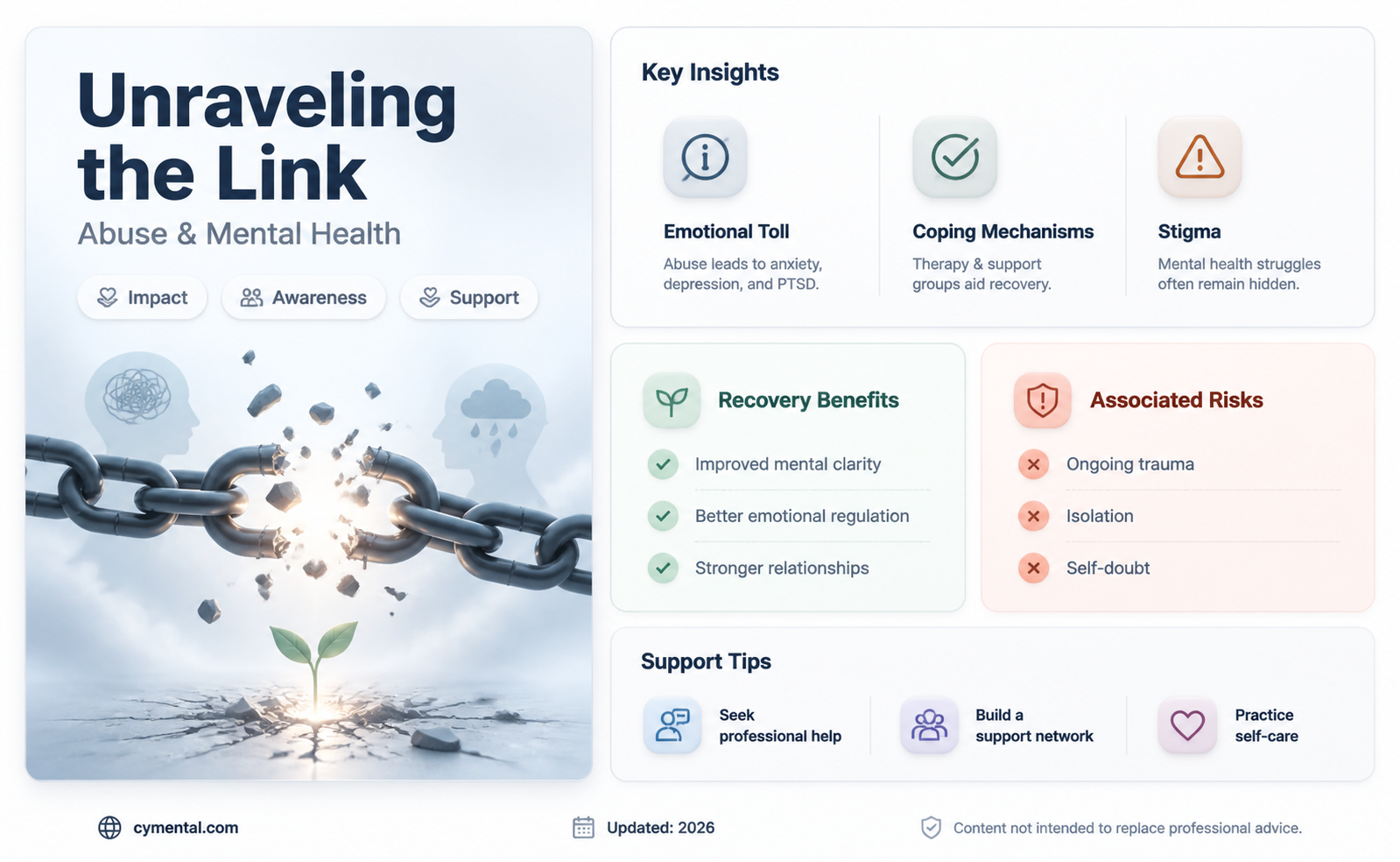
The question of whether abuse can cause mental illness is a complex and sensitive topic that has been the subject of extensive research and debate. Abuse, in its various forms such as physical, emotional, or sexual, can have profound and long-lasting effects on an individual's psychological well-being. Studies have shown that victims of abuse are at a higher risk of developing mental health disorders, including depression, anxiety, post-traumatic stress disorder (PTSD), and dissociative disorders. The trauma experienced during abuse can disrupt normal brain development and functioning, leading to changes in neural pathways and stress response systems. Furthermore, the emotional impact of abuse can erode self-esteem, trust, and social skills, making it challenging for individuals to form healthy relationships and cope with life's stressors. While the link between abuse and mental illness is well-documented, it is essential to recognize that each person's experience is unique, and the development of mental health issues is influenced by a multitude of factors, including genetic predisposition, environmental factors, and access to support and resources.
| Characteristics | Values |
|---|---|
| Definition | Can abuse cause mental illness refers to the potential psychological impact of abusive experiences on an individual's mental health. |
| Types of Abuse | Physical, emotional, sexual, financial, verbal, psychological, neglect. |
| Short-term Effects | Anxiety, depression, fear, anger, confusion, sleep disturbances, appetite changes. |
| Long-term Effects | Post-Traumatic Stress Disorder (PTSD), chronic depression, anxiety disorders, substance abuse, eating disorders, personality disorders. |
| Risk Factors | Severity and duration of abuse, age of onset, relationship to the abuser, lack of support, pre-existing mental health conditions. |
| Protective Factors | Strong social support, resilience, access to mental health care, positive coping mechanisms. |
| Diagnosis | Mental health professionals use criteria from the Diagnostic and Statistical Manual of Mental Disorders (DSM-5) to diagnose mental illnesses resulting from abuse. |
| Treatment Options | Cognitive-behavioral therapy (CBT), trauma-focused therapy, medication, support groups, mindfulness practices. |
| Prevention | Education and awareness programs, parenting classes, community support systems, early intervention services. |
| Statistics | According to the World Health Organization (WHO), approximately 1 in 4 individuals will experience mental illness at some point in their lives, with abuse being a significant contributing factor. |
| Research | Ongoing studies are exploring the neurobiological effects of abuse on the brain, the effectiveness of different treatment modalities, and the long-term outcomes for survivors of abuse. |
| Support Resources | National Alliance on Mental Illness (NAMI), National Coalition Against Domestic Violence (NCADV), Rape, Abuse & Incest National Network (RAINN). |
Explore related products


What You'll Learn
- Trauma and PTSD: Exploring the link between traumatic experiences and the development of post-traumatic stress disorder
- Anxiety Disorders: Discussing how abuse can lead to chronic anxiety, phobias, and panic disorders
- Depression: Examining the relationship between abuse and depressive disorders, including major depression and dysthymia
- Dissociation: Understanding how abuse can cause dissociative disorders, such as dissociative identity disorder
- Coping Mechanisms: Analyzing the impact of abuse on mental health and the development of coping strategies

Trauma and PTSD: Exploring the link between traumatic experiences and the development of post-traumatic stress disorder
Traumatic experiences can have a profound impact on an individual's mental health, and one of the most well-documented consequences is the development of post-traumatic stress disorder (PTSD). PTSD is a complex condition that can arise after exposure to a traumatic event, such as physical or emotional abuse, combat, natural disasters, or accidents. The disorder is characterized by a range of symptoms, including intrusive memories, flashbacks, nightmares, anxiety, and avoidance behaviors.
The link between trauma and PTSD is multifaceted and involves a combination of biological, psychological, and social factors. Research has shown that traumatic experiences can alter the brain's structure and function, particularly in regions involved in emotional regulation and memory processing. This can lead to difficulties in managing emotions and coping with stress, which are key features of PTSD.
Moreover, the severity and duration of the traumatic experience, as well as the individual's response to it, can influence the likelihood of developing PTSD. For example, prolonged exposure to trauma, such as in cases of chronic abuse, can increase the risk of PTSD. Additionally, the presence of social support and the individual's coping mechanisms can play a significant role in determining the outcome.
It is also important to note that not everyone who experiences trauma will develop PTSD. Resilience and protective factors, such as a strong support network, positive coping strategies, and a history of healthy relationships, can help mitigate the risk. Furthermore, early intervention and treatment can significantly improve outcomes for those who do develop PTSD.
In conclusion, the relationship between trauma and PTSD is complex and influenced by a variety of factors. Understanding this link is crucial for developing effective prevention and treatment strategies, as well as for promoting awareness and support for individuals affected by traumatic experiences.
Exploring the Link: Brain Aneurysms and Mental Health
You may want to see also
Explore related products


Anxiety Disorders: Discussing how abuse can lead to chronic anxiety, phobias, and panic disorders
Abuse can have a profound and lasting impact on an individual's mental health, often leading to the development of anxiety disorders. Chronic anxiety, phobias, and panic disorders are common manifestations of this trauma. The persistent fear and stress associated with abusive situations can alter the brain's chemistry and structure, particularly affecting the amygdala, which is responsible for processing emotions and triggering the fight-or-flight response. Over time, this can result in an overactive amygdala, leading to heightened states of anxiety and fear that are difficult to control.
One of the most insidious effects of abuse is the development of chronic anxiety. This condition is characterized by persistent worry and fear that interfere with daily life. Individuals may experience physical symptoms such as headaches, stomachaches, and muscle tension, as well as psychological symptoms like irritability, restlessness, and difficulty concentrating. Chronic anxiety can be debilitating, making it challenging to maintain relationships, perform at work or school, and engage in everyday activities.
Phobias are another common anxiety disorder that can stem from abuse. These are intense, irrational fears of specific objects, situations, or activities. For example, someone who has experienced physical abuse may develop a phobia of the object used in the abuse or of the situation in which the abuse occurred. Phobias can lead to avoidance behaviors, which can significantly limit an individual's ability to function in various aspects of life.
Panic disorders are also frequently associated with abuse. These disorders are characterized by sudden, intense episodes of fear or anxiety, often accompanied by physical symptoms such as rapid heartbeat, sweating, and shortness of breath. Panic attacks can be terrifying and may lead individuals to avoid situations where they fear another attack might occur. This avoidance can result in agoraphobia, a condition where individuals become afraid to leave their homes or other safe environments.
Treatment for anxiety disorders resulting from abuse typically involves a combination of therapy and medication. Cognitive-behavioral therapy (CBT) is often effective in helping individuals identify and challenge negative thought patterns and develop coping strategies. Medications such as selective serotonin reuptake inhibitors (SSRIs) and benzodiazepines may also be used to manage symptoms. It is crucial for individuals to seek professional help, as untreated anxiety disorders can worsen over time and significantly impact quality of life.
In conclusion, abuse can lead to a range of anxiety disorders, including chronic anxiety, phobias, and panic disorders. These conditions are serious and can have a profound impact on an individual's mental and physical well-being. However, with proper treatment and support, it is possible for individuals to manage their symptoms and lead fulfilling lives.
Unseen Scars: The Profound Impact of Mental Abuse on Brain Health
You may want to see also
Depression: Examining the relationship between abuse and depressive disorders, including major depression and dysthymia
Research indicates a strong correlation between experiencing abuse and the development of depressive disorders. Individuals who have suffered from physical, emotional, or sexual abuse are at a significantly higher risk of developing major depression or dysthymia. This connection is attributed to the profound impact abuse has on a person's psychological well-being, self-esteem, and ability to cope with stress.
Major depression, characterized by persistent feelings of sadness, hopelessness, and a loss of interest in activities, can be triggered by the trauma of abuse. The abuse may lead to a sense of helplessness and worthlessness, which are common symptoms of major depression. Furthermore, the stress response system in the body can be altered by abuse, leading to long-term physiological changes that contribute to depressive symptoms.
Dysthymia, a form of chronic depression, can also be linked to abuse. This condition is marked by a persistent, low-grade depression that lasts for two years or more. Abuse can create a pervasive sense of sadness and despair that becomes a constant part of an individual's life, leading to dysthymia. Additionally, the lack of support and validation that often accompanies abuse can exacerbate feelings of isolation and hopelessness, contributing to the development of dysthymia.
It is essential to recognize the signs of depression in individuals who have experienced abuse, as early intervention can significantly improve outcomes. Treatment may include therapy, medication, or a combination of both. Cognitive-behavioral therapy (CBT) and trauma-focused therapies are particularly effective in addressing the underlying issues related to abuse and depression. Medications such as selective serotonin reuptake inhibitors (SSRIs) can also be beneficial in managing depressive symptoms.
In conclusion, the relationship between abuse and depressive disorders is complex and multifaceted. Understanding this connection is crucial for providing appropriate support and treatment to those affected. By addressing the root causes of depression in abuse survivors, we can help them reclaim their lives and move towards a brighter future.
Unraveling the Complex Causes of Obesity: Physical vs. Mental
You may want to see also
Dissociation: Understanding how abuse can cause dissociative disorders, such as dissociative identity disorder
Dissociation is a complex psychological response that can develop as a result of severe abuse. It is a coping mechanism where an individual's mind disconnects from their emotions, thoughts, or memories to protect themselves from overwhelming trauma. This disconnection can lead to the development of dissociative disorders, such as dissociative identity disorder (DID), which is characterized by the presence of two or more distinct identities or personality states.
Abuse, particularly in childhood, can significantly impact the development of the brain and its ability to process and integrate experiences. When a child is subjected to repeated trauma, their brain may struggle to form a cohesive sense of self, leading to the fragmentation of their identity. This fragmentation can manifest as different personalities or alters, each with their own memories, behaviors, and emotions.
The link between abuse and dissociative disorders is well-documented in psychological research. Studies have shown that individuals with DID are more likely to have experienced severe physical, emotional, or sexual abuse in childhood compared to those without the disorder. The abuse can be so severe that it overwhelms the child's ability to cope, leading to the development of dissociative symptoms as a way to survive the trauma.
It is important to note that dissociation is not a sign of weakness or a deliberate attempt to deceive others. Rather, it is a legitimate psychological response to trauma that can have profound effects on an individual's mental health and well-being. Treatment for dissociative disorders often involves therapy that focuses on helping the individual process and integrate their traumatic experiences, as well as developing coping strategies to manage their symptoms.
In conclusion, the connection between abuse and dissociative disorders is a critical aspect of understanding the impact of trauma on mental health. By recognizing the role of dissociation as a coping mechanism, we can better support individuals who have experienced abuse and help them on their journey towards healing and recovery.
Exploring the Link: Can a Pinched Nerve Impact Mental Health?
You may want to see also
Coping Mechanisms: Analyzing the impact of abuse on mental health and the development of coping strategies
Abuse can have a profound impact on an individual's mental health, often leading to the development of various coping mechanisms as a means of survival and self-preservation. These mechanisms can manifest in numerous ways, ranging from dissociation and denial to substance abuse and self-harm. While such strategies may provide temporary relief or escape, they can also perpetuate a cycle of trauma and hinder long-term healing and recovery.
One of the most common coping mechanisms in response to abuse is dissociation, where individuals disconnect from their thoughts, feelings, or surroundings as a way to avoid overwhelming emotional pain. This can lead to a sense of numbness or detachment, making it difficult for individuals to process and confront their traumatic experiences. Over time, dissociation can become a habitual response, further exacerbating the emotional and psychological toll of abuse.
Another coping strategy often employed by abuse survivors is denial, where individuals minimize or rationalize the severity of their experiences. This can manifest as a refusal to acknowledge the abuse, blaming oneself for the situation, or downplaying the impact it has had on their life. While denial may provide a temporary sense of control or normalcy, it can ultimately prevent individuals from seeking the help and support they need to heal and move forward.
Substance abuse is another common coping mechanism among survivors of abuse, as drugs and alcohol can provide a temporary escape from emotional pain and distress. However, this form of coping can quickly spiral out of control, leading to addiction and further compounding the individual's mental health struggles. Additionally, substance abuse can impair judgment and decision-making, making it more difficult for individuals to recognize and respond to ongoing threats or dangerous situations.
Self-harm is another coping strategy that may be employed by abuse survivors, often as a means of expressing or releasing pent-up emotions. This can include behaviors such as cutting, burning, or hitting oneself, and can serve as a way to regain a sense of control or agency in one's life. However, self-harm can also lead to physical injury, infection, and further emotional distress, making it a harmful and ineffective coping mechanism in the long term.
In order to break the cycle of trauma and develop healthier coping strategies, it is essential for abuse survivors to seek professional help and support. This can include therapy, counseling, and support groups, which can provide individuals with the tools and resources they need to process their experiences, develop healthy coping mechanisms, and rebuild their lives. By addressing the root causes of their trauma and developing effective coping strategies, abuse survivors can begin to heal and move forward, reclaiming their lives and their mental health.
Unseen Scars: The Mental and Emotional Toll of Restraints
You may want to see also
Frequently asked questions
Yes, abuse can cause mental illness. Experiencing abuse, whether physical, emotional, or sexual, can lead to a range of mental health issues, including anxiety, depression, post-traumatic stress disorder (PTSD), and dissociative disorders.
Common mental health effects of abuse include anxiety, depression, PTSD, dissociative disorders, and substance abuse. Victims may also experience feelings of shame, guilt, and low self-esteem.
Abuse can affect the brain by altering its structure and function. Chronic stress from abuse can lead to changes in the brain's stress response system, affecting areas such as the amygdala, hippocampus, and prefrontal cortex. These changes can contribute to the development of mental health disorders.
Yes, there is a link between childhood abuse and adult mental illness. Childhood abuse can have long-lasting effects on mental health, increasing the risk of developing mental health disorders in adulthood. Early intervention and support can help mitigate these risks.