Madison Cole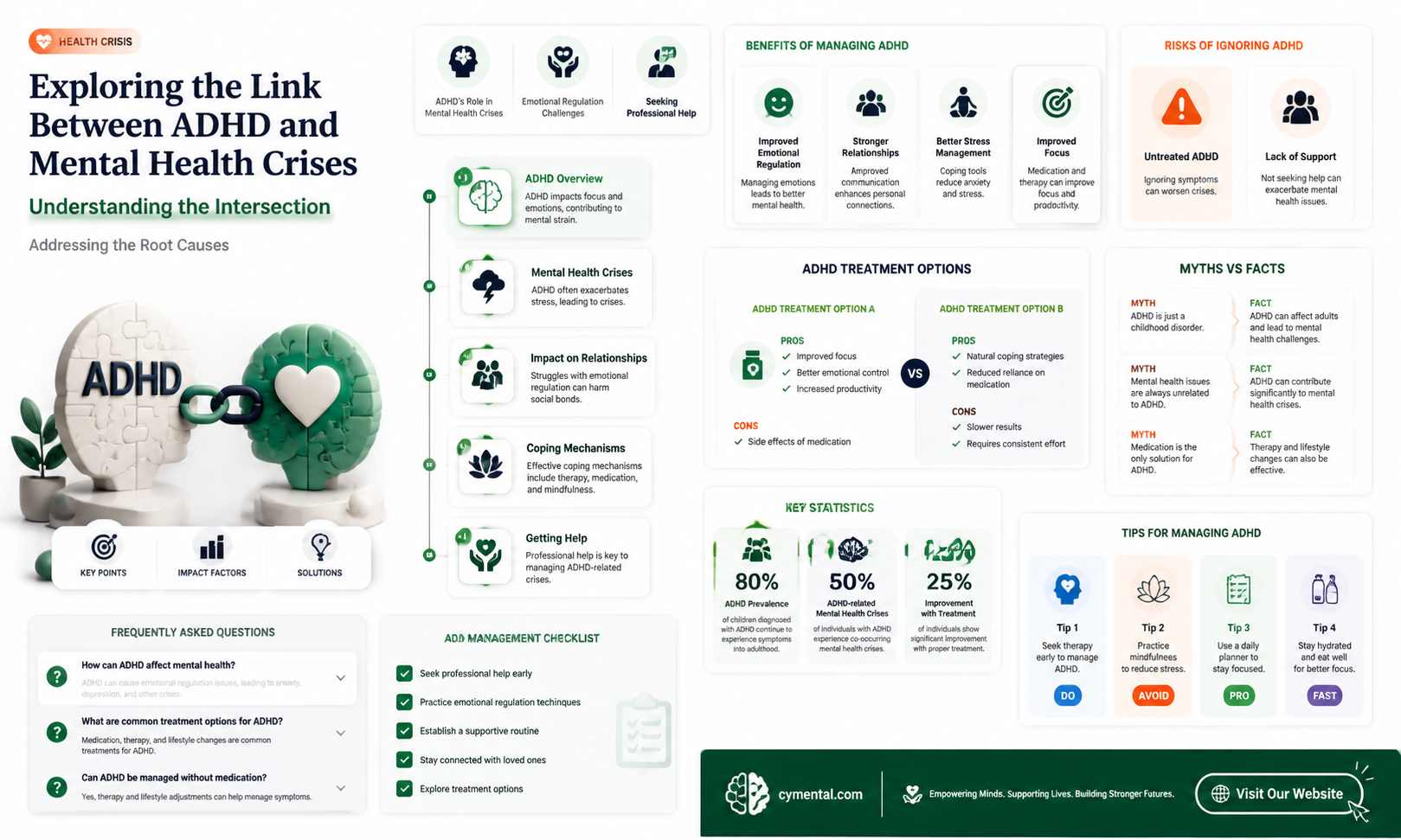
ADHD, or Attention Deficit Hyperactivity Disorder, is a neurodevelopmental condition characterized by symptoms such as inattention, hyperactivity, and impulsiveness. While ADHD itself does not directly cause mental breakdowns, individuals with ADHD may be at a higher risk for developing other mental health conditions that could contribute to a mental breakdown. These conditions might include anxiety, depression, or bipolar disorder. The challenges associated with ADHD, such as difficulties in maintaining focus, managing emotions, and coping with stress, can exacerbate these mental health issues. Therefore, it is crucial for individuals with ADHD to receive appropriate treatment and support to manage their symptoms and reduce the risk of a mental breakdown.
| Characteristics | Values |
|---|---|
| Definition | ADHD (Attention Deficit Hyperactivity Disorder) is a neurodevelopmental disorder characterized by inattention, hyperactivity, and impulsiveness. |
| Symptoms | Common symptoms include difficulty paying attention, restlessness, impulsivity, disorganization, and forgetfulness. |
| Prevalence | ADHD affects approximately 9% of children and 4% of adults worldwide. |
| Causes | The exact cause is unknown, but it may involve genetic, environmental, and neurological factors. |
| Diagnosis | Diagnosis is typically made by a healthcare professional through a combination of behavioral observations, interviews, and rating scales. |
| Treatment | Treatment often involves a combination of medication (such as stimulants) and behavioral therapy. |
| Prognosis | With appropriate treatment, many individuals with ADHD can lead successful and fulfilling lives. |
| Comorbidities | ADHD often co-occurs with other conditions such as anxiety, depression, and learning disorders. |
| Impact on Daily Life | ADHD can affect various aspects of daily life, including academic performance, work, relationships, and self-esteem. |
| Misconceptions | Common misconceptions include that ADHD is not a real disorder, that it is caused by poor parenting, or that individuals with ADHD are not intelligent. |
| Research | Ongoing research aims to better understand the causes, mechanisms, and most effective treatments for ADHD. |
| Support | Support groups and resources are available for individuals with ADHD and their families. |
| Legal Protections | In many countries, individuals with ADHD are protected under disability laws and may be eligible for accommodations in education and the workplace. |
| Public Awareness | Public awareness campaigns help to educate people about ADHD and reduce stigma. |
| Personal Stories | Many individuals with ADHD share their personal stories to raise awareness and provide hope to others. |
Explore related products


$14.99


What You'll Learn
- ADHD and Stress: Chronic stress from ADHD symptoms can lead to mental breakdowns
- Emotional Regulation: Difficulty regulating emotions in ADHD may contribute to mental breakdowns
- Sleep Deprivation: ADHD-related sleep issues can exacerbate mental health, leading to breakdowns
- Social Isolation: Social challenges associated with ADHD can cause feelings of isolation, contributing to mental breakdowns
- Comorbid Conditions: ADHD often co-occurs with other mental health conditions, increasing the risk of mental breakdowns

ADHD and Stress: Chronic stress from ADHD symptoms can lead to mental breakdowns
Individuals with ADHD often experience chronic stress due to the persistent nature of their symptoms. This ongoing stress can lead to mental breakdowns, characterized by feelings of overwhelming anxiety, depression, or even psychosis in severe cases. The constant struggle to focus, manage time, and complete tasks can create a sense of never-ending pressure, which can be detrimental to mental health.
One unique aspect of ADHD-related stress is its tendency to manifest in physical symptoms as well. Chronic stress can lead to headaches, stomachaches, and sleep disturbances, which can further exacerbate the mental strain. Additionally, individuals with ADHD may turn to unhealthy coping mechanisms, such as substance abuse or overeating, to manage their stress, which can lead to additional health problems and worsen their mental state.
It is crucial for individuals with ADHD to develop effective stress management strategies to prevent mental breakdowns. This may include techniques such as mindfulness meditation, deep breathing exercises, and regular physical activity. Seeking support from mental health professionals and joining ADHD support groups can also be beneficial in managing stress and preventing mental health crises.
In conclusion, the chronic stress associated with ADHD symptoms can have severe consequences on mental health, leading to potential mental breakdowns. It is essential for individuals with ADHD to prioritize stress management and seek support when needed to maintain their overall well-being.
Exploring the Link: Acidosis and Altered Mental Status
You may want to see also
Emotional Regulation: Difficulty regulating emotions in ADHD may contribute to mental breakdowns
Individuals with ADHD often experience intense emotions that can rapidly shift, making emotional regulation a significant challenge. This difficulty in managing emotions can lead to frequent mental breakdowns, characterized by overwhelming feelings of anxiety, depression, or frustration. Unlike typical mood fluctuations, these emotional dysregulations in ADHD can be triggered by minor incidents and may escalate quickly, impacting daily functioning and relationships.
One unique aspect of emotional dysregulation in ADHD is its impact on executive functions. Executive functions are a set of cognitive processes that include planning, decision-making, and problem-solving. When emotions are not well-regulated, these functions can be significantly impaired, leading to difficulties in managing tasks, setting priorities, and responding appropriately to situations. This impairment can further exacerbate the risk of mental breakdowns, as individuals may feel increasingly overwhelmed by their inability to cope with everyday demands.
Moreover, the unpredictability of emotional responses in ADHD can lead to social challenges. Individuals may find it hard to maintain relationships due to sudden outbursts or mood swings, which can be confusing and distressing for both the person with ADHD and those around them. This social isolation can contribute to feelings of loneliness and low self-esteem, potentially worsening mental health outcomes.
To mitigate these risks, it is essential for individuals with ADHD to develop effective emotional regulation strategies. Techniques such as mindfulness, cognitive-behavioral therapy (CBT), and medication can be beneficial in managing emotional responses and preventing mental breakdowns. Mindfulness practices, for example, can help individuals become more aware of their emotions and learn to respond to them in a more measured way. CBT can provide tools for reframing negative thoughts and behaviors, while medication can help stabilize mood and reduce the intensity of emotional responses.
In conclusion, the difficulty in regulating emotions is a critical factor that can contribute to mental breakdowns in individuals with ADHD. By understanding the unique challenges posed by emotional dysregulation and implementing targeted strategies, individuals can better manage their emotions and improve their overall mental health and well-being.
Navigating Love and Mental Health: Can Relationships Trigger a Breakdown?
You may want to see also
Sleep Deprivation: ADHD-related sleep issues can exacerbate mental health, leading to breakdowns
Sleep deprivation is a significant concern for individuals with ADHD, as it can severely impact their mental health and well-being. Research indicates that people with ADHD are more likely to experience sleep disturbances, such as insomnia, restless leg syndrome, and sleep apnea. These sleep issues can exacerbate ADHD symptoms, leading to increased hyperactivity, impulsivity, and inattention during the day. Furthermore, chronic sleep deprivation can contribute to the development of mental health conditions, such as depression, anxiety, and bipolar disorder, which are already more prevalent in individuals with ADHD.
One of the primary reasons for sleep disturbances in ADHD is the dysregulation of the body's internal clock, also known as the circadian rhythm. This can lead to difficulties falling asleep, staying asleep, and waking up feeling rested. Additionally, the stimulant medications commonly used to treat ADHD can interfere with sleep, making it even more challenging for individuals to get the restorative rest they need.
To address sleep deprivation in ADHD, it is essential to adopt a multifaceted approach. This may include implementing a consistent sleep schedule, creating a relaxing bedtime routine, and making changes to the sleep environment, such as reducing noise and light exposure. Cognitive-behavioral therapy for insomnia (CBT-I) can also be an effective treatment option, helping individuals to identify and change negative thought patterns and behaviors that contribute to sleep disturbances.
In some cases, medication may be necessary to address sleep issues in ADHD. However, it is crucial to work closely with a healthcare provider to find the right medication and dosage, as some sleep aids can interact with ADHD medications or have side effects that exacerbate ADHD symptoms. Melatonin, a natural hormone that regulates sleep-wake cycles, may be a viable option for some individuals, but it should only be used under the guidance of a healthcare professional.
Ultimately, addressing sleep deprivation in ADHD is critical for maintaining mental health and improving overall quality of life. By prioritizing sleep and adopting a comprehensive treatment approach, individuals with ADHD can better manage their symptoms and reduce the risk of mental health breakdowns.
Exploring the Link: Can Tooth Infections Impact Mental Health?
You may want to see also
Social Isolation: Social challenges associated with ADHD can cause feelings of isolation, contributing to mental breakdowns
Individuals with ADHD often face significant social challenges that can lead to feelings of isolation. These challenges may arise from difficulties with impulse control, inattention, and hyperactivity, which can impact their ability to maintain relationships and engage in social activities. Over time, these social challenges can contribute to mental breakdowns, as the individual may feel increasingly disconnected from others and struggle to cope with the emotional toll of their experiences.
One unique angle to consider is the role of social media in exacerbating feelings of isolation among individuals with ADHD. While social media can provide a platform for connection and communication, it can also create unrealistic expectations and promote comparison, which can be particularly challenging for those with ADHD. The constant stream of information and the pressure to present a curated online persona can lead to feelings of overwhelm and inadequacy, further contributing to social isolation and mental breakdowns.
To address these challenges, it is essential to develop strategies for building and maintaining social connections. This may involve joining support groups, engaging in therapy, or participating in social skills training programs. Additionally, individuals with ADHD may benefit from setting boundaries around their social media use and focusing on cultivating meaningful, in-person relationships. By taking these steps, individuals with ADHD can work to mitigate the social challenges associated with their condition and reduce the risk of mental breakdowns.
Unveiling the Link: Depression's Impact on Cognitive Clarity
You may want to see also
Comorbid Conditions: ADHD often co-occurs with other mental health conditions, increasing the risk of mental breakdowns
ADHD, or Attention Deficit Hyperactivity Disorder, is often accompanied by other mental health conditions, a phenomenon known as comorbidity. This coexistence can significantly increase the risk of mental breakdowns. One of the most common comorbid conditions with ADHD is depression. Studies have shown that individuals with ADHD are at a higher risk of developing depressive disorders, which can exacerbate the symptoms of ADHD and lead to a higher likelihood of mental breakdowns.
Another frequent comorbid condition is anxiety. The constant worry and fear associated with anxiety disorders can compound the stress and impulsivity of ADHD, creating a volatile mix that can contribute to mental breakdowns. Furthermore, ADHD often co-occurs with substance abuse disorders. Individuals with ADHD may turn to substances as a way to cope with their symptoms, but this can lead to addiction and further mental health deterioration.
Bipolar disorder is also a significant comorbid condition with ADHD. The mood swings and extreme emotional states of bipolar disorder can interact with the impulsivity and inattention of ADHD, increasing the risk of severe mental breakdowns. Additionally, ADHD can co-occur with personality disorders, such as borderline personality disorder, which can lead to intense emotional instability and a higher risk of mental breakdowns.
It is crucial for individuals with ADHD to be aware of these potential comorbid conditions and to seek professional help if they experience symptoms of depression, anxiety, substance abuse, bipolar disorder, or personality disorders. Early intervention and treatment can help manage these conditions and reduce the risk of mental breakdowns.
Unraveling the Complex Factors Behind Poor Mental Health
You may want to see also
Frequently asked questions
ADHD itself does not directly cause mental breakdowns. However, the stress and challenges associated with managing ADHD symptoms can contribute to mental health issues if not properly addressed.
Common mental health issues that can co-occur with ADHD include anxiety, depression, bipolar disorder, and substance abuse. These conditions can be exacerbated by the difficulties associated with ADHD.
Preventing a mental breakdown involves managing ADHD symptoms effectively through medication, therapy, and lifestyle changes. It's also important to seek support from friends, family, and mental health professionals when needed.
Signs of a mental breakdown in someone with ADHD may include increased anxiety, severe mood swings, difficulty concentrating, changes in sleep patterns, and feelings of hopelessness or helplessness. If these symptoms are observed, it's crucial to seek professional help immediately.