Noah Parker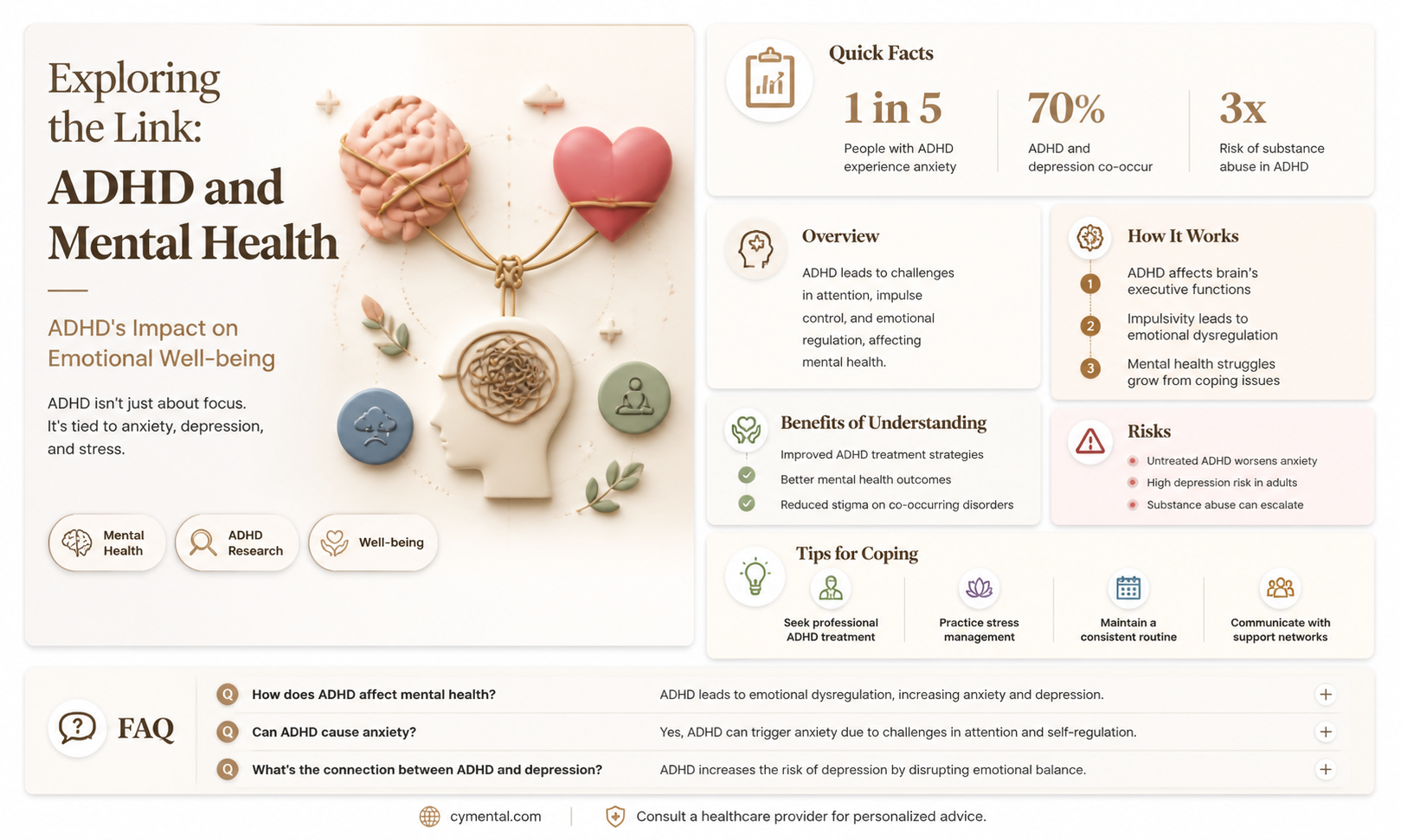
Attention Deficit Hyperactivity Disorder (ADHD) is a neurodevelopmental condition characterized by symptoms such as inattention, hyperactivity, and impulsiveness. While ADHD itself is not a mental health disorder, it can significantly impact an individual's mental well-being. Research has shown that people with ADHD are at a higher risk of developing mental health problems such as depression, anxiety, and substance abuse disorders. This increased risk can be attributed to various factors, including the challenges associated with managing ADHD symptoms, the potential for social and academic difficulties, and the presence of co-occurring conditions. Understanding the relationship between ADHD and mental health is crucial for providing comprehensive care and support to individuals with this condition.
| Characteristics | Values |
|---|---|
| Definition | ADHD (Attention Deficit Hyperactivity Disorder) is a neurodevelopmental disorder characterized by inattention, hyperactivity, and impulsivity. |
| Prevalence | ADHD affects approximately 5-10% of children and adolescents worldwide, with symptoms often persisting into adulthood. |
| Symptoms | Common symptoms include difficulty sustaining attention, excessive fidgeting, restlessness, impulsivity, and difficulty following instructions. |
| Diagnosis | Diagnosis is typically made by a healthcare professional through a combination of behavioral observations, interviews, and rating scales. |
| Treatment | Treatment options include behavioral therapy, medication (such as stimulants), and educational interventions. |
| Prognosis | With appropriate treatment, individuals with ADHD can lead successful and fulfilling lives, although they may face ongoing challenges with organization and time management. |
| Comorbidities | ADHD often co-occurs with other mental health conditions, such as anxiety, depression, and substance use disorders. |
| Impact on Daily Life | ADHD can affect various aspects of daily life, including academic performance, work productivity, relationships, and overall well-being. |
| Misconceptions | Common misconceptions include the belief that ADHD is caused by poor parenting or lack of discipline, or that it is a result of excessive sugar consumption. |
| Research | Ongoing research aims to better understand the genetic and environmental factors contributing to ADHD, as well as to develop more effective treatment strategies. |
| Support | Support groups and resources are available for individuals with ADHD and their families, providing education, advocacy, and community connections. |
| Policy | Policies and accommodations in educational and workplace settings can help individuals with ADHD to succeed and thrive. |
| Stigma | Stigma surrounding ADHD can lead to underreporting, misdiagnosis, and inadequate support for those affected. |
| Cultural Perspectives | Cultural differences in the understanding and treatment of ADHD exist, with varying levels of awareness and acceptance across different societies. |
| Future Directions | Future directions for ADHD research and treatment include the development of personalized interventions, improved diagnostic tools, and increased public awareness and understanding. |
Explore related products




What You'll Learn
- Increased Risk of Depression: ADHD individuals may experience persistent feelings of sadness and hopelessness due to ongoing challenges
- Anxiety Disorders: The constant stress of managing ADHD symptoms can lead to anxiety, including generalized anxiety and panic attacks
- Bipolar Disorder: Some studies suggest a higher prevalence of bipolar disorder among those with ADHD, characterized by extreme mood swings
- Substance Abuse: Individuals with ADHD may turn to substances to cope with their symptoms, leading to potential addiction issues
- Low Self-Esteem: Repeated difficulties and criticisms can contribute to negative self-perception and low self-esteem in ADHD individuals

Increased Risk of Depression: ADHD individuals may experience persistent feelings of sadness and hopelessness due to ongoing challenges
ADHD individuals often face a myriad of challenges that can significantly impact their mental health. One of the most prevalent issues is the increased risk of depression. This heightened vulnerability stems from the persistent feelings of sadness and hopelessness that can accompany the ongoing struggles associated with ADHD.
The link between ADHD and depression is complex and multifaceted. Research suggests that individuals with ADHD are more likely to experience depressive episodes due to a combination of factors, including genetic predisposition, brain chemistry imbalances, and the psychological toll of coping with ADHD symptoms. The constant difficulties in maintaining focus, managing impulsivity, and dealing with social and academic pressures can lead to a sense of inadequacy and low self-esteem, which are common precursors to depression.
Moreover, the stigma surrounding ADHD can exacerbate feelings of isolation and misunderstanding, further contributing to the development of depressive symptoms. Many ADHD individuals may feel misunderstood or judged by others, leading to a withdrawal from social interactions and a deepening of depressive feelings.
It is crucial for ADHD individuals and their support networks to recognize the signs of depression and seek appropriate help. Early intervention can significantly improve outcomes, and a combination of medication, therapy, and lifestyle changes can help manage both ADHD and depressive symptoms. By addressing the unique challenges faced by ADHD individuals, we can work towards reducing the risk of depression and improving overall mental health and well-being.
Exploring the Link: Kidney Failure and Altered Mental Status
You may want to see also
Explore related products

$14.59 $18.99

$21.58 $25.95


Anxiety Disorders: The constant stress of managing ADHD symptoms can lead to anxiety, including generalized anxiety and panic attacks
Individuals with ADHD often face a myriad of daily challenges, from difficulties with focus and concentration to impulsivity and hyperactivity. These symptoms can create a constant state of stress, which over time, can manifest into anxiety disorders. Generalized anxiety disorder (GAD) is one of the most common anxiety disorders among those with ADHD, characterized by excessive worry and anxiety that interfere with daily life. This anxiety can be a result of the persistent struggle to manage ADHD symptoms, leading to a cycle of stress and worry that is hard to break.
Panic attacks are another anxiety-related issue that can arise in individuals with ADHD. These sudden episodes of intense fear or discomfort can be triggered by the overwhelming stress of ADHD symptoms or the fear of not being able to cope with them. During a panic attack, individuals may experience physical symptoms such as a racing heart, shortness of breath, and trembling, which can further exacerbate the anxiety and create a sense of impending doom.
The link between ADHD and anxiety disorders is complex and multifaceted. Research suggests that the same neurotransmitter imbalances that contribute to ADHD symptoms, such as dopamine and norepinephrine, also play a role in the development of anxiety disorders. Additionally, the constant stress of living with ADHD can lead to changes in the brain's structure and function, increasing the risk of developing anxiety.
Treating anxiety disorders in individuals with ADHD requires a comprehensive approach that addresses both conditions simultaneously. Cognitive-behavioral therapy (CBT) is often used to help individuals manage their anxiety by identifying and challenging negative thought patterns and developing coping strategies. Medications such as selective serotonin reuptake inhibitors (SSRIs) or benzodiazepines may also be prescribed to help alleviate anxiety symptoms.
In addition to professional treatment, there are several practical strategies that individuals with ADHD can use to manage their anxiety. These include practicing relaxation techniques such as deep breathing and meditation, engaging in regular physical activity to reduce stress, and developing a support network of friends and family who can offer encouragement and understanding. By addressing both ADHD and anxiety disorders, individuals can work towards achieving a better quality of life and improved mental health.
Exploring the Link: Can Viruses Trigger Mental Health Issues?
You may want to see also
Explore related products


Bipolar Disorder: Some studies suggest a higher prevalence of bipolar disorder among those with ADHD, characterized by extreme mood swings
Recent studies have indicated a significant correlation between Attention Deficit Hyperactivity Disorder (ADHD) and Bipolar Disorder. This connection is characterized by the presence of extreme mood swings in individuals diagnosed with ADHD. The overlap in symptoms and the frequent co-occurrence of these two conditions suggest a complex interplay between attention deficits and mood regulation.
One of the key findings in this area is that individuals with ADHD are at a higher risk of developing Bipolar Disorder compared to the general population. The exact mechanisms underlying this increased risk are still under investigation, but it is believed that genetic factors, brain structure abnormalities, and environmental influences all play a role. For instance, both ADHD and Bipolar Disorder have been linked to irregularities in the brain's prefrontal cortex, which is responsible for executive functions and emotional regulation.
Clinically, the co-occurrence of ADHD and Bipolar Disorder can complicate diagnosis and treatment. The symptoms of ADHD, such as inattention and impulsivity, can mask the mood swings characteristic of Bipolar Disorder, leading to misdiagnosis or delayed treatment. Furthermore, the treatment of one condition may exacerbate the symptoms of the other. For example, stimulant medications commonly used to treat ADHD can trigger manic episodes in individuals with Bipolar Disorder.
Given the potential for misdiagnosis and the complexities of treating co-occurring ADHD and Bipolar Disorder, it is crucial for healthcare providers to adopt a comprehensive approach to patient care. This includes thorough diagnostic evaluations, careful consideration of medication interactions, and the implementation of integrated treatment plans that address both conditions simultaneously. Cognitive-behavioral therapy (CBT) and other psychotherapeutic interventions can also be beneficial in helping individuals manage their symptoms and improve their overall functioning.
In conclusion, the higher prevalence of Bipolar Disorder among those with ADHD underscores the importance of recognizing and addressing the complex interplay between these two conditions. By adopting a nuanced and integrated approach to diagnosis and treatment, healthcare providers can better support individuals affected by both ADHD and Bipolar Disorder, ultimately improving their quality of life and long-term outcomes.
Exploring the Link Between Mental Breakdowns and PTSD: What You Need to Know
You may want to see also
Explore related products


$11.02 $19.99


$59.95


Substance Abuse: Individuals with ADHD may turn to substances to cope with their symptoms, leading to potential addiction issues
Individuals with ADHD may turn to substances to cope with their symptoms, leading to potential addiction issues. This is a significant concern, as the use of substances can exacerbate ADHD symptoms and lead to a range of negative health outcomes. For example, stimulants like cocaine or methamphetamine may seem to provide a temporary boost in focus and energy, but they can also cause anxiety, paranoia, and cardiovascular problems. Similarly, alcohol or marijuana may be used to self-medicate for anxiety or sleep disturbances, but they can impair cognitive function and interfere with ADHD medication.
One unique angle to consider is the role of dopamine in both ADHD and substance abuse. Dopamine is a neurotransmitter that plays a key role in reward and motivation, and it is often dysregulated in individuals with ADHD. This dysregulation can lead to a heightened sensitivity to rewards and a decreased ability to delay gratification, which can make it more difficult for individuals with ADHD to resist the allure of substances. Additionally, many substances of abuse, such as cocaine and amphetamines, directly affect dopamine levels in the brain, which can further exacerbate the dopamine dysregulation seen in ADHD.
Another important consideration is the impact of substance abuse on ADHD treatment. Many ADHD medications, such as stimulants, can be contraindicated in individuals with a history of substance abuse, as they may increase the risk of addiction or exacerbate existing addiction issues. This can make it challenging for individuals with ADHD and substance abuse issues to find effective treatment options. In some cases, it may be necessary to address the substance abuse issues before beginning ADHD treatment, or to use alternative treatment approaches that do not involve stimulant medications.
In terms of practical tips, it is important for individuals with ADHD to be aware of the risks associated with substance use and to seek help if they are struggling with addiction. This may involve working with a mental health professional to develop coping strategies for managing ADHD symptoms without turning to substances, as well as seeking support from friends and family. Additionally, it is important for healthcare providers to screen individuals with ADHD for substance abuse issues and to provide appropriate referrals for treatment when necessary.
Overall, the intersection of ADHD and substance abuse is a complex and challenging issue that requires careful consideration and a multifaceted approach to treatment. By understanding the unique factors that contribute to substance abuse in individuals with ADHD, we can develop more effective strategies for preventing and treating addiction in this population.
Exploring the Link: Suicidal Thoughts and Mental Illness
You may want to see also
Explore related products

Low Self-Esteem: Repeated difficulties and criticisms can contribute to negative self-perception and low self-esteem in ADHD individuals
Individuals with ADHD often face repeated difficulties and criticisms, which can significantly impact their self-perception and lead to low self-esteem. This negative self-image can stem from a variety of sources, including academic underachievement, social challenges, and frequent reprimands from parents, teachers, or peers. Over time, these experiences can accumulate, fostering a sense of inadequacy and self-doubt.
One of the primary contributors to low self-esteem in ADHD individuals is the persistent struggle with tasks that others seem to handle with ease. This can create a sense of frustration and helplessness, as the individual may feel that they are constantly falling short of expectations. Additionally, the impulsivity and inattention associated with ADHD can lead to social blunders or misunderstandings, further eroding self-confidence.
Criticisms, whether constructive or not, can also play a significant role in shaping the self-esteem of those with ADHD. Frequent negative feedback can reinforce the belief that one is inherently flawed or incapable. This is particularly true when the criticisms focus on personal traits or abilities, rather than specific behaviors or actions. As a result, ADHD individuals may internalize these negative messages, leading to a diminished sense of self-worth.
The impact of low self-esteem can be far-reaching, affecting various aspects of an individual's life. It can lead to avoidance behaviors, where the person may shy away from new experiences or challenges due to fear of failure or rejection. Additionally, low self-esteem can contribute to the development of other mental health issues, such as depression or anxiety, as the individual may become increasingly isolated and withdrawn.
To address low self-esteem in ADHD individuals, it is essential to provide support and encouragement that focuses on their strengths and abilities. This can include positive reinforcement, skill-building activities, and opportunities for success. Additionally, helping individuals develop coping strategies and resilience can empower them to better navigate challenges and setbacks, ultimately fostering a more positive self-image.
Exploring the Impact of Mental Health Crises on Brain Function
You may want to see also
Frequently asked questions
Yes, ADHD can cause mental health problems. Individuals with ADHD are at a higher risk of developing conditions such as depression, anxiety, and bipolar disorder. The chronic stress of managing ADHD symptoms can lead to these mental health issues.
Common mental health problems associated with ADHD include depression, anxiety disorders, bipolar disorder, and substance abuse disorders. These conditions often co-occur with ADHD and can be exacerbated by the challenges of managing ADHD symptoms.
Someone with ADHD can manage their mental health effectively by seeking professional help, such as therapy or medication, to address both their ADHD and any co-occurring mental health conditions. Additionally, lifestyle changes like regular exercise, a balanced diet, and stress management techniques can also be beneficial in maintaining good mental health.